
How to Remove Watermarks from Car Paint: Expert Tips
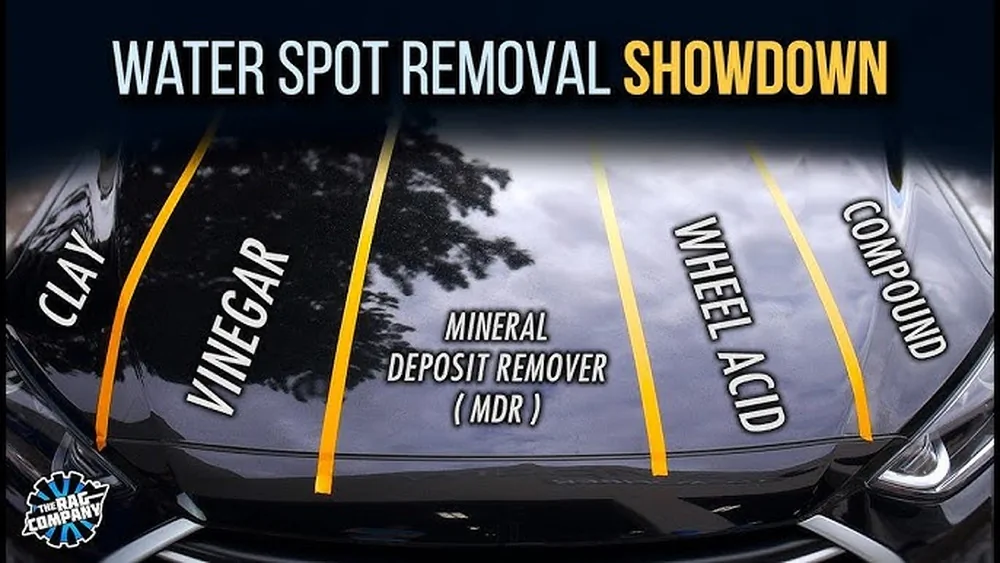
Car owners know the pride that comes from seeing a freshly washed, shiny vehicle. But even after a good wash, you might notice dull spots or rings on the paint. These are watermarks, and they can make your car look less attractive. Watermarks happen when water droplets dry on the surface, leaving behind minerals and contaminants. Removing them is important not just for looks, but also to protect the paint. If left untreated, watermarks can become harder to remove and even damage the clear coat. Let’s explore the best ways to remove watermarks from car paint, how to prevent them, and what mistakes to avoid.
What Causes Watermarks On Car Paint?
Watermarks, also called water spots, usually come from hard water. Hard water contains minerals like calcium and magnesium. When water dries on your car, these minerals stay behind and bond with the paint. Rain, sprinklers, or even washing your car with tap water can all cause watermarks.
There are two main types:
- Type I (Mineral Deposits): The most common. These are white or cloudy spots that sit on top of the clear coat.
- Type II (Etching): More severe. These marks are etched into the paint or clear coat from acidic rain or strong minerals.
Knowing the type helps you choose the right removal method. Type I spots are easier to remove, while Type II may need professional help.
Tools And Products You’ll Need
Before starting, gather the right supplies. Using the correct tools will protect your paint and make the job easier.
| Tool/Product | Purpose | Recommended For |
|---|---|---|
| Microfiber towels | Safe wiping, prevents scratches | All steps |
| pH-neutral car shampoo | Removes dirt without harming paint | Preparation |
| Water spot remover | Dissolves mineral deposits | Light to medium spots |
| Clay bar kit | Lifts bonded contaminants | Stubborn spots |
| Polishing compound | Restores shine, removes etching | Heavy spots |
| Spray bottle (distilled water) | Rinsing, prevents new spots | All steps |
| Gloves | Protects your hands | Chemical use |
A common beginner mistake is using kitchen sponges or bathroom cleaners. These can scratch the paint and make things worse.
Step-by-step: How To Remove Watermarks From Car Paint
Removing watermarks is a process. Start with the safest method and move to stronger solutions if needed.
1. Wash And Dry The Car
Begin with a thorough wash to remove loose dirt.
- Use a pH-neutral car shampoo and plenty of water.
- Wash in the shade to prevent new watermarks.
- Rinse with distilled water if possible.
- Dry using a clean microfiber towel.
Washing removes surface dust that can scratch the paint during later steps.
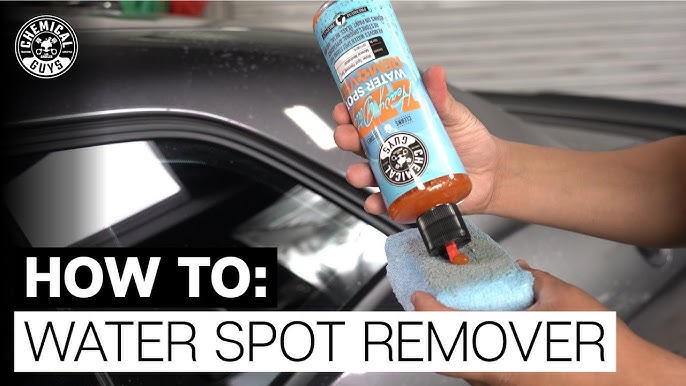
2. Try A Water Spot Remover
Commercial water spot removers are made to dissolve mineral deposits.
- Apply the remover to a microfiber towel, not directly to the paint.
- Gently rub the affected area in straight lines.
- Let it sit for the time suggested on the product label (usually 1–2 minutes).
- Wipe off with a clean, damp microfiber towel.
Do a small test area first. Some removers are strong and may dull the paint if left too long.
3. Use A Clay Bar For Stubborn Spots
If watermarks remain, a clay bar can help. Clay bars pull off contaminants bonded to the paint.
- Lubricate the area with clay bar lube (often included in kits).
- Gently glide the clay back and forth over the spots.
- Knead the clay to expose a clean surface as you work.
- Wipe with a microfiber towel and check the result.
Never use a dry clay bar. It can scratch the paint. Replace the clay if it gets gritty.
4. Polish For Deep Etching
If you see rings or marks that don’t come off with clay, the spots may be etched into the clear coat.
- Use a mild polishing compound with a foam applicator pad.
- Work in small sections.
- Rub gently in circular motions.
- Wipe off residue with a microfiber towel.
If you’re not experienced with polishing, go slowly. Too much pressure or the wrong compound can wear away the clear coat.
5. Apply Wax Or Sealant
After removing watermarks, protect your hard work.
- Apply a car wax or paint sealant to the cleaned area.
- Buff with a microfiber towel for shine and protection.
Wax helps prevent future watermarks by making water bead and roll off.
Comparing Watermark Removal Methods
Different methods work best for different situations. Here’s a quick guide:
| Method | Effectiveness | Paint Safety | When to Use |
|---|---|---|---|
| Water spot remover | Good | Safe if used correctly | Light to medium spots |
| Clay bar | Very good | Safe if lubricated | Stubborn bonded spots |
| Polishing compound | Excellent for etching | Requires care | Etched or heavy spots |
| Household vinegar | Fair | May dull paint | Last resort, not for new cars |
Home Remedies: Are They Safe?
Some online guides suggest using white vinegar or lemon juice. These acids can dissolve minerals, but they are not always safe for modern car paint. If you try these, always dilute with water and test a small area first. Never use abrasive powders or anything rough.
A safer home method is to mix 1 part white vinegar with 2 parts distilled water. Apply with a microfiber towel, rinse, and dry immediately. If you notice fading or dullness, stop right away.
Professional Help: When To Call An Expert
If you’ve tried all the above steps and still see marks, the watermarks may be etched deep into the clear coat. In these cases, a professional detailer can use machine polishers or wet sanding to restore the paint.
Here are signs you need expert help:
- The spot feels rough even after claying.
- There is discoloration or fading.
- You see swirl marks from earlier attempts.
Professional detailers have access to safe, specialized tools. The cost can range from $50 to $200 depending on the damage and the size of the area.
Credit: www.youtube.com
Preventing Watermarks In The Future
Prevention is easier than removal. Here’s how to keep your car looking spotless:
- Dry Immediately: After washing or rain, dry your car with a microfiber towel. Don’t let water air dry.
- Use Filtered or Distilled Water: Hard tap water is the main cause of watermarks. If you wash at home, a simple inline filter can help.
- Park in the Shade: Sun speeds up water drying and leaves marks behind.
- Apply Wax or Sealant Regularly: Wax creates a barrier that makes it hard for minerals to bond.
- Avoid Sprinklers: Don’t park near sprinklers or under trees that drip sap and water.
- Quick Detailer Sprays: Keep a spray and towel in your car to wipe off water spots quickly.
An often-missed tip: check your car right after rain, especially if you live in an area with hard water. Rainwater is usually low in minerals, but if your paint is hot, it can still leave marks.
Common Mistakes To Avoid
Many car owners make errors that make watermarks worse or even damage the paint.
- Scrubbing with rough towels: Can scratch the clear coat.
- Using bathroom/kitchen cleaners: These have harsh chemicals not safe for automotive paint.
- Ignoring watermarks for too long: The longer they stay, the harder they are to remove.
- Washing in the sun: Causes water to dry faster, leaving more marks.
- Skipping protection: Not using wax or sealant invites future spots.
A non-obvious insight: even “soft” water can leave marks if it contains chlorine or other chemicals. Always dry your car, no matter the water source.

Credit: www.drbeasleys.com
Cost And Time Estimates
How much effort will it take? Here’s a breakdown:
| Method | Time Needed | Typical Cost | Skill Level |
|---|---|---|---|
| Washing & drying | 30–45 minutes | $5–$15 (at home) | Beginner |
| Water spot remover | 15–30 minutes | $10–$20 | Beginner |
| Clay bar | 30–60 minutes | $20–$35 (kit) | Intermediate |
| Polishing compound | 30–60 minutes | $10–$25 | Intermediate/Advanced |
| Professional detailer | 1–2 hours | $50–$200 | Expert |
It’s better to start with simple methods. Only move to stronger solutions if needed.
Frequently Asked Questions
Can I Use Vinegar To Remove Watermarks From Car Paint?
Yes, but with caution. Vinegar can dissolve mineral deposits, but it is acidic and may dull the paint if not diluted. Always mix vinegar with water, apply gently, and rinse well. Test on a small area first. For newer cars or dark paints, it’s safer to use products made for automotive paint.
Are Watermarks And Swirl Marks The Same Thing?
No, they are different. Watermarks are mineral spots left by dried water. Swirl marks are tiny scratches, often caused by improper washing or drying. Removing watermarks won’t fix swirl marks, and vice versa. Use the right product for each problem.
How Often Should I Wax My Car To Prevent Watermarks?
For best protection, wax your car every 2–3 months. If you park outside often, you may need to wax more often. Wax helps water roll off and makes it harder for minerals to stick.
Will Automatic Car Washes Remove Watermarks?
Most automatic car washes will not remove stubborn watermarks. Some may even add new spots if they use recycled hard water. Hand washing with the right products works best. Touchless car washes are safer but may not be as effective for old spots.
Where Can I Find More Information About Protecting Car Paint?
For deeper advice on car care, you can read guides from the Auto Geek Online Forum, a trusted resource for car detailing tips.
Watermarks are a common issue, but with the right tools and knowledge, they don’t have to be permanent. Start with gentle methods, protect your paint, and your car will stay looking its best for years.

Credit: www.drbeasleys.com
Related posts
 Why You Should Use a Foam Cannon for Car Washing: Ultimate Guide
Washing your car is more than just making it look good. It protects the paint, keeps the value high, and makes driving feel better. But if…
 How to Clean Leather Seats Without Damaging Them: Expert Tips
Keeping your leather seats clean can be a challenge. Leather looks beautiful and feels luxurious, but it needs special care. Many people worry about damaging their…
 Why Using a Ceramic Coating Spray is Important for Your Car’s Shine
If you care about your car’s appearance and value, you probably wash and wax it regularly. But did you know there’s a better way to protect…