
How to Remove Tree Sap from Car Paint: Expert Tips and Tricks
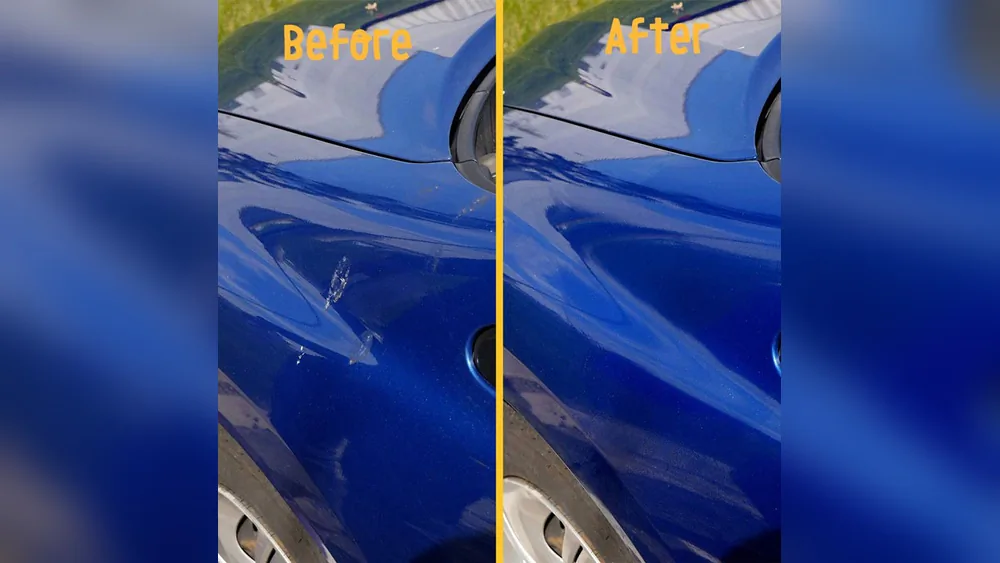
Every car owner knows that feeling: you park under a shady tree to escape the sun, only to return and find sticky tree sap on your car’s paint. It might look harmless at first, but sap can cause real damage to your car’s finish if left untreated. Removing it isn’t as simple as washing with soap and water. In fact, the wrong cleaning method can scratch or even discolor your paint. If you want to keep your car looking shiny and protect its value, knowing how to safely remove tree sap is essential.
This guide will walk you through every step, from the first signs of sap to advanced removal methods. You’ll learn which tools work best, what to avoid, and tips only experienced car owners know. Whether you’re dealing with a few spots or a sticky mess, you’ll be ready to tackle tree sap without hurting your car’s paint.
Why Tree Sap Is A Problem For Car Paint
Tree sap is more than just a sticky nuisance. It’s a complex mix of sugars, acids, and organic compounds. When sap lands on your car, sunlight and heat can harden it. Over time, this hardened sap acts like glue, trapping dirt and pollutants. Worse, the chemicals in sap can eat into the clear coat and eventually the paint itself.
If you ignore sap for too long, you might notice dull spots, stains, or even etching that require expensive professional repair. According to car care experts, paint damage can start within days in hot weather, especially if sap is left on dark-colored cars.
Tools And Products You Need
Having the right tools makes sap removal safer and more effective. Here’s what you’ll need:
- Microfiber towels: These are soft and won’t scratch your paint.
- Bucket of warm water: Helps soften sap and loosen dirt.
- Automotive soap: Designed for cars, not dish soap.
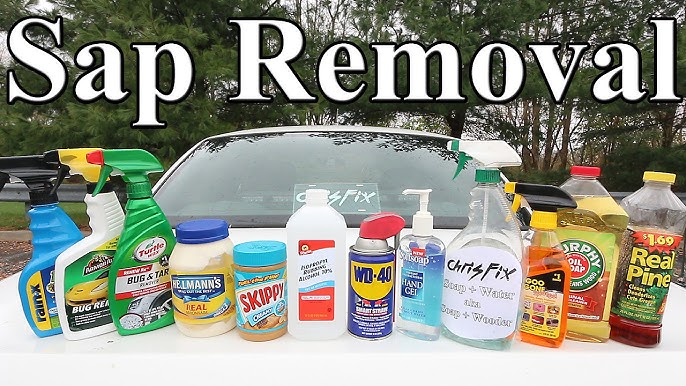
- Isopropyl alcohol (rubbing alcohol): At least 70% concentration.
- Bug and tar remover: Choose a brand safe for clear coats.
- Plastic razor blade or old credit card: For hardened sap (never use metal blades).
- Clay bar kit: For stubborn residue.
- Car wax or sealant: To protect the finish after cleaning.
- Disposable gloves: To protect your skin from chemicals.
Some products, like commercial sap removers, can be more aggressive. Always check the label to ensure it’s safe for automotive paint.
Step-by-step: How To Remove Tree Sap From Car Paint
1. Act Quickly
The longer sap sits, the harder it becomes to remove. Whenever possible, try to clean sap within the first 24 hours.
2. Wash The Area
Start by rinsing the sap spot with water. Use automotive soap and a microfiber towel to gently wash the area. This removes surface dirt and prevents scratching during sap removal.
3. Soften The Sap
If the sap is still sticky, soak a clean microfiber towel in warm water. Lay it over the sap for 5-10 minutes. This helps soften the sap, making it easier to remove without scrubbing.
4. Test A Small Area
Before using any chemical remover, test it on a small, hidden part of your car. Some products can dull or discolor certain finishes.
5. Use Isopropyl Alcohol
Pour a small amount of isopropyl alcohol onto a microfiber towel or cotton ball. Gently rub the sap in a circular motion. The alcohol breaks down the sap but is generally safe for clear coats.
6. Try Bug And Tar Remover
If alcohol doesn’t work, use a bug and tar remover. Follow the instructions on the bottle. Usually, you’ll apply it, let it sit for a few minutes, then gently wipe away.
7. Remove Hardened Sap
For sap that’s baked on, use a plastic razor blade or an old credit card. Hold the blade flat and gently lift the edge of the sap. Never use a metal blade, as it will scratch your paint.
8. Clay Bar Treatment
For tiny sap spots or leftover residue, use a clay bar. Lubricate the area with the included spray, then glide the clay over the paint. It will pick up any remaining sap and leave the surface smooth.
9. Wash And Protect
After sap removal, wash the area again with soap and water. Dry with a clean towel, then apply car wax or sealant to restore protection.
Comparing Sap Removal Methods
Different sap removal methods work better for different situations. Here’s a quick comparison:
| Method | Effectiveness | Best For | Risk to Paint |
|---|---|---|---|
| Warm Water & Soap | Low | Fresh sap | None |
| Isopropyl Alcohol | High | Most sap spots | Low |
| Bug & Tar Remover | High | Stubborn sap | Medium |
| Clay Bar | Medium | Leftover residue | Low |
| Plastic Razor Blade | Medium | Hardened sap | Medium |
What Not To Do When Removing Sap
Some common mistakes can make the situation worse. Avoid these errors:
- Scrubbing with abrasive sponges: This can cause swirl marks or scratches.
- Using nail polish remover or paint thinner: These harsh chemicals can damage your clear coat.
- Letting sap bake in the sun: Heat makes sap harder to remove and increases the chance of paint damage.
- Using high-pressure washers directly on sap: This can push sap deeper into the paint or spread it around.
How Long Can Sap Stay Before Causing Damage?
Tree sap can start damaging car paint in as little as 48 hours during hot weather. Research from automotive paint manufacturers shows that after one week, the risk of permanent stains and etching rises sharply. On dark-colored cars, sap damage is often visible within days. That’s why quick action is so important.
Here’s a timeline of sap risks:
| Time on Paint | Potential Damage |
|---|---|
| 0-24 hours | Usually safe, easy removal |
| 1-3 days | Sap hardens, risk of surface stains |
| 4-7 days | Clear coat etching starts |
| 7+ days | Deep stains, permanent paint damage |

Credit: www.fresh-layer.com
Professional Vs. Diy Sap Removal
Should you remove sap yourself, or call a pro? Most sap spots can be handled at home with the right tools and patience. However, there are times when professional help is best:
- Large, hardened sap spots covering a big area
- Visible paint damage or dull spots after cleaning
- Luxury or specialty paint jobs where the risk is higher
Professional detailers use advanced products and techniques, but costs can range from $75 to $200 for sap removal and paint correction.
Preventing Tree Sap On Your Car
The best way to deal with sap is to avoid it in the first place. Here are some prevention tips:
- Avoid parking under trees, especially pine, maple, and sycamore.
- Use a car cover if you must park outdoors.
- Wash your car regularly, at least twice a month.
- Apply a quality wax or sealant every few months to protect the paint.
These simple steps can save you a lot of time and money on repairs.
Credit: www.youtube.com
Non-obvious Insights For Sap Removal
Most guides miss a few important points:
- Temperature matters: Sap is softer and easier to remove in the early morning or after rain, when the air is cooler. Don’t try to clean sap on a hot panel—wait for shade or a cool day.
- Check other surfaces: Sap can land on glass, trim, and even plastic. Different surfaces need different cleaners. For example, alcohol can damage some rubber seals, so always check before using.
- Multiple treatments may be needed: Some sap spots won’t come off in one go. It’s safer to repeat gentle treatments than to scrub aggressively.
- Test wax afterward: After sap removal, always check if water beads on the cleaned area. If not, reapply wax to restore protection.
When To Seek Professional Help
If you’ve tried all the safe methods and the sap still won’t budge, it’s time to see a pro. Signs you need expert help include:
- White, cloudy, or dull spots that don’t polish out
- Sticky residue that returns after cleaning
- Multiple layers of old sap or unknown stains
A professional detailer can assess the damage and use advanced tools, like machine polishers, that aren’t safe for home use.

Credit: blisscarwash.com
Frequently Asked Questions
What Is The Fastest Way To Remove Tree Sap From Car Paint?
The fastest safe method is to soften the sap with a warm, damp towel, then gently rub with isopropyl alcohol on a microfiber towel. For fresh sap, this can work in minutes. Always test on a small area first.
Will Wd-40 Remove Tree Sap From Car Paint?
Yes, WD-40 can help loosen sap. Spray a small amount on a cloth, rub gently, and wash the area afterward. However, always rinse thoroughly, as WD-40 can leave an oily residue.
Does Tree Sap Damage Car Wax Or Sealant?
Yes, sap can break down wax and sealant layers. After sap removal, always check the area and reapply wax to ensure your paint stays protected.
Can Tree Sap Be Removed From Older Cars Or Oxidized Paint?
Sap can be removed from older paint, but be extra gentle. Oxidized paint is softer and can scratch easily. Use the mildest method possible and avoid plastic blades.
What If Sap Lands On My Windshield Or Windows?
Sap on glass is less risky. Use rubbing alcohol or a commercial glass cleaner and a non-scratch pad. Avoid razor blades on tinted windows.
For more details on car paint care, you can visit the Automotive Paint Wikipedia page.
Tree sap doesn’t have to ruin your car’s looks. With quick action and the right tools, you can remove sap safely at home and keep your paint shining for years. Taking a few simple prevention steps will make sap problems a rare event, not a regular headache.
Related posts
 Why You Should Use a Foam Cannon for Car Washing: Ultimate Guide
Washing your car is more than just making it look good. It protects the paint, keeps the value high, and makes driving feel better. But if…
 How to Clean Leather Seats Without Damaging Them: Expert Tips
Keeping your leather seats clean can be a challenge. Leather looks beautiful and feels luxurious, but it needs special care. Many people worry about damaging their…
 Why Using a Ceramic Coating Spray is Important for Your Car’s Shine
If you care about your car’s appearance and value, you probably wash and wax it regularly. But did you know there’s a better way to protect…