
How to Remove Grease Stains from Car Upholstery Fast and Easy
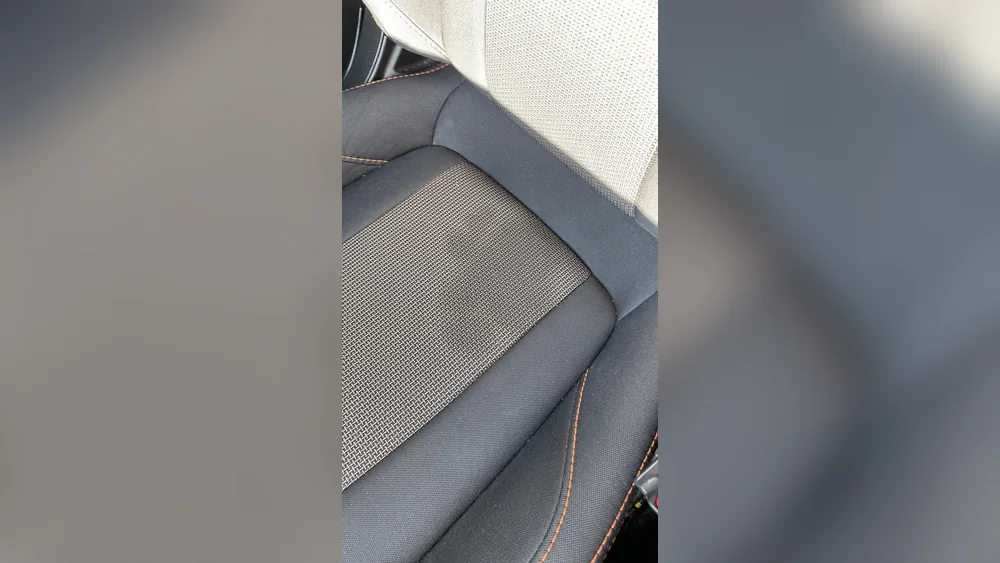
Grease stains on car upholstery are more than just an eyesore. They can make your car look neglected, cause unpleasant odors, and even lower the resale value. Many car owners struggle with these stubborn marks, often making them worse by using the wrong cleaning methods.
Whether you spilled fast food or had a DIY mishap, getting rid of grease stains is possible if you know the right steps. In this guide, you’ll learn proven techniques to remove grease stains from car upholstery, practical tips to prevent future stains, and real-world advice that most beginners overlook.
By the end, your car seats can look fresh again—without expensive professional cleaning.
Understanding Grease Stains
Grease stains are different from other marks because they come from oily substances like food, engine oil, or lotions. The oil molecules stick deeply to fabric fibers, making them harder to clean than mud or water-based spills. If not treated quickly, grease can spread and attract more dirt, making the stain even worse.
There are several types of upholstery in cars—cloth, leather, and synthetic materials. Each needs a slightly different cleaning approach. For example, leather is sensitive to harsh chemicals, while cloth can absorb grease quickly. Knowing your upholstery type is the first step to successful stain removal.
Essential Tools And Supplies
Before you start, gather the right supplies. Using the wrong tools can make the stain permanent or damage your seats.
- Microfiber cloths: These pick up oil without spreading it.
- Soft-bristle brush: Helps loosen grease from fibers.
- Vacuum cleaner: Removes loose dirt before cleaning.
- Grease-cutting cleaner: Look for products labeled “degreaser” or “oil remover.”
- Dish soap: Effective for most cloth seats.
- White vinegar: Useful for stubborn marks.
- Baking soda: Absorbs lingering odors and moisture.
- Spray bottle: For applying cleaning solutions.
- Warm water: Helps dissolve oil.
For leather seats, you may need a special leather cleaner and conditioner to avoid drying out the material. Always check your car manual or test products in a hidden area first.
Step-by-step Methods For Removing Grease Stains
Cleaning grease stains is a process—not a single step. Rushing or skipping parts can leave marks behind. Here’s how to tackle the problem effectively.
1. Act Quickly
The sooner you treat a grease stain, the easier it is to remove. Fresh stains haven’t soaked deeply yet. Blot the area with a dry microfiber cloth to absorb as much grease as possible. Don’t rub—this pushes the stain deeper.
2. Pre-clean The Area
Vacuum the upholstery to remove loose dirt. This prevents dirt from mixing with the cleaning solution, which can cause streaks.
3. Apply A Grease-cutting Solution
Mix a few drops of dish soap in warm water. Dish soap breaks down oil molecules. Use a spray bottle to lightly mist the stained area. Let it sit for 5-10 minutes to loosen the grease.
For tough stains, use a commercial degreaser. Always follow instructions and avoid oversaturating the seat.
4. Gently Scrub
Use a soft-bristle brush to gently work the solution into the fabric. Move in small circles. If the stain is large, clean from the outside in to avoid spreading.
5. Blot And Rinse
Blot the area with a clean, damp microfiber cloth. Repeat until most of the grease is gone. Avoid soaking the seat; moisture can cause mold.
6. Treat Stubborn Stains
If the stain remains, mix equal parts white vinegar and water in a spray bottle. Lightly spray and let sit for 5 minutes. Vinegar helps break down remaining oil.
For extra stubborn marks, sprinkle baking soda over the damp area. Let it sit for 15-20 minutes, then vacuum. Baking soda absorbs oil and removes odors.
7. Dry And Inspect
Use a dry cloth to blot any remaining moisture. Let the upholstery air dry. Check for any leftover stain. If needed, repeat steps until the area is clean.
8. Condition Leather Seats
If you cleaned leather, apply a leather conditioner to prevent drying and cracking. This restores shine and protects against future stains.
Comparing Cleaning Solutions
Choosing the right cleaning solution can make a big difference. Here’s a quick comparison of common options:
| Cleaning Solution | Best For | Effectiveness | Average Cost |
|---|---|---|---|
| Dish Soap & Water | Cloth Seats | Moderate | $0.50 |
| Commercial Degreaser | Heavy Stains | High | $5-$15 |
| White Vinegar | Old Stains | Moderate | $1 |
| Leather Cleaner | Leather Seats | High | $10-$20 |
Common Mistakes To Avoid
Beginners often make errors that make grease stains worse. Avoid these mistakes:
- Using hot water: Hot water can set the stain, making it permanent.
- Rubbing aggressively: This pushes oil deeper into the fabric.
- Skipping pre-cleaning: Dirt mixed with cleaning solution creates more stains.
- Using bleach: Bleach can discolor upholstery and damage fibers.
- Over-wetting the seat: Excess moisture leads to mold and mildew.
A useful tip: Always use gentle pressure and clean in small sections.
Upholstery Types: What You Need To Know
Different materials react differently to grease and cleaning solutions. Here’s a comparison:
| Upholstery Type | Grease Resistance | Best Cleaning Method | Drying Time |
|---|---|---|---|
| Cloth | Low | Dish Soap & Degreaser | 2-4 hours |
| Leather | Medium | Leather Cleaner & Conditioner | 1-2 hours |
| Synthetic | High | Mild Soap & Vinegar | 1-3 hours |

Credit: www.reddit.com
Real-world Examples And Statistics
According to a 2026 survey by the International Carwash Association, over 30% of car owners reported grease stains as their most stubborn cleaning problem. Professional cleaning for grease stains can cost between $50-$150 per seat, depending on material and stain severity.
A practical example: After spilling pizza grease on cloth upholstery, one car owner followed the dish soap method. The stain faded by 80% after the first cleaning and disappeared completely after a second round with vinegar and baking soda. This shows how patience and the right products matter.
Advanced Tips Most Beginners Miss
Many guides skip these, but they make a real difference:
- Test cleaners in a hidden area: Upholstery colors and materials can react differently. Always do a patch test to prevent discoloration.
- Use a wet/dry vacuum: After cleaning, a wet/dry vacuum helps remove deep moisture and remaining oil, speeding up drying time.
- Protect with fabric spray: After cleaning, use a fabric protector spray to help prevent future stains and make cleaning easier.
Credit: www.reddit.com
Preventing Future Grease Stains
Prevention saves time and money. Here’s how to keep your car seats grease-free:
- Eat outside the car: Most grease stains come from food spills.
- Use seat covers: Easy to wash and replace.
- Keep cleaning wipes: Quick action stops stains from setting.
- Regularly vacuum: Removes crumbs and dirt that attract oil.
- Apply protective sprays: These create a barrier against stains.
A small investment in prevention avoids big cleaning problems later.
When To Seek Professional Help
Sometimes stains are too tough for home cleaning. If you notice:
- Large, deep stains that won’t fade after several attempts
- Bad odor that lingers even after cleaning
- Discoloration or damage to upholstery
Professional detailers have stronger products and equipment. They can restore seats and save you money by preventing permanent damage. For more guidance, visit the Consumer Reports upholstery cleaning guide.

Credit: www.reddit.com
Frequently Asked Questions
How Can I Remove Old Grease Stains From Car Upholstery?
For old stains, start by blotting with a dry cloth. Mix dish soap and water, apply, and scrub gently. If needed, use white vinegar and baking soda. Repeat until the stain fades.
Is It Safe To Use Vinegar On Leather Seats?
Vinegar is not recommended for leather—it can dry out and damage the surface. Use a leather-specific cleaner and conditioner for best results.
Can I Use Laundry Detergent Instead Of Dish Soap?
Laundry detergent can work, but it may leave residue or cause fading. Dish soap is safer for upholstery and more effective at breaking down grease.
How Long Does It Take For Seats To Dry After Cleaning?
Drying time depends on material and moisture level. Cloth seats may take 2-4 hours, leather 1-2 hours, and synthetic materials 1-3 hours. Speed up drying by using a fan or wet/dry vacuum.
What’s The Best Way To Prevent Grease Stains In My Car?
Use seat covers, avoid eating in the car, keep cleaning wipes handy, and apply fabric protector sprays. Regular vacuuming also helps prevent stains.
Grease stains may seem impossible at first, but with the right tools and methods, you can restore your car’s upholstery. Acting quickly, choosing the right cleaner, and following proven steps make all the difference. Remember to test products, avoid common mistakes, and use prevention to keep your seats looking their best.
If stains persist, professional cleaning can help. With these tips, you’ll enjoy a cleaner, fresher car interior—free from greasy marks.
Related posts
 Why You Should Use a Foam Cannon for Car Washing: Ultimate Guide
Washing your car is more than just making it look good. It protects the paint, keeps the value high, and makes driving feel better. But if…
 How to Clean Leather Seats Without Damaging Them: Expert Tips
Keeping your leather seats clean can be a challenge. Leather looks beautiful and feels luxurious, but it needs special care. Many people worry about damaging their…
 Why Using a Ceramic Coating Spray is Important for Your Car’s Shine
If you care about your car’s appearance and value, you probably wash and wax it regularly. But did you know there’s a better way to protect…