
How to Remove Dirt And Grime from Car Seats: Expert Tips
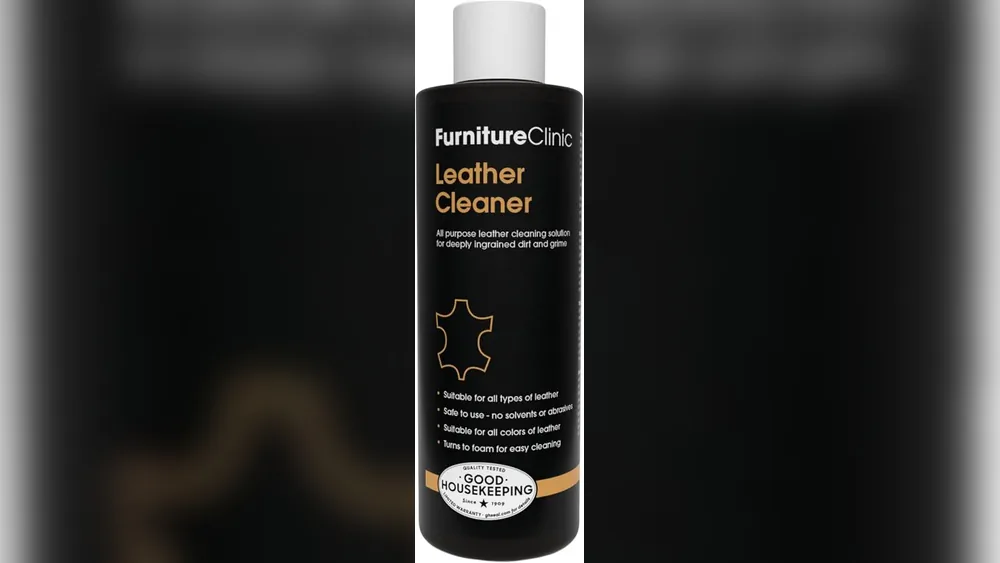
Keeping your car seats clean is not just about looks. Clean seats help your car feel fresh, avoid bad smells, and protect your health. Over time, dirt and grime build up from daily use, food spills, sweat, and dust. Many drivers ignore seat cleaning, but it makes a big difference. Whether you drive daily or only on weekends, cleaning your car seats the right way keeps your car comfortable and keeps its value high.
Some people worry about damaging the seats or using the wrong products. In this article, you’ll learn safe and effective ways to remove dirt and grime from car seats. You’ll find practical advice for fabric, leather, and vinyl seats, tips for stubborn stains, and common mistakes to avoid.
After reading, you’ll know exactly what to do, what to use, and how to keep your seats spotless for longer.
Understanding Car Seat Materials
Before cleaning, you must know your seat type. Different materials need different care:
Fabric Seats
Most cars use fabric seats. They absorb sweat, liquids, and dust easily. Cleaning fabric seats requires removing deep dirt.
Leather Seats
Leather seats look premium but are sensitive to harsh chemicals. They can crack or fade if cleaned wrong.
Vinyl Seats
Vinyl seats are less common but easy to clean. Vinyl resists water and stains, but can lose shine with age.
Identifying your seat material is important. If unsure, check your car manual or look for tags under the seat.
Essential Cleaning Supplies
You don’t need expensive products. Here’s what works best for most seats:
- Vacuum cleaner (with brush and crevice tools)
- Soft-bristle brush
- Microfiber cloths
- Bucket of warm water
- Mild soap or car upholstery cleaner
- Leather cleaner/conditioner (for leather seats)
- Spray bottle
- White vinegar (for tough odors)
- Baking soda (for deodorizing)
Avoid using bleach or strong chemicals. They can damage the material and fade colors.

Credit: meguiarsdirect.com
Step-by-step Cleaning Guide
Follow these steps for a thorough clean. Adjust the process for your seat type.
1. Remove Loose Debris
Start by taking out trash, wrappers, and anything on the seats. Move the seats forward and back to check under and between cushions.
2. Vacuum Seats
Use a vacuum with a brush attachment. Focus on seams, crevices, and edges. This removes dust and crumbs that would spread during wet cleaning.
3. Pre-treat Stains
If you see stains, treat them first. Spray a small amount of upholstery cleaner or mild soap solution directly on the stain. Let it sit for 3–5 minutes.
For tough stains (like coffee or ink), use a mix of one part white vinegar to two parts water. Dab, don’t rub, to avoid spreading.
4. Clean Fabric Seats
Mix mild soap with warm water. Dip a soft-bristle brush in the solution. Gently scrub the seat in circles. Wipe with a damp microfiber cloth.
Repeat for deep stains, but don’t soak the seat. Too much water can cause mold.
5. Clean Leather Seats
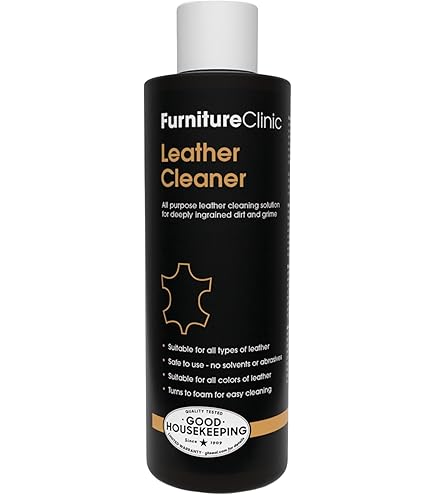
Use a leather cleaner or mild soap. Spray on a microfiber cloth, not directly on the seat. Wipe gently. Avoid using too much water.
Dry the seat with a clean cloth. Apply a leather conditioner to keep the material soft and prevent cracks.
6. Clean Vinyl Seats
Use warm water and mild soap. Wipe with a microfiber cloth. Vinyl is water-resistant, so you can use more water, but don’t let it pool.
7. Dry The Seats
After cleaning, open the car doors or windows. Let seats air dry fully. Sitting on wet seats can cause stains and smells.
8. Deodorize (optional)
For lingering smells, sprinkle baking soda on fabric seats. Leave for 15–30 minutes, then vacuum. For leather and vinyl, use a dedicated deodorizer.
Table: Cleaning Methods By Seat Material
Here is a quick comparison of cleaning techniques for each seat type:
| Seat Material | Cleaning Solution | Tools Needed | Special Care |
|---|---|---|---|
| Fabric | Mild soap, water, vinegar | Brush, vacuum, microfiber cloth | Do not oversaturate |
| Leather | Leather cleaner/conditioner | Microfiber cloth, vacuum | No harsh chemicals |
| Vinyl | Mild soap, water | Microfiber cloth, vacuum | Avoid abrasives |
Tips For Stubborn Dirt And Grime
Some dirt is hard to remove, especially if it’s been there for months. Here’s what works:
- Steam cleaning: Rent or buy a steam cleaner for fabric seats. Steam lifts deep dirt without soaking.
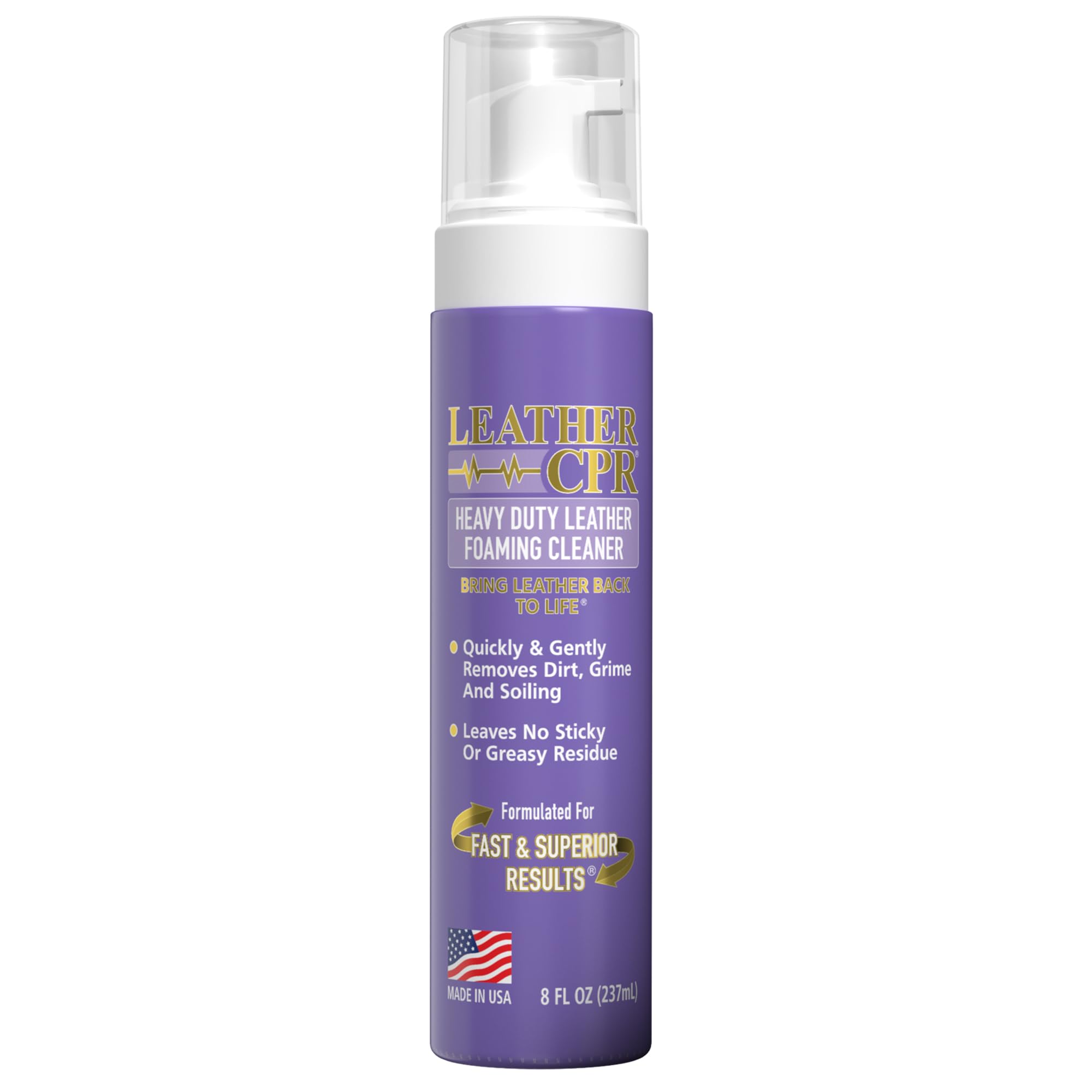
- Foam cleaners: These work on old stains. Spray, let it sit, then scrub.
- Magic erasers: Good for vinyl seats and armrests, but avoid using on leather.
- Repeated cleaning: Sometimes, two or three rounds are needed for heavy grime.
Many beginners miss the importance of patience. Rushing the process can leave stains or cause damage.
Table: Stain Removal Methods And Effectiveness
Check how different methods perform for common stains:
| Stain Type | Best Removal Method | Effectiveness | Safety |
|---|---|---|---|
| Coffee/Tea | Vinegar solution, foam cleaner | High | Safe for fabric |
| Ink | Alcohol-based wipes, vinegar solution | Medium | Test on hidden area |
| Oil/Grease | Baking soda, mild soap | Medium-High | Safe for all materials |
| Pet Stains | Enzyme cleaner | High | Safe for fabric/vinyl |
Credit: www.amazon.com
Common Mistakes To Avoid
Many drivers make simple errors when cleaning seats. Here are mistakes and how to avoid them:
- Using too much water: This can cause mold in fabric seats.
- Harsh chemicals: Bleach or ammonia damages leather and fades fabric.
- Not testing cleaners: Always test new products on a hidden area.
- Skipping vacuuming: Dirt spreads when you clean wet.
- Rubbing stains: This can make stains bigger. Always dab.
Another mistake beginners miss is ignoring drying time. Sitting on damp seats can lead to bad smells and new stains.
Protecting Your Car Seats After Cleaning
Keeping seats clean is easier than deep cleaning often. Here’s how:
- Use seat covers: They protect from spills and dirt.
- Avoid eating in the car: Food crumbs and spills are hard to remove.
- Clean regularly: Vacuum seats weekly, wipe spills quickly.
- Apply protectants: For leather and vinyl, use protectant sprays to repel dirt.
If you live in a humid climate, open windows or use fans after cleaning. This prevents moisture and mold.
Table: Maintenance Frequency Guide
Here’s how often you should clean and protect your seats:
| Task | Recommended Frequency | Benefits |
|---|---|---|
| Vacuuming | Weekly | Removes dirt, prevents buildup |
| Deep Cleaning | Every 2–3 months | Removes stains and odors |
| Leather Conditioning | Every 3–6 months | Prevents cracks, keeps soft |
| Deodorizing | As needed | Freshens air, removes smells |
Non-obvious Insights For Beginners
Many people forget that sunlight can fade seats. Parking in shaded areas or using window shades helps keep colors bright.
Another overlooked tip: Rotate seat covers if you use them. This spreads wear evenly and keeps the seats looking new.
If your car has heated seats, check the manual before using water-based cleaners. Some heated seats are sensitive to moisture.
Finally, always keep a small cleaning kit in your car. Quick cleanups after spills prevent long-term stains.
Credit: www.amazon.com
When To Seek Professional Help
Some stains and smells won’t go away, no matter what you try. If you notice mold, strong odors, or deep, old stains, consider professional cleaning. Experts have tools and chemicals that are safe and effective.
Professional cleaning costs between $50–$150 depending on seat material and stain type. You can find trusted services by checking local reviews or visiting Autotrader.
Frequently Asked Questions
How Often Should I Clean My Car Seats?
Most experts suggest vacuuming weekly and deep cleaning every 2–3 months. Clean spills right away to avoid stains.
What Is The Safest Cleaner For Fabric Car Seats?
A mix of mild soap and water works for most stains. For tougher dirt, use an upholstery cleaner made for cars.
Can I Use Vinegar To Clean Leather Seats?
Vinegar can dry out leather. It’s best to use a leather cleaner and conditioner made for car interiors.
How Do I Remove Pet Odors From Car Seats?
Use an enzyme cleaner for pet stains and smells. Sprinkle baking soda for extra odor removal, then vacuum.
Should I Use A Steam Cleaner On All Car Seats?
Steam cleaners are great for fabric seats but not for leather. High heat can damage leather and vinyl.
Keeping your car seats clean is easier than you think. With the right tools and methods, you can remove dirt and grime quickly and safely. Regular cleaning keeps your car fresh, extends seat life, and makes driving more enjoyable. Start today, and you’ll see—and feel—the difference every time you get behind the wheel.
Related posts
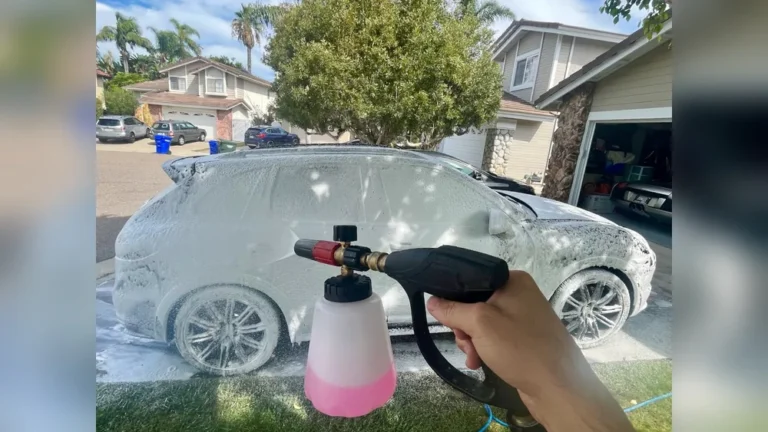 Why You Should Use a Foam Cannon for Car Washing: Ultimate Guide
Washing your car is more than just making it look good. It protects the paint, keeps the value high, and makes driving feel better. But if…
 How to Clean Leather Seats Without Damaging Them: Expert Tips
Keeping your leather seats clean can be a challenge. Leather looks beautiful and feels luxurious, but it needs special care. Many people worry about damaging their…
 Why Using a Ceramic Coating Spray is Important for Your Car’s Shine
If you care about your car’s appearance and value, you probably wash and wax it regularly. But did you know there’s a better way to protect…