
How to Protect Car Upholstery from Stains: Expert Tips
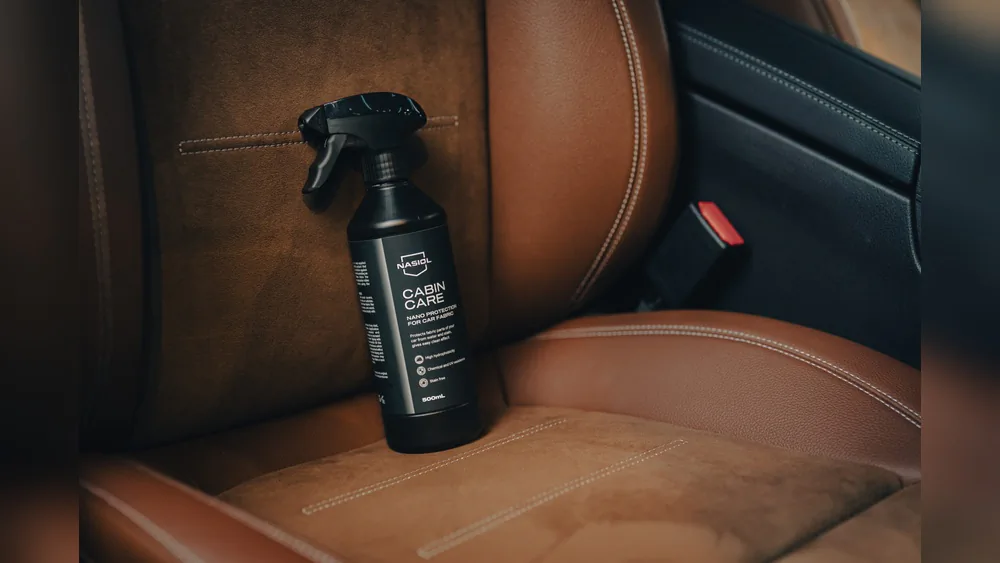
Keeping your car’s interior clean and fresh isn’t just about looks—it protects your investment and makes every drive more comfortable. Car upholstery stains can be frustrating, especially if you’ve just spent time or money keeping your car spotless. From coffee spills to muddy shoes, daily life brings many threats to your seats. But with the right strategies, you can prevent most stains before they happen. In this guide, you’ll discover practical ways to protect car upholstery, learn which products and habits make the biggest difference, and even see how small changes can save you money in the long run.
Understanding Car Upholstery And Common Stains
Car upholstery usually comes in fabric, leather, or synthetic materials like vinyl. Each type has its own weaknesses. For example, fabric absorbs liquids quickly, leather can crack if exposed to water and chemicals, and vinyl may discolor from harsh cleaners.
The most common stains include:
- Food and drink spills (coffee, soda, ketchup)
- Mud and dirt from shoes or pets
- Grease and oil from mechanical work
- Sweat and body oils
- Ink and pen marks
According to a survey by the International Carwash Association, over 60% of car owners admit to eating in their vehicles at least once a week, which increases the risk of stains. Understanding your car’s upholstery type and the most likely stains helps you choose the right protection methods.
Regular Maintenance: Your First Defense
Routine cleaning is the best way to prevent stains from becoming permanent. Small actions, done often, can make a huge difference.
- Vacuum weekly: Dirt and crumbs rub into fabric, causing stains over time. A quick vacuum removes these before they get ground in.
- Wipe surfaces: Use a damp microfiber cloth to clean leather or vinyl. For fabric, a dry cloth works best unless you spot a spill.
- Spot clean immediately: If you notice a spill, blot (don’t rub) it with paper towels or a cloth. Rubbing spreads the stain and pushes it deeper.
Many drivers skip regular cleaning, thinking a deep clean once a year is enough. But neglect leads to stubborn stains, making cleaning harder and more expensive.
Choosing The Right Seat Covers
Seat covers are one of the easiest and most effective ways to guard against stains. They act as a barrier, catching spills and dirt before they reach the upholstery.
Here’s a quick comparison of popular seat cover materials:
| Material | Water Resistance | Ease of Cleaning | Comfort |
|---|---|---|---|
| Neoprene | Excellent | Easy (machine washable) | High |
| Leatherette | Good | Easy (wipe clean) | Medium |
| Canvas | Moderate | Easy (machine washable) | Medium |
| Velour | Poor | Difficult (needs special care) | High |
Neoprene seat covers are popular for families and pet owners because they resist spills and can be washed easily. Leatherette is a good option for style and quick cleaning. Choose covers that fit your seats snugly—they protect better and look nicer.
Using Protective Sprays And Treatments
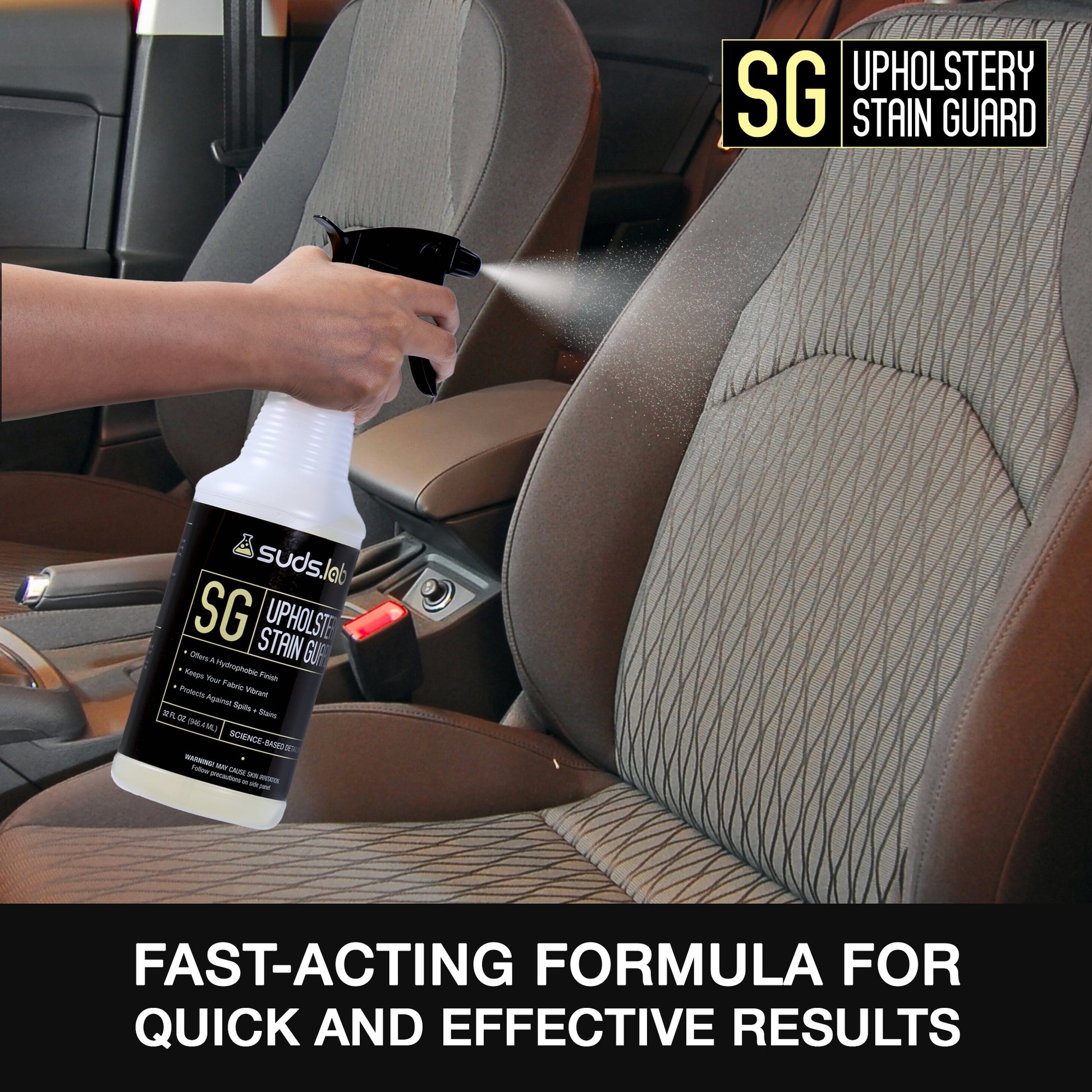
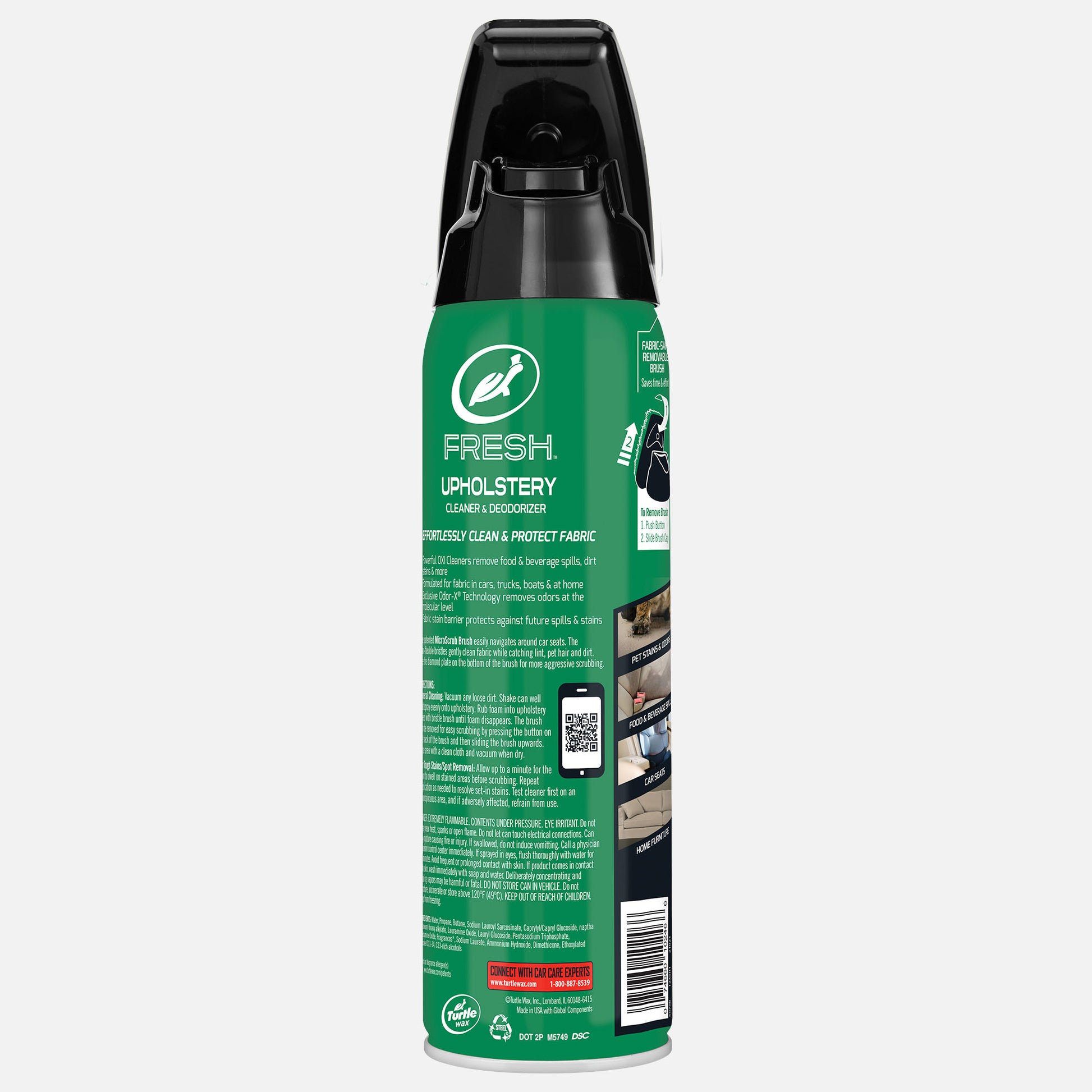
Many car owners don’t realize that fabric protectors and leather conditioners create an invisible shield against stains. These sprays and treatments are easy to use and help repel liquids and dirt.
Fabric Protectors
Products like Scotchgard or Armor All can be sprayed onto fabric seats. They make spills bead up instead of soaking in, giving you time to clean up before a stain sets.
- Apply after cleaning, when seats are dry
- Reapply every few months for lasting protection
- Always test on a small area first
Leather Conditioners
Leather needs regular conditioning to stay soft and resist cracking. Conditioners also help block stains from sweat and spills.
- Use conditioner once every 2–3 months
- Wipe off excess to avoid slippery seats
- Avoid products with harsh chemicals
A non-obvious tip: Many people skip the headrests and seat backs when applying sprays, but these areas are just as likely to get stained.
Credit: www.suds-lab.com
Smart Habits To Prevent Stains
Changing a few habits can reduce stain risk dramatically. Here are some practical ideas:
- Eat and drink outside the car: If you must, use spill-proof mugs and containers.
- Keep wet wipes handy: Quick access means you can clean spills before they dry.
- Ask passengers to wipe shoes: Place a small mat at the door or remind kids to check their shoes.
- Cover seats for pets: Use a dedicated pet cover or blanket when traveling with animals.
Most stains happen because people don’t act fast enough. Having cleaning supplies nearby is a simple but often overlooked solution.
Protecting Carpets And Floor Mats
Car upholstery isn’t just about seats—carpets and floor mats also need protection.
| Type | Protection Level | Best For |
|---|---|---|
| Rubber Mats | Excellent | Rainy/snowy areas, heavy use |
| Carpet Mats | Moderate | Light use, dry climates |
| All-weather Mats | High | Families, outdoor activities |
Rubber mats catch mud, water, and spills and are easy to rinse. All-weather mats combine good looks with practicality. Remember to clean mats regularly—a dirty mat can transfer stains to carpet underneath.
Credit: www.turtlewax.com
Quick Response: How To Treat Spills Before They Stain
Acting fast is key. Here’s what to do when a spill happens:
- Blot, don’t rub: Use a paper towel or cloth to soak up as much liquid as possible.
- Apply cold water: For most stains, cold water helps lift them. Avoid hot water—it can set stains, especially on protein-based spills like milk or blood.
- Use mild soap: Mix a little dish soap with water. Dab gently and continue blotting.
- Dry completely: Moisture leads to mold and bad smells. Use a fan or leave windows open.
Many people think rubbing hard will clean better, but it actually makes stains worse. Always blot gently and repeat as needed.
Professional Cleaning Vs. Diy
Sometimes, a stain is too tough for home methods. Professional cleaning uses special tools and chemicals to remove deep stains and odors.
Pros Of Professional Cleaning
- Removes stubborn stains and smells
- Safe for all upholstery types
- Extends the life of your seats
Cons
- Can be expensive (average cost: $100–$200 per visit)
- Seats may be wet for several hours after cleaning
DIY cleaning is cheaper but needs careful product selection. Using the wrong cleaner can damage your upholstery and void warranties. Always check your car manual for cleaning guidelines.

Credit: www.amazon.com
Extra Tips For Long-term Protection
- Tint your windows: UV rays fade upholstery and make stains harder to remove. Window tint reduces sun damage.
- Use sunshades: Parked cars get hot. Sunshades protect seats from heat and light.
- Rotate seat covers: Wash and rotate covers every few months. This prevents wear and keeps protection strong.
A tip many overlook: Check under the seats and in crevices. Dirt and spills collect here and slowly stain the edges of upholstery. A small brush or vacuum attachment reaches these hidden spots.
Product Comparison: Top-rated Upholstery Protectors
Finding the right protector can be confusing. Here’s a comparison of top products for different upholstery types:
| Product | Upholstery Type | Protection Level | Application Frequency |
|---|---|---|---|
| Scotchgard Auto | Fabric | High | Every 3–4 months |
| Meguiar’s Gold Class | Leather | Medium | Every 2–3 months |
| Armor All Original | Vinyl | High | Monthly |
Always read product instructions and test in an unseen area first. Some protectors may change the color or texture of your seats if used incorrectly.
How Weather And Environment Affect Upholstery
Weather plays a big role in upholstery stains. Humid climates can cause mold and mildew, while dry areas lead to cracking and fading. If you live in a rainy or snowy region, invest in waterproof seat covers and rubber mats. For hot, sunny locations, choose UV-resistant products.
A non-obvious insight: Even air pollution can settle on seats, especially if you drive with windows down. Regular cleaning keeps these particles from causing stains.
Frequently Asked Questions
How Often Should I Clean My Car Upholstery To Prevent Stains?
Most experts recommend vacuuming and wiping seats every week. Deep cleaning should be done every 2–3 months, or after major spills. Regular maintenance stops stains from setting.
Can I Use Household Cleaners On Car Seats?
It depends on the material. For fabric, mild soap and water is safe. For leather and vinyl, use cleaners made for cars. Avoid bleach or ammonia—they can damage upholstery and cause fading.
What’s The Best Way To Protect Car Upholstery From Pet Stains?
Use dedicated pet seat covers, wash them regularly, and brush pets before car rides. Keep cleaning wipes handy for quick clean-ups. Consider all-weather mats for extra protection.
Is Professional Cleaning Worth The Cost?
If you have tough stains or odors, professional cleaning is effective and safe. It costs more but can prevent damage that lowers your car’s value. DIY is fine for light stains and regular care.
Do Seat Covers Make Car Seats Less Comfortable?
Quality seat covers fit snugly and add comfort. Some materials, like neoprene and velour, feel soft and cushiony. Make sure covers don’t slip or bunch up, which can be uncomfortable and less protective.
Protecting your car upholstery from stains isn’t difficult—it just takes the right habits and products. By combining regular cleaning, smart habits, and protective covers, you can keep your car looking new for years. Small investments in prevention pay off, reducing cleaning costs and boosting your car’s resale value. For more detailed care tips, visit the Consumer Reports car care guide. Every drive becomes more enjoyable when your car interior stays clean and stain-free.
Related posts
 Why You Should Use a Foam Cannon for Car Washing: Ultimate Guide
Washing your car is more than just making it look good. It protects the paint, keeps the value high, and makes driving feel better. But if…
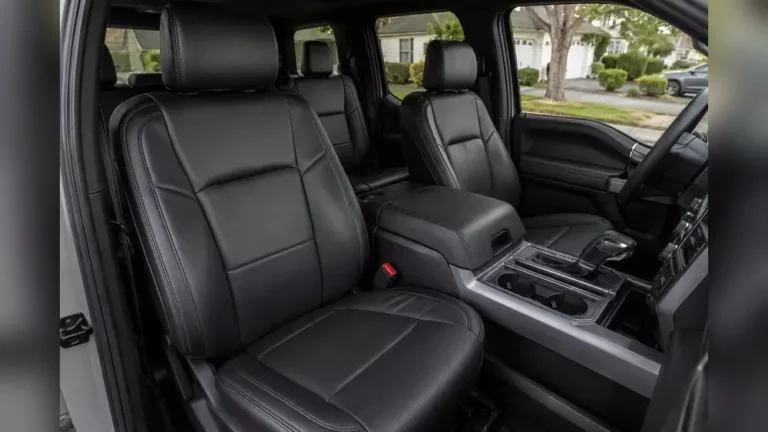 How to Clean Leather Seats Without Damaging Them: Expert Tips
Keeping your leather seats clean can be a challenge. Leather looks beautiful and feels luxurious, but it needs special care. Many people worry about damaging their…
 Why Using a Ceramic Coating Spray is Important for Your Car’s Shine
If you care about your car’s appearance and value, you probably wash and wax it regularly. But did you know there’s a better way to protect…