
How to Prevent Water Spots on Car Glass: Expert Tips and Tricks
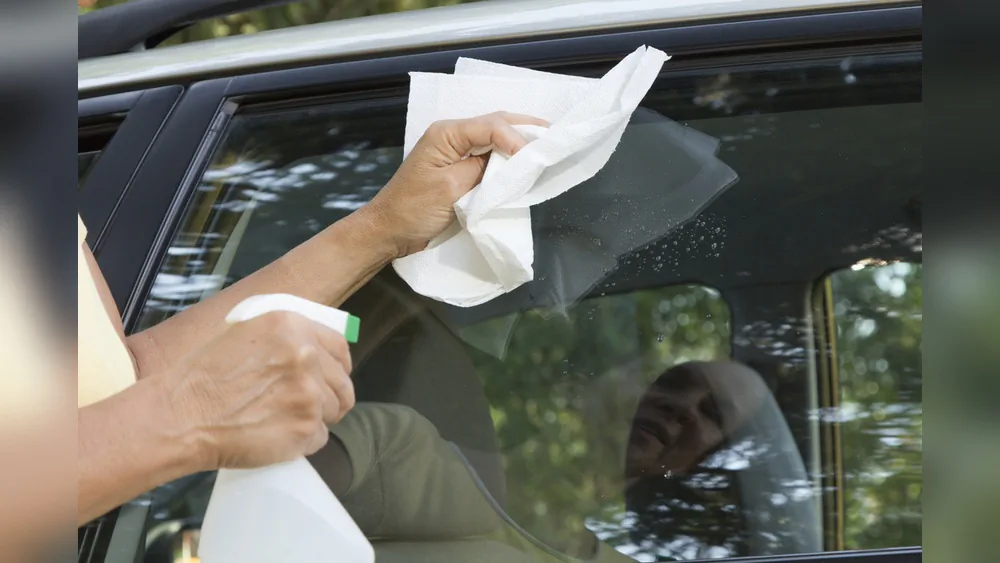
Keeping your car glass spotless is not just about looks—it’s about safety and visibility too. Water spots can quickly make your windshield and windows cloudy, causing distractions or making it hard to see. Many drivers wipe their glass, only to find those round, stubborn marks remain. If you’ve ever wondered why water spots form and how to prevent them, you’re not alone. In this article, you’ll learn practical, easy-to-follow steps to keep your car glass clear, plus some insider tips that most beginners miss.
Why Water Spots Form On Car Glass
Water spots are more than just dried water. They usually appear after rain, car washes, or even from sprinklers. When water evaporates, it leaves behind minerals like calcium and magnesium. These minerals bond with the glass surface, making the spots tough to remove.
Some areas have “hard water,” which means the mineral content is higher. If you live in one of these places, you’ll notice more spots. Sometimes, even washing your car with tap water can make the problem worse.
The Impact Of Water Spots
Besides making your car look dirty, water spots can cause real problems:
- They reduce visibility, especially when sunlight hits the glass.
- Over time, minerals can “etch” the glass, leading to permanent marks.
- They can affect window function if the spots build up near seals or wipers.
If you ignore water spots, they become harder to remove. That’s why prevention is better—and easier—than trying to fix the problem later.

Credit: www.youtube.com
Common Causes Of Water Spots
Understanding what causes spots helps you avoid them. Here are the most frequent sources:
- Rainwater: Rain picks up dust and pollution, leaving minerals behind.
- Sprinklers: Lawn sprinklers often use hard water that dries on your glass.
- Improper car washing: Using hard tap water and letting it air-dry can create spots.
- Automatic car washes: Some use recycled water, which may be full of minerals.
- Leaky seals: Water dripping from old window seals can leave marks.
How To Prevent Water Spots On Car Glass
Let’s go step by step through the most effective ways to keep your car glass clean.
1. Wash With Filtered Or Distilled Water
If your area has hard tap water, switch to distilled water for the final rinse. Distilled water has no minerals, so it doesn’t leave spots.
Practical tip: You don’t need distilled water for the whole wash. Just use it for a final, quick rinse.
2. Dry Glass Immediately
Never let water air-dry on your glass. Always use a clean, soft microfiber towel to dry windows and windshields right after washing.
Insider insight: Use two towels—one for the first wipe, and a second for the final polish. This avoids streaks and missed spots.
3. Wash In The Shade
Washing your car in direct sunlight makes water evaporate faster, leaving minerals behind. Always wash and dry your car in a shaded area.
4. Use A Water Repellent
Products like Rain-X form a barrier that makes water bead up and roll off your glass. This reduces contact time and helps prevent spots.
Bonus tip: Reapply water repellent every few weeks for best results.
5. Maintain Wiper Blades
Old or dirty wiper blades can smear minerals across your windshield. Clean your wipers regularly and replace them every 6–12 months.
6. Avoid Parking Near Sprinklers
Parking under trees or near sprinklers often leads to unwanted water marks. Choose parking spots away from water sources whenever possible.
7. Apply A Glass Sealant
Glass sealants work like wax for your windows. They create a smooth, protective layer that makes it harder for minerals to stick.
Non-obvious insight: Many people only seal their windshield. Treat all glass, including side and rear windows, for complete protection.
8. Use Proper Car Wash Soap
Some soaps are too harsh or leave residue. Choose a pH-neutral car wash soap designed for automotive glass.
9. Check And Maintain Window Seals
Leaky or cracked seals let water get trapped, leading to spots and even mold. Inspect seals regularly and replace if damaged.
10. Regular Cleaning Routine
Don’t wait for heavy build-up. Wash and dry your car glass at least twice a month, more often if you park outdoors.

Credit: www.reddit.com
Comparing Methods To Prevent Water Spots
Here’s a look at common prevention methods, showing their effectiveness and ease of use:
| Method | Effectiveness | Cost | Effort Required |
|---|---|---|---|
| Distilled Water Rinse | High | Low–Medium | Low |
| Immediate Drying | Very High | Low | Medium |
| Water Repellent | High | Medium | Low |
| Glass Sealant | Very High | Medium | Medium |
| Proper Parking | Medium | None | Low |
The Role Of Water Quality
Not all water is the same. The amount of minerals in your tap water can make a big difference.
| Water Type | Mineral Content | Spot Risk |
|---|---|---|
| Distilled | None | Very Low |
| Softened | Low | Low |
| Hard Tap Water | High | High |
| Rainwater | Medium | Medium |
Non-obvious insight: Water softeners used at home reduce some minerals, but not all. For the best spot-free results, distilled water is ideal for rinsing glass.
Products And Tools That Help
Choosing the right products can make prevention easier and more effective.
Microfiber Towels
These are best for drying glass because they absorb well and don’t scratch. Avoid using old bath towels or paper towels—they can leave lint or even scratch the glass.
Car Wash Soaps
Look for pH-neutral soaps labeled safe for automotive glass. Avoid dish soap or household cleaners, which can leave residue or strip sealants.
Water Repellents
Products like Rain-X and Aquapel make water slide off. They are easy to apply—just wipe on, let dry, then buff off.
Glass Sealants
These last longer than repellents. They need a bit more work to apply but provide months of protection.
Water Filters
Install a filter on your garden hose to reduce minerals if you wash your car at home. This is a good investment if you wash cars regularly.
| Product Type | Main Benefit | Typical Lifespan |
|---|---|---|
| Microfiber Towel | Scratch-free drying | Up to 1 year |
| Water Repellent | Beads water off | 2–4 weeks |
| Glass Sealant | Long-term barrier | 2–6 months |
| Water Filter | Reduces minerals | 6–12 months |
Real-world Examples
Let’s say you live in Arizona, where the water is very hard. After every wash, you notice rings on your windshield. You start using distilled water for the last rinse and immediately dry the glass with a microfiber towel. Within a week, you see a big difference—no more spots, and the glass stays clear longer.
If you park near a sprinkler at your office, you might get spots every day. Simply moving to a different spot (even if it’s farther away) can save you lots of cleaning time and protect your glass.
Mistakes To Avoid
Some common errors can make water spots worse, even if you’re trying to keep your car clean:
- Letting water air-dry: Always dry glass after washing.
- Using household cleaners: These can damage glass coatings or leave streaks.
- Skipping regular cleaning: The longer you wait, the harder it is to remove spots.
- Neglecting rear and side windows: All glass needs attention, not just the windshield.
- Ignoring wiper blades: Dirty or worn wipers can spread minerals across the glass.
Extra Tips For Spot-free Glass
- Use compressed air to blow water out of window seams after washing.
- When applying sealant or repellent, use a separate applicator just for glass.
- Clean glass before applying any product—dirt can reduce effectiveness.
- If you see spots forming, wipe them quickly with a damp microfiber towel before they harden.
- Check your car’s glass after rain or a wash, not just during your regular cleaning routine.
When To Seek Professional Help
Sometimes, water spots become etched into the glass. If you see white marks that don’t go away with regular cleaning, it’s time to consult a professional detailer. They use special polishes and tools to restore clarity. Don’t try harsh abrasives at home—they can scratch your glass.
Resources For Further Learning
If you want to learn more about the science of hard water and its effects on cars, the Wikipedia article on hard water offers a deep dive into how minerals interact with surfaces.

Credit: www.wikihow.com
Frequently Asked Questions
How Do I Remove Existing Water Spots From Car Glass?
Use a dedicated glass polish or a mix of vinegar and water (50/50). Apply with a microfiber towel, using gentle pressure. For stubborn spots, a clay bar or professional polishing may be needed.
Is Rainwater Better For Washing My Car?
Rainwater has fewer minerals than hard tap water, but it can still leave spots, especially if the rain is acidic. Always dry your glass after rain.
Can I Use Household Vinegar To Prevent Spots?
Vinegar can help remove spots but does not prevent them. For prevention, use distilled water, glass sealants, or water repellents.
Are Automatic Car Washes Safe For My Glass?
Some automatic washes use recycled water, which can leave spots. Always check if the wash offers a spot-free rinse. If not, dry your glass as soon as possible after washing.
How Often Should I Clean My Car Glass To Avoid Water Spots?
At least twice a month is ideal. Clean more often if you live in a hard water area, park outdoors, or notice frequent spotting.
Keeping your car glass spotless is not just about appearance—it’s about safety and extending the life of your vehicle. With the right habits and products, you can prevent water spots and enjoy clear, streak-free views every time you drive. By paying attention to water quality, proper drying, and regular maintenance, you’ll avoid most common problems and keep your car looking its best.
Related posts
 Why You Should Use a Foam Cannon for Car Washing: Ultimate Guide
Washing your car is more than just making it look good. It protects the paint, keeps the value high, and makes driving feel better. But if…
 How to Clean Leather Seats Without Damaging Them: Expert Tips
Keeping your leather seats clean can be a challenge. Leather looks beautiful and feels luxurious, but it needs special care. Many people worry about damaging their…
 Why Using a Ceramic Coating Spray is Important for Your Car’s Shine
If you care about your car’s appearance and value, you probably wash and wax it regularly. But did you know there’s a better way to protect…