
How to Clean Fabric Seat Covers With a Steam Cleaner: Easy Guide
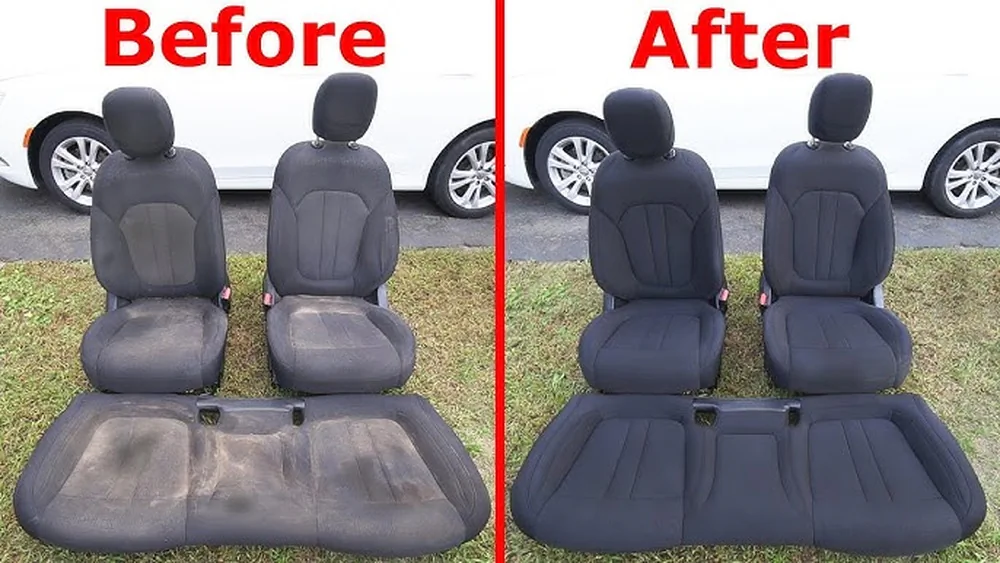
Cleaning fabric seat covers can feel overwhelming, especially when stains and smells stick around. Luckily, using a steam cleaner is one of the most effective ways to refresh your seats without harsh chemicals. Steam cleaning not only removes dirt and grime but also kills bacteria and allergens. Whether you want a spotless car interior or need to revive your home furniture, learning the right steam cleaning method saves time and gets better results. This guide covers everything you need to know, with practical advice for beginners and tips to avoid common mistakes.
Why Steam Cleaning Works For Fabric Seat Covers
Steam cleaning uses hot vapor to loosen and lift dirt from fabric fibers. Unlike regular washing, steam penetrates deep, breaking down stains that are hard to remove with brushes or soap. Most steam cleaners heat water above 212°F (100°C), which is enough to kill many germs and dust mites.
Fabric seat covers trap sweat, spills, and dust. Over time, these can cause odors and discoloration. Steam cleaning helps restore the original look and feel, making seats healthier and more comfortable. According to a study by the Environmental Protection Agency, steam cleaning can reduce allergens by up to 90% in fabrics.
Choosing The Right Steam Cleaner
Not all steam cleaners are suitable for fabric seat covers. Some are too powerful and may damage delicate materials, while others lack enough heat or pressure. Here’s a simple comparison to help you select:
| Type | Best For | Heat Level | Water Tank Size | Price Range |
|---|---|---|---|---|
| Handheld Steam Cleaner | Small stains, spot cleaning | Medium | 250-400 ml | $35-$80 |
| Canister Steam Cleaner | Full seat covers, deep cleaning | High | 1-2 liters | $80-$250 |
| Upright Steam Cleaner | Large areas (sofas, carpets) | High | 1-2 liters | $120-$300 |
For car seats or small furniture, a handheld steam cleaner is often enough. If you plan to clean multiple seats or larger items, a canister model offers more power and longer cleaning time.
Preparing Fabric Seat Covers For Steam Cleaning
Preparation is crucial. Skipping steps can lead to poor results or even damage. Here’s what you should do before steaming:
- Remove loose dirt: Vacuum seat covers thoroughly. This prevents mud or debris from turning into sticky messes during steam cleaning.
- Check fabric labels: Some fabrics (like wool or silk blends) may not tolerate high heat. Look for cleaning codes:
- W: Water-based cleaning is safe.
- S: Solvent-based only, avoid steam.
- WS: Both water and solvent are safe.
- X: Vacuum only, no steam or wet cleaning.
- Spot test: Pick an inconspicuous area and use a small amount of steam. Wait for it to dry and check for color fading or damage.
- Remove seat covers if possible: If your seat covers are removable, take them off for easier access and thorough cleaning.
Step-by-step Guide: Steam Cleaning Fabric Seat Covers
Follow these steps for best results:
- Fill the steam cleaner tank with clean water. Do not add detergents unless your machine is designed for it.
- Heat up the steam cleaner. Most machines take 5–10 minutes to reach optimal temperature.
- Attach the right nozzle. Use a fabric or upholstery attachment to avoid scratching the material.
- Start steaming. Hold the nozzle about 2–3 inches above the surface. Move slowly, covering each area evenly. Do not oversaturate—excess water can soak into padding and cause mold.
- Work in sections. Clean one seat at a time. Pay extra attention to seams and folds, where dirt collects.
- Blot with a clean towel. After steaming, press a towel against the fabric to absorb moisture and lift loosened dirt.
- Allow to air dry. Open windows or use fans to speed up drying. Avoid sitting on seats until fully dry.
Example: Cleaning Car Seat Covers
Let’s say your car seats have coffee stains and pet hair. After vacuuming, you fill your handheld steam cleaner and attach the upholstery head. Start with the stained area, moving slowly and letting steam break down the coffee. For pet hair, steam loosens fibers, making it easier to brush away.
Blot with a towel and let the seat dry overnight.
Common Mistakes And How To Avoid Them
Many beginners repeat these errors:
- Using too much water: Over-wetting can cause fabric to shrink or smell.
- Skipping vacuuming: Steam alone won’t remove heavy debris.
- Ignoring drying time: Sitting on damp seats leads to permanent stains or mildew.
- Not checking fabric type: Some covers melt or discolor if exposed to high heat.
A non-obvious tip: Always clean on a cool day if possible. High humidity slows drying and increases risk of mold.
:max_bytes(150000):strip_icc()/spr-primary-upholsery-cleaners-dburreson-a58617f49d2c4269bda1ce49e7bad963.jpeg)
Credit: www.thespruce.com
Advanced Tips For Stubborn Stains And Odors
Sometimes, regular steam cleaning isn’t enough. Here’s how to tackle difficult problems:
- Pre-treat stains: Use a mild upholstery cleaner or a mix of water and vinegar (1:1 ratio) on tough spots. Let sit for 10 minutes before steaming.
- Use baking soda for odors: Sprinkle baking soda on seats, wait 30 minutes, then vacuum before steaming.
- Repeat steam cycles: For old stains, steam twice, letting seats dry between sessions.
- Add essential oils: If your steam cleaner allows, add a few drops to water for a fresh smell. Check manufacturer recommendations first.
Some steam cleaners have advanced features like adjustable heat and pressure. These help customize cleaning for delicate fabrics or extra dirty seats.
Comparing Steam Cleaning To Other Methods
Is steam cleaning better than other options? Let’s look at a comparison:
| Method | Pros | Cons | Effectiveness |
|---|---|---|---|
| Steam Cleaning | No chemicals, kills germs, deep cleans | Needs equipment, drying time | Very high |
| Hand Washing | Cheap, easy | Surface only, not for deep stains | Moderate |
| Dry Cleaning | Safe for delicate fabrics | Expensive, uses solvents | High (for specific fabrics) |
| Machine Washing | Convenient, fast | May shrink or fade covers | Moderate |
Steam cleaning stands out for its ability to kill germs and remove deep dirt without chemicals. It’s especially useful for allergy sufferers and families with kids or pets.
Safety Tips When Using A Steam Cleaner
Steam cleaners are safe, but they get very hot. Always follow these safety tips:
- Keep hands away from steam nozzle: Steam burns are serious—never point the nozzle at your skin.
- Unplug before refilling: Let the machine cool before opening the water tank.
- Use in a well-ventilated area: Steam increases humidity, which can cause mold in closed spaces.
- Store out of reach of children: Curious kids may touch hot surfaces.
A less obvious safety tip: Wear gloves if you’re cleaning seats treated with chemicals or perfumes. Steam can release these substances into the air.
Maintenance After Steam Cleaning
Proper care keeps your seat covers clean longer. Here’s what to do:
- Vacuum regularly: Weekly vacuuming prevents dirt buildup and makes future steam cleaning easier.
- Spot clean spills: Use a damp cloth immediately when accidents happen.
- Protect seats: Consider fabric protectors or slipcovers to reduce stains.
- Store your steam cleaner properly: Empty water tanks, wipe attachments, and keep in a dry place.
Regular steam cleaning (every 3–6 months) maintains hygiene and extends fabric life. If you notice fading or wear, reduce frequency or switch to gentler methods.

Credit: gcc.luluhypermarket.com
When To Call A Professional
Sometimes, DIY cleaning isn’t enough. Call a professional if:
- Stains won’t come out: Old stains, ink, or oil may need expert treatment.
- Fabric is delicate or expensive: Silk, wool, or custom covers are safer with pros.
- Odors persist: If smells remain after cleaning, there may be hidden mold or bacteria.
Professional cleaners use commercial-grade equipment and specialized solutions. Prices range from $50–$150 per seat, depending on material and location.
Real-life Results: What To Expect
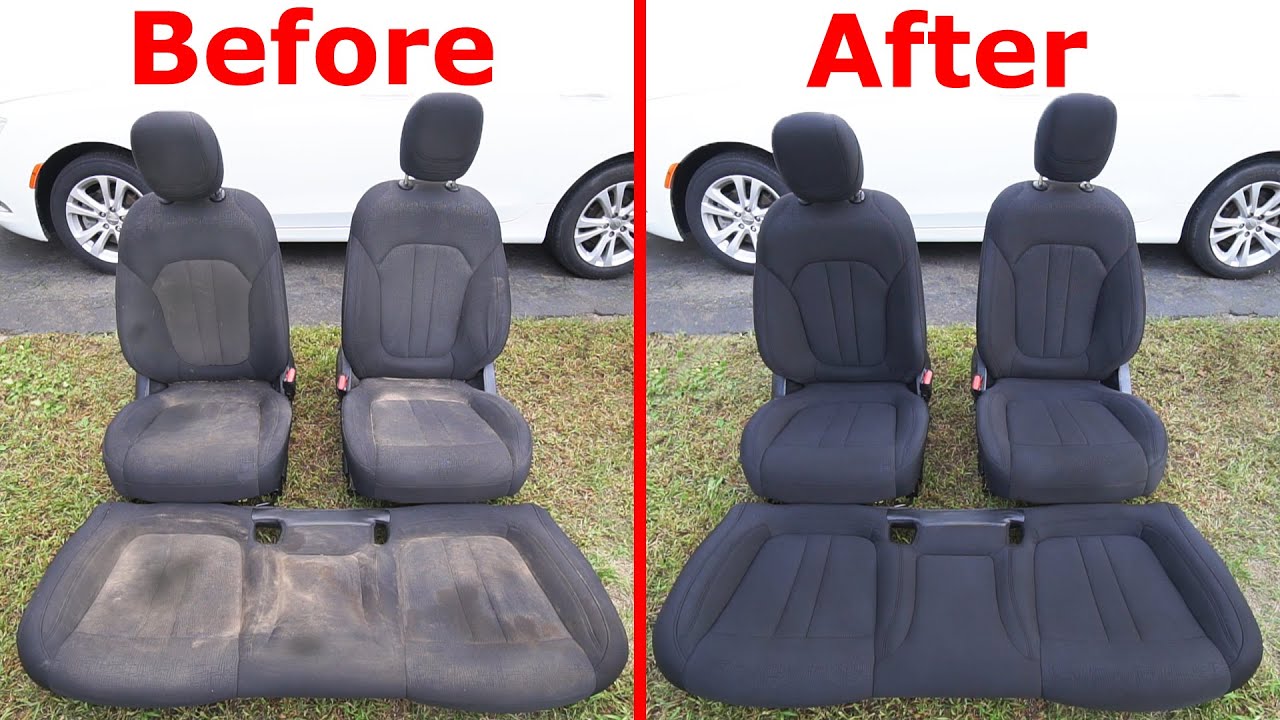
Many users report dramatic improvements after steam cleaning. For example, a family with kids and pets found that regular steam cleaning reduced allergy symptoms and made seats look new. On average, steam cleaning removes up to 80–90% of visible stains and odors.
However, very old stains may fade but not disappear completely.
A non-obvious insight: Steam cleaning also restores the texture of fabric. Seats that feel rough or sticky often become soft again after steaming.
Credit: www.youtube.com
Frequently Asked Questions
Can I Use A Steam Cleaner On All Types Of Fabric Seat Covers?
Not all fabrics are steam-safe. Check the cleaning code (W, S, WS, X) on your seat covers. Avoid steaming if the code says “S” or “X. ” Always do a spot test first.
How Often Should I Steam Clean Fabric Seat Covers?
For most homes or cars, steam cleaning every 3–6 months is enough. If you have allergies, pets, or kids, monthly cleaning may be better.
Is Steam Cleaning Better Than Shampooing?
Steam cleaning is usually safer because it uses only water, not chemicals. It kills germs and removes deep dirt. Shampooing may leave residues and requires rinsing.
How Long Does It Take For Seat Covers To Dry After Steam Cleaning?
Drying time depends on fabric thickness and room humidity. Most covers dry within 2–6 hours. Speed up drying with fans or open windows.
Can Steam Cleaning Remove Cigarette Smoke Odor?
Yes, steam cleaning helps remove smoke odor from fabric. For strong smells, use baking soda before steaming and repeat the process if needed.
Cleaning fabric seat covers with a steam cleaner is simple, efficient, and safe when done properly. With the right machine and technique, you can restore freshness and comfort to your seats, making your environment healthier and more inviting. If you want more details about steam cleaning science, check this Wikipedia article. Remember: preparation, patience, and proper drying are the keys to professional-level results.
Related posts
 Why You Should Use a Foam Cannon for Car Washing: Ultimate Guide
Washing your car is more than just making it look good. It protects the paint, keeps the value high, and makes driving feel better. But if…
 How to Clean Leather Seats Without Damaging Them: Expert Tips
Keeping your leather seats clean can be a challenge. Leather looks beautiful and feels luxurious, but it needs special care. Many people worry about damaging their…
 Why Using a Ceramic Coating Spray is Important for Your Car’s Shine
If you care about your car’s appearance and value, you probably wash and wax it regularly. But did you know there’s a better way to protect…