
How to Clean Car Windows With Vinegar And Water: Easy Guide
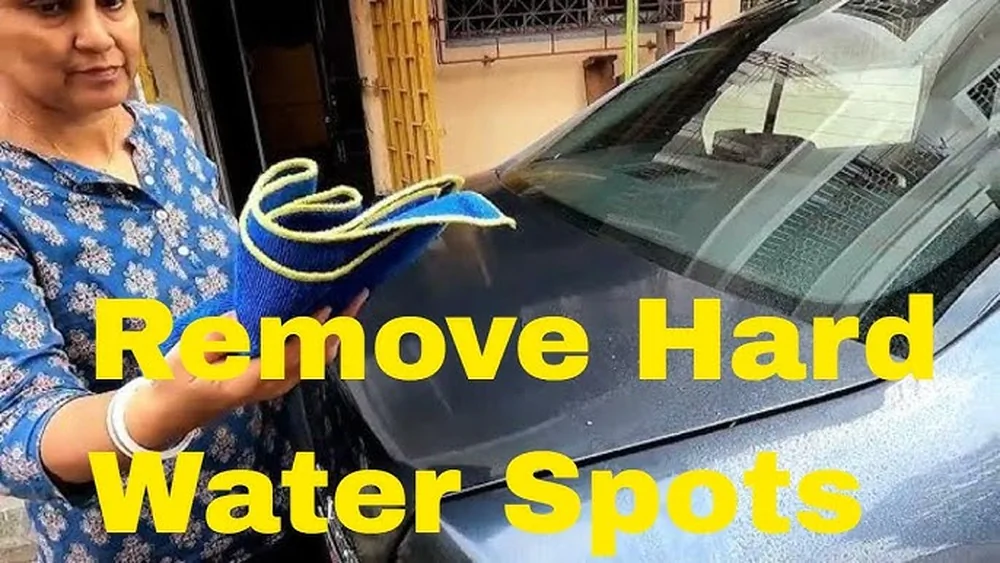
Cleaning your car windows can make a big difference in how your car looks and how safe it is to drive. Streaks, spots, and haze can block your view and make driving more dangerous, especially at night or in bright sunlight. Many store-bought cleaners can leave residue or contain strong chemicals. A simple mix of vinegar and water is a safe, cheap, and effective way to get sparkling clean windows. In this guide, you’ll learn exactly how to use vinegar and water to clean car windows, why it works so well, and what mistakes to avoid.
Why Use Vinegar And Water For Car Windows?
Many people look for natural cleaning solutions to avoid harsh chemicals. Vinegar is one of the most popular and effective options. It’s known for its ability to break down grease, grime, and mineral deposits. When mixed with water, vinegar becomes a gentle but powerful glass cleaner.
Key Benefits
- Safe for glass: Vinegar does not scratch or damage glass surfaces.
- Streak-free finish: Leaves windows clear when used correctly.
- Non-toxic: Safe for kids, pets, and the environment.
- Budget-friendly: Much cheaper than branded cleaners.
How Vinegar Cleans Glass
The main ingredient in household vinegar is acetic acid (usually about 5%). This acid helps dissolve minerals, sticky residues, and water spots. If you live in an area with hard water, you may notice white spots or streaks from minerals. Vinegar quickly removes these marks. It also cuts through oily films left by air pollution or fingerprints.
What You Need: Supplies And Preparation
Gathering the right tools will make cleaning faster and easier. Here’s what you’ll need:
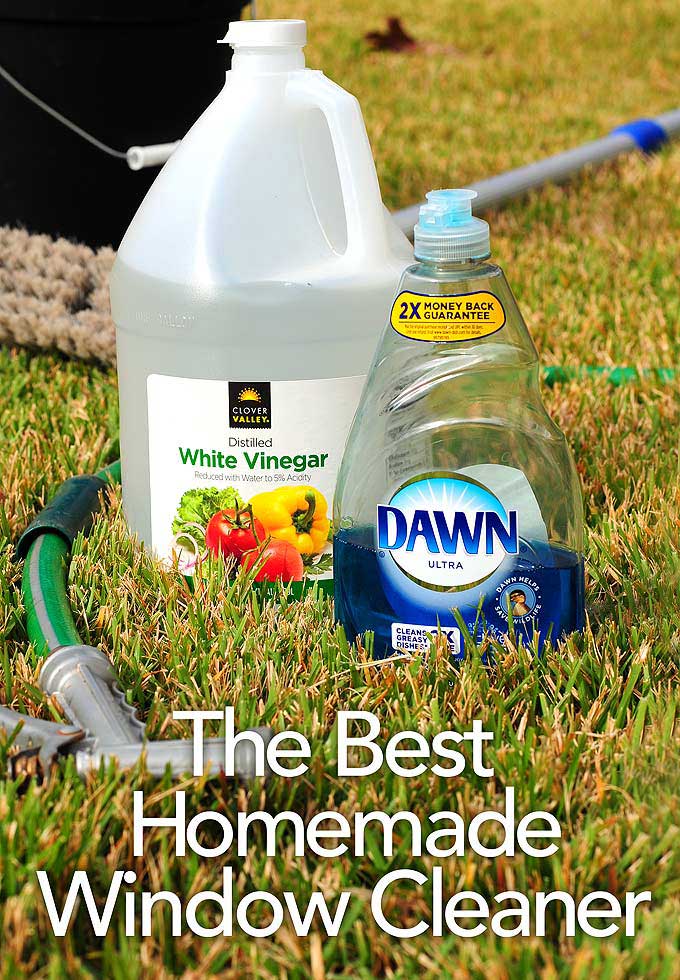
- White distilled vinegar (do not use apple cider or flavored vinegars)
- Clean water (tap or distilled)
- Spray bottle (holds at least 16 oz)
- Two microfiber cloths (or lint-free towels)
- Small bucket (optional for mixing)
- Soft brush or old toothbrush (for stubborn grime)
- Newspaper (optional for polishing)
- Protective gloves (if you have sensitive skin)
Mixing The Solution
For most car windows, a 1:1 ratio works well. This means mixing equal parts vinegar and water. For example, mix 1 cup of vinegar with 1 cup of water in your spray bottle.
Suggested Mixes For Different Problems
| Problem | Vinegar:Water Ratio | Notes |
|---|---|---|
| Normal cleaning | 1:1 | Safe for most glass |
| Heavy water spots | 2:1 (more vinegar) | Extra cleaning power |
| Light dust/dirt | 1:2 (less vinegar) | Gentler for tinted windows |
Tip: Use distilled water if your tap water leaves spots.
Step-by-step: How To Clean Car Windows With Vinegar And Water
Cleaning windows is easy, but a few tricks will help you get the best results. Follow these steps for a professional finish.
1. Pick The Right Time And Place
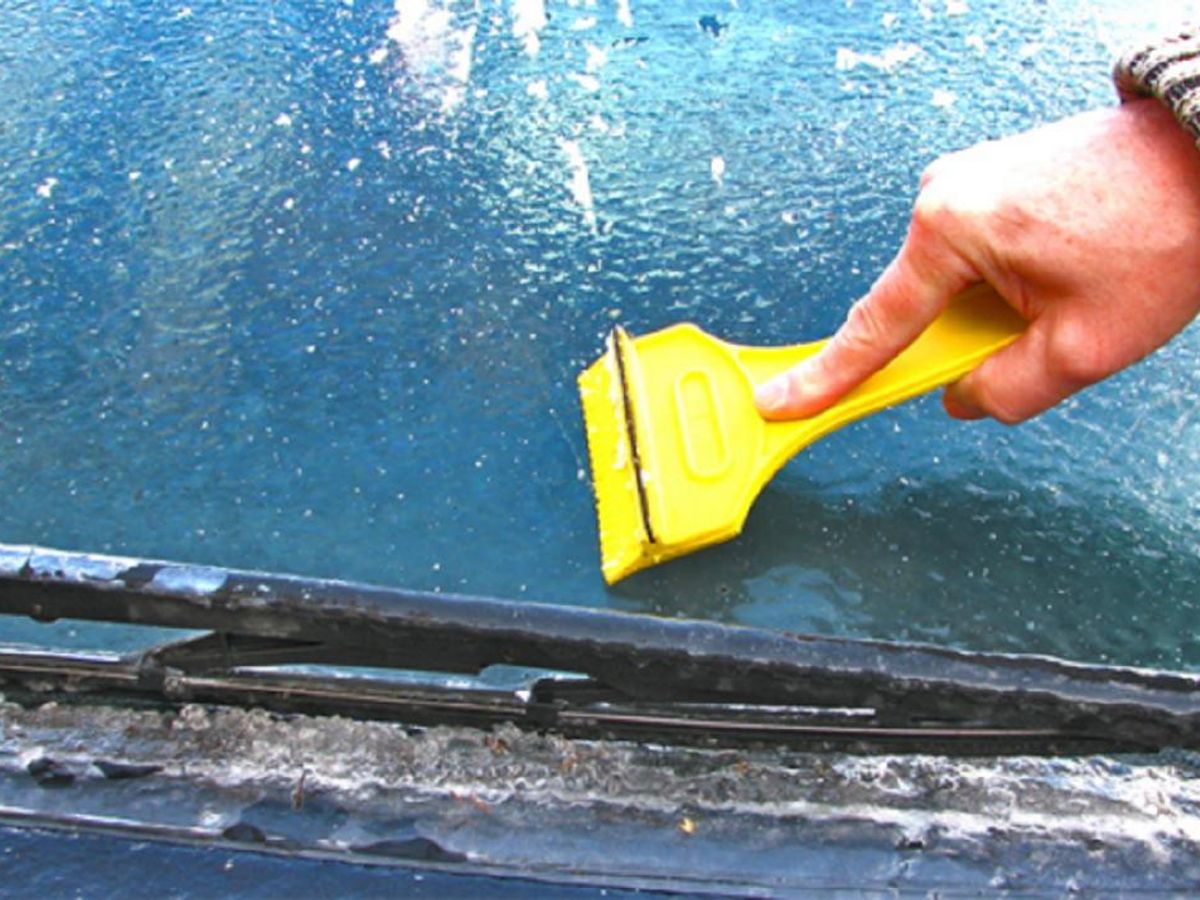
Never clean car windows in direct sunlight or on a hot day. The heat will make the solution dry too quickly, leaving streaks. Choose a shaded spot or clean in the morning or evening.
2. Remove Loose Dirt And Dust
Wipe the windows with a dry microfiber cloth first. This removes dust, sand, and debris that could scratch the glass. For exterior windows, you can rinse with plain water.
3. Spray The Vinegar Solution
Shake your spray bottle well. Spray a generous amount of the vinegar and water mix onto the window. Make sure to cover all areas, especially corners and edges.
4. Let It Sit
For stubborn spots (like dried bugs or water spots), let the solution sit for 30–60 seconds. This gives the vinegar time to break down the grime.
5. Wipe And Buff
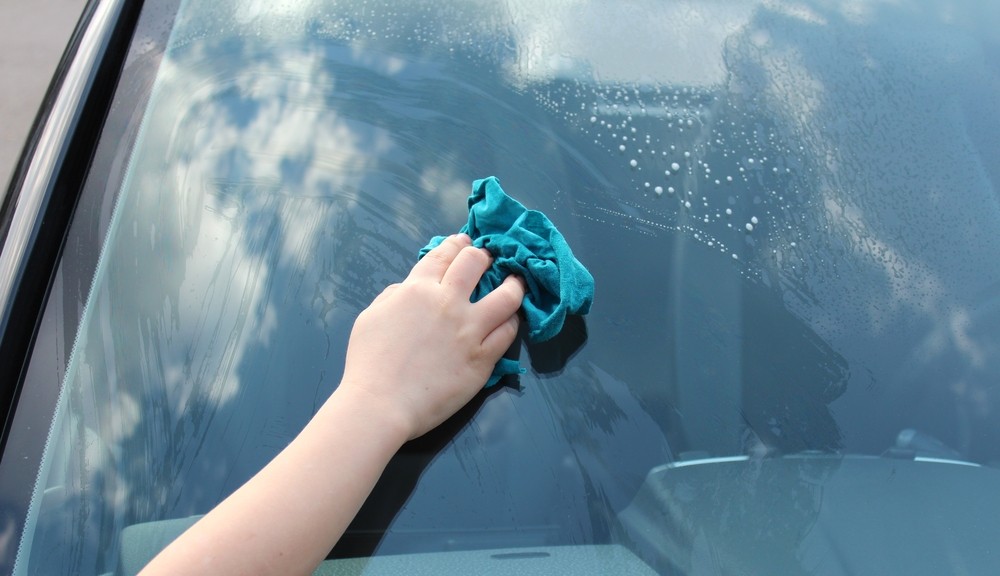
Use a clean, dry microfiber cloth to wipe the glass. Start at the top and move down in straight lines. This helps prevent drips and streaks. For the final polish, use a second dry cloth or crumpled newspaper. This leaves the glass extra clear.
6. Check From Different Angles
Move around the car and look at the windows from inside and outside. Sunlight or headlights can reveal streaks you might miss at first. Buff any spots with your dry cloth.
7. Repeat For Tough Stains
If you see stubborn water spots or streaks, spray more solution and scrub gently with a soft brush. Then wipe dry.
Pro Tip: Use a different cloth for the inside and outside of the windows to avoid spreading dirt.
Special Tips For Interior And Exterior Windows
Cleaning inside and outside glass is similar, but there are a few important differences.
Interior Windows
- Be careful not to spray too much solution near electronics or dashboard.
- If the window is very dirty (smoking, pets, kids), you may need to repeat the process.
- Roll down the windows slightly to clean the very top edge, then roll up and finish.
Exterior Windows
- Remove bird droppings, tree sap, or bugs first with a wet cloth or soft brush.
- For heavy grime, use the stronger vinegar mix (2: 1).
- Don’t forget your side mirrors and rear windshield.
Credit: shewearsmanyhats.com
Common Mistakes To Avoid
Even though vinegar and water is simple, some mistakes can lead to streaks or damage.
Overusing Vinegar
Too much vinegar can make a strong smell and may damage rubber window seals over time. Always dilute with water unless you have very tough stains.
Cleaning In Sunlight
Fast drying causes streaks. Always clean in the shade or on a cool day.
Using Paper Towels
Paper towels can leave lint or tiny scratches. Stick with microfiber cloths or newspaper.
Ignoring Window Seals
Avoid soaking window seals with vinegar. This can dry them out and lead to leaks or wind noise.
Not Rinsing First
If your windows are very dusty or muddy, rinse with water before using vinegar. This prevents scratching the glass.
How Vinegar Compares To Store-bought Cleaners
Many car owners wonder if homemade cleaners really work as well as commercial glass sprays. Here’s a quick comparison:
| Feature | Vinegar & Water | Store-bought Cleaners |
|---|---|---|
| Cost | Very low | Medium to high |
| Chemical-free | Yes | Usually not |
| Streak-free results | Yes (if used correctly) | Yes |
| Safe for tinted glass | Yes (if diluted) | Depends on product |
| Removes water spots | Yes | Sometimes |
| Odor | Vinegar smell (fades) | Perfumed or chemical |
Insight: Some store-bought cleaners contain ammonia, which can damage window tint and plastic. Vinegar is safer if you aren’t sure what your windows are made of.
Caring For Tinted Windows
Tinted windows need extra care. Some cleaners can fade or bubble the tint. Vinegar and water is usually safe, but always check your car’s manual or test a small area first.
- Use a weaker mix (1 part vinegar to 2 parts water).
- Never use abrasive cloths or pads.
- Don’t spray directly onto the tint’s edge—spray onto your cloth instead.
When To Avoid Vinegar
There are a few cases where vinegar is not the best choice:
- Damaged window tint: If the tint is already peeling or bubbling, vinegar might make it worse.
- Heated or coated glass: Some newer cars have special coatings. Check your owner’s manual.
- Rubber and plastic parts: Vinegar can dry out or discolor these materials if left for too long.
If in doubt, use a mild soap and water or check with your car dealer.
Extra Tips For A Professional Finish
- Clean wiper blades: Dirty blades can re-smear your glass. Wipe them with your vinegar solution and a cloth.
- Polish in circles: After wiping up and down, finish with gentle circular motions for a shine.
- Replace cloths often: Wash microfiber cloths without fabric softener to keep them lint-free.
- Don’t forget the mirrors: Clean side and rearview mirrors for better visibility.
- Tackle windshield haze: Interior haze can build up from off-gassing plastics. Vinegar cuts through this film better than most cleaners.
Environmental Benefits
Using vinegar and water is not just good for your car. It’s better for the planet. You avoid plastic bottles, strong chemicals, and waste. Most vinegar is biodegradable and safe for drains and soil.
Credit: www.snopes.com
Save Money With Diy Cleaning
A bottle of vinegar and a few cloths can clean your car windows for months. You save money every time compared to buying special cleaners. Over a year, this can add up, especially if you have more than one car.
Real-world Results And User Experiences
Many car owners and detailers prefer vinegar and water for everyday cleaning. For example, in a survey by a car enthusiast forum, 72% of users said they got better results with vinegar and water compared to store cleaners, especially for removing water spots and road film.
Some users mentioned the vinegar smell, but it fades quickly after drying.
One non-obvious trick is to keep a small spray bottle in your trunk. If you notice bird droppings or bug splatters while out, you can clean them before they dry and become harder to remove.
Credit: aceglassva.com
Frequently Asked Questions
Can Vinegar Harm My Car’s Window Tint?
If your tint is in good condition and you use a diluted mix (more water than vinegar), it’s generally safe. Never use pure vinegar or scrub hard at the edges of the tint. If your windows are still under warranty, check with your installer or car manual.
How Do I Prevent Streaks When Using Vinegar And Water?
The biggest causes of streaks are cleaning in sunlight, using dirty cloths, or not drying the glass fully. Clean in the shade, use fresh microfiber cloths, and buff with a dry towel or newspaper for a streak-free finish.
Is It Safe To Use Vinegar On All Car Windows?
Vinegar is safe for most car glass, but avoid using it on heated or specially coated windshields without checking your manual. Never let vinegar sit on paint, rubber, or plastic for long periods.
What’s Better: Vinegar And Water Or Commercial Cleaners?
Both can give clear, streak-free windows. Vinegar is cheaper, safer for the environment, and works well on mineral spots. Commercial cleaners may offer added shine or scent but often cost more and contain chemicals. For most people, vinegar and water is the best everyday solution. For more details, see this Wikipedia article on window cleaners.
How Often Should I Clean My Car Windows?
Clean windows at least once a month, or more often if you drive in rain, snow, or dusty areas. Interior windows can be done every 2–3 months unless you smoke or have pets, which may need more frequent cleaning.
Keeping your car windows clean with vinegar and water is simple, affordable, and effective. With the right tools and a few smart tips, you’ll enjoy a safer, clearer view every time you drive.
Related posts
 Why You Should Use a Foam Cannon for Car Washing: Ultimate Guide
Washing your car is more than just making it look good. It protects the paint, keeps the value high, and makes driving feel better. But if…
 How to Clean Leather Seats Without Damaging Them: Expert Tips
Keeping your leather seats clean can be a challenge. Leather looks beautiful and feels luxurious, but it needs special care. Many people worry about damaging their…
 Why Using a Ceramic Coating Spray is Important for Your Car’s Shine
If you care about your car’s appearance and value, you probably wash and wax it regularly. But did you know there’s a better way to protect…