
How to Clean Car Upholstery With Natural Products Easily
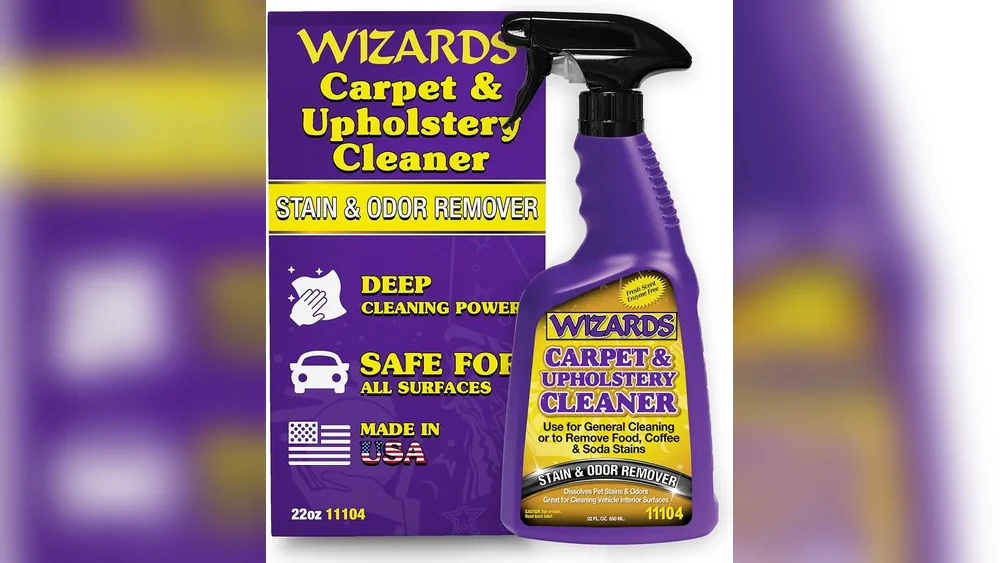
Cleaning your car’s upholstery can feel like a big job, but you don’t need harsh chemicals or expensive products. Many people are now choosing natural cleaning solutions for their cars. These options are not only safer for you and your family, but they also protect your car’s interior from damage. In fact, most of the natural products needed can be found in your kitchen. By following simple steps, you can keep your car seats and carpets looking fresh and smelling clean.
If you’ve ever noticed stains, food crumbs, or unpleasant odors in your car, you’re not alone. Everyday use causes dirt to build up, and spilled drinks or snacks can leave lasting marks. Some commercial cleaners may promise fast results, but they often contain strong chemicals that can fade fabric or trigger allergies.
Natural cleaning methods, when done correctly, are gentle yet effective. Let’s explore how you can clean car upholstery with ingredients you can trust.
Why Choose Natural Products For Car Upholstery?
Natural cleaning products have become popular for good reasons. They are non-toxic, affordable, and usually easy to find. Unlike chemical cleaners, they don’t leave behind harmful residues. This matters especially if you have children, pets, or sensitive skin.
Natural cleaners also help preserve the fabric of your car’s seats. Chemical-based products might cause fading, stiffness, or even cracking over time. Using gentle ingredients like baking soda, vinegar, and lemon juice avoids this risk. In the long run, this helps your car’s interior last longer.
You also avoid strong chemical smells, which can be uncomfortable in a small space like a car. Instead, natural cleaners often leave a fresh, neutral scent.
What You’ll Need: Essential Natural Cleaning Supplies
Before you start, gather these supplies:
- Baking soda: Great for removing odors and stains.
- White vinegar: Helps break down grime and disinfect.
- Lemon juice: Adds a fresh scent and tackles tough stains.
- Mild liquid soap (like Castile soap): For gentle cleaning.
- Spray bottle: For mixing solutions.
- Soft-bristled brush: To scrub fabric gently.
- Microfiber cloths: For wiping and drying surfaces.
- Warm water: Needed for most mixes.
- Vacuum cleaner: To remove loose dirt before and after cleaning.
Optional but helpful items include essential oils (like lavender or tea tree) for extra freshness and cornstarch for greasy stains.
Credit: www.ralphs.com
Step-by-step Guide To Cleaning Car Upholstery Naturally
Cleaning your car seats and carpets with natural products is easy if you follow these steps:
1. Remove Loose Dirt And Debris
Start by vacuuming the seats and carpets. Pay attention to crevices and under the seats. Removing crumbs, dust, and hair first makes cleaning more effective. Use the right vacuum attachment for tight spaces.
2. Tackle Stains First
Address any visible stains before cleaning the whole seat.
For Food And Drink Stains:
- Mix 1 tablespoon of baking soda with 2 tablespoons of water to make a paste.
- Apply the paste to the stain and let it sit for 10–15 minutes.
- Gently scrub with a soft brush, then wipe clean with a damp cloth.
For Grease Or Oil:
- Sprinkle cornstarch on the stain and let it sit for 30 minutes.
- Vacuum up the powder, which should absorb most of the grease.
For Ink Or Dye:
- Dab with a cloth dipped in lemon juice. Rinse with water after a few minutes.
3. Make A Natural Cleaning Solution
A simple, effective cleaner combines vinegar, mild soap, and water.
- Mix 1 cup white vinegar with 2 cups warm water and 1 teaspoon mild soap in a spray bottle.
- Shake gently to mix.
This solution cuts through dirt and lifts odors without damaging the upholstery.
4. Clean The Upholstery
- Lightly spray the cleaning mix onto the fabric. Do not soak—too much moisture can leave water stains or cause mildew.
- Scrub gently using a soft-bristled brush, working in small circles.
- Pay extra attention to areas that look dirty or discolored.
5. Wipe And Dry
- Use a clean, damp microfiber cloth to wipe away the cleaner and dirt.
- Pat dry with another cloth.
- Keep car doors open or windows down to allow air flow and speed up drying.
6. Deodorize For Freshness
If odors remain, sprinkle baking soda over the upholstery. Leave it for an hour, then vacuum thoroughly. Baking soda absorbs smells naturally and leaves no trace.
7. Add A Natural Scent (optional)
For a pleasant scent, add a few drops of essential oil (like lavender, lemon, or eucalyptus) to your cleaning solution. This step is optional, but it can make your car smell inviting without artificial perfumes.
Natural Cleaning Methods For Different Upholstery Types
Not all car seats are the same. Here’s how to adjust your approach for common materials:
| Upholstery Type | Best Natural Cleaner | Special Tips |
|---|---|---|
| Fabric/Cloth | Vinegar + Baking Soda | Test on hidden spot first |
| Leather | Mild Soap + Water | Never soak leather; dry quickly |
| Vinyl | Baking Soda Paste | Rinse thoroughly; avoid abrasives |
Cleaning Fabric Or Cloth Seats
Use the vinegar and baking soda method above. Always do a patch test on an unseen area to make sure there’s no discoloration.
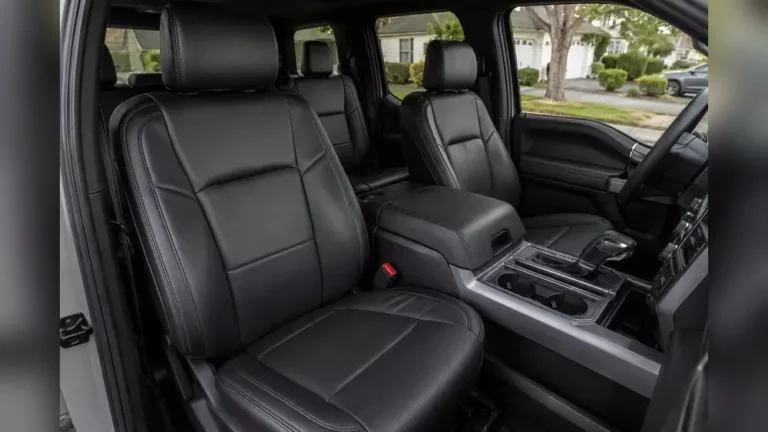
Cleaning Leather Seats
Leather is sensitive to moisture. Mix a small amount of mild soap with warm water. Wipe seats with a damp (not wet) cloth. Dry immediately with a soft towel. For extra care, you can apply a tiny amount of olive oil to keep leather supple, but don’t overdo it—too much oil can attract dust.
Cleaning Vinyl Seats
Vinyl is tough, but it can scratch. Use a baking soda paste for stains, then wipe with a damp cloth. Avoid any scrubbing tools that could leave marks.
Extra Tips For A Cleaner Car Interior
- Act fast on spills. The sooner you clean, the easier it is to remove stains.
- Avoid too much water. Excess moisture can lead to mildew, especially in fabric seats.
- Ventilate after cleaning. Leave doors or windows open so everything dries completely.
- Use seat covers for extra protection. They are easy to remove and wash.
- Repeat cleaning every 2–3 months or as needed for best results.
Common Mistakes To Avoid
Natural cleaning methods are safe, but mistakes can still happen. Here are some pitfalls to watch for:
- Skipping the patch test. Always test a small, hidden area first to avoid surprises.
- Using too much cleaner. Over-wetting seats can cause mold or water stains.
- Scrubbing too hard. Aggressive scrubbing can damage fabric or leather.
- Ignoring drying time. Leaving seats damp can create odors.
- Mixing products incorrectly. Some combinations (like vinegar with bleach) are unsafe. Stick to the recipes above.
Comparing Natural Vs. Chemical Cleaners
It’s helpful to see how natural cleaners stack up against store-bought chemical options:
| Feature | Natural Cleaners | Chemical Cleaners |
|---|---|---|
| Safety | Non-toxic, gentle | May cause skin/eye irritation |
| Cost | Low (kitchen items) | Medium to high |
| Effectiveness | Very good for common stains | Strong; can damage fabrics |
| Scent | Neutral or fresh | Chemical or perfumed |
Real-world Example: Removing Coffee Stains
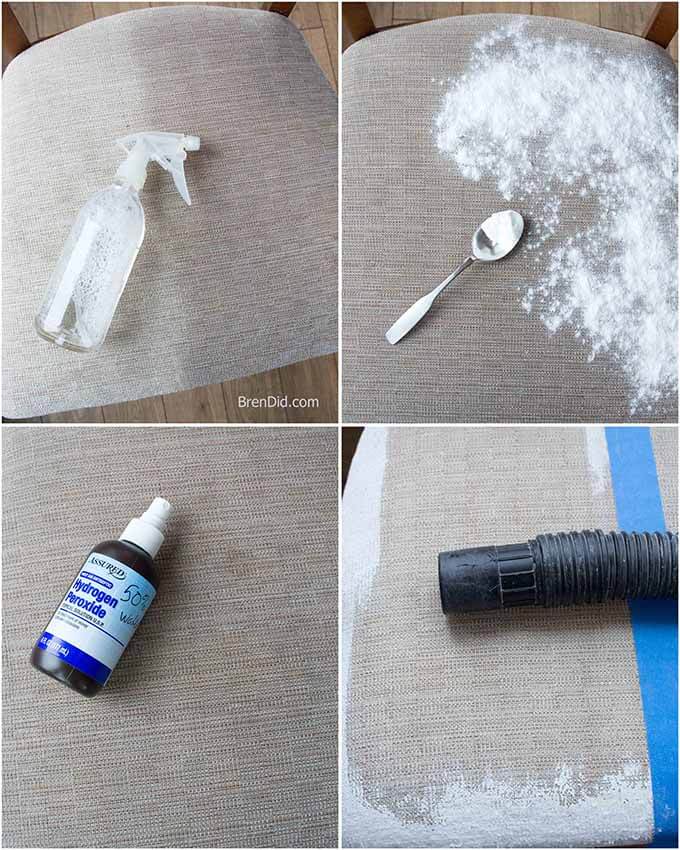
Imagine you spill coffee on a cloth seat. Here’s a practical way to clean it naturally:
- Blot the spill immediately with a dry cloth.
- Sprinkle baking soda on the damp spot. Wait 10 minutes.
- Vacuum up the baking soda.
- Mix equal parts vinegar and water in a spray bottle.
- Spray the stain lightly, scrub gently with a brush, and wipe clean.
This method often removes both the stain and the odor. Many people are surprised at how well simple ingredients like baking soda and vinegar work for tough stains.
Credit: brendid.com
How Often Should You Clean Car Upholstery?
A good routine is to deep clean your car’s interior every 2–3 months. If you have kids or pets, you may need to clean more often. Quick clean-ups after spills and weekly vacuuming make the job easier. Regular care prevents dirt buildup and keeps your car smelling fresh.
Natural Products To Avoid
Not all “natural” items are safe for car upholstery. For example, hydrogen peroxide can bleach fabrics, and some essential oils may stain or cause allergic reactions. Avoid harsh acids or any abrasive substances. Always check your owner’s manual for special care instructions.
Sustainability And The Environment
Using natural products is not just good for your car—it’s better for the planet. You reduce plastic waste (by reusing spray bottles), cut down on chemical runoff, and often use less packaging overall. Small steps like these contribute to a healthier environment. For more information about eco-friendly cleaning, check out the EPA’s Safer Choice program.
Frequently Asked Questions
How Do I Remove Pet Hair From Car Seats?
Use a damp rubber glove or a slightly wet sponge to wipe the seats. The hair sticks to the glove, making it easy to gather and remove. A vacuum with a pet hair attachment also works well.
Can I Use Vinegar On Leather Seats?
No, vinegar is too harsh for leather and can dry it out. Use a mild soap and water mix instead, and always dry leather quickly after cleaning.
What’s The Best Way To Remove Bad Smells From My Car?
Sprinkle baking soda over the seats and carpets, let it sit for at least an hour, then vacuum it up. This helps neutralize most odors. For stubborn smells, repeat the process or add a few drops of essential oil to the baking soda.
Is It Safe To Use Essential Oils In The Car?
Yes, but use only a few drops and mix well with your cleaning solution. Some oils, like citrus, can be strong, so test on a small area first to avoid staining.
How Do I Prevent Mildew After Cleaning?
Make sure to dry the upholstery completely. Open car doors or windows, use a fan if possible, and avoid leaving seats wet overnight.
Cleaning car upholstery with natural products is simple, effective, and safe for both your family and your vehicle. With just a few household items and the right methods, you can enjoy a car interior that looks and smells great—without the risks of harsh chemicals.
Try these tips and see the difference for yourself.

Credit: www.amazon.com
Related posts
 Why You Should Use a Foam Cannon for Car Washing: Ultimate Guide
Washing your car is more than just making it look good. It protects the paint, keeps the value high, and makes driving feel better. But if…
 How to Clean Leather Seats Without Damaging Them: Expert Tips
Keeping your leather seats clean can be a challenge. Leather looks beautiful and feels luxurious, but it needs special care. Many people worry about damaging their…
 Why Using a Ceramic Coating Spray is Important for Your Car’s Shine
If you care about your car’s appearance and value, you probably wash and wax it regularly. But did you know there’s a better way to protect…