
How to Clean and Restore Your Car’s Exterior Paint Like a Pro
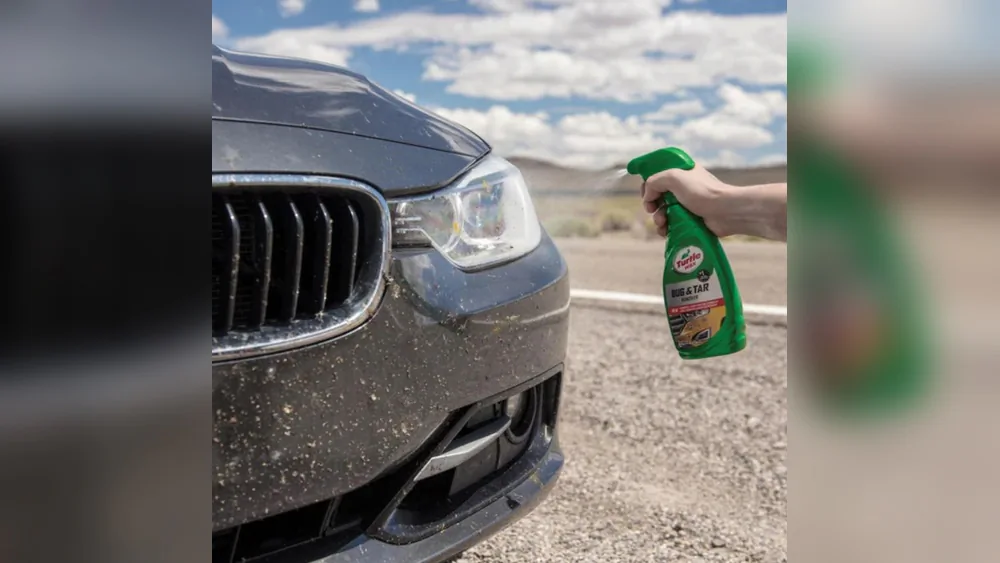
Restoring your car’s exterior paint can bring back that like-new shine and protect it for years. For many car owners, the paint is more than just color—it’s the face of your vehicle, the first thing people see. Over time, dirt, sun, weather, and even small accidents can make your car look old and faded.
The good news? You can clean and restore your car’s paint at home with the right approach, and it’s easier than most people think. This guide will walk you through practical steps, highlight common mistakes, and help you avoid wasting time or money.
Why Clean And Restore Your Car’s Paint?
Your car’s paint does more than make your car look good. It protects the metal body from rust and damage. Regular cleaning and restoration not only boost appearance but also maintain the value of your car. Neglecting your paint can lead to costly repairs later. Shiny, well-maintained cars are also easier to sell and can fetch higher prices.
Paint fades mainly because of ultraviolet (UV) rays, acid rain, bird droppings, tree sap, and road debris. Studies show that cars parked outdoors in direct sunlight can lose up to 40% of their gloss in just five years. Cleaning and restoring your paint is a smart way to fight back against these effects.
Tools And Materials You’ll Need
Before you begin, gather all the tools and products for a smooth workflow. Here’s a comparison between basic and advanced kits:
| Item | Basic Kit | Advanced Kit |
|---|---|---|
| Car Wash Soap | Standard | pH-balanced, wax-free |
| Wash Mitt | Microfiber | Premium microfiber or lambswool |
| Buckets | 1 | 2 (one for rinse, one for soap) |
| Clay Bar | Optional | Essential (medium or fine) |
| Polish | All-in-one | Stage 1, 2, or 3 polishes |
| Wax/Sealant | Paste or liquid wax | Ceramic or polymer sealant |
| Microfiber Towels | 2-3 | 6 or more (various sizes) |
| Polisher Machine | No | Dual-action or rotary polisher |
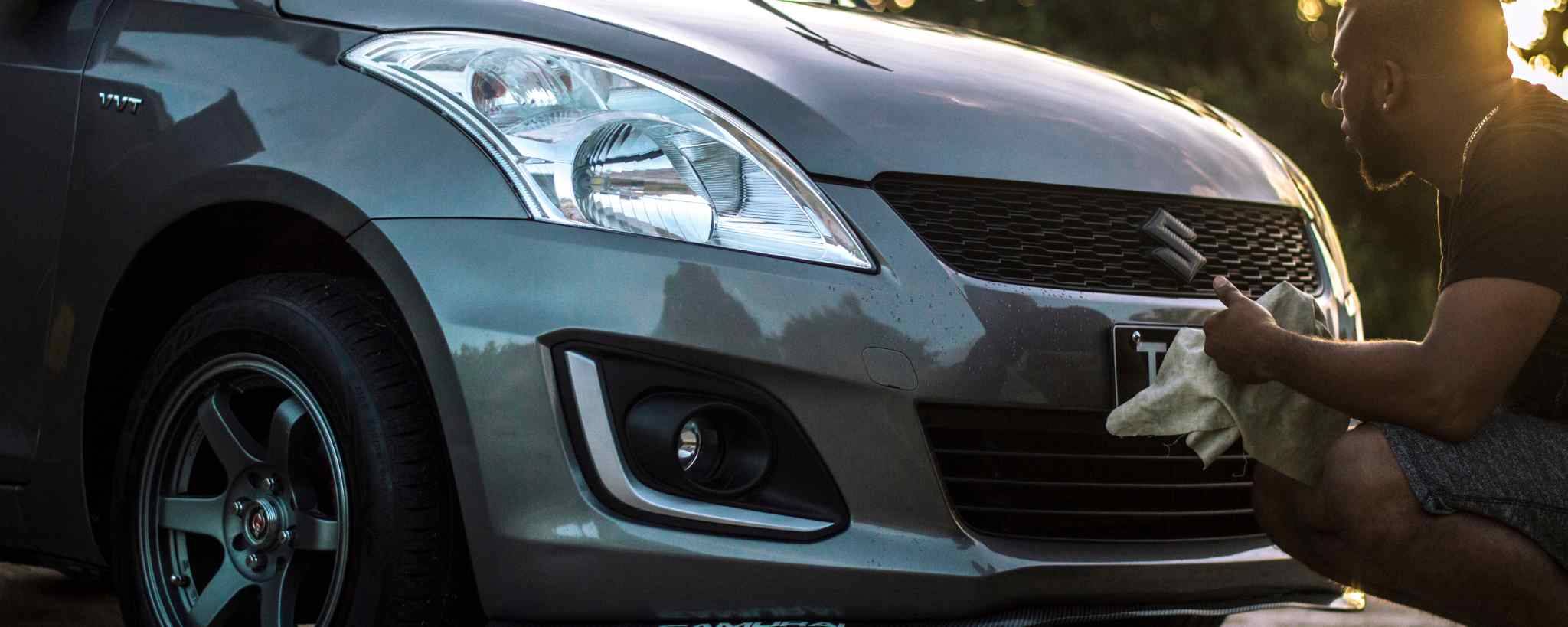
Pro tip: A two-bucket method (one for soapy water, one for rinsing your mitt) helps prevent scratches.
Credit: www.pandahub.com
Step 1: Proper Washing Technique
Start with a clean surface. This prevents dirt from scratching the paint during later steps.
- Rinse the car to remove loose dirt.
- Fill two buckets—one with car wash soap, one with clean water.
- Use a microfiber wash mitt to clean from top to bottom, rinsing the mitt often.
- Rinse thoroughly with clean water.
- Dry with a soft microfiber towel or a silicone squeegee.
Mistake to avoid: Don’t use household soaps or dish detergents—they strip away protective wax and can dull your paint.
Step 2: Remove Surface Contaminants With A Clay Bar
Even after washing, tiny contaminants can stick to your paint. You might feel these as rough spots. Clay barring removes these, making the paint smooth and ready for polishing.
- Spray a clay lubricant on a small area.
- Gently rub the clay bar over the surface using light pressure.
- Wipe the area with a clean microfiber towel.
- Work in sections and check the clay often. If it gets dirty, fold and knead it.
Non-obvious insight: Many beginners skip this step, but polishing without clay barring can push grit into the paint, causing more scratches.

Credit: www.youtube.com
Step 3: Inspect And Repair Paint Defects
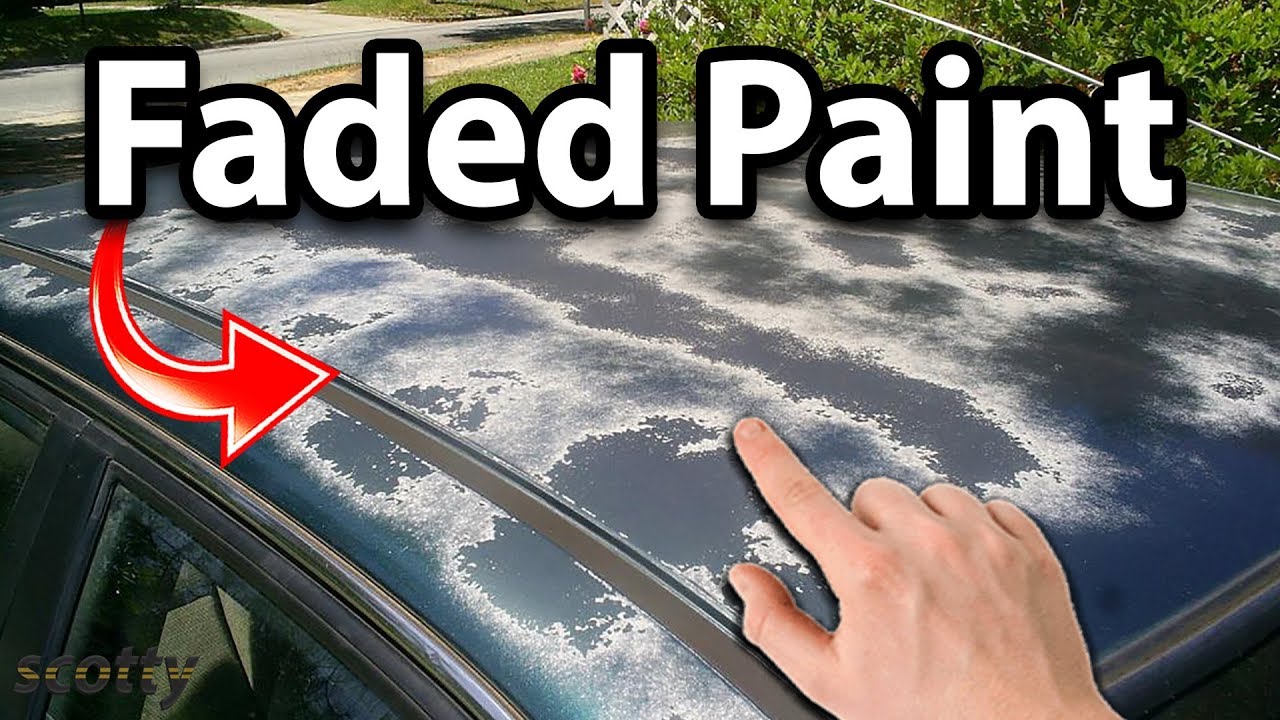
Look at your paint under bright light or sunlight. Common defects include swirl marks, scratches, water spots, and oxidation. Some can be polished out, while deep chips may need touch-up paint.
| Defect Type | Looks Like | Repair Method |
|---|---|---|
| Swirl Marks | Spiderweb lines | Polishing |
| Water Spots | Round, white marks | Vinegar solution, polish |
| Light Scratches | Thin lines, visible under light | Compound or polish |
| Deep Scratches/Chips | Can feel with fingernail | Touch-up paint, professional repair |
| Oxidation | Cloudy, chalky paint | Polishing, sometimes sanding |
Tip: If a scratch catches your fingernail, it usually needs more than just polish.
Step 4: Polishing For Gloss And Clarity
Polishing removes a very thin layer of damaged paint, revealing fresh, shiny paint underneath. You can do this by hand or with a machine polisher.
Hand Polishing
- Apply polish to an applicator pad.
- Work in small, circular motions.
- Buff off with a clean microfiber towel.
Machine Polishing
- Use a dual-action polisher for best results.
- Work in 2×2 foot sections.
- Don’t press too hard—let the machine do the work.
- Wipe away residue after each section.
Non-obvious insight: Use a less aggressive polish on newer cars. Older, faded paint may need a stronger compound, but always start with the least abrasive option.
Step 5: Waxing Or Sealing For Protection
Polishing makes your car shine, but wax or sealant protects the finish from sun, rain, and pollution. Wax adds depth and gloss, while sealants last longer.
- Apply a thin layer with a foam pad or applicator.
- Let it haze (usually 5-10 minutes).
- Buff with a clean microfiber towel.
Comparison of Wax vs. Sealant:
| Product | Look | Durability | Application |
|---|---|---|---|
| Carnauba Wax | Deep, warm shine | 1-3 months | Easy |
| Synthetic Sealant | Glossy, reflective | 4-6 months | Easy |
| Ceramic Coating | Very glossy | 1 year or more | Advanced |
Pro tip: Don’t layer wax over sealant—use one or the other for the best results.
Step 6: Maintain The Finish
Restoration is not a one-time job. Wash your car every 1-2 weeks using a pH-balanced shampoo. Wax or seal every 3-6 months, depending on exposure. Park in the shade when possible, and remove bird droppings or sap quickly.
Biggest mistake: Using automatic car washes with stiff brushes—they cause swirl marks and dull the finish.
Common Mistakes To Avoid
- Washing in direct sunlight: Soap dries too fast and leaves spots.
- Using dirty towels: Traps grit and scratches the paint.
- Skipping clay bar: Leaves contaminants behind, making polishing less effective.
- Using too much polish: Can thin the paint and create uneven results.
- Not reading product instructions: Each product is different; always check labels.
When To Seek Professional Help
Not all paint problems can be fixed at home. If your car has deep scratches, peeling clear coat, or severe oxidation, it may be safer and cheaper to see a professional detailer. A full paint correction by a pro can cost between $300 and $1,000 depending on the car size and paint condition.
Environment And Safety Considerations
Wash and restore your car in a shaded, well-ventilated area. Wear gloves when using chemicals. Dispose of dirty water and used towels responsibly. Many communities offer car wash facilities with water recovery systems to protect the environment.
How Often Should You Restore Paint?
For most cars, a full restoration (wash, clay, polish, wax) is enough once or twice a year. Light maintenance like washing and quick detailer sprays can be done more often. If you live in an area with harsh sun or lots of pollution, consider waxing more frequently.
Real-world Example
Sarah owns a 7-year-old red sedan. She used to wash it at the local gas station but noticed the paint was dull and covered with light scratches. She decided to restore it herself:
- She washed the car using the two-bucket method.
- She used a clay bar and was surprised by how rough the paint had been.
- She polished by hand (took about two hours for the whole car).
- She applied a synthetic sealant for longer protection.
The result? Her neighbors thought she got a new paint job. Sarah spent about $75 on materials, far less than a professional detail.
Key insight: Most DIYers underestimate the power of clay barring and proper polish. These two steps give 80% of the visible improvement.
Frequently Asked Questions
How Long Does It Take To Restore Car Paint?
A full process (wash, clay, polish, wax) usually takes 4 to 6 hours for an average-sized sedan. Beginners might need a full day, especially the first time.
Can I Use Household Cleaning Products On My Car’s Paint?
No. Household cleaners like dish soap are too harsh for car paint. They strip away protective waxes and can make the paint look dull. Always use dedicated car wash products.
What’s The Difference Between Waxing And Polishing?
Polishing removes tiny scratches and restores shine by smoothing the paint. Waxing protects that shine and forms a barrier against water, dirt, and UV rays.
How Do I Know If My Car Needs Clay Barring?
After washing, lightly run your hand over the paint. If it feels rough or gritty, you need to use a clay bar. Smooth paint means less need for this step.
Is Ceramic Coating Better Than Traditional Wax?
Ceramic coatings last much longer (up to a year or more) and give stronger protection, but they are harder to apply and more expensive. For most people, a good wax or sealant is enough. For more details, check Wikipedia’s Automotive Paint page.
Restoring your car’s exterior paint is one of the most satisfying DIY projects you can do. With the right tools and a few hours, your car can look nearly new again. Regular care will keep it shining and protected for years to come.
Don’t wait until your paint looks bad—start today, and enjoy the results every time you drive.
Credit: www.youtube.com
Related posts
 Why You Should Use a Foam Cannon for Car Washing: Ultimate Guide
Washing your car is more than just making it look good. It protects the paint, keeps the value high, and makes driving feel better. But if…
 How to Clean Leather Seats Without Damaging Them: Expert Tips
Keeping your leather seats clean can be a challenge. Leather looks beautiful and feels luxurious, but it needs special care. Many people worry about damaging their…
 Why Using a Ceramic Coating Spray is Important for Your Car’s Shine
If you care about your car’s appearance and value, you probably wash and wax it regularly. But did you know there’s a better way to protect…