
How to Clean And Restore Chrome Car Parts: Expert Tips and Tricks
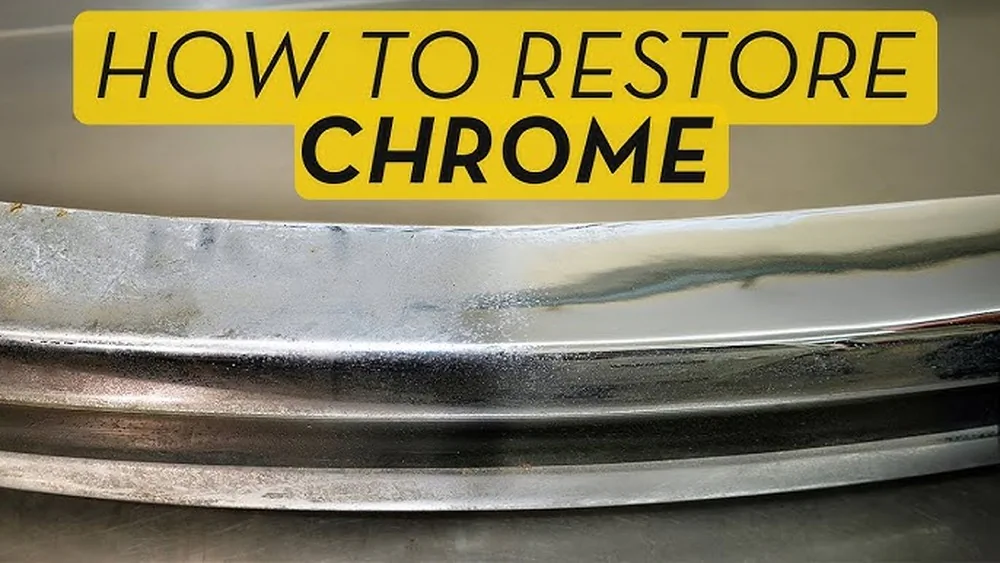
Chrome car parts add a classic shine and a sense of luxury to any vehicle. Whether it’s a set of wheels, a bumper, or trim pieces, chrome finishes catch the eye and help your car stand out. But over time, even the best chrome can lose its mirror-like look. Water spots, road salt, dirt, and even tiny scratches can make chrome look dull or rusty. The good news? With the right methods and a bit of patience, you can clean and restore chrome car parts to their former glory.
In this guide, you’ll learn practical steps for cleaning, polishing, and protecting chrome. You’ll also discover common mistakes to avoid and tips that many beginners miss. Whether you’re caring for a vintage classic or a modern car, these methods will help you maintain that brilliant shine.
Understanding Chrome Car Parts
Chrome plating is a thin layer of chromium applied over metal or plastic. It gives a reflective, shiny surface but is also quite fragile. When the chrome layer is damaged, it exposes the metal underneath, which can rust. That’s why regular care is important—prevention is much easier than repair.
Most car chrome is found on:
- Wheels and rims
- Bumpers
- Door handles
- Grilles
- Mirrors
- Body trims
Knowing what you’re working with helps you choose the right products and techniques.
Common Problems With Chrome Surfaces
Chrome car parts often face:
- Water spots and mineral deposits
- Surface rust (also called “pitting”)
- Road grime and oil stains
- Scratches and swirl marks
Each problem needs a different approach, so identifying the issue first saves time and effort.
Tools And Materials You’ll Need
Before you begin, gather these items:
- Microfiber cloths (soft, non-abrasive)
- Bucket of water (lukewarm)
- Mild car soap (not household cleaners)
- Soft-bristled brush or sponge
- Chrome polish or metal polish
- Aluminum foil (for rust spots)
- Distilled white vinegar
- Protective gloves
- Wax or chrome sealant
- Toothbrush (for tight spaces)
Don’t use steel wool or hard brushes—these can scratch chrome easily. Always use products designed for automotive chrome.
Step-by-step: How To Clean Chrome Car Parts
1. Initial Rinse
Start by rinsing the chrome part with clean water. This removes loose dirt and dust that could scratch the surface during cleaning.
2. Wash With Mild Soap
Mix a few drops of car soap in a bucket of water. Use a microfiber cloth or soft sponge to gently wash the chrome. Pay special attention to crevices where grime collects. Avoid circular scrubbing—go with the grain of the chrome if possible.
Rinse thoroughly with clean water.
3. Dry Completely
Use a dry microfiber cloth to wipe down the chrome. Water spots form easily, so don’t let it air dry.
4. Remove Rust Spots
If you see surface rust, try this trick:
- Dip a small piece of aluminum foil in water or vinegar.
- Gently rub the foil over the rusty area.
- The foil is softer than chrome but harder than rust, so it removes rust without scratching the chrome.
Wipe the area clean with a dry cloth.
5. Polish The Chrome
Apply a small amount of chrome polish to a microfiber cloth. Rub it onto the surface in straight lines. Polish small sections at a time for even coverage. Let it sit for a few minutes, then buff with a clean cloth until you see a mirror shine.
If you don’t have chrome polish, toothpaste (white paste, not gel) can work as a mild polish in a pinch. But for best results, stick with products designed for chrome.
6. Protect With Wax Or Sealant
Once the chrome is clean and shiny, apply a layer of automotive wax or a dedicated chrome sealant. This adds a protective barrier against moisture, road salt, and future rust. Use a soft cloth and follow the product instructions.
Repeat this process every few months for long-lasting shine.
Advanced Restoration: Dealing With Heavy Rust And Pitting
Sometimes, chrome is more than just dirty—it’s deeply pitted or covered in stubborn rust. Here’s what to do:
Heavier Rust Removal
- Soak a cloth in distilled white vinegar and lay it over the affected area for 5-10 minutes.
- Scrub gently with aluminum foil dipped in vinegar.
- Wipe away residue and check progress.
Deep Pitting
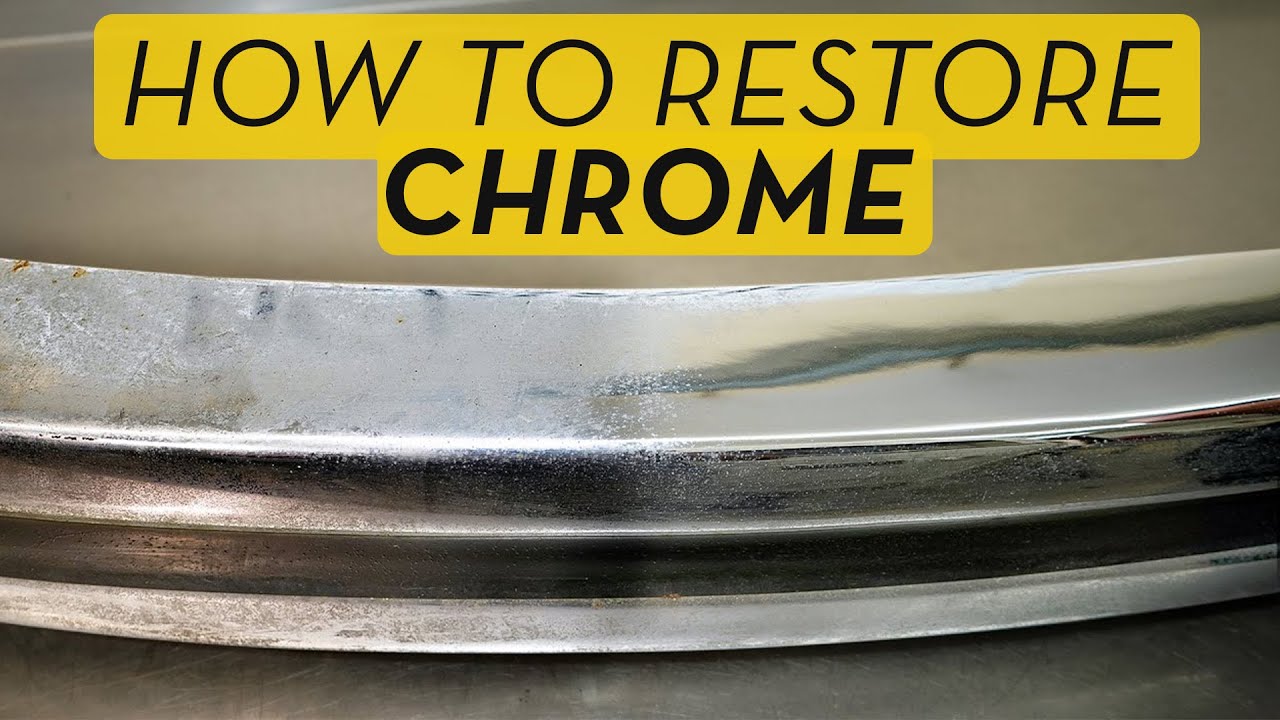
If you see tiny holes or rough spots in the chrome, that means the rust has eaten through the top layer. Unfortunately, once chrome is pitted, it can’t be fully restored without re-plating. However, you can improve the look:
- Clean and polish as above.
- Use a chrome touch-up pen for very small spots.
- For large areas, professional re-plating may be needed.
When To Seek Professional Help
If the chrome is peeling, flaking, or missing in large sections, DIY methods won’t fix it. Look for a chrome restoration shop for professional re-plating. This process is costly but can make old parts look new again.

Credit: www.amazon.com
Chrome Vs. Other Metals: Key Differences
Not all shiny car parts are chrome. Some are stainless steel or polished aluminum. These materials need different care. Here’s a quick comparison to help you identify what you’re working with:
| Material | Appearance | Cleaning Method | Rust Resistance |
|---|---|---|---|
| Chrome | Mirror-like, blue tint | Special chrome polish, gentle cleaning | Low (will rust if damaged) |
| Stainless Steel | Slightly duller, grayish | Metal polish, more tolerant to scrubbing | High (rarely rusts) |
| Polished Aluminum | White, matte shine | Aluminum polish, avoid harsh chemicals | Medium (can oxidize, not rust) |
If you’re unsure, test a small, hidden area first with your cleaning product.
Mistakes To Avoid When Cleaning Chrome
Even a good cleaning plan can go wrong if you’re not careful. Here are mistakes to avoid:
- Using abrasive tools like steel wool or sandpaper. These scratch the chrome.
- Using household cleaners (like ammonia or bleach). They can dull or damage the finish.
- Skipping drying after washing. Water spots can etch into the chrome.
- Ignoring small rust spots. These grow quickly if not removed.
- Cleaning hot chrome parts. Let the part cool—cleaning hot surfaces can cause streaks or spots.
A non-obvious tip: Don’t use chrome polish on painted or plastic trim. It can remove the paint or leave a white residue.
Credit: www.youtube.com
Maintaining The Shine: Routine Care Tips
Once you’ve restored your chrome, regular maintenance keeps it looking its best.
- Wash chrome parts every 2-3 weeks if you drive often.
- Apply wax or sealant every 2-3 months.
- After rain or snow, rinse chrome to remove road salt.
- Store your car in a garage or use a car cover to protect from weather.
For wheels, check air pressure and clean brake dust regularly. Brake dust is acidic and can damage chrome quickly.
Best Chrome Cleaning Products: A Quick Comparison
Not all chrome polishes are equal. Here’s a short comparison of popular options:
| Product | Type | Best For | Average Price (USD) |
|---|---|---|---|
| Mothers Chrome Polish | Paste | General cleaning, shine | $8 |
| Turtle Wax Chrome Polish & Rust Remover | Liquid | Light rust, quick cleaning | $7 |
| Simichrome Polish | Cream | High-gloss finish, delicate chrome | $15 |
Choose a product that matches your needs and always follow the instructions.

Credit: wd40.com.au
Real-world Example: Restoring A Classic Car Bumper
Let’s say you have a 1970s chrome bumper with surface rust and water spots. Here’s how you’d restore it:
- Wash with car soap and dry.
- Soak rust areas with vinegar for 10 minutes.
- Rub with wet aluminum foil until rust is gone.
- Polish with chrome polish using a microfiber cloth.
- Buff to a shine and apply wax.
- Repeat every few months to keep it looking new.
Many car enthusiasts are surprised how well this simple method works—even on parts that look “too far gone. ” The key is patience and gentle cleaning.
The Value Of Protecting Your Chrome
Restoring chrome isn’t just about looks. Well-maintained chrome parts last longer and protect the underlying metal. This can increase your car’s value, especially if it’s a classic or collectible. Regular care saves you money in the long run by avoiding expensive re-plating or part replacement.
A detail often overlooked: Always check for damage under the chrome, like dents or bends. These can cause the chrome to crack or peel later.
For more on the science behind chrome plating and restoration, visit the Wikipedia: Chrome Plating page.
Frequently Asked Questions
How Do I Tell If My Car Part Is Real Chrome Or Just Chrome-look Plastic?
Look for weight and feel—metal is heavier and colder than plastic. Tap the part gently; metal sounds solid, while plastic feels hollow. If you’re unsure, check your car’s manual or ask a professional.
Can I Use Wd-40 To Clean Chrome?
Yes, but with care. WD-40 can remove light rust and grime, but it’s not a polish. Clean and dry the part afterward, as WD-40 leaves a residue that can attract dirt.
What’s The Best Way To Prevent Rust On Chrome Car Parts?
Keep chrome clean and dry. Apply wax or sealant regularly. After driving in rain or snow, rinse off road salt as soon as possible.
Is It Safe To Use Vinegar On Chrome?
Vinegar is safe for light rust removal but use it sparingly. Rinse thoroughly after use to prevent dulling the chrome over time.
How Often Should I Polish Chrome Car Parts?
Polish every 2-3 months or whenever the shine fades. Over-polishing can wear down the chrome, so less is more.
Restoring and caring for chrome car parts is rewarding. With a little time and the right methods, you can keep your vehicle’s chrome shining for years. Pay attention to detail and avoid shortcuts—your car will thank you for it.
Related posts
 Why You Should Use a Foam Cannon for Car Washing: Ultimate Guide
Washing your car is more than just making it look good. It protects the paint, keeps the value high, and makes driving feel better. But if…
 How to Clean Leather Seats Without Damaging Them: Expert Tips
Keeping your leather seats clean can be a challenge. Leather looks beautiful and feels luxurious, but it needs special care. Many people worry about damaging their…
 Why Using a Ceramic Coating Spray is Important for Your Car’s Shine
If you care about your car’s appearance and value, you probably wash and wax it regularly. But did you know there’s a better way to protect…