
How to Apply Tire Shine Without Streaks for a Flawless Finish
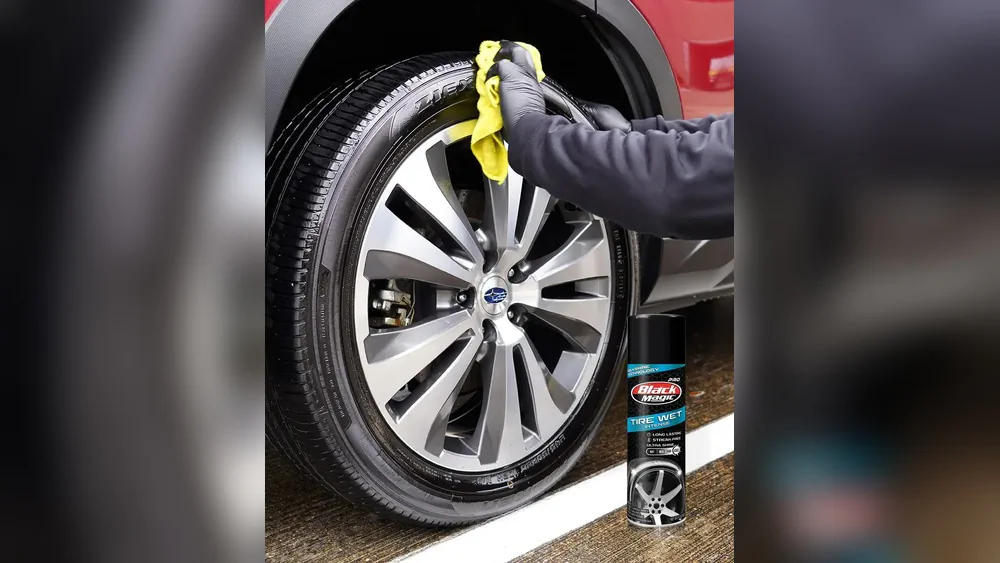
Applying tire shine is one of the easiest ways to make your car look fresh and attractive. But many people end up with streaks, uneven patches, or sticky tires. These mistakes can ruin the clean look you want. Whether you wash your car at home or detail professionally, getting a smooth, glossy tire shine without streaks is possible with the right approach. This guide will show you step-by-step how to apply tire shine like a pro, give you practical tips, and explain common mistakes to avoid. By the end, your tires will look deep black and glossy—no streaks, no mess.
Why Tire Shine Matters
Clean, shiny tires do more than just look good. They protect your tires, help prevent cracking, and can even improve resale value. Studies show that cars with well-maintained tires sell for up to 10% more. A proper shine also keeps your tires looking newer for longer.
But, if you apply it poorly, streaks and sticky buildup can attract dirt and make tires look messy.
Types Of Tire Shine
Choosing the right product is the first step to a streak-free finish. There are three main types of tire shine:
| Type | Finish | Durability | Main Ingredient |
|---|---|---|---|
| Water-based | Matte or Satin | Medium | Silicone, polymers |
| Solvent-based | Glossy | Long | Petroleum distillates |
| Gel | Deep Gloss | Longest | Thickened silicone |
Water-based shines are safest for the environment and tires. Solvent-based products offer higher gloss but may cause rubber to dry out over time. Gel shines last the longest but require careful application to avoid streaks.
Preparing Your Tires
A smooth shine starts with clean tires. Even the best tire shine will streak if applied over dust, mud, or old product residue.
Cleaning Steps
- Rinse tires with water to remove loose dirt.
- Scrub with a tire brush and a dedicated tire cleaner. Avoid using car shampoo on tires—it’s not strong enough to remove old shine or brake dust.
- Rinse again and check for missed spots. Tires should look dull and clean.
- Dry completely with a microfiber towel. Moisture causes shine to streak.
Many beginners skip proper cleaning, but this is the most important step. Old shine, brake dust, and tire oils will all cause streaks if not removed.
Choosing The Right Applicator
Not all applicators give the same results. Using the wrong tool is a common cause of streaks.
| Applicator Type | Best Use | Streak Risk |
|---|---|---|
| Foam pad | Water/gel shine | Low |
| Microfiber cloth | Quick touch-ups | Medium |
| Brush | Textured tires | High |
| Spray bottle | Large tires | Low if wiped |
Foam pads work best for even application. Avoid using old towels or sponges—they absorb too much product and leave streaks. For raised lettering or deep tread, use a small detailing brush for corners, but always finish with a foam pad.

Credit: www.lowes.com
How To Apply Tire Shine Without Streaks
Once you have the right shine and applicator, follow these steps for a flawless finish:
Step-by-step Guide
- Shake the product well. Many tire shines separate during storage. Mixing ensures a consistent shine.
- Apply a small amount to your applicator. Too much product causes streaks and overspray.
- Work in sections. Divide the tire into quarters. Apply shine to one section at a time, using circular motions.
- Spread evenly. Use gentle pressure and go over each section twice. Make sure the shine covers the rubber but doesn’t drip.
- Buff with a clean towel. Wait 5–10 minutes, then wipe off any excess shine. This removes streaks and helps the product bond.
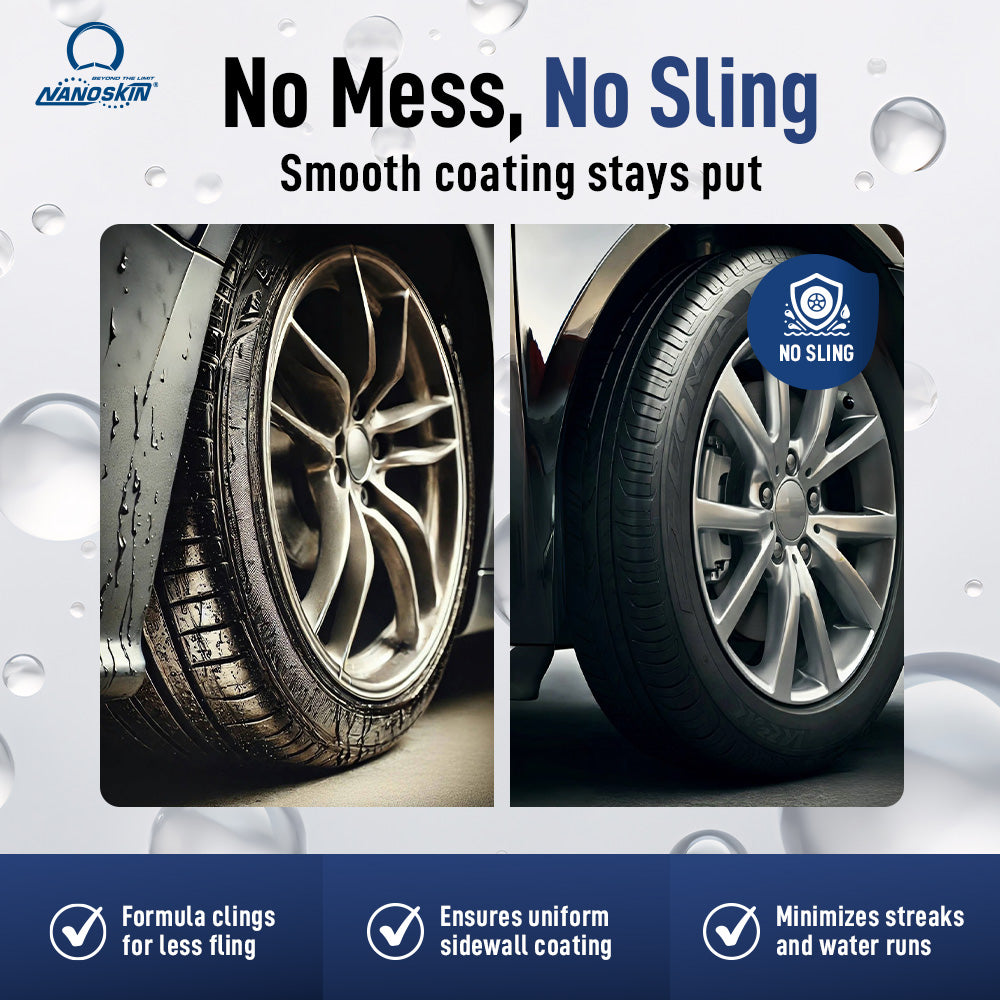
- Let tires dry. Wait at least 15 minutes before driving. This prevents sling—when shine sprays onto your paint.
Practical Example
Imagine you have a gel tire shine and a foam pad. After cleaning and drying your tire, you put a small drop of gel on the pad. You work it into the tire’s surface, section by section. If you notice lines or thick patches, buff gently with a towel.
Waiting before driving gives the shine time to cure and prevents streaks.
Common Mistakes And How To Avoid Them
Even experienced detailers sometimes make mistakes that cause streaks. Here are the most common ones:
- Applying too much shine: Excess product pools and leaves sticky streaks.
- Skipping cleaning: Dirt and old shine cause uneven patches.
- Using a dirty applicator: Old towels or pads spread residue and create lines.
- Not buffing after application: Unabsorbed shine dries unevenly.
- Driving before the shine dries: Wet shine splatters onto paint and forms streaks.
Avoid these by cleaning well, using the right amount of product, and buffing every tire after application.

Credit: www.amazon.com
Advanced Tips For A Professional Finish
Getting a showroom look takes a bit more effort. Here are some expert tricks:
- Mask the wheel: Use painter’s tape to cover the rim. This keeps shine off your wheels and prevents streaks.
- Apply in shade: Direct sunlight dries shine too fast and causes streaks. Work in a cool, shaded area.
- Layer for depth: After the first coat dries, add a second thin layer for extra gloss. Don’t overdo it—two layers are enough.
- Test a small area: If trying a new product, test on a small tire section first. Some shines look different depending on tire brand.
Many beginners think more shine equals better results. But thick layers almost always streak. Thin, even coats last longer and look sharper.
Comparing Top Tire Shine Brands
Choosing a high-quality shine makes application easier and results last longer. Here’s how some popular brands compare:
| Brand | Type | Average Price | Durability (days) | Ease of Application |
|---|---|---|---|---|
| Meguiar’s Endurance | Gel | $10 | 21 | Easy |
| Armor All Extreme | Spray | $8 | 7 | Very Easy |
| Chemical Guys VRP | Water-based | $12 | 14 | Easy |
| Adam’s Tire Shine | Spray | $14 | 10 | Easy |
Gel shines last longest but need careful spreading. Spray shines are fastest, but you must wipe after spraying or streaks will appear. Water-based shines are safest for tires and the environment.
How Often Should You Apply Tire Shine?
Most shines last 7–21 days, depending on weather, driving habits, and product type. If you drive daily or in rain, shine fades faster. Applying every 2–3 weeks keeps tires looking fresh. Avoid over-applying; too much shine can build up and cause streaks.
Non-obvious Insights Beginners Miss
Most guides skip these details, but they make a big difference:
- Tire age matters: New tires absorb shine better and streak less. Older tires have more cracks and oils, so shine can streak. Clean older tires twice before applying.
- Tire shape affects application: Low-profile tires (thin sidewalls) are harder to shine evenly. Use a small foam pad and slow, careful strokes.
- Temperature impacts shine: Applying shine below 50°F or above 90°F increases streak risk. Aim for mild temperatures.
Eco-friendly And Safe Practices
Some shines contain chemicals that harm the environment or dry out rubber. Choose water-based products for safer tires and less pollution. Always dispose of old applicators and towels properly. If you wash shine off, avoid draining into storm sewers.
For more information on tire care and environmental impact, check out EPA Safer Choice.
Frequently Asked Questions
What Causes Streaks When Applying Tire Shine?
Streaks are usually caused by applying too much product, not cleaning the tire first, or using a dirty applicator. Excess shine dries unevenly and attracts dust, leaving visible lines.
Can I Use Tire Shine On All Tire Types?
Most shines work on all types, but some solvent-based products can damage whitewalls or specialty tires. Always read the label and test a small area first.
How Do I Remove Streaks From Tires?
Buff the tire with a clean microfiber towel. If streaks remain, wash the tire again and reapply a thin layer of shine. Avoid harsh cleaners—they can damage rubber.
Is Tire Shine Safe For The Environment?
Water-based tire shines are safest. Solvent-based products may pollute water and harm plants. Always dispose of shine and cleaning materials responsibly.
Does Tire Shine Affect Tire Life?
Applied correctly, tire shine can protect rubber and prevent cracking. But too much or the wrong product can dry out tires. Use thin, even coats and choose water-based shines for best results.
Applying tire shine without streaks is easy with the right steps. Clean your tires well, use a quality product and applicator, and apply thin, even coats. Avoid common mistakes, and your car will have deep, glossy tires that turn heads—no streaks, no sticky mess.
With practice, you’ll get a professional finish every time.
Credit: www.nanoskinusa.com
Related posts
 Why You Should Use a Foam Cannon for Car Washing: Ultimate Guide
Washing your car is more than just making it look good. It protects the paint, keeps the value high, and makes driving feel better. But if…
 How to Clean Leather Seats Without Damaging Them: Expert Tips
Keeping your leather seats clean can be a challenge. Leather looks beautiful and feels luxurious, but it needs special care. Many people worry about damaging their…
 Why Using a Ceramic Coating Spray is Important for Your Car’s Shine
If you care about your car’s appearance and value, you probably wash and wax it regularly. But did you know there’s a better way to protect…