
How to Apply And Use Waterless Car Wash for a Spotless Shine
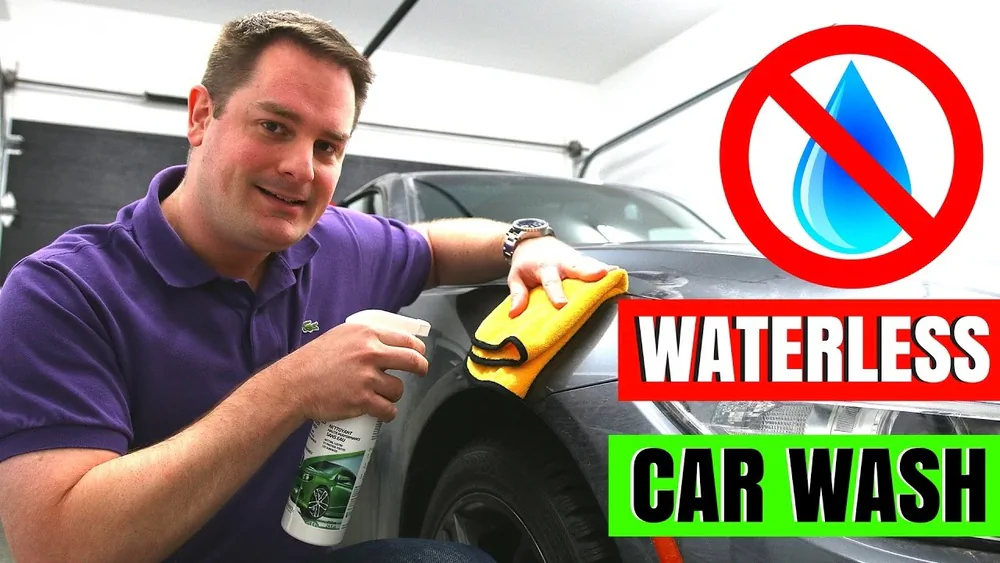
Washing your car doesn’t always mean using buckets of water, hoses, and gallons of soap. In fact, with growing water shortages and urban living, more people are turning to the waterless car wash method. If you’re wondering how to apply and use waterless car wash products safely and effectively, you’re in the right place. This guide covers everything you need to know, from choosing the right product to getting that glossy shine—without wasting a drop.
What Is Waterless Car Wash?
A waterless car wash is a cleaning method that uses special spray products to clean and protect your car’s surface without water. These products contain a mix of lubricants and cleaning agents that lift dirt, allowing you to wipe it away with a microfiber towel. It’s a practical choice for city dwellers, people in drought-prone areas, or anyone who wants to save water and time.
How Does It Work?
Waterless products break down and surround dirt particles, reducing the risk of scratching your paint. After spraying the solution, you use a clean microfiber towel to gently remove dirt. Some products even include wax for extra shine and protection.
Benefits Of Waterless Car Wash
Switching to a waterless car wash has several advantages:
- Saves water: Traditional car washing can use 40 to 100 gallons of water per wash. Waterless solutions use almost none.
- Eco-friendly: Less water means less runoff with chemicals that harm the environment.
- Convenience: Clean your car anytime, anywhere—no hose or water access needed.
- Saves time: Most waterless washes take 20-30 minutes, much faster than a traditional wash.
- Protects paint: Many products include wax or sealant for extra protection.
When Should You Use Waterless Car Wash?
Waterless car wash is ideal when your car is lightly to moderately dirty—dust, pollen, bird droppings, water spots, and fingerprints. It’s not suitable for mud-caked or heavily soiled vehicles. Using it on very dirty cars can scratch the paint.
Practical Example
If you live in an apartment or your city has water restrictions, waterless products let you keep your car clean without breaking the rules. It’s also perfect for quick touch-ups before a meeting or a weekend drive.
Choosing The Right Waterless Car Wash Product
Not all waterless washes are the same. Here’s what to look for:
Types Of Waterless Car Wash Products
| Type | Main Use | Protection Level |
|---|---|---|
| Spray Wash | Quick cleaning | Low to moderate |
| Wash & Wax | Cleaning + shine | Moderate to high |
| Concentrate | Multiple uses, diluted | Varies |
- Spray wash: Best for quick, light cleaning.
- Wash & wax: Good for cleaning plus paint protection.
- Concentrate: More economical if you plan to wash often.
Key Factors To Consider
- Lubrication: High lubrication reduces the risk of scratches.
- Eco-friendly: Look for biodegradable formulas.
- Ease of use: Ready-to-use sprays save time.
- Finish: Some leave a glossy, slick finish; others are matte.
- Scent: Fragrance can make the experience more pleasant, but avoid strong chemical smells.
Popular Brands
Some well-reviewed brands include Chemical Guys, Meguiar’s, and Aero Cosmetics. Always check reviews and make sure the product is suitable for your car’s paint type.
What You Need Before You Start
To apply and use a waterless car wash properly, gather these items:
- 2 to 6 clean, soft microfiber towels (300 GSM or higher)
- Your chosen waterless car wash product
- Optional: Gloves to keep hands clean
- Optional: Detailing spray for extra shine
Step-by-step: How To Apply Waterless Car Wash
Follow these steps for safe and effective cleaning.
1. Find A Shady Spot
Direct sunlight can cause the product to dry too quickly, making it harder to wipe off and possibly leaving streaks. Always work in the shade or during cooler parts of the day.
2. Shake The Product Well
Always shake the bottle to mix the ingredients. This ensures you get the right balance of cleaning agents and lubricants.
3. Spray Generously On A Small Area
Work one panel at a time (for example, a door or half the hood). Spray enough product to cover the area and wet the dirt. Don’t be stingy—generous spraying helps lift dirt safely.
4. Wipe With A Clean Microfiber Towel
Fold your towel into quarters to create multiple clean sides. Lightly wipe in one direction. Do not rub hard or use circular motions—let the towel glide across the surface.
5. Flip To A Clean Side
As soon as one side of your towel gets dirty, switch to a clean section. This prevents scratching from trapped dirt.
6. Buff With A Second Towel
After wiping away dirt, use a fresh, dry microfiber towel to buff the surface and remove any streaks or haze. This step brings out the shine.
7. Repeat On Each Panel
Move around the car, repeating the spray, wipe, and buff steps panel by panel.
8. Inspect Your Work
After finishing, walk around the car. Look for missed spots, streaks, or haze. Re-spray and buff as needed.
Advanced Tips For Better Results
- Use quality towels: Cheap or dirty towels can scratch your paint. Always use soft, clean microfiber.
- Top-down method: Start with the roof, then move to the windows, hood, trunk, doors, and lower panels last. The bottom of the car is usually dirtiest.
- Double cleaning: For stubborn spots like bird droppings, let the product soak for 30 seconds before wiping.
- Two-towel method: Use one towel for cleaning, another for buffing. This avoids smearing dirt.
Common Mistakes To Avoid
- Using on a very dirty car: Thick mud or sand can scratch paint. Pre-rinse heavy dirt or use a traditional wash first.
- Not enough product: If you don’t spray enough, you increase the risk of scratching.
- Reusing dirty towels: Always switch to clean towel sections.
- Working in sunlight: This causes streaks and uneven results.
- Skipping buffing: Without a final buff, you may leave streaks or residue.

Credit: www.youtube.com
Waterless Car Wash Vs. Traditional Car Wash
To help you decide, here’s a comparison:
| Feature | Waterless Car Wash | Traditional Car Wash |
|---|---|---|
| Water Usage | Less than 1 gallon | 40–100 gallons |
| Time Required | 20–30 minutes | 45–60 minutes |
| Best For | Light dirt, urban areas | Heavy dirt, mud |
| Environmental Impact | Low | High (runoff, chemicals) |
| Equipment Needed | Spray, towels | Hose, buckets, soap |
Insight: Many people believe waterless car wash is only for emergencies, but with the right technique, it can be your main cleaning method for months—especially in apartments or during droughts.
How Often Should You Use Waterless Car Wash?
Most car owners can use a waterless car wash every 1-2 weeks, depending on climate and driving conditions. If your car gets dusty quickly or sits outside, more frequent cleaning is fine. Just remember: If your car is covered with mud or sand, pre-rinse or use a traditional wash.
Practical Examples And Real-world Scenarios
- Apartment parking: No hose? No problem. Carry a spray bottle and towels in your trunk for quick cleaning.
- Business trips: Arrive looking sharp by cleaning your car in the hotel parking lot before meetings.
- Car shows or meet-ups: Waterless wash gives a fast, show-worthy shine without fuss.
Waterless Car Wash And Paint Protection
Some waterless car washes include wax or sealant for extra protection. These products add a thin layer that repels water and dust, keeping your car cleaner longer. If you want the best protection, choose a “wash and wax” formula. For older cars, test on a small area first to check for compatibility.

Credit: malcoautomotive.com
Safety And Environmental Impact
Waterless car wash products are generally safe for most modern paint finishes. They’re also safer for the environment because they reduce water waste and chemical runoff. For more on the environmental benefits, see this Wikipedia article.
Non-obvious tip: Always dispose of used towels responsibly. Wash them separately from clothes, using mild detergent and no fabric softener. This keeps the towels soft and effective for next time.
Comparing Top Waterless Car Wash Products
Here’s a quick look at three popular options:
| Brand | Type | Average Cost (16 oz) | Special Feature |
|---|---|---|---|
| Chemical Guys Swift Wipe | Spray | $10-13 | UV protection |
| Meguiar’s Ultimate Waterless Wash & Wax | Wash & Wax | $12-15 | Glossy finish |
| Aero Cosmetics Wash Wax All | Concentrate | $15-18 | Aircraft-grade |
Final Thoughts
A waterless car wash offers a smart, eco-friendly way to keep your vehicle clean, shiny, and protected—without the mess or water waste of traditional methods. With the right product, a few good towels, and careful technique, you can achieve professional results anywhere.
Remember, the key is to use enough product and always wipe gently with clean microfiber towels. Once you get the hang of it, you’ll wonder why you ever used a hose.
Frequently Asked Questions
Is Waterless Car Wash Safe For All Cars?
Yes, most modern vehicles with clear coat paint are safe. However, for cars with older or delicate paint, test on a small area first. Always use high-quality microfiber towels and avoid using waterless products on cars with heavy mud or sand.
Can Waterless Car Wash Remove Scratches?
No, waterless car wash products clean and sometimes add shine, but they can’t repair scratches. In fact, using them on a very dirty car can cause scratches. For scratch removal, you’ll need polishing products.
How Many Towels Do I Need Per Wash?
Usually, you need 4 to 6 clean microfiber towels for a standard-sized car. Use one for cleaning, another for buffing, and switch towels as they get dirty.
What If My Car Is Very Dirty?
If your car is covered with mud, heavy dust, or sand, it’s best to rinse off the bulk of the dirt with water first, then use the waterless car wash for final cleaning and shine.
Does Waterless Car Wash Leave A Residue?
Quality products should not leave a sticky residue if used correctly. Always buff with a clean, dry towel after wiping. If you see streaks, you may need to use more product or switch towels.
Waterless car wash is more than just a trend—it’s a practical solution for modern car owners. Give it a try, and you might never go back to the hose and bucket again.

Credit: www.waterlesscarwash.com.au
Related posts
 Why You Should Use a Foam Cannon for Car Washing: Ultimate Guide
Washing your car is more than just making it look good. It protects the paint, keeps the value high, and makes driving feel better. But if…
 How to Clean Leather Seats Without Damaging Them: Expert Tips
Keeping your leather seats clean can be a challenge. Leather looks beautiful and feels luxurious, but it needs special care. Many people worry about damaging their…
 Why Using a Ceramic Coating Spray is Important for Your Car’s Shine
If you care about your car’s appearance and value, you probably wash and wax it regularly. But did you know there’s a better way to protect…