
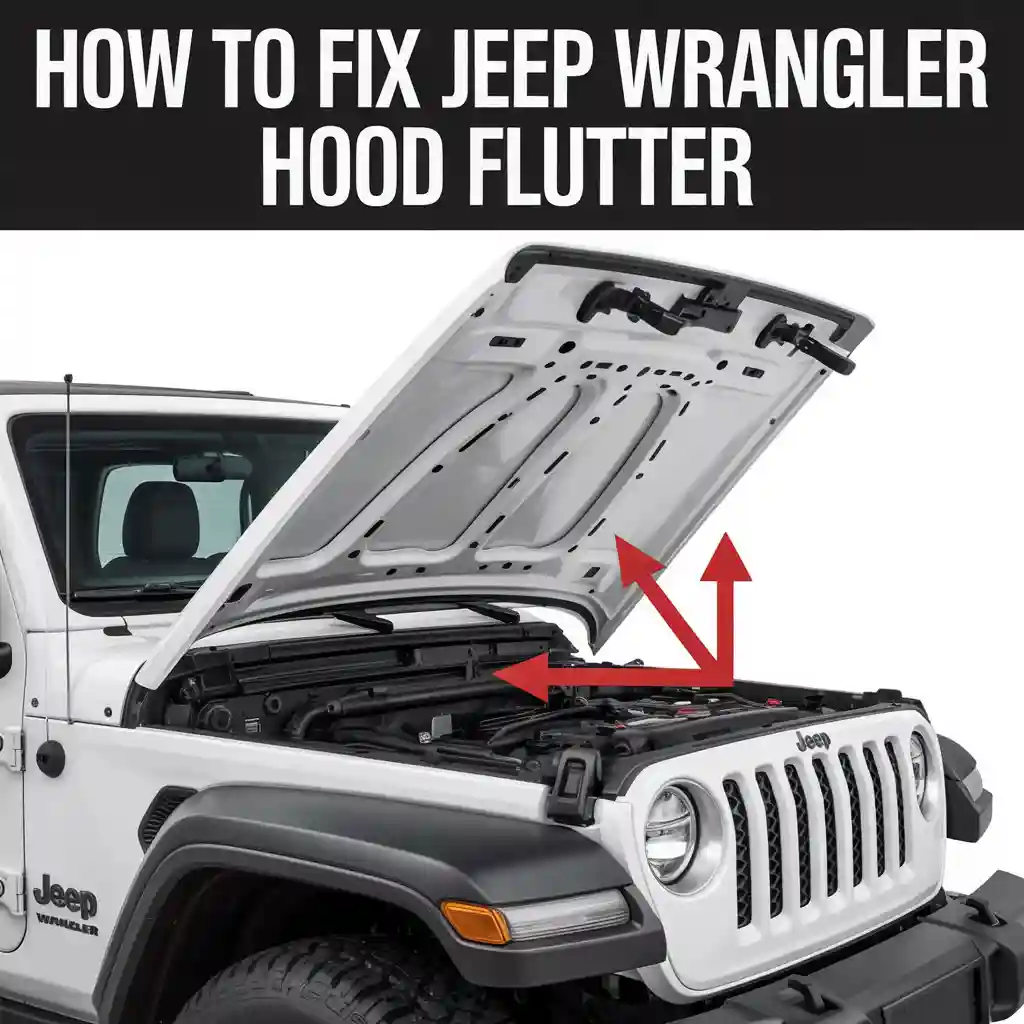
If you own a Jeep Wrangler, you might have noticed a slight, sometimes alarming, movement of the hood when you are driving at highway speeds or encounter a sudden gust of wind. This common issue, often called “hood flutter,” is more than just a minor annoyance; it can be distracting and raise safety concerns. This post will guide you through simple, clear steps on how to fix Jeep Wrangler hood flutter, detailing the causes, solutions, and practical steps anyone can follow. We will cover everything from quick adjustments to installing aftermarket hood latches, ensuring your driving experience is smooth and secure.
Understanding What Causes Jeep Wrangler Hood Flutter
The hood flutter seen on many Jeep Wrangler models, especially the JK generation (2007-2018) and the earlier TJs, is generally caused by the factory hood latches. The Jeep design uses flexible rubber latches and plastic components to secure the hood. Over time, these parts degrade, stretch out, or become brittle from exposure to sun, extreme temperatures, and general wear and tear.
When you drive fast, air rushes over the front end of the Jeep. Because the rubber latches have become loose, the airflow lifts the hood just enough to cause that visible shimmy or shaking. The gap created allows high-pressure air to push up from below, creating a vacuum effect on top, and this combination makes the hood rattle.
Real Examples of Hood Flutter Impact
While hood flutter might seem purely cosmetic, it has practical consequences for Jeep owners.
Braking Distance and Driver Focus: A shaking hood, particularly when driving at 65 miles per hour or faster, is a significant distraction. A fraction of a second lost in focus could translate to a critical increase in braking distance. If you need to stop suddenly, that distraction can delay your reaction time, which directly affects safety.
Component Wear: The constant movement of the hood puts stress on the hinges and the latching points. Over a long period, this repeated stress can lead to premature wear of these crucial components, potentially requiring more expensive repairs later than simply replacing the latches now. The original hood catch can deteriorate, making the problem worse over time.
Fuel Cost Impact (Minor): While not the main issue, the air turbulence caused by a loose hood slightly affects the Jeep’s aerodynamics. This subtle disruption increases drag, meaning the engine has to work marginally harder to maintain speed. For a vehicle already known for its less than stellar fuel economy, fixing the hood stability offers a small, welcome improvement. A secure hood ensures a more streamlined flow of air over the vehicle.
“A loose hood is a sign of tired rubber components. Replacing them is one of the easiest, most rewarding repairs a Jeep owner can make for better peace of mind.” – Mike Peterson, Certified Mechanic
Simple Steps to Diagnose the Problem
Before you buy a new set of hood latches, it is helpful to perform a quick inspection. Many times, the solution is much simpler than a full replacement. This diagnostic phase helps confirm that the latches are indeed the source of the issue.

Checking and Adjusting the Hood Bump Stops
The hood bump stops are small rubber or polyurethane pads located on the grille frame or fender that the hood rests on when closed. Their purpose is to prevent metal on metal contact and provide slight downward pressure.
- Locate the Bump Stops: You will usually find 2 to 4 bump stops near the edges of the grille opening.
- Inspect for Wear: Check if any of these rubber pieces are missing, cracked, or severely compressed.
- Adjust the Height: On many models, these bump stops are threaded and can be screwed in or out to adjust the hood’s resting height. Screw them out slightly (counter-clockwise) to raise them. This provides more contact and downward force on the closed hood, often enough to eliminate minor flutter. Test the hood closure after adjusting to ensure it sits flush.
Inspecting the Factory Rubber Latches
The primary culprits are the hood latches themselves. The factory JK and TJ latches are made from a thick rubber strap that hooks onto a component on the hood.
- Examine the Rubber: Look for signs of stretching, cracking, or general fatigue in the rubber strap. If you can easily hook the latch with very little tension, the rubber is likely stretched out and cannot provide the necessary pull.
- Check the Mounting Points: Ensure the latch components are securely bolted to the fender and the hood. Loose bolts can mimic latch failure, so tighten any that seem loose with a wrench.
Testing the Grille Security
The grille on the Jeep Wrangler is held in place by several clips and screws. If the grille is loose, it allows the entire front assembly to shift, which can look and feel like hood flutter.
- Wiggle Test: With the hood up, gently try to move the grille. It should feel secure. If it wobbles, check the clips and fasteners, especially the ones at the bottom of the grille, which can often pop out after off-road driving or minor impacts.
| Scenario | How often to check | Notes |
| Daily Driver (Street) | Every 6 months | Inspect for sun damage and rubber stretch. |
| Frequent Off-Roader | Before and after major trips | Check bump stop placement and mounting bolt tightness. |
| Storage/Seasonal Use | Before the first drive of the season | Look for signs of cracking from cold or excessive heat. |
Simple and Affordable Fixes for Hood Flutter
Once you have confirmed that the flutter is caused by the hood latches being loose or stretched, you can move on to the fix. These solutions are generally inexpensive and easy to install using basic hand tools.
Option 1: The Quick Fix (Grommet or Zip Tie)
This is a temporary but often very effective fix for stretched rubber latches. It works by reducing the overall length of the rubber strap, increasing the tension.
- Locate the Latch Pin: This is the metal component on the hood that the rubber strap hooks onto.
- Add a Spacer: Loop a heavy-duty zip tie or a thick rubber grommet around the metal latch pin.
- Test the Latch: Try to hook the rubber strap over the pin again. The zip tie or grommet acts as a spacer, making the strap shorter and tighter. If you have to pull the strap down firmly to hook it, you have found the right level of tension to stop the fluttering. This simple modification can quickly eliminate the annoying movement.
Option 2: Replacing with OEM or Heavy-Duty Rubber Latches
Replacing the tired factory latches with a new set of Original Equipment Manufacturer (OEM) parts is the most direct way to solve the problem, especially if you prefer the stock look.
- New OEM Latches: A fresh set of rubber latches will have the original tension and will feel tight when you close the hood. This solves the problem right away.
- Heavy-Duty Rubber Latches: Some aftermarket companies make replacement latches that use a thicker, higher-quality rubber or polyurethane. These look almost identical to the factory latches but are designed to withstand sun and stretching better.
Remember to source reliable parts. For instance, the National Highway Traffic Safety Administration (NHTSA) often tracks reports and recalls related to vehicle components, and while a hood latch issue is rarely a safety recall, it is always a good idea to buy parts from reputable vendors to ensure proper fitment.
The Best Permanent Solution: Aftermarket Metal Hood Latches
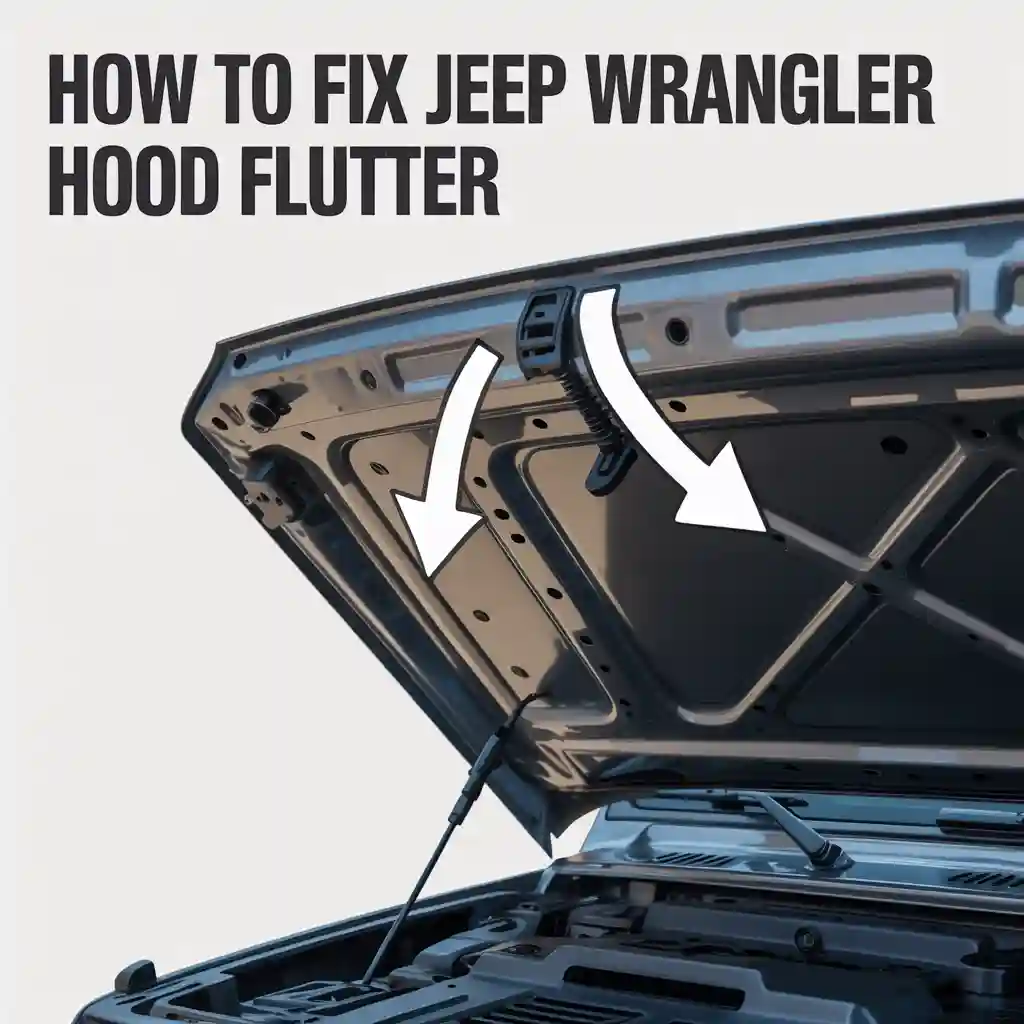
For the ultimate fix, most experienced Jeep owners upgrade to a set of aftermarket metal hood latches. These latches completely eliminate the flexible rubber component that causes the failure. They are a one-time purchase that effectively solves the flutter problem forever.
Why Metal Latches Work Better
Metal latches use a locking mechanism, often a solid metal hook and receiver, secured by a lever, instead of relying on the elasticity of rubber. Once they are closed, they create a rigid connection between the hood and the fender, leaving no room for movement or lifting. These aftermarket parts are also often lockable, adding a minor layer of security.
Installation of Aftermarket Metal Latches
Installing these is a straightforward process that takes most people about 30 minutes to an hour per side.
Step 1: Removing the Old Latches
- Open the Hood: Start with the hood fully open.
- Remove Fender Side: Use a socket wrench to remove the two or three bolts holding the lower portion of the latch (the rubber strap) to the fender.
- Remove Hood Side: Use a wrench or screwdriver to remove the bolts holding the upper portion (the hood-mounted component) to the hood itself.
Step 2: Installing the New Latch Components
- Mount the New Bottom Piece: Align the new metal latch receiver to the original mounting holes on the fender. Secure it with the new hardware provided, but do not overtighten yet.
- Mount the New Top Piece: Bolt the metal latch mechanism to the hood, using the original holes.
- Alignment and Adjustment: This is the most crucial step. Close the hood slowly and check the alignment. The metal hook must fit perfectly into the metal receiver. The mounting points on the fender side often have a small degree of play, which you can use to adjust the component until the hood closes securely, without any play, and sits perfectly flush with the body lines. Tighten all bolts once the alignment is correct.
“When installing metal latches, take the time to dial in the fitment. A perfectly aligned latch feels solid and won’t stress the mounting points.” – Sarah Jenkins, Jeep Owner & DIY Enthusiast
Maintenance and Prevention
Preventing hood flutter from returning is about simple maintenance and choosing the right products. Regular cleaning and treating of the rubber parts will extend their life if you choose to stick with the factory style.
Tips for Extending Rubber Latch Life
- UV Protection: The sun’s ultraviolet (UV) rays are the number one killer of rubber and plastic components on a vehicle. If you have rubber latches, occasionally wipe them down with a non-petroleum based rubber protectant. This prevents drying out and cracking.
- Regular Inspection: Make it a habit to check the latches during your weekly wash. Simply check the tension when you close the hood. If it feels looser than you remember, it is time for an inspection.
- Cleanliness: Dirt and grit can accelerate the wear process. Keep the latch components clean.
Example References for Hood Latch Options
| Latch Type | Pros | Cons | Typical Cost (USD) |
| OEM Rubber | Maintains stock look, cheap and easy replacement. | Stretches out again over time, needs maintenance. | $30 – $60 per pair |
| Heavy-Duty Rubber | Better resistance to stretching and UV, stock look. | Still uses flexible material, will eventually wear out. | $50 – $80 per pair |
| Aftermarket Metal | Permanent fix, adds security, highly durable. | More expensive, requires careful alignment during installation. | $100 – $200+ per pair |
Common Mistakes When Fixing Hood Flutter
Even with a simple repair, there are a few missteps that new drivers often make. Avoiding these common mistakes will ensure your fix lasts and performs properly.
Mistake 1: Not Checking the Bump Stops First
Many people immediately jump to buying new latches without checking the adjustable rubber bump stops. A simple turn of these stops could provide enough downward pressure to stop the flutter instantly, saving you time and money.
Fix: Before buying any parts, turn the bump stops counter-clockwise slightly and test the hood for a tighter seal.
Mistake 2: Overtightening Aftermarket Metal Latches
When installing metal latches, some drivers overtighten the mounting bolts, believing it makes the latch stronger. This can strip the threads or distort the mounting surface on the fender or hood, making the problem worse.
Fix: Use a torque wrench if possible and follow the manufacturer’s recommended torque specifications. If you do not have a torque wrench, tighten the bolts firmly but stop as soon as you feel solid resistance.
Mistake 3: Skipping the Alignment Step
After installing metal latches, you must take the time to align the two components perfectly. If they are misaligned, the hood will not close correctly, or the latch mechanism will bind and wear out quickly.
Fix: Install all hardware loosely. Close the hood to check the fit and adjust the components using the small amount of play in the mounting holes until it closes perfectly. Only then should you fully tighten the bolts.
Tips for a Stable Jeep Hood
A stable hood is just one part of a great Jeep experience. These additional tips will help keep your entire vehicle performing well.
Hood Lock Integration
If you install metal latches, consider an upgrade to a lockable version. Hood locks prevent casual theft of items stored in the engine bay, such as batteries or air intakes, and offer a secondary benefit of knowing the hood is absolutely secured against lifting.
Grille Insert Benefits
While not a direct fix for flutter, installing an aftermarket grille insert (a mesh or screen that covers the openings) can help reduce the amount of direct airflow and debris entering the engine bay. Less air pressure pushing up from below can slightly contribute to reduced flutter, though the primary benefit is protection.
“Preventative maintenance on small, flexible parts is key to long-term vehicle health. Address the flutter early to prevent wear on larger, more expensive components.” – David L. Chen, Automotive Engineer

Seasonal Checklist for Hood and Latch Care
The weather has a huge impact on the rubber and plastic parts of your Jeep. Creating a simple seasonal checklist ensures your hood latches and related components are ready for the changing temperatures.
Winter Prep
- Cold Check: Rubber gets stiff and brittle in the cold. Inspect the latches for small stress cracks. If they look worn, replace them before the coldest months, as a failure in freezing weather is more likely.
- Lubrication: Apply a silicone lubricant to the hood hinges and the metal components of the latches. This prevents freezing and ensures smooth operation.
Summer Prep
- UV Inspection: Summer heat and strong sun accelerate the breakdown of rubber. Check for a white, dried-out appearance on the rubber latches, a sure sign of UV damage.
- Bump Stop Re-Adjustment: The heat can cause some materials to expand slightly. Re-check the adjustable bump stops to ensure they are still providing proper downward pressure.
Frequently Asked Questions About Jeep Hood Flutter
Is hood flutter dangerous?
While the hood of a Jeep Wrangler is double-latched and will not fly open from simple flutter, the constant, noticeable movement can be a major distraction to the driver at highway speeds, which increases the risk of an accident. Fixing it removes this distraction, making the drive safer.
Do I need a professional to install the new latches?
No, the installation of both rubber and most metal aftermarket hood latches is a simple bolt-on process that requires only basic hand tools, such as a ratchet set. Most DIYers can complete the job in under an hour.
Will fixing the flutter improve my gas mileage?
The effect on fuel economy is minimal. Fixing the flutter does slightly improve the vehicle’s aerodynamics by preventing the hood from creating turbulence, but you should not expect a major change in miles per gallon. The primary benefit is stability and peace of mind.
Does the hood flutter only affect older Jeep Wranglers?
Hood flutter is most commonly reported in the JK generation (2007-2018), but it can occur in earlier models like the TJ and occasionally even in the current JL generation, especially when rubber components begin to stretch out or after heavy off-roading.
My hood is rattling, but there is no side-to-side flutter. What else could it be?
If the hood is rattling without the large, visible lift and drop of a flutter, the issue may be loose hood hinge bolts or a slightly loose striker plate. Tighten the bolts on the hinges and the latching component to see if that stops the noise. Also, check that all engine bay components are secure.
What is the advantage of using a lockable metal latch?
Lockable metal latches offer the permanent fix for the flutter problem and also provide security. They prevent anyone from accessing your engine bay when the Jeep is parked, which can deter the theft of batteries or other high-value engine components.
My new metal latches are squeaking. How do I stop this?
A squeak is often a sign of metal-on-metal friction. Apply a small amount of clear silicone grease to the pivot points of the metal latch lever. This lubrication will usually stop the noise immediately without attracting dirt.
Conclusion
Addressing how to fix Jeep Wrangler hood flutter is one of the most cost-effective and rewarding modifications you can make to your vehicle. The common issue is almost always a result of the factory rubber latches stretching out from age and heat, causing the hood to lift from air pressure.
For a fast and cheap solution, try adjusting the rubber hood bump stops or using a zip tie or grommet to shorten the length of the existing rubber straps. For a permanent fix, investing in a set of heavy-duty or metal aftermarket latches will completely eliminate the flutter and provide a more solid feel when driving.
You should make it a weekly habit to simply check the tension on your hood latches and visually inspect the rubber components. Keep a small, reliable tool kit in your glovebox, and know that replacing the worn-out latches is a simple task that any Jeep owner can accomplish.
3 thoughts on “How Fix Jeep Wrangler Hood Flutter”