
Guide to Winch Maintenance for Optimal Recovery Performance: Top Tips
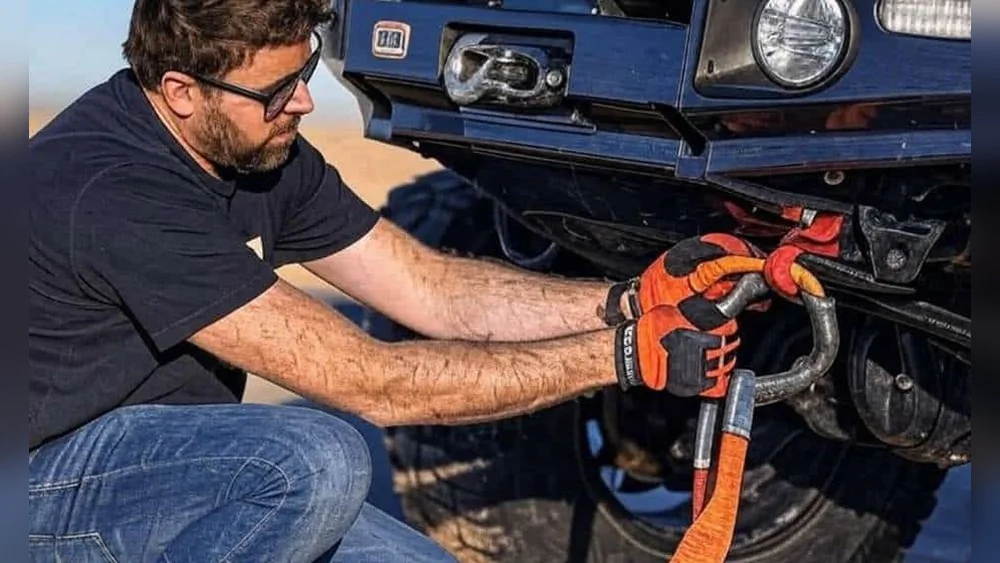
If you rely on a winch for off-roading, work, or vehicle recovery, you already know how much depends on this small but powerful device. But just mounting a winch isn’t enough; regular maintenance is the difference between a smooth rescue and a failed recovery when you need it most. This guide will walk you through everything you need to know about winch maintenance, including practical steps, common mistakes, and expert tips that most beginners miss. Whether you’re new to winching or have years of experience, you’ll learn how to keep your winch ready for any challenge.
Why Winch Maintenance Is Critical
A winch faces intense stress every time you use it. Water, mud, dust, and even UV rays can slowly damage parts, causing failures at the worst possible moment. Neglecting maintenance leads to:
- Corroded cables or ropes
- Slow or stuck motors
- Broken gears
- Electrical failures
A well-maintained winch is not only more reliable but also safer. Recovery situations are already risky; a winch failure can cause injuries, damage, or leave you stranded. Regular care extends your winch’s life and gives you confidence in tough situations.
Core Parts Of A Winch And What Can Go Wrong
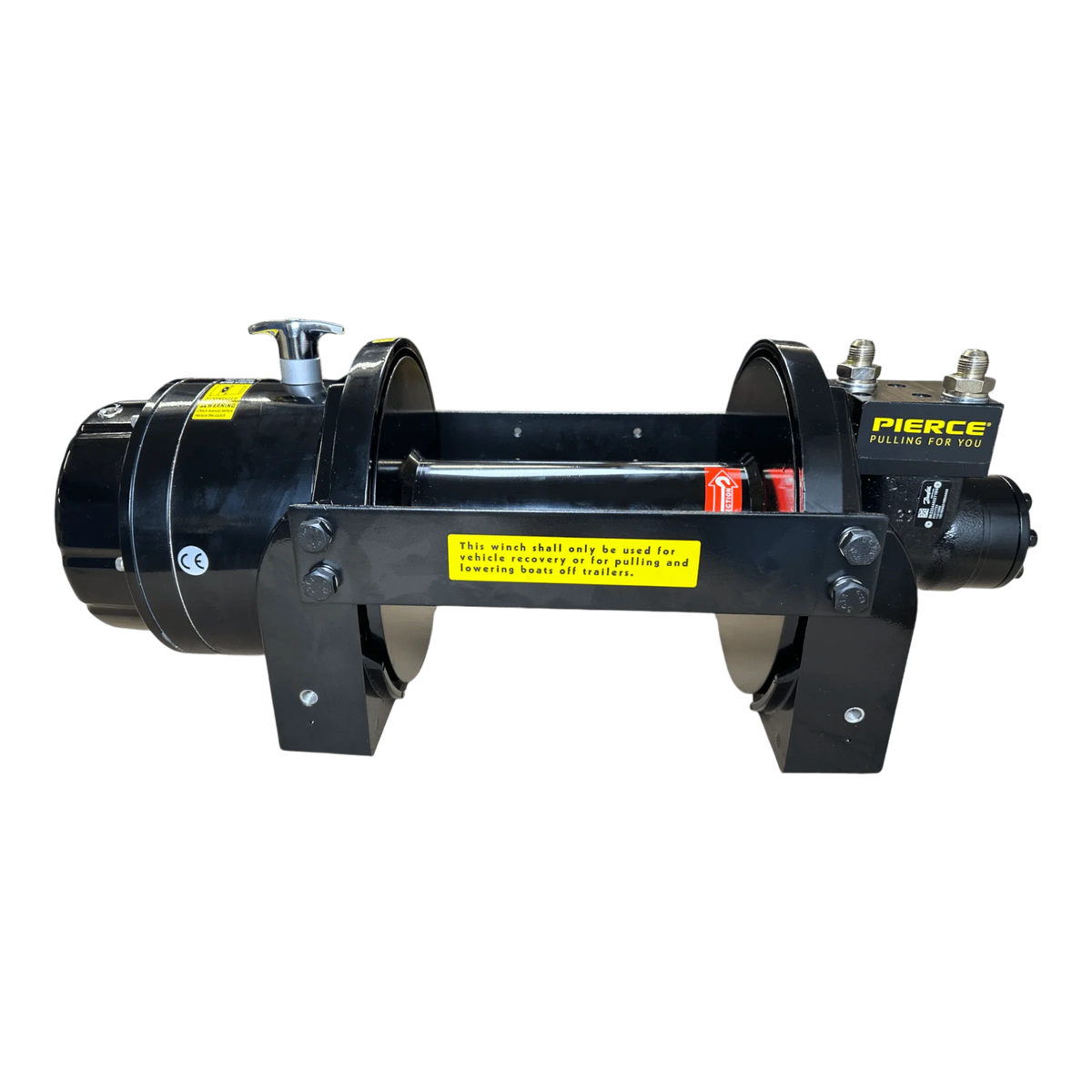
Understanding the main components helps you know where to focus your efforts. Here’s a quick look at key winch parts and what can happen if they are ignored:
| Part | Main Function | Common Issues |
|---|---|---|
| Motor | Powers the winch drum | Burnout, slow operation |
| Cable/Rope | Pulls load | Fraying, kinks, corrosion |
| Drum | Spools cable/rope | Rust, binding |
| Gearbox | Transfers power | Worn gears, leaks |
| Solenoid & Switches | Controls power flow | Sticking, shorts |
| Mounting Bolts | Secures winch | Loosening, rust |
Many failures start small—a bit of rust here, a loose wire there. Routine checks spot these early, saving time and money.

Credit: www.iropes.com
Step-by-step Winch Maintenance Routine
Winch maintenance isn’t complicated, but you must be thorough. Here’s a practical routine you can follow every few months, or more often if you use your winch regularly.
1. Visual Inspection
Look over the entire winch. Check for:
- Frayed cables or ropes
- Cracked housings
- Rusty bolts
- Missing or loose parts
Small problems often show up as visible wear before causing real trouble.
2. Clean The Winch
Dirt and mud are enemies of any mechanical system. Use a brush and water to clean the winch after every muddy or dusty trip. For electric parts, use a damp cloth—never soak them.
- Avoid high-pressure washers on seals or electronics.
- For steel cables, wipe with a rag and light oil.
- For synthetic ropes, rinse with water and let air dry.
3. Lubricate Moving Parts
Proper lubrication prevents metal-on-metal damage. Focus on:
- Drum bearings: Use high-quality grease.
- Gears: Check your manual for recommended gear oil or grease.
- Cable: For steel cables, apply a thin coat of winch cable oil.
Never use greasy lubricants on synthetic ropes—they attract dirt.
4. Inspect And Tighten Bolts
Vibration can loosen mounting hardware over time. Check all:
- Mounting bolts
- Fairlead bolts
- Control box fasteners
Tighten anything that feels loose. Use a torque wrench if possible for correct tightness.
5. Check Electrical Connections
Winches draw a lot of power. Loose or corroded connections cause failures and can damage your battery. Inspect:
- Battery terminals
- Solenoid posts
- Remote plug sockets
Clean with a wire brush, then apply dielectric grease to prevent corrosion.
6. Test Operation
Run the winch for a short time with no load:
- Listen for strange noises
- Watch for slow or jerky movement
- Test both in and out directions
If anything seems off, investigate before your next trip.
7. Inspect The Cable Or Rope
Unspool the entire length. Look for:
- Kinks or frays in steel cable
- Broken strands
- Flat spots (indicates crushing)
For synthetic ropes, check for:
- Abrasion or melted fibers
- Knots
- Discoloration (UV damage)
Replace damaged lines immediately—never risk a recovery with a questionable cable.
8. Store Properly
After cleaning and drying, neatly spool the cable or rope. Keep the winch covered when not in use. UV and weather exposure can quickly age both steel and synthetic lines.
Special Care For Steel Cable Vs. Synthetic Rope
Both cable types need attention, but their care is different. Here’s a simple comparison:
| Feature | Steel Cable | Synthetic Rope |
|---|---|---|
| Rust Risk | High | Low |
| Cleaning | Oil and wipe | Rinse and dry |
| UV Damage | Minimal | High |
| Wear Signs | Kinks, frays | Abrasion, fuzz |
| Storage | Cover from moisture | Cover from sun |
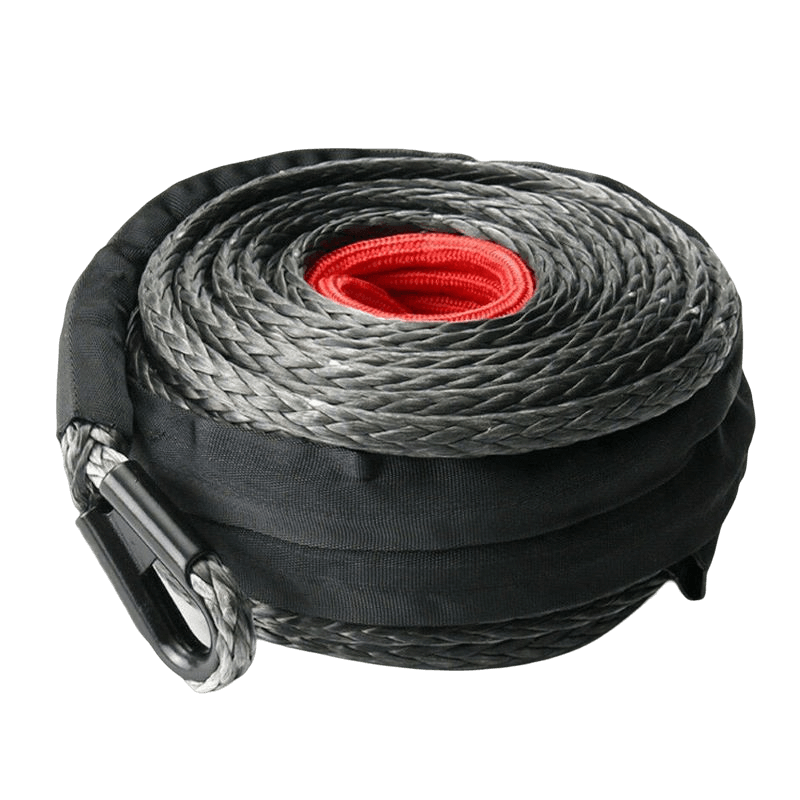
Non-obvious insight: Many people think synthetic ropes are “set and forget,” but UV light quickly degrades them if left uncovered. Always use a UV-resistant cover.
Credit: duracordix.com
Seasonal And Heavy Use Maintenance
If you use your winch often, or in tough environments (mud, snow, sand), increase your checks:
- After deep mud or water crossings: Clean and dry everything. Open the gearbox if you suspect water entry.
- In winter: Check for ice buildup, which can freeze switches and cables. Use silicone spray on exposed parts to prevent sticking.
- After a heavy pull: Always check the line for damage and let the winch cool down before storing.
Pro tip: Mark your maintenance dates on a calendar. It’s easy to forget when your last check was, especially during busy seasons.
Common Winch Maintenance Mistakes
Many winch owners make errors that shorten winch life or risk safety. Avoid these common mistakes:
1. Skipping Post-use Cleaning
Mud and water left on the winch lead to corrosion and stuck parts.
2. Not Checking The Full Cable Length
Most people inspect only the visible part. Damage often hides deep in the spool.
3. Over-lubricating Synthetic Rope
Oil and grease attract grit, which cuts synthetic fibers during use.
4. Using Wrong Lubricants
Some greases attack rubber seals or cause build-up. Check your manual for approved products.
5. Ignoring Warning Signs
Strange sounds, slow speed, or jerky pulls mean something is wrong—fix it before the next use.
6. Forgetting Electrical Checks
A winch can seem fine until a loose wire fails mid-recovery. Regularly check all connections.
Upgrading And Replacing Winch Parts
Maintenance sometimes means replacing worn parts. Here’s when and why to upgrade:
- Cables/ropes: Replace if frayed, kinked, or UV-damaged.
- Solenoids: If the winch hesitates, clicks, or only works in one direction, the solenoid could be failing.
- Switches/Remotes: Replace if operation is unreliable or intermittent.
- Gears: If the winch makes grinding noises or slips, gears may be worn.
Always use parts from a reputable supplier. Generic or mismatched parts can reduce performance or cause dangerous failures.
Safety Checks During Maintenance
Never forget safety. When working on your winch:
- Disconnect the vehicle battery before electrical work.
- Wear gloves when handling steel cable.
- Keep fingers clear of the drum while spooling.
- Inspect the fairlead (the guide for the cable/rope) for sharp edges.
- Check that the winch hook safety latch works.
Non-obvious insight: Many people forget to check the fairlead for burrs or sharp edges. These can quickly cut synthetic rope or damage steel cable.
How Winch Maintenance Boosts Recovery Performance
A well-maintained winch doesn’t just last longer—it works better when you really need it. You’ll notice:
- Faster, smoother operation (especially under heavy load)
- Less battery drain (due to clean electrical contacts)
- Easier remote use (no sticky switches)
- Greater pulling power (no wasted energy in rusty gears)
Professional recovery teams often perform quick maintenance checks before every operation. For most users, monthly checks and post-use cleaning are enough, but never skip them.
Recommended Winch Maintenance Tools And Products
Having the right tools makes maintenance easier and safer. Consider keeping:
- Torque wrench (for proper bolt tightening)
- Wire brush (for cleaning contacts)
- Dielectric grease (for electrical protection)
- Winch cable oil (for steel cables)
- UV-resistant winch cover
- Work gloves (especially for steel cable handling)
- Small brush and mild detergent (for cleaning synthetic rope)
Investing in these items will save you time and money in the long run.
When To Seek Professional Service
If you’re unsure about noises, electrical issues, or gear problems, don’t risk it. A trained technician can:
- Disassemble and inspect internal parts
- Replace worn gears or bearings
- Test electrical systems safely
- Advise on upgrades or replacements
For new winch owners, consider a professional inspection every 1–2 years, especially if you use your winch in extreme conditions.
Frequently Asked Questions
How Often Should I Perform Winch Maintenance?
Check your winch at least every three months, or after every heavy use or exposure to mud, water, or sand. Frequent maintenance is needed if you use your winch regularly or in harsh conditions.
What Is The Best Way To Clean A Synthetic Winch Rope?
Rinse with clean water to remove dirt and mud, then let it air dry completely before spooling it back. Avoid harsh chemicals, and never use oil or grease on synthetic rope.
Can I Use Any Grease Or Oil For Winch Maintenance?
Always use lubricants recommended by your winch manufacturer. Some greases can harm seals or attract too much dirt, especially on synthetic ropes. Check your manual for details.
How Do I Know When To Replace My Winch Cable Or Rope?
Replace the cable or rope if you see fraying, kinks, broken strands, melted fibers, or signs of UV damage. Never use a damaged cable, as it can break under load and cause injury.
Where Can I Find More Detailed Winch Maintenance Guides?
You can find more information in your winch’s user manual or on trusted sites like Warn Industries.
Regular winch maintenance is not just a chore—it’s the key to reliable, safe recoveries and long equipment life. Make it a habit, and your winch will be ready whenever you need it most.
Credit: www.piercearrowinc.com
Related posts
 Why You Should Use a Foam Cannon for Car Washing: Ultimate Guide
Washing your car is more than just making it look good. It protects the paint, keeps the value high, and makes driving feel better. But if…
 How to Clean Leather Seats Without Damaging Them: Expert Tips
Keeping your leather seats clean can be a challenge. Leather looks beautiful and feels luxurious, but it needs special care. Many people worry about damaging their…
 Why Using a Ceramic Coating Spray is Important for Your Car’s Shine
If you care about your car’s appearance and value, you probably wash and wax it regularly. But did you know there’s a better way to protect…