
Can a Winch Snatch Recovery Ring Be Used for Boat Recovery?
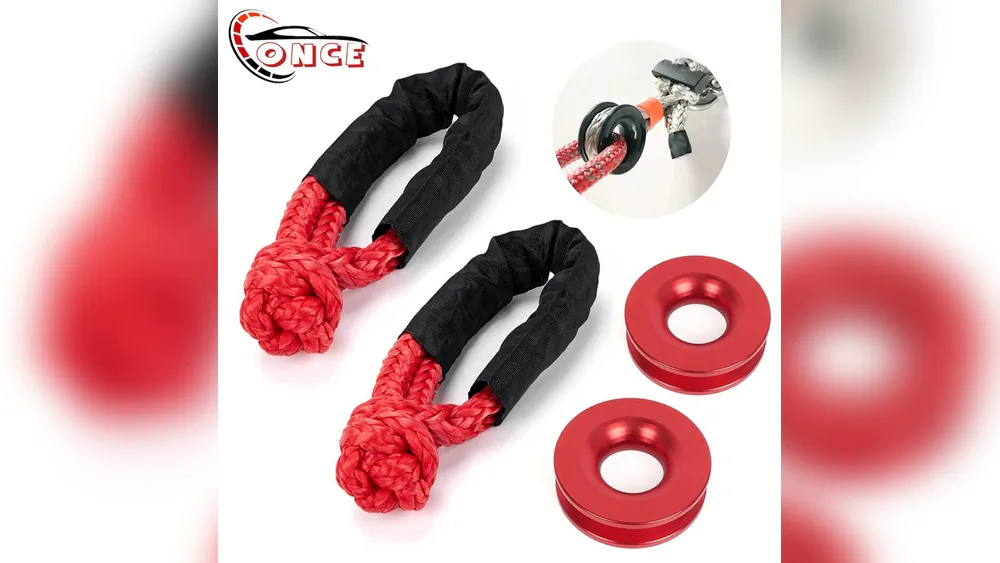
Many boat owners know the anxiety of getting stuck—whether it’s a soft beach landing gone wrong, a trailer launch disaster, or a muddy riverbank. Getting a heavy boat moving again is no small task, and the right equipment makes all the difference. Lately, snatch recovery rings—small, lightweight aluminum rings used with winches and soft shackles—have become popular in the 4×4 world. But can a winch snatch recovery ring really be used for boat recovery? Let’s dive into the specifics, understand the technology, and see where these tools fit in marine situations.
What Is A Winch Snatch Recovery Ring?
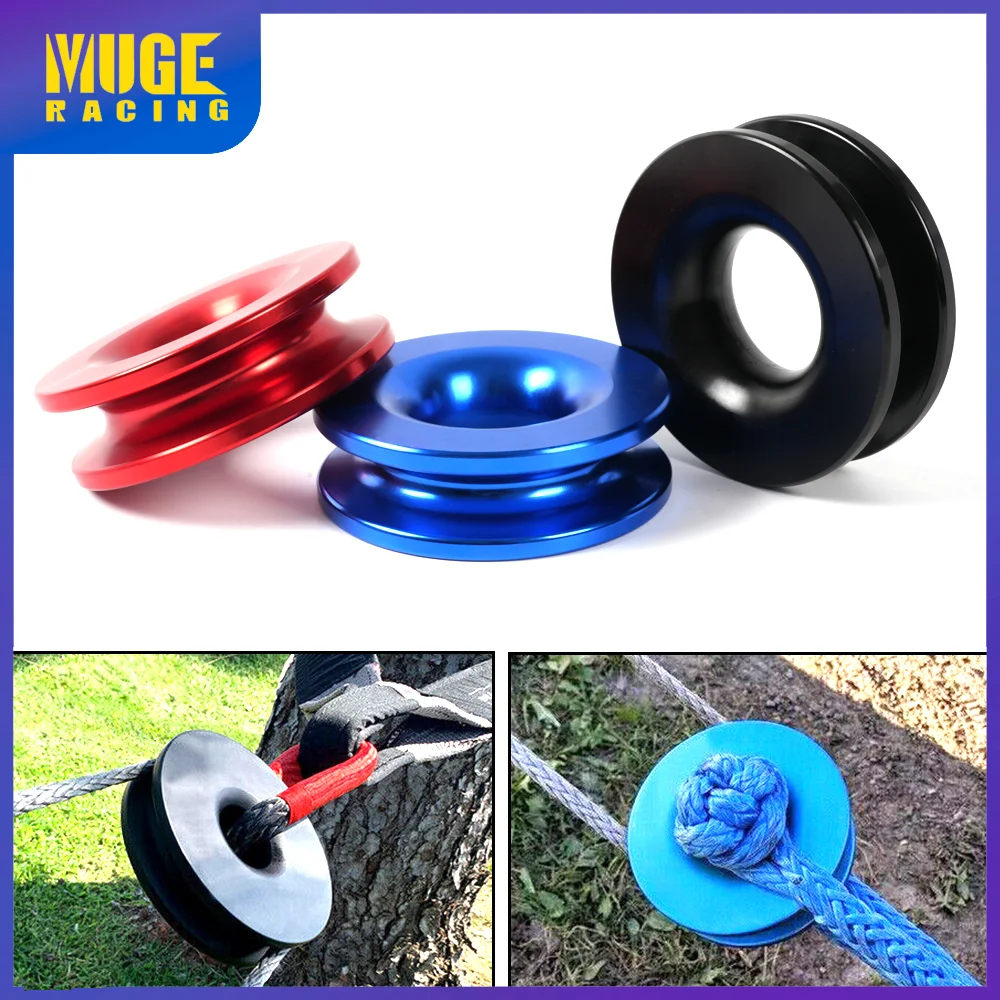
A winch snatch recovery ring is a compact pulley-like device, usually made from aluminum. It’s designed to replace traditional steel snatch blocks. The ring allows a soft synthetic rope or winch line to run smoothly around its groove, creating a mechanical advantage (or a direction change) during recovery.
Instead of using a heavy, moving steel block, you simply thread a soft shackle and your winch line through the ring. The ring slides along the rope as you pull, reducing friction and doubling pulling force if needed. These rings are extremely popular for vehicle recovery due to their light weight, safety, and ease of handling.
How Winch Snatch Recovery Rings Work
Understanding the mechanics helps to see if this tool suits boat recovery. The ring acts as a friction reducer between the winch line and the anchor point. When set up correctly, it:
- Changes the direction of the pull (useful for awkward angles)
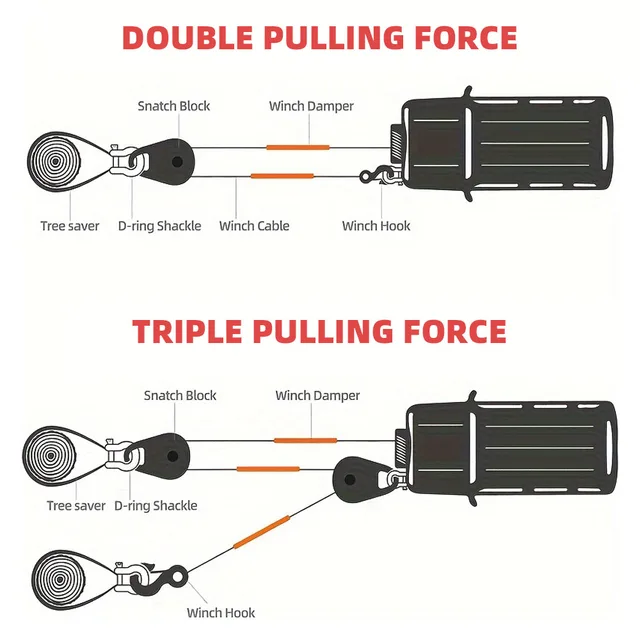
- Doubles the line for increased pulling power (mechanical advantage)
- Spreads the load more evenly, reducing stress on the winch
Unlike steel snatch blocks, the ring has no moving parts. Friction is minimized by the smooth, hard surface and the use of synthetic rope. The ring’s simplicity means less chance of failure and easier maintenance—two big advantages in wet, sandy, or salty environments.
Common Boat Recovery Scenarios
Before considering if a snatch ring fits, it helps to look at typical boat recovery challenges:
- Launching or retrieving a boat from a trailer on a soft, muddy, or uneven ramp.
- Freeing a beached boat stuck on sandbars or mudflats.
- Rescuing a boat from shallow water where engines can’t run.
- Repositioning a boat or pontoon for maintenance or storage.
Each scenario has unique demands, especially regarding line angles, anchor points, and pulling force.
Using A Winch Snatch Recovery Ring For Boat Recovery
Can you use a snatch recovery ring for boats? The short answer is yes—but with important notes.
Suitable Boat Sizes And Weights
Most snatch rings are rated from 8,000 kg (17,600 lbs) up to 20,000 kg (44,000 lbs), depending on size and brand. This covers most recreational boats, including fishing boats, pontoons, and small yachts. For context:
- A 20-foot fiberglass boat with motor and gear: 2,000–3,000 kg (4,400–6,600 lbs)
- Average pontoon: 1,500–2,500 kg (3,300–5,500 lbs)
- 30-foot yacht: 4,000–5,000 kg (8,800–11,000 lbs)
The key is matching the ring and rope ratings to your boat’s weight, plus a safety margin (ideally 2–3 times the boat’s mass).
Typical Recovery Setups
Here’s how a snatch ring setup works for boat recovery:
- Anchor Point: Attach a soft shackle and snatch ring to a strong anchor (tree, bollard, vehicle, or ground anchor).
- Winch Line: Run your synthetic winch line through the ring groove.
- Pull Direction: The ring lets you pull from an angle, useful when direct access is blocked.
- Mechanical Advantage: Double up the line to reduce strain on the winch—important for heavy boats.
Benefits For Boat Recovery
- Lightweight and Compact: Easy to carry on any boat or tow vehicle.
- Corrosion-Resistant: Most rings are anodized aluminum—much better for saltwater than steel.
- Safe with Synthetic Rope: No sharp edges, less risk of line damage.
- Versatile: Works with a variety of anchor points and soft shackles.
Limitations To Consider
- Not for Steel Cable: Snatch rings are designed for synthetic rope only. Steel cables can damage the ring and create dangerous friction.
- Heat Build-Up: Long, heavy pulls can heat up the ring and rope, potentially weakening synthetic fibers. Allow time to cool if doing multiple pulls.
- Anchor Strength: The system is only as strong as the anchor and soft shackles. Always check ratings.
Credit: dailyplanetvt.com
Comparing Snatch Recovery Rings And Traditional Snatch Blocks
To see if rings are a good fit for boaters, compare them with the classic steel snatch block.
| Feature | Snatch Recovery Ring | Steel Snatch Block |
|---|---|---|
| Weight | 200–500g (0.5–1 lb) | 2–5 kg (4–11 lbs) |
| Corrosion Resistance | High (anodized aluminum) | Low (can rust easily) |
| Rope Compatibility | Synthetic rope only | Synthetic or steel cable |
| Maintenance | Minimal (no moving parts) | Needs cleaning and oiling |
| Cost | $$ | $$$ |
Insight: For most recreational boaters, the lighter weight and better corrosion resistance make snatch rings a practical choice, especially if you already use synthetic rope.
Essential Equipment For Safe Boat Recovery With Snatch Rings
To use a snatch recovery ring safely, you’ll need more than just the ring itself. Here’s a typical gear kit:
- Synthetic Winch Line: Rated at least 2–3 times your boat’s weight.
- Snatch Recovery Ring: Choose one rated above your max load.
- Soft Shackles: High-strength Dyneema or similar material.
- Anchor Point: Tree trunk protector, ground anchor, or a vehicle.
- Recovery Damper: A weighted blanket or damper to reduce snapback risk if a line breaks.
- Gloves: For handling rope and shackles.
Pro tip: Never use a damaged soft shackle or frayed rope. Always check gear before every use.
Step-by-step Guide: Boat Recovery With A Winch Snatch Recovery Ring
Let’s break down the process for a typical boat stuck on a ramp or beach.
1. Assess The Situation
Make sure everyone is safe. Plan your anchor points and escape routes.
2. Set Up The Anchor
Attach a soft shackle to a solid anchor (tree, vehicle, bollard). Slide the snatch ring onto the shackle.
3. Thread The Winch Line
Pull out enough synthetic rope from your winch. Pass it through the ring’s groove.
4. Attach To Boat
Secure the end of the winch line to a proper recovery point on the boat (tow hook, bow eye—not rails or cleats).
5. Check Alignment
Make sure the line is not twisted and the ring is free to move.
6. Add A Recovery Damper
Place a damper or weighted blanket on the line for safety.
7. Operate The Winch
Winch slowly, keeping the line taut but not jerky. Watch for heat build-up at the ring.
8. Monitor Everything
Stop if you see the ring or rope overheating, or if anchor points shift.
9. Recover And Inspect
Once the boat is free, carefully rewind the winch and inspect all gear for damage.
Common Mistake: Using a snatch ring with a steel cable or ignoring heat build-up. Always use synthetic rope and check for warmth after long pulls.
Real-world Example
Consider a fishing boat stuck on a muddy riverbank. The nearest vehicle is parked at an angle, not directly in front. Using a snatch ring on a tree lets you change the pull angle safely, avoiding damage to the boat or winch.
The light weight of the ring means it’s easy to carry in a small boat kit, and the lack of moving parts means it won’t seize or rust between uses.
Maintenance Tips For Snatch Recovery Rings In Marine Environments
Saltwater and sand can be harsh on any recovery gear. Here are some ways to keep your snatch ring in top condition:
- Rinse with fresh water after every use, especially after saltwater exposure.
- Dry completely before storing to prevent salt deposits.
- Inspect for grooves or wear—even anodized aluminum can develop small scratches over time.
- Store with other soft gear (not with steel tools) to avoid accidental dings.
When Not To Use A Snatch Recovery Ring
There are times when a snatch ring is not the best option:
- Extremely heavy vessels (large yachts, commercial boats) that exceed the ring’s rating.
- Steel winch lines only—switch to a proper snatch block.
- No suitable anchor points—if you can’t secure the anchor, the ring setup is unsafe.
- High-frequency commercial use—steel snatch blocks may last longer if abused daily.
Snatch Ring Vs. Other Boat Recovery Tools
How does a snatch ring compare to other common recovery tools?
| Tool | Best Use | Weakness | Weight |
|---|---|---|---|
| Snatch Ring | General boat & 4×4 recovery | Only synthetic rope | Very light |
| Steel Snatch Block | Commercial/heavy boats | Heavy, rusts | Heavy |
| Simple Tow Strap | Short pulls, no winch | No mechanical advantage | Light |
| Manual Come-Along | Small boats, no power | Slow, limited pull | Medium |
Two Non-obvious Insights
- Heat is the silent killer: Many users ignore friction heat. Even if the snatch ring feels only warm to the touch, synthetic rope can start to lose strength at temperatures as low as 60°C (140°F). Always allow time for cooling during long or repeated recoveries.
- Soft shackles are not all equal: Cheap, unbranded shackles often fail under load. For boat recovery, always choose shackles rated and tested for your boat’s weight—look for certifications or test data.
Credit: pumpkin-english.com
Final Thoughts
A winch snatch recovery ring is an excellent tool for most boat recovery situations. It’s lightweight, easy to use, and resistant to corrosion—making it ideal for marine environments. Just remember: use only with synthetic rope, respect weight ratings, and always inspect your gear. With the right setup, you’ll be prepared for almost any stuck boat scenario—without the extra weight and rust risk of steel snatch blocks.
For deeper technical details on winch recovery systems, see the Wikipedia winch article.
Frequently Asked Questions
What Size Snatch Recovery Ring Do I Need For My Boat?
Choose a ring rated at least 2–3 times your boat’s total weight, including gear and fuel. Most rings for recreational use are rated from 8,000 kg (17,600 lbs) upwards, which covers most small to medium boats.
Can I Use A Snatch Recovery Ring With Steel Winch Cable?
No. Snatch rings are made for synthetic rope only. Steel cable can damage the ring and create dangerous friction, possibly leading to failure.
Are Snatch Recovery Rings Safe For Saltwater Use?
Yes, most rings are anodized aluminum and resist corrosion well. Always rinse with fresh water and dry after use to prevent salt buildup.
Is A Snatch Ring Better Than A Snatch Block For Boat Recovery?
For most recreational boaters, yes. Snatch rings are lighter, easier to handle, and require less maintenance. However, for very large or commercial boats, a heavy-duty steel snatch block may be safer.
What Other Gear Do I Need With A Snatch Ring?
You’ll need a synthetic winch line, high-quality soft shackles, a reliable anchor point, and a recovery damper for safety. Always check that every component is rated for your boat’s weight.

Credit: www.ebay.com
Related posts
 Why You Should Use a Foam Cannon for Car Washing: Ultimate Guide
Washing your car is more than just making it look good. It protects the paint, keeps the value high, and makes driving feel better. But if…
 How to Clean Leather Seats Without Damaging Them: Expert Tips
Keeping your leather seats clean can be a challenge. Leather looks beautiful and feels luxurious, but it needs special care. Many people worry about damaging their…
 Why Using a Ceramic Coating Spray is Important for Your Car’s Shine
If you care about your car’s appearance and value, you probably wash and wax it regularly. But did you know there’s a better way to protect…