
Best Way to Remove Water Spots from Your Car Windows Fast
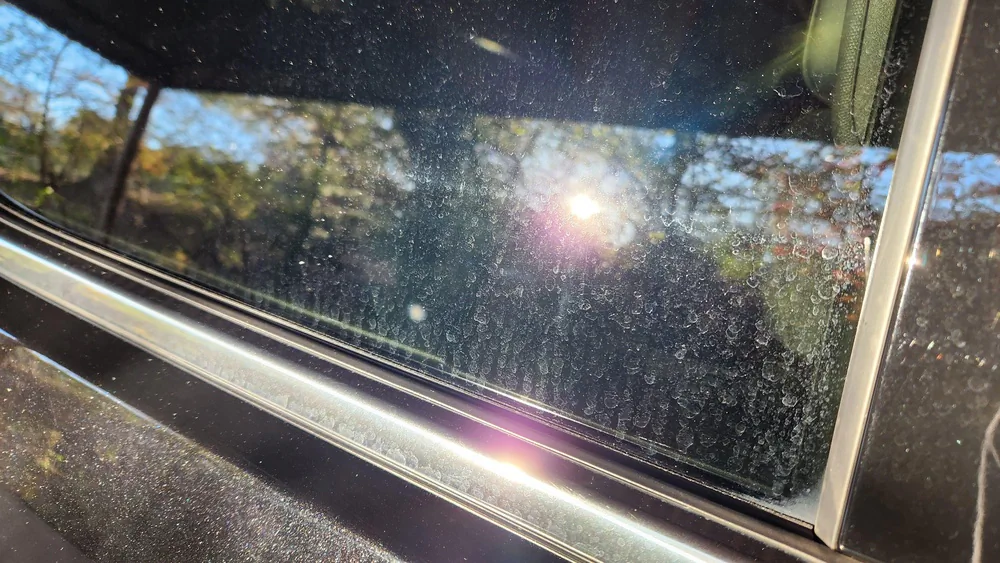
Getting water spots off your car windows can feel like a never-ending battle. After a good wash or a sudden rain, those chalky white spots often appear, making your glass look dirty even when you just cleaned it. Many car owners scrub and wipe, but the marks stay or come back.
If you want a clear view and spotless glass, you need to know why water spots happen and the best ways to remove them. Let’s break down the science, the safest and most effective removal methods, and how you can prevent them in the future.
Why Water Spots Form On Car Windows
Water spots are more than just dried water. When water sits on your car, the liquid slowly evaporates, leaving behind minerals. Most water, especially tap and rainwater, contains calcium, magnesium, and other dissolved minerals. These minerals bond to the glass, forming hard, chalky stains that regular washing cannot remove.
There are two main types of water spots:
- Type I: Simple mineral deposits from clean water, usually white and powdery.
- Type II: Etched spots from acidic rain or strong chemicals, which can damage the surface of the glass.
Type I is easier to clean, but Type II needs more care. Ignoring water spots can make them harder to remove over time and can lead to permanent glass damage.
Common Mistakes When Removing Water Spots
Many people make errors that can make things worse:
- Using harsh abrasives: Rough scrubbing pads or powders can scratch glass.
- Cleaning in direct sunlight: Products dry too fast and leave streaks.
- Ignoring the source: If you keep using hard water, spots will return.
- Using only water: Water alone rarely removes the minerals left behind.
To avoid disappointment, use the right tools and work in a cool, shaded place.

Credit: www.reddit.com
The Best Way To Remove Water Spots From Car Windows
The most effective approach combines the right products, gentle tools, and a bit of patience. There’s no single “magic product”—the best results come from a step-by-step process.
Step 1: Wash The Windows Thoroughly
Start with a clean surface. Use a quality car shampoo and water to wash away dirt and grime. Dry the glass with a microfiber towel to prevent new spots from forming.
Step 2: Choose The Right Water Spot Remover
There are several options, but here are the most reliable:
1. White Vinegar Solution
Mix equal parts distilled white vinegar and water. Vinegar is mildly acidic, helping to dissolve mineral deposits without harming glass.
2. Commercial Water Spot Remover
Special cleaners are made for automotive glass. Look for products labeled “water spot remover” or “glass polish. ” These often contain safe acids or gentle abrasives.
3. Baking Soda Paste
Mix baking soda with a small amount of water to make a paste. This gentle abrasive can help remove stubborn spots.
Here’s a quick comparison:
| Remover Type | Effectiveness | Safety | Cost |
|---|---|---|---|
| Vinegar Solution | Good | Very safe | Low |
| Commercial Remover | Excellent | Safe (follow instructions) | Medium |
| Baking Soda Paste | Moderate | Very safe | Low |
Step 3: Apply The Solution
- Vinegar: Soak a clean microfiber towel in your vinegar solution. Place it over the spots for 1–2 minutes to let the acid work.
- Commercial Remover: Follow the label instructions. Usually, you apply with a towel and gently rub in circles.
- Baking Soda: Use a damp towel to apply the paste and rub gently.
Do not use razor blades or steel wool—these can scratch and permanently damage glass.
Step 4: Rinse And Dry
After cleaning, rinse the window with clean water to remove any cleaner or residue. Dry with a fresh microfiber towel to avoid new spots.
Step 5: Inspect And Repeat If Needed
Some tough spots may need a second treatment. For etched marks (Type II), try a commercial glass polish, but avoid aggressive compounds. If spots remain after two attempts, consult a professional.
Home Remedies Vs. Professional Products
Many car owners ask if they really need special products or if home remedies work just as well. Both have their place.
Home Remedies
- Vinegar is safe, cheap, and widely available. It works well for most Type I water spots.
- Baking soda is mild and rarely causes harm but isn’t strong enough for heavy deposits.
Professional Products
- Made for automotive glass and often faster acting.
- Many contain a blend of acids and safe abrasives.
- Some add a protective coating to resist future spots.
Here’s a side-by-side look:
| Method | Best For | Downside |
|---|---|---|
| Home Remedies | Light to medium spots | May require repeated applications |
| Professional Products | Medium to severe spots | Higher cost |
Pro tip: If you try a home remedy and see little improvement after two rounds, save time and switch to a commercial product.
Preventing Water Spots In The Future
Getting rid of water spots is only half the battle. To keep your car windows clean, prevention matters just as much.
1. Dry Your Windows After Washing
Always use a clean microfiber towel to dry the glass before water evaporates.
2. Use Distilled Water For The Final Rinse
Distilled water has no minerals, so it leaves no spots.
3. Apply A Glass Sealant Or Water Repellent
Products like Rain-X create a slick barrier, making it harder for minerals to stick.
4. Park In Covered Areas
Whenever possible, park in a garage or under a carport to avoid rain and sprinkler water.
5. Check Your Water Source
If you notice heavy spotting, your tap water may be high in minerals. Consider using a water filter for car washing.
Here’s a short prevention summary:
- Dry glass immediately after any water contact
- Use water-repellent treatments every few months
- Avoid parking near sprinklers or under trees
When To Seek Professional Help
Sometimes, DIY methods can’t fix deep etching or severe mineral damage. If you see rainbow marks, pitting, or lines that won’t go away, it’s time to call a professional detailer. They have access to machine polishers and stronger compounds that restore glass without causing further damage.
Credit: www.reddit.com
Non-obvious Insights Most People Miss
Even experienced car owners miss these points:
- Timing is critical: The sooner you tackle water spots, the easier they are to remove. Even a day in the sun can make minerals harder to break down.
- Wiper blades matter: Old, dirty wipers can grind minerals into the glass, making stains permanent. Replace your wipers regularly and clean the blades often.
- Invisible glass damage: Sometimes, what looks like a light spot is actually etched glass. If a spot feels rough or catches your fingernail, it’s likely permanent.
Real-world Example: Fixing Stubborn Water Spots
Let’s say you washed your car on a hot day and forgot to dry the windows. The next morning, you see cloudy, white marks all over the glass. Here’s what you do:
- Wash the glass with car shampoo and dry completely.
- Soak a towel in a vinegar-water mix and lay it over the spots for two minutes.
- Rub gently, using a clean section of towel for each area.
- Rinse and dry. If needed, apply a commercial water spot remover.
- Finish by applying a glass sealant.
After this process, most windows return to perfect clarity. But if some marks remain, check if they’re etched—if yes, call a professional.
Product Recommendations
While there are many brands, here are a few highly-rated options:
- Meguiar’s Water Spot Remover: Safe for glass, paint, and chrome.
- Chemical Guys Heavy Duty Water Spot Remover: Works quickly on hard water stains.
- Rain-X Glass Water Repellent: Adds a protective layer to prevent future spots.
Always read the label and test on a small area first.
Quick Data: Water Spot Hardness And Removal
Not all water spots are the same. Their hardness depends on water mineral content. Here’s a quick overview:
| Water Hardness (ppm) | Spot Severity | Removal Difficulty |
|---|---|---|
| 0–60 | Low | Easy |
| 61–120 | Medium | Moderate |
| 121+ | High | Difficult |
If you live in an area with hard water (over 120 ppm), be extra careful about drying your car and using protective treatments.
Final Thoughts
A spotless windshield and windows make your car safer and more attractive. Water spots can be stubborn, but with the right approach, you can remove them without scratching or damaging the glass. Act quickly, use the right products, and don’t underestimate the power of drying your car. Prevention is easier than repeated cleaning. For ongoing advice and more detailed guides, you can check resources like the Wikipedia page on car washing.
Frequently Asked Questions
What Causes Water Spots On Car Windows?
Water spots form when water with dissolved minerals dries on your glass, leaving behind deposits. Rain, sprinklers, and hard tap water are common sources.
Can I Use Lemon Juice Instead Of Vinegar?
Yes, lemon juice is also acidic and can help dissolve mineral deposits. However, it may be sticky and attract dirt if not rinsed well.
Are Water Spots Harmful To Windows?
Light spots are mostly cosmetic, but deep etching can weaken and permanently mark glass. Ignoring them makes removal harder.
How Often Should I Apply A Glass Sealant?
A good glass sealant lasts 2–3 months. Reapply every season or after heavy rain for best protection.
Will Washing With Bottled Water Prevent Spots?
Washing with distilled or bottled water (if low mineral) for the final rinse can prevent most spots, especially in hard water areas.
If you follow these steps, you’ll enjoy clean, clear car windows for the long run. A bit of prevention and quick action after spotting can save you hours of scrubbing and keep your view crystal clear.

Credit: www.championautoglass.com.au
Related posts
 Why You Should Use a Foam Cannon for Car Washing: Ultimate Guide
Washing your car is more than just making it look good. It protects the paint, keeps the value high, and makes driving feel better. But if…
 How to Clean Leather Seats Without Damaging Them: Expert Tips
Keeping your leather seats clean can be a challenge. Leather looks beautiful and feels luxurious, but it needs special care. Many people worry about damaging their…
 Why Using a Ceramic Coating Spray is Important for Your Car’s Shine
If you care about your car’s appearance and value, you probably wash and wax it regularly. But did you know there’s a better way to protect…