
Best Way to Clean Leather Car Seats at Home: Ultimate Guide
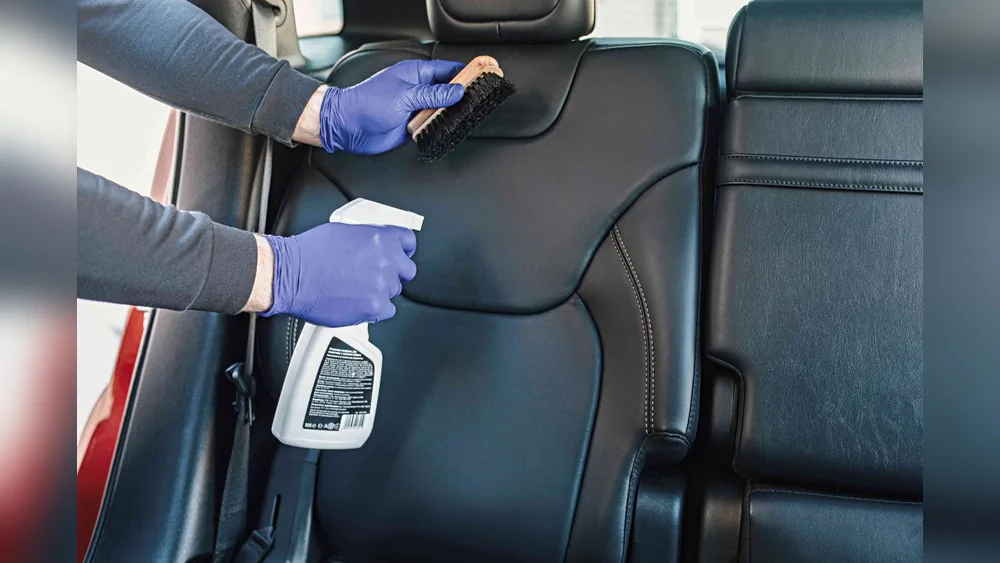
Keeping your car’s leather seats clean isn’t just about looks—it’s about preserving their value and comfort. Leather seats make your car feel luxurious, but they need careful maintenance. If you ignore them, dirt, sweat, and spills can cause cracks, fading, and unpleasant odors. Many drivers worry about ruining their leather while cleaning, or they think professional services are too expensive. The good news: with the right methods and products, you can clean leather car seats at home, safely and effectively.
This guide will show you step-by-step how to clean leather seats, explain what products work best, share practical tips, and help you avoid common mistakes. You’ll also see comparisons between homemade and store-bought cleaners, learn about leather types, and discover how to keep your seats looking new.
Whether your car is a daily commuter or a prized classic, these techniques will help you maintain its interior with confidence.
Understanding Leather Car Seats
Leather seats aren’t all the same. Most cars use top-grain leather, which balances softness and durability. Some luxury cars use full-grain leather, which is even higher quality but requires more care. A few models use synthetic leather (often called “leatherette”), which is easier to clean but lacks the authentic feel.
Why does this matter? The type of leather affects which cleaning products you should use. For example, harsh chemicals can damage natural leather but may not harm synthetic versions. Always check your owner’s manual or look for a tag under the seat to identify your seat material.
Common Leather Problems
- Cracking: Caused by dryness, sun exposure, or poor cleaning.
- Fading: UV rays and abrasive cleaners can lighten the color.
- Stains: Food, drinks, and sweat leave marks that become harder to remove over time.
Essential Tools And Products
You don’t need expensive equipment to clean leather seats at home. Here’s what works best:
- Vacuum cleaner: Use a soft brush attachment.
- Microfiber cloths: They clean gently without scratching.
- Soft-bristled brush: Helps loosen dirt in seams.
- Leather cleaner: Choose a pH-balanced formula.
- Leather conditioner: Restores moisture and shine.
You can also use mild homemade solutions, but avoid harsh soaps or alcohol-based products.
Homemade Cleaner Vs Store-bought Cleaner
Let’s compare the two main options for cleaning leather:
| Cleaner Type | Ingredients | Pros | Cons |
|---|---|---|---|
| Homemade | Water, mild soap, vinegar | Cheap, easy to make | May not remove tough stains, can dry leather if not careful |
| Store-Bought | pH-balanced, designed for leather | Effective, protects leather | More expensive, must choose carefully |
Step-by-step Cleaning Guide
Cleaning leather car seats isn’t difficult if you follow the right steps. Here’s a proven process:
1. Vacuum And Dust
Always start by vacuuming the seats. Use a soft brush attachment to remove dirt and debris. Pay attention to seams and edges, where crumbs and dust hide. This prevents scratches during cleaning.
2. Test Your Cleaner
Before applying any cleaner, test it on a small, hidden area. Wait a few minutes to ensure it doesn’t discolor or damage the leather. This is a step many beginners skip, but it can save you from costly mistakes.
3. Apply Cleaner
Spray or apply your leather cleaner to a microfiber cloth (never directly to the seat). Gently wipe the surface, working in small sections. For dirty areas, use a soft-bristled brush to loosen grime. Don’t scrub aggressively—leather is sensitive.
4. Remove Cleaner Residue
Wipe away excess cleaner with a clean, damp cloth. Any leftover product can attract dust or leave streaks.
5. Condition The Leather
Once the seats are dry, apply leather conditioner. Use another microfiber cloth and work the conditioner in with small, circular motions. This step restores moisture and prevents cracking. Wait 10-15 minutes, then buff with a dry cloth for a smooth finish.
6. Air Out The Interior
Open car doors or windows for 30 minutes. This helps remove any chemical smells and ensures the seats are fully dry.
Leather Conditioning: Why It Matters
Many drivers clean but forget to condition their seats. Leather is skin—it needs moisture to stay flexible and strong. Conditioners contain oils that replenish what cleaning removes. If you skip this step, your seats will dry out and crack.
How often should you condition? Experts recommend every 3–6 months, depending on climate and usage. Cars parked in hot, sunny areas need it more often.
Conditioning Comparison
Here’s a quick look at popular conditioners:
| Brand | Main Ingredient | Price (USD) | Effect |
|---|---|---|---|
| Lexol | Lanolin | $10 | Softens, protects |
| Meguiar’s | Natural oils | $13 | Restores shine |
| Leather Honey | Non-toxic formula | $20 | Deep moisture |
Credit: www.youtube.com
Special Tips For Stain Removal
Some stains require extra care. Here’s how to tackle common problems:
- Ink stains: Dab with a cotton swab dipped in rubbing alcohol, then wipe with a damp cloth. Never rub hard—this spreads the ink.
- Grease stains: Sprinkle baking soda on the spot, let it sit for a few hours, then vacuum gently.
- Food spills: Clean quickly with mild soap and water. Letting food sit leads to stubborn stains.
A non-obvious tip: For tough stains, use a white eraser (the kind used for pencils) to gently rub away marks. It’s safe for most leathers and doesn’t leave residue.
Protecting Leather Seats For The Long Term
Cleaning is only part of the equation. To keep your seats in top condition, follow these protection strategies:
- Use seat covers: Especially if you have pets or children.
- Park in the shade: Sunlight fades and dries leather.
- Apply UV protectant: Some conditioners include this feature.
- Avoid sharp objects: Keys, pens, and buckles can scratch leather.
A common mistake is using household cleaning wipes—they often contain alcohol or bleach, which can ruin leather.
Leather Vs Fabric: Durability Comparison
Here’s how leather seats stack up against fabric seats for durability:
| Seat Material | Average Lifespan (years) | Common Issues | Maintenance Level |
|---|---|---|---|
| Leather | 8–12 | Cracking, fading | Medium |
| Fabric | 5–8 | Stains, odors | Low |
Mistakes To Avoid
Even well-intentioned cleaning can harm your seats. Here are mistakes you should avoid:
- Using too much water: Excess moisture can cause mold and weaken leather.
- Skipping conditioning: This leads to dryness and cracking.
- Cleaning with harsh chemicals: Bleach, ammonia, and alcohol strip away natural oils.
- Ignoring stains: The longer a stain sits, the harder it is to remove.
- Scrubbing aggressively: Leather is tough, but not invincible.
A practical insight: Always use separate cloths for cleaning and conditioning. Mixing them can leave unwanted residue or streaks.
Quick Maintenance Routine
You don’t need to deep clean every week. Here’s a simple routine for keeping leather seats fresh:
- Weekly: Wipe seats with a dry microfiber cloth to remove dust.
- Monthly: Use a damp cloth for light cleaning.
- Every 3–6 months: Deep clean and condition.
This schedule prevents buildup and keeps your seats looking new.
Credit: www.youtube.com
How To Clean Perforated Leather Seats
Some cars have perforated leather, with small holes for ventilation. These need extra care because liquids can seep inside.
- Use a minimal amount of cleaner and avoid soaking the cloth.
- Vacuum the holes gently to remove dust.
- If spills happen, blot immediately with a dry cloth.
Perforated seats are more sensitive, so always test products first and avoid foam-based cleaners.
When To Seek Professional Help
Sometimes, home cleaning isn’t enough. If your seats have deep stains, severe cracking, or a sticky feel, consider a professional. They use specialized tools and products that restore leather safely. Professional cleaning costs $75–$200 per session, but it can extend your seat’s life by years.
If you’re unsure, ask a local auto detailer for advice. They often offer free consultations.
:max_bytes(150000):strip_icc()/how-to-clean-leather-car-seats-5204366-07-7bd9d1ef3e474a24ae1cdbf932a789e2.JPG)
Credit: www.thespruce.com
Frequently Asked Questions
How Often Should I Clean Leather Car Seats?
You should clean leather seats every month and deep clean with conditioning every 3–6 months. If your car is used daily or parked in the sun, clean more often.
Can I Use Household Soap Or Wipes?
Avoid regular soap or cleaning wipes. They often contain chemicals that dry out or discolor leather. Use a pH-balanced leather cleaner designed for automotive interiors.
What’s The Best Way To Remove Tough Stains?
For tough stains, use a leather-specific stain remover or follow the steps for ink and grease stains above. Always test any product on a hidden area first.
Are Homemade Cleaners Safe For All Leather Types?
Homemade cleaners can work for top-grain leather, but they may dry out full-grain leather or damage synthetic versions. Always check your car’s manual and test first.
Where Can I Find Reliable Leather Care Products?
Look for trusted brands at auto stores or online. For more guidance, see Consumer Reports for product reviews and tips.
Cleaning leather car seats at home gives you control, saves money, and keeps your car looking great. With careful cleaning and regular maintenance, your seats will stay soft, shiny, and comfortable for years. Remember, the best results come from gentle products, consistent care, and attention to detail.
Don’t wait for damage—start your routine now and enjoy the luxury of well-kept leather every time you drive.
Related posts
 Why You Should Use a Foam Cannon for Car Washing: Ultimate Guide
Washing your car is more than just making it look good. It protects the paint, keeps the value high, and makes driving feel better. But if…
 How to Clean Leather Seats Without Damaging Them: Expert Tips
Keeping your leather seats clean can be a challenge. Leather looks beautiful and feels luxurious, but it needs special care. Many people worry about damaging their…
 Why Using a Ceramic Coating Spray is Important for Your Car’s Shine
If you care about your car’s appearance and value, you probably wash and wax it regularly. But did you know there’s a better way to protect…