
Best Tools for Cleaning Car Wheels and Rims: Top Picks for 2026
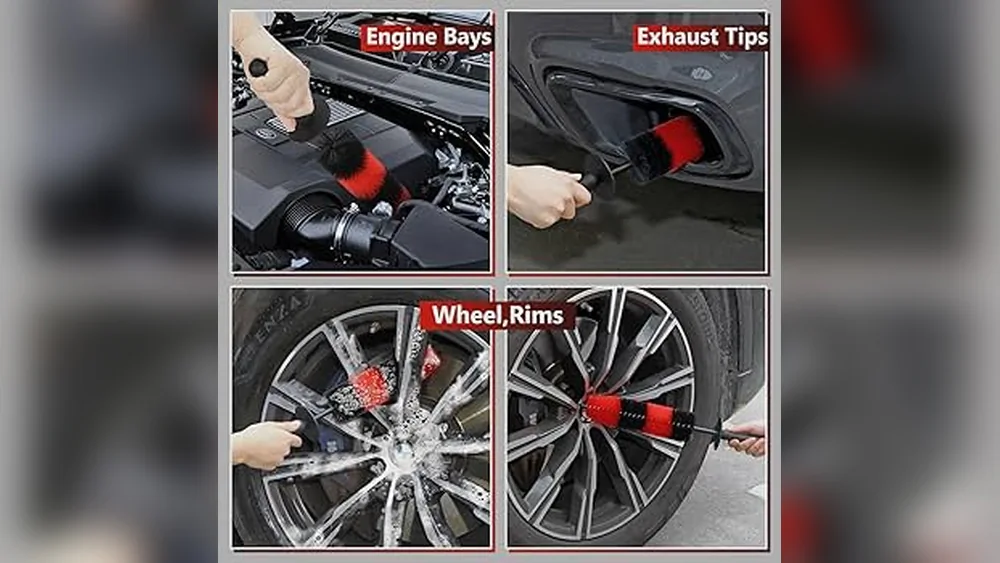
Keeping your car’s wheels and rims clean isn’t just about making your ride look good—it’s also about protecting your investment. Wheels collect brake dust, road grime, and stubborn tar that can corrode the finish or even damage the metal if left untreated.
Yet, many car owners find that cleaning wheels is the hardest part of a car wash. The right tools can make this tough job much easier, faster, and more effective. This guide takes you through the best tools for cleaning car wheels and rims, why each one matters, and how to get pro-level results at home—even if you’re a beginner.
Why Using The Right Tools Matters
Wheels face some of the harshest conditions on your car. Brake dust contains tiny metal shavings that can pit and stain surfaces. Road salt and tar stick tightly to rims, especially after long drives. Using regular car wash sponges or towels can miss dirt in tight corners, and sometimes even scratch the finish.
Specialized wheel cleaning tools are designed to reach every curve, gap, and spoke without causing damage.
Using the right tools also saves you time. For example, a quality wheel brush can clean between spokes in seconds, while the wrong brush may push dirt around or not fit at all. Plus, certain tools help protect you from harsh chemicals by keeping your hands safe and clean.
Essential Tools For Cleaning Car Wheels And Rims
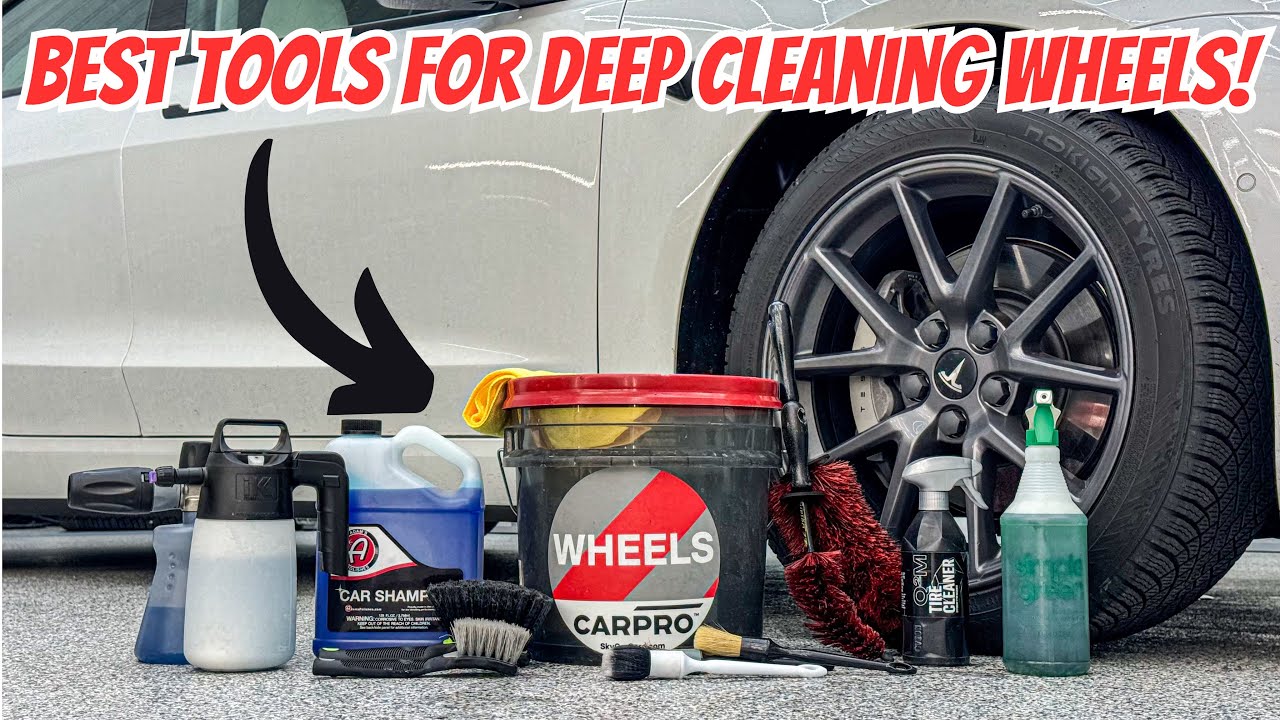
Let’s explore the must-have tools you need for a complete clean. Each one plays a unique role. For best results, mix and match these tools based on your car’s wheel design and how dirty your wheels get.
1. Wheel Brushes
Wheel brushes come in many shapes and materials. The best ones can reach deep into the barrel (the inside part) of the wheel, around lug nuts, and between tight spokes.
- Soft-bristled brushes: These are gentle on delicate finishes like chrome or polished aluminum. They remove dust and grime without scratching.
- Barrel brushes: Long, flexible brushes that reach deep inside the wheel. Perfect for multi-spoke or complex designs.
- Detailing brushes: Small, round brushes for lug nuts and tight corners.
Here’s a quick comparison of popular wheel brush types:
| Brush Type | Best For | Pros | Cons |
|---|---|---|---|
| Soft-bristled | Alloy, chrome, painted wheels | Gentle, versatile | May not remove heavy grime |
| Barrel brush | Deep cleaning, multi-spoke | Reaches inside, flexible | Can splash if used fast |
| Detailing brush | Lug nuts, tight areas | Precise, small | Slow for big areas |
Non-obvious tip: Many beginners use only one brush for the whole wheel. Using a combination (one for spokes, one for barrels, one for lug nuts) gets much better results and avoids swirl marks.
2. Wheel Woolies
Wheel Woolies are unique tools made from soft, dense synthetic fibers. Unlike bristle brushes, they won’t flick dirty water or scratch sensitive finishes. They are especially popular among enthusiasts and professionals for high-end wheels.
Advantages of Wheel Woolies:
- No metal parts, so zero risk of scratching
- Several sizes for different wheel zones
- Hold lots of cleaning solution for efficient washing
They are more expensive than standard brushes but last longer if rinsed and dried after use. For delicate wheels like black gloss or polished aluminum, Wheel Woolies are a smart choice.
3. Microfiber Towels And Mitts
Microfiber towels and mitts pick up fine dirt without leaving lint or scratches. They are perfect for the final wipe-down after brushing and rinsing.
- Wheel-specific microfiber towels: Thicker and more absorbent, designed for dirty tasks
- Microfiber mitts: Fit over your hand for controlled cleaning
Always keep a separate set just for wheels—never use the same towels for paintwork, as brake dust can scratch.
4. Wheel Cleaning Sprays
A good wheel cleaner is just as important as your brushes. Wheel cleaners come in several types:
- Acidic cleaners: Remove heavy brake dust from tough, factory-coated wheels
- PH-balanced cleaners: Safe for most finishes, including painted and aftermarket wheels
- Iron removers: Change color as they dissolve iron particles (brake dust)
Here’s a comparison of common wheel cleaner types:
| Cleaner Type | Effectiveness | Safe On | Notes |
|---|---|---|---|
| Acidic | Very high | OEM, clear-coated | Can damage bare aluminum |
| pH-balanced | Moderate | All finishes | Needs dwell time |
| Iron remover | High on brake dust | All finishes | Color change is normal |
Non-obvious insight: Many new users spray cleaner on dry, hot wheels. This can stain the finish. Always cool wheels first and work in the shade.
5. Lug Nut Brushes
Lug nut brushes are small, round tools designed to clean inside and around each lug nut hole. Dirt often hides here, causing rust or pitting if ignored. These brushes feature soft bristles and a shape that fits snugly into tight spots.
6. Pressure Washers And Foam Cannons
A pressure washer blasts away loose dirt before you start scrubbing. It’s especially helpful if you drive in muddy or snowy places. Pressure washers use less water than a hose and reach into wheel barrels.
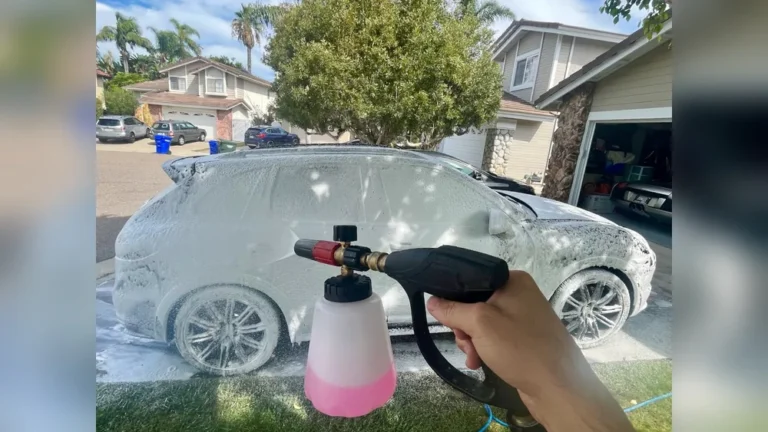
Foam cannons attach to a pressure washer to spray thick soap foam over the wheel. Foam softens dirt, making brushing easier and reducing the risk of scratches.
Safety tip: Use a fan tip and keep the nozzle at least 12 inches from the wheel to avoid damaging the finish.
7. Detailing Clay Bars
Clay bars are often used on paint, but they work on wheels too. They remove stuck-on tar, sap, or brake dust that brushes can’t handle. To use, spray a lubricant and gently rub the clay over the surface. Only do this after washing to avoid scratching.
8. Wheel Sealants And Coatings
After cleaning, protect your wheels with a sealant or ceramic coating. These products create a barrier that makes future cleaning much easier. Dirt and brake dust won’t stick as strongly, and water beads off.
- Spray-on sealants: Fast and easy, last a few weeks
- Ceramic coatings: Last months, require more prep
Applying protection means you’ll spend less time scrubbing next time.
9. Tire Brushes
Don’t ignore the tires. A stiff tire brush removes old tire dressing, road grime, and dirt. Clean tires help new tire shine products stick better and look more even.
10. Wheel Stand Or Jack Stand
For deep cleaning, consider a wheel stand. It lets you spin the wheel freely while you clean every angle. This is especially useful for detailed work or if you clean your wheels often.

Credit: www.youtube.com
How To Use These Tools Together: Step-by-step
Knowing the right order saves time and gives better results. Here’s a practical step-by-step method:
- Rinse wheels and tires with a pressure washer or hose to remove loose dirt.
- Spray wheel cleaner generously. Let it sit for a few minutes (read label instructions).
- Scrub tires first with a stiff tire brush.
- Use a barrel brush or Wheel Woolie to clean inside the wheel barrel.
- Clean spokes and face with a soft-bristled brush or microfiber mitt.
- Detail around lug nuts with a lug nut brush.
- Rinse thoroughly to remove all soap and dirt.
- Clay bar if needed for stubborn spots.
- Dry with microfiber towels to prevent water spots.
- Apply wheel sealant or coating for protection.
Pro tip: Clean one wheel at a time. This prevents cleaners from drying and staining the finish.
Common Mistakes To Avoid
- Using household brushes: These can scratch or damage your wheels.
- Letting cleaners dry on wheels: Causes stains or etches the finish.
- Cleaning hot wheels: Heat can react with chemicals, leading to permanent marks.
- Reusing dirty towels: Brake dust is abrasive—always use a separate set for wheels.
- Ignoring wheel barrels: The inside collects the most brake dust and is often forgotten.
Credit: www.youtube.com
Extra Tips For Different Wheel Types
- Chrome wheels: Use only soft brushes and pH-balanced cleaners. Chrome scratches easily.
- Matte wheels: Avoid any wax or shine products; use only matte-safe cleaners.
- Painted or powder-coated wheels: Most pH-balanced cleaners are safe, but test on a small spot first.
If you have aftermarket or rare wheels, always check the manufacturer’s care recommendations.
Data: How Much Time And Money Can The Right Tools Save?
Cleaning wheels with only basic tools can take 30–40 minutes per wheel. With the correct tools, this drops to 10–15 minutes per wheel, and the finish looks better.
Here’s a summary of time and cost for a typical DIY setup:
| Tool Set | Average Cost | Cleaning Time (4 wheels) | Finish Quality |
|---|---|---|---|
| Basic (sponges, soap) | $10–$20 | 1.5–2 hours | Low, may scratch |
| Mid-level (brushes, cleaner, towels) | $40–$70 | 40–60 minutes | Good, less risk |
| Pro (all tools + sealants) | $100–$200 | 30–40 minutes | Excellent, long-lasting shine |
While some tools cost more upfront, they save time and protect your wheels, which can cost hundreds to repair or replace.

Credit: www.amazon.com
Frequently Asked Questions
What Is The Safest Way To Clean Black Or Glossy Wheels?
Always use soft-bristled brushes, pH-balanced cleaners, and clean microfiber towels. Avoid harsh chemicals or rough pads, as black and gloss finishes show scratches easily.
How Often Should I Clean My Car’s Wheels?
For most drivers, every two weeks is enough. If you drive in areas with lots of brake dust or winter salt, clean more often. Regular cleaning prevents buildup and makes each wash easier.
Can I Use The Same Cleaner For Wheels And Tires?
Some wheel cleaners are safe for tires, but strong chemicals can dry out rubber. Look for products labeled as safe for both, or use a dedicated tire cleaner for best results.
Are Pressure Washers Safe For All Wheels?
Yes, if you use the right tip and keep a safe distance (at least 12 inches). Never use a pinpoint jet directly on the finish or near valve stems. For more info on safe pressure washing, check the Consumer Reports guide.
Do I Need To Remove My Wheels To Clean Them Properly?
For most people, removing wheels isn’t needed. With quality barrel brushes and Wheel Woolies, you can reach almost every part. Removing wheels is only needed for deep restoration or coating on the inside.
Keeping your car’s wheels and rims clean is easier—and more satisfying—when you have the right tools. Not only will your wheels look showroom fresh, but you’ll also protect them from damage and keep your car’s value high. Invest in a few key tools, follow the right techniques, and enjoy the results every time you drive.
Related posts
 Why You Should Use a Foam Cannon for Car Washing: Ultimate Guide
Washing your car is more than just making it look good. It protects the paint, keeps the value high, and makes driving feel better. But if…
 How to Clean Leather Seats Without Damaging Them: Expert Tips
Keeping your leather seats clean can be a challenge. Leather looks beautiful and feels luxurious, but it needs special care. Many people worry about damaging their…
 Why Using a Ceramic Coating Spray is Important for Your Car’s Shine
If you care about your car’s appearance and value, you probably wash and wax it regularly. But did you know there’s a better way to protect…