
Best Techniques for Using Winches in Muddy or Rocky Terrain
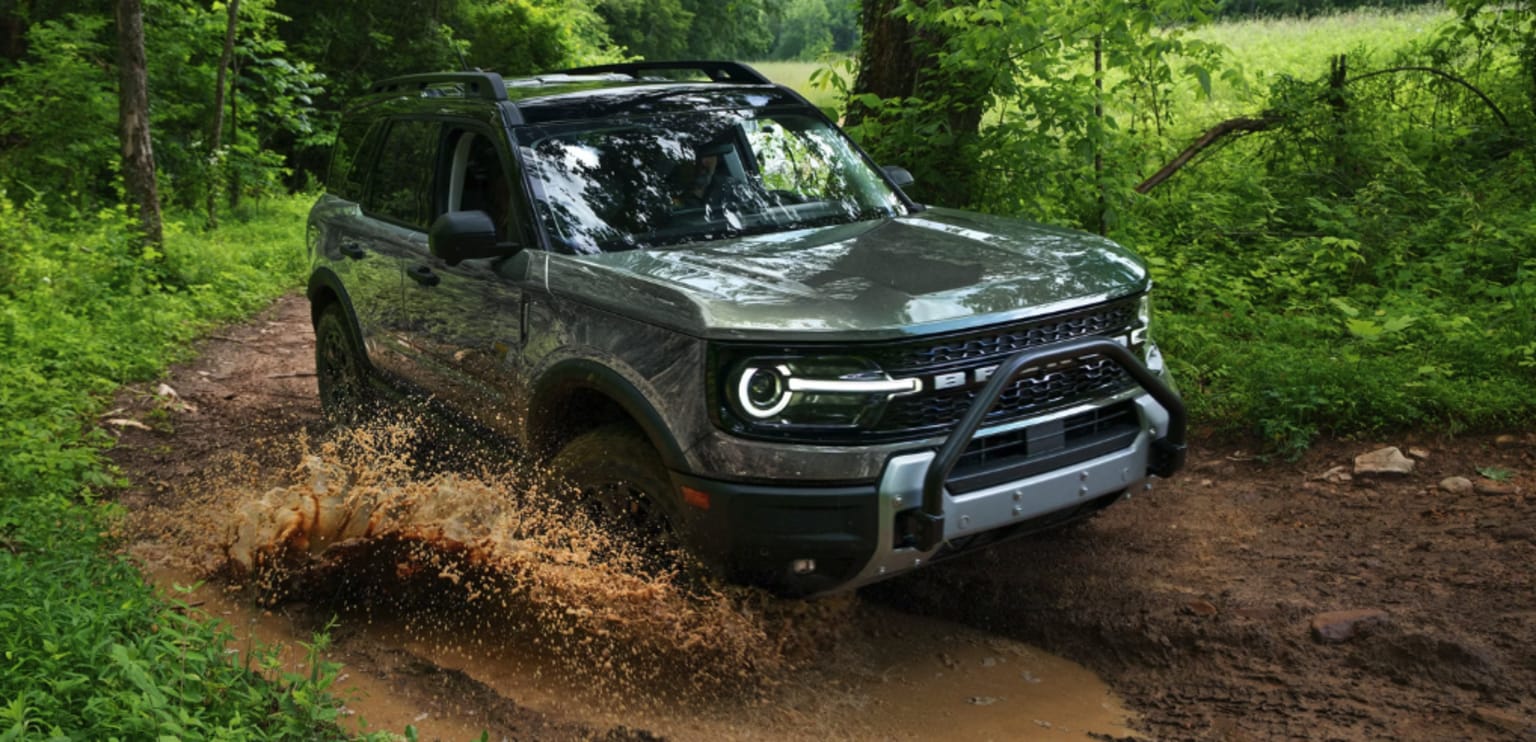
Getting stuck in muddy or rocky terrain can happen to even the most experienced off-road drivers. Winches become your best friend in these tough situations, but using them wrong can cause damage, waste time, or even make things worse. Knowing the best techniques for using winches in both mud and rocky conditions can help you recover safely, protect your vehicle, and get back on your way quickly.
This guide walks you through the best strategies, common mistakes, and expert tips. Whether you’re an overlander, a weekend trail explorer, or just preparing for emergencies, you’ll find practical advice that goes beyond basics and helps you handle real-world recovery challenges.
Understanding Winch Basics
Before diving into advanced techniques, it’s important to cover what a winch is and how it works. A winch uses a strong cable or synthetic rope, a drum, and a motor to pull heavy objects—like your stuck vehicle—out of trouble. The power comes either from your vehicle’s battery (electric winch) or the engine (hydraulic winch).
Key winch parts include:
- Winch drum: Holds the cable or rope.
- Cable/synthetic rope: The pulling line.
- Fairlead: Guides the cable onto the drum.
- Hook: Attaches to recovery points.
- Remote/control: Operates the winch safely from a distance.
Choosing a winch with enough pulling power (usually 1. 5 times your vehicle’s weight) is critical, especially for muddy or rocky conditions where resistance can be very high.
Preparing For Recovery: Safety First
Recovering a vehicle with a winch is dangerous if not handled properly. Always follow these safety steps:
- Wear gloves to protect your hands from burrs or frays in the cable.
- Clear the area of bystanders.
- Use a damper blanket (or a heavy jacket) over the winch line to reduce snapback risk if the cable breaks.
- Check all recovery points on your vehicle and anchor—they must be rated for the load.
- Inspect your gear for damage before every use.
A small mistake can lead to injuries or equipment failure. Taking a few minutes to prepare can save hours of trouble.
Best Techniques For Winching In Muddy Terrain
Muddy recoveries are some of the hardest. Mud creates strong suction, making vehicles feel glued to the spot. Here’s how to maximize your winch’s power in these situations:
1. Use A Solid Anchor
Mud is soft, so finding a strong anchor is sometimes a challenge. Look for:
- Large trees (use a tree trunk protector to avoid damage)
- Heavy rocks
- Other vehicles
Never use weak shrubs or rotting logs—they’ll break. If nothing is available, a ground anchor or spare tire buried as a “deadman anchor” can work.
2. Double-line Pull For Extra Power
A snatch block (pulley) lets you double the winch line, creating a “double-line pull.” This cuts the load on your winch in half and increases pulling power—a must for deep mud.
How to set it up:
- Attach the snatch block to your anchor point.
- Run the winch line through the block and back to your vehicle’s recovery point.
- Winch in slowly, keeping tension even.
3. Dig And Clear Around The Tires
Don’t rely on the winch alone. Use a shovel to dig mud away from the wheels and undercarriage. Removing suction reduces strain on the winch and speeds up recovery.
4. Use Traction Aids
Boards, mats, or even sticks under your tires help break the mud’s grip and let the winch work more efficiently. Placing these in front of the drive wheels gives extra grip as the vehicle moves forward.
5. Keep The Winch Line As Straight As Possible
Angled pulls waste energy and can slide the vehicle sideways into worse spots. Try to keep the line in line with your vehicle’s direction of travel.
6. Winch In Short Bursts
Instead of one long pull, use short bursts. This allows the winch motor to cool and gives you a chance to check progress, dig more, or reset traction aids as needed.
7. Mind The Vehicle Weight
Mud adds resistance. If your vehicle is loaded with gear, consider unloading heavy items before winching to reduce drag.
8. Watch For Line Burying
If the winch line starts digging into the mud, stop. Clear the path or use a “bridle” (Y-shaped sling) to spread the load and keep the line above ground.
Best Techniques For Winching In Rocky Terrain
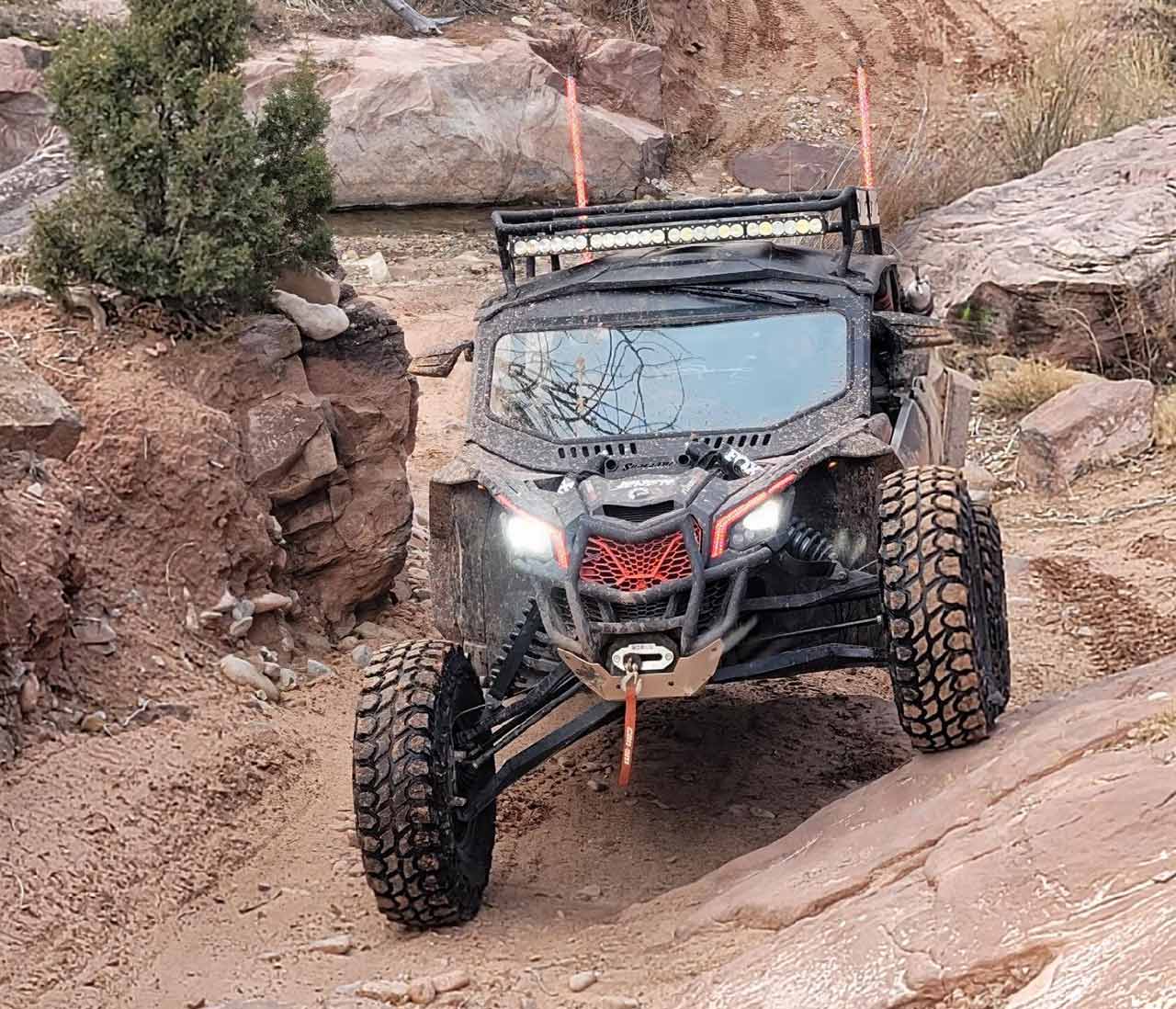
Rocky terrain presents its own challenges: sharp edges, uneven surfaces, and limited anchor points. Here’s how to recover safely:
1. Choose The Right Anchor Point
Rocky areas might have few trees. Use:
- Large, stable rocks
- Winch ground anchors
- Another vehicle
Always test the anchor’s stability before pulling.
2. Protect Your Winch Line
Rocks can cut synthetic rope or fray steel cable. Place a winch line protector (or even a thick towel) wherever the line contacts sharp edges.
3. Use A Snatch Block For Direction Changes
A snatch block can redirect the winch line around rocks or obstacles, letting you pull from the right angle without over-stressing the cable.
4. Stack Rocks For Traction
If your tires spin or hang in the air, stack flat rocks under them. This gives your wheels something to climb and reduces winch effort.
5. Pull Slowly And Steadily
Jerky pulls can break cables or shift the vehicle dangerously. Always apply winch power gradually, especially when climbing over large rocks.
6. Watch Tire Placement
Guide your wheels to climb over rocks, not get wedged between them. Use a spotter if possible to direct you while winching.
7. Use A Winch Extension
In rocky areas, your anchor might be far away. Carry a winch extension strap to reach distant anchor points without overextending the cable.
8. Avoid Side Loads
Pulling at sharp angles risks pulling your vehicle sideways into rocks. Aim for the straightest line possible, using snatch blocks if needed.
9. Monitor Winch Temperature
Winching up rocks is hard work—motors can overheat. Pause to let the winch cool if the pull is long or tough.
Credit: www.wayscarffford.com
Essential Winch Accessories For Mud And Rock
Having the right accessories is as important as technique. Here’s a comparison of key recovery gear and their uses:
| Accessory | Use in Mud | Use in Rocks |
|---|---|---|
| Snatch Block | Double pulling power | Change pull direction |
| Tree Protector Strap | Protect trees as anchors | Less common, but useful for rare trees |
| Traction Boards | Essential for grip | Helps bridge gaps |
| Gloves | Protect from mud and frays | Protect from rock cuts |
| Winch Line Damper | Safety if line breaks | Same safety role |
Carrying these tools makes every recovery safer and faster, no matter the terrain.
Common Mistakes To Avoid
Even experienced drivers can make costly errors. Here’s what to watch out for:
- Using weak anchor points. Always check that your anchor is solid.
- Standing near a loaded winch line. Stay clear in case it snaps.
- Not checking the winch cable. Frayed lines can break under stress.
- Ignoring the winch motor temperature. Overheating can cause failure.
- Winching at sharp angles. This can tip your vehicle or break the line.
- Rushing the process. Take your time for a safe recovery.
Credit: sidebysidefury.com
Practical Example: Mud Vs. Rock Recovery
It helps to see how these techniques work in real life. Imagine you’re stuck in deep mud:
- You first try to drive out gently. No luck.
- You dig mud from the tires and place traction boards.
- You find a large tree, set up a tree protector strap, and attach your winch.
- Using a snatch block, you double the line back to your vehicle.
- You winch in short bursts, stopping to dig and adjust as you move.
- The vehicle starts to move—success.
Now, imagine you’re wedged on rocks:
- You find a stable boulder as an anchor.
- You use a winch extension to reach it.
- Placing a towel over sharp rocks protects your synthetic rope.
- You use a snatch block to pull from the right angle, stacking rocks under the tires for grip.
- With slow, steady pulls, your vehicle climbs free.
These real scenarios show how techniques and tools combine for efficient recovery.
Comparing Winch Types For Off-road Recovery
Not all winches are created equal. Here’s a quick comparison:
| Type | Best For | Pros | Cons |
|---|---|---|---|
| Electric Winch | General off-roading | Easy to install, reliable | Drains battery, can overheat |
| Hydraulic Winch | Heavy-duty, long pulls | Runs with engine, less heat | Complex install, needs engine running |
| Hand Winch (Come-along) | Backup, emergencies | Portable, no power needed | Slow, low capacity |
For most drivers, a good electric winch is the right mix of power and convenience.
Winch Line: Steel Cable Vs. Synthetic Rope
Your choice of winch line can affect performance, especially in mud or rocks.
- Steel cable: Strong, resists heat, but heavy and can develop sharp burrs.
- Synthetic rope: Lighter, safer if it breaks (less snapback), but can be damaged by sharp rocks.
Most off-roaders now prefer synthetic rope for safety and ease of handling, but always carry a protective sleeve or cloth for rocky areas.
Advanced Tips For Faster, Safer Recovery
Here are two insights even some experienced winch users miss:
- Pre-load the line: Before you’re stuck, spool out your winch and rewind it under light tension. This packs the line evenly and prevents “digging in” under load.
- Anchor to moving objects: If possible, anchor to a vehicle that can slowly drive forward as you winch. This “dynamic recovery” reduces winch strain and speeds up the process.

Credit: tirestreets.com
Maintenance After Mud Or Rock Recoveries
After a tough winching session, don’t just pack up and drive away.
- Rinse and dry your winch line, especially after mud. Mud can hide tiny rocks that damage rope.
- Inspect for frays or cuts.
- Check winch bolts and electrics for looseness or mud build-up.
- Lubricate moving parts if needed.
Regular care means your winch is ready for the next challenge.
Frequently Asked Questions
What Size Winch Do I Need For Muddy Or Rocky Terrain?
Choose a winch rated at least 1.5 times your vehicle’s loaded weight. For example, if your SUV weighs 4,000 lbs with gear, get a winch rated for 6,000 lbs or more.
Is Synthetic Rope Safe For Rocky Terrain?
Yes, but it’s important to use a protective sleeve where the rope touches rocks. Synthetic rope is safer if it breaks but can be cut on sharp edges.
Can I Use My Vehicle’s Tow Ball As A Winching Point?
No, tow balls are not rated for winching and can break under load, becoming deadly projectiles. Always use dedicated recovery points.
How Often Should I Check My Winch And Gear?
Inspect your winch, line, hooks, and straps before and after every trip—especially after heavy use in mud or rocks.
Where Can I Learn More About Safe Winching?
A great resource is the 4×4 Earth forum for detailed guides and real-world advice from experienced off-roaders.
Getting stuck in mud or on rocks is part of off-roading, but with the right winching techniques and a bit of practice, you can recover safely and confidently. With each recovery, you’ll become more skilled—and ready for whatever the trail throws at you.
Related posts
 Why You Should Use a Foam Cannon for Car Washing: Ultimate Guide
Washing your car is more than just making it look good. It protects the paint, keeps the value high, and makes driving feel better. But if…
 How to Clean Leather Seats Without Damaging Them: Expert Tips
Keeping your leather seats clean can be a challenge. Leather looks beautiful and feels luxurious, but it needs special care. Many people worry about damaging their…
 Why Using a Ceramic Coating Spray is Important for Your Car’s Shine
If you care about your car’s appearance and value, you probably wash and wax it regularly. But did you know there’s a better way to protect…