
Best Car Detailing Supplies for Beginners: Top Picks for 2026
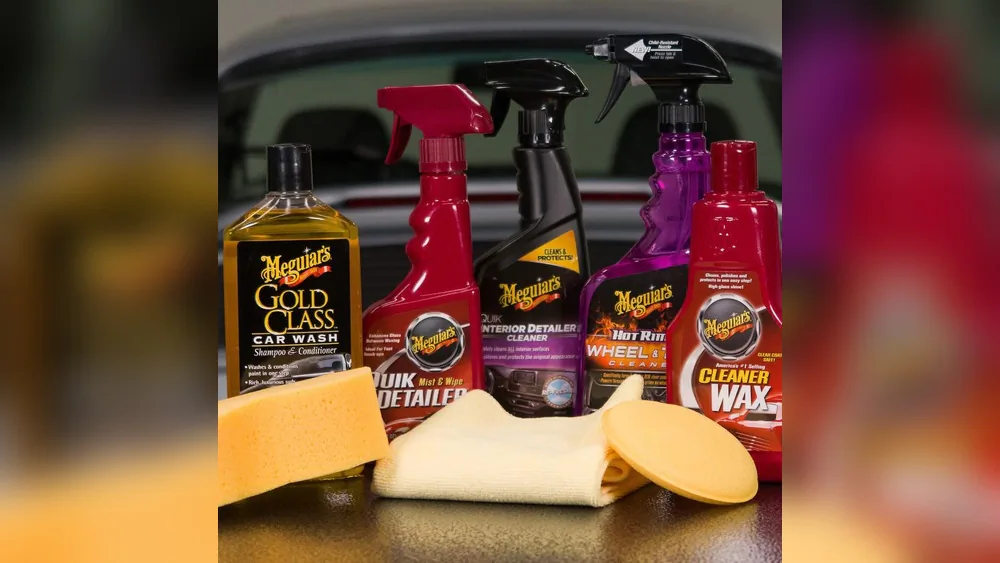
Keeping your car looking fresh and clean isn’t just for auto showrooms or professionals. Even if you’re new to car care, you can transform your vehicle’s appearance and protect its value with the right supplies. The world of car detailing can seem overwhelming at first, but beginners don’t need expensive machines or a huge product collection. In fact, starting with a smart, focused set of tools and products is the fastest way to see results, avoid mistakes, and actually enjoy the process.
This guide will walk you through the best car detailing supplies for beginners—everything you truly need, why each item matters, and how to choose the right options for your car and budget. You’ll also see helpful tables comparing top choices, plus tips to avoid common pitfalls. By the end, you’ll know exactly how to assemble a starter kit that gives professional results without the stress.
Why Quality Detailing Supplies Matter
Using the right supplies isn’t just about making your car shine. High-quality detailing products actually protect your car’s paint, glass, wheels, and interior from damage. For example, a cheap towel can scratch your paint, while a good microfiber cloth removes dirt gently. The difference is more than just looks—regular detailing with proper tools can help prevent rust, fading, and stains, saving you money on repairs and keeping your car’s value high.
Many beginners think detailing is only about washing. In reality, detailing is a series of small steps: washing, drying, protecting, and sometimes correcting the finish. Each step needs the right product. If you use dish soap or rough sponges, you might do more harm than good.
Essential Car Detailing Supplies For Beginners
The best beginner kit should cover all the basics without being overwhelming. Here’s a breakdown of must-have items, plus some extras that boost your results.
1. Car Wash Soap
Ordinary household soaps strip wax and damage your paint. Always choose a pH-balanced car wash soap designed for vehicles.
- Why it matters: Gentle cleaners protect your clear coat and wax layers.
- Beginner tip: Look for soaps that produce thick suds—they help lift dirt off the surface.
2. Two Buckets
Using two buckets—one for soapy water, one for rinsing—prevents you from rubbing dirt back onto the paint.
- Why it matters: This simple trick cuts down on swirl marks.
- Extra insight: A grit guard (a plastic insert at the bucket’s bottom) helps trap dirt below the wash mitt.
3. Microfiber Wash Mitt
Skip sponges, which can trap grit. A microfiber wash mitt is soft, holds lots of suds, and is less likely to scratch.
- Look for: Deep pile mitts with a comfortable cuff.
- Care tip: Wash separately from towels, and avoid fabric softener.
4. Microfiber Drying Towels
Regular bath towels can scratch paint. Microfiber drying towels are ultra-absorbent and gentle.
- Choose: At least two large towels (16×24 inches or bigger).
- Pro tip: Use the “blotting” method instead of rubbing for fewer streaks.
5. Wheel Cleaner And Brush
Wheels get covered in brake dust and grime. A dedicated wheel cleaner and soft-bristled brush make cleaning easy and safe.
- Important: Avoid strong acids or household cleaners—these can damage finishes.
- Beginner mistake: Using the same mitt on paint and wheels. Always use separate tools.
6. All-purpose Cleaner (apc)
A good APC can clean interiors, engines, tires, and tough spots on paint. It’s a versatile, money-saving product.
- Dilute as needed: Follow label instructions for the right ratio.
- Example: Use a stronger mix for tires, a weaker one for dashboards.
7. Glass Cleaner
Streak-free, ammonia-free glass cleaners designed for automotive use work best.
- Why car-specific? Ammonia damages window tint.
- Tip: Use a separate microfiber towel just for glass.
8. Interior Protectant
UV rays fade and crack dashboards and trim. An interior protectant helps repel dust and block sun damage.
- Look for: Non-greasy finishes that don’t attract dust.
- Example: Water-based protectants are safer for most surfaces.
9. Clay Bar Kit
A clay bar removes bonded contaminants that washing can’t reach, making paint smooth and ready for wax.
- Starter tip: Use plenty of clay lubricant to avoid scratches.
- Frequency: Once or twice a year is enough for most cars.
10. Spray Wax Or Sealant
Waxing protects your paint from sun, rain, and pollution. Modern spray waxes are easy to use and give good results for beginners.
- Why not paste wax? Sprays are faster and less messy for first-timers.
- Apply: Every 2-3 months for best protection.
11. Tire Dressing
Tire dressings give tires a clean, dark look and protect against cracking.
- Types: Water-based (satin finish, safer) or solvent-based (glossy, can sling).
- Beginner tip: Wipe off excess to avoid splatter on paint.
12. Detailing Brushes
Soft detailing brushes reach air vents, badges, and seams where dirt hides.
- Must-have: At least one small, one medium brush.
- Use: For both interior and exterior tight spots.

Credit: www.youtube.com
Car Detailing Starter Kit Comparison
To help beginners choose, here’s a side-by-side look at popular starter kits:
| Brand/Kit | Includes | Price (USD) | User Rating |
|---|---|---|---|
| Chemical Guys 9-Piece Kit | Soap, mitt, towels, wax, brushes, wheel cleaner | $60 | 4.7/5 |
| Meguiar’s Complete Car Care Kit | Soap, clay bar, wax, tire gel, towels | $50 | 4.6/5 |
| Armor All 8-Piece Kit | Soap, wax, tire foam, glass wipes, sponge | $35 | 4.4/5 |
These kits are good value and cover most basics. Be sure to add extra microfiber towels and a dedicated wheel brush if not included.
Detailed Guide: How To Use Your Beginner Supplies
Having the best products is only the first step. Using them the right way makes all the difference. Here’s a clear, step-by-step process for a safe, effective detail:
Step 1: Wash
- Park in the shade and let the car cool.
- Fill one bucket with soapy water, the other with clean water.
- Rinse the car to remove loose dirt.
- Dip the wash mitt into soapy water, wash one section at a time from top to bottom.
- Rinse the mitt in the clean water after each section.
- Rinse the car completely when done.
Step 2: Dry
- Use a microfiber drying towel to blot, not rub.
- Dry glass and mirrors last, using a dedicated glass towel.
Step 3: Wheels And Tires
- Spray wheel cleaner on cool wheels.
- Agitate with a soft wheel brush, getting into corners and spokes.
- Rinse thoroughly.
- Apply tire dressing to clean, dry tires.
Step 4: Clay Bar (optional, For Smoothness)
- Spray lubricant on a small area of the paint.
- Gently glide the clay bar, folding as it gets dirty.
- Wipe residue with a microfiber towel.
Step 5: Protect
- Spray wax or sealant onto paint, working one panel at a time.
- Buff with a clean microfiber towel.
Step 6: Interior Detailing
- Vacuum carpets and seats first.
- Wipe surfaces with an APC, then apply interior protectant.
- Clean glass with a streak-free glass cleaner and a fresh towel.
- Use detailing brushes for vents and crevices.
Choosing The Right Products: Key Factors
Not all products are equal—here’s how to make smart choices as a beginner:
| Product | What to Look For | What to Avoid |
|---|---|---|
| Car Wash Soap | pH-neutral, high suds, gentle on wax | Dish soap, harsh cleaners |
| Microfiber Towels | High GSM (thickness), soft edges | Cheap multi-packs, rough seams |
| Wheel Cleaner | Acid-free, safe for all finishes | Strong acids or bleach |
| Glass Cleaner | Ammonia-free, streak-free formula | Household glass sprays |
Pro insight: Many beginners think “more suds = more cleaning power.” Actually, it’s the lubricants and cleaning agents in the soap that matter most, not just bubbles.
Two Non-obvious Insights For Beginners
- Avoid Cross-Contamination: Always keep your paint towels, wheel towels, and interior towels separate. Even a tiny bit of brake dust from the wheels can scratch your paint if you mix towels.
- Don’t Overuse Product: More isn’t always better. Using too much wax, tire dressing, or glass cleaner can lead to streaks, spots, or sticky surfaces. Light, even coats almost always look better and last longer.

Credit: autozcrave.com
Common Mistakes To Avoid
- Washing in direct sunlight: This causes soap and water to dry too quickly, leaving spots and streaks.
- Using one towel for everything: This spreads dirt and can scratch surfaces.
- Skipping the drying step: Air drying leaves water spots, especially on dark paint.
- Neglecting regular maintenance: Waiting too long between washes makes dirt harder to remove and increases the risk of paint damage.
Extra Tools Worth Considering
Once you’re comfortable with the basics, a few affordable extras can take your results to the next level:
- Foam cannon or foam gun: For thick, even soap coverage.
- Handheld vacuum: For quick interior cleanups.
- Small crevice tools: Reach between seats and in tight spots.
- Paint depth gauge: Helps avoid polishing through thin paint (if you move on to paint correction later).
Interior Vs Exterior: Supply Differences
Some supplies cross over, but a few are specific to either inside or outside care. For example, never use tire dressing or exterior waxes on interior plastics. Always have at least one set of microfiber towels just for interior use.
Here’s a quick supply breakdown:
| Supply | Exterior Use | Interior Use |
|---|---|---|
| Microfiber Towels | Yes | Yes (separate towels) |
| Car Wash Soap | Yes | No |
| APC | Yes | Yes (diluted) |
| Glass Cleaner | Yes | Yes |
| Wheel Cleaner | Yes | No |
| Interior Protectant | No | Yes |
How To Store And Maintain Your Supplies
Taking care of your detailing products extends their life and saves money. Store liquids upright, in a cool, dry place. Keep microfiber towels washed separately from other laundry, and air dry if possible. Brushes should be rinsed and dried after each use.
Never leave products in direct sunlight or let them freeze, as temperature extremes can ruin chemicals.
Where To Buy: Online Vs Local Stores
You can find most beginner detailing supplies at auto parts shops, big box stores, and online. Online retailers often have better variety and bundle deals, but check shipping costs. In-store shopping lets you see and feel towels and brushes before buying. For trusted online reviews and product tests, sites like Autogeek can help you compare brands.
Frequently Asked Questions
What’s The Difference Between Car Detailing And Car Washing?
Car washing is the basic cleaning of your car’s exterior to remove dirt and dust. Car detailing goes deeper: it includes cleaning, restoring, and protecting both the inside and outside of your car. Detailing uses special supplies and takes more time but gives much better results.
How Often Should A Beginner Detail Their Car?
It’s best to do a full detail every 2-3 months, with regular washes every 1-2 weeks. Interior cleaning can be done monthly or as needed. Frequent care makes the process easier each time and keeps your car looking newer, longer.
Are Expensive Products Really Better For Beginners?
Not always. Some high-priced products offer extra features, but many affordable brands work great for beginners. Focus on buying a few high-quality essentials instead of lots of cheap items. Look for user reviews and trusted brands with good beginner kits.
Can I Use Household Cleaners On My Car?
It’s not recommended. Most household cleaners are too strong or have chemicals that harm car surfaces. Always use car-specific products, especially for paint, wheels, and interior plastics. Using the wrong product can cause fading, cracking, or scratches.
Do I Need A Machine Polisher To Get Good Results?
No, you don’t need a machine polisher to start detailing. Hand-applied products like spray wax, clay bars, and interior cleaners give great results for beginners. As you gain experience, you can explore machine polishing for deeper paint correction if you want.
Putting together your first set of car detailing supplies doesn’t have to be confusing or expensive. With a focused approach and smart product choices, you’ll enjoy safer, faster, and more satisfying results every time you clean your vehicle. Take your time, build your skills, and soon your car will turn heads for all the right reasons.

Credit: www.youtube.com
Related posts
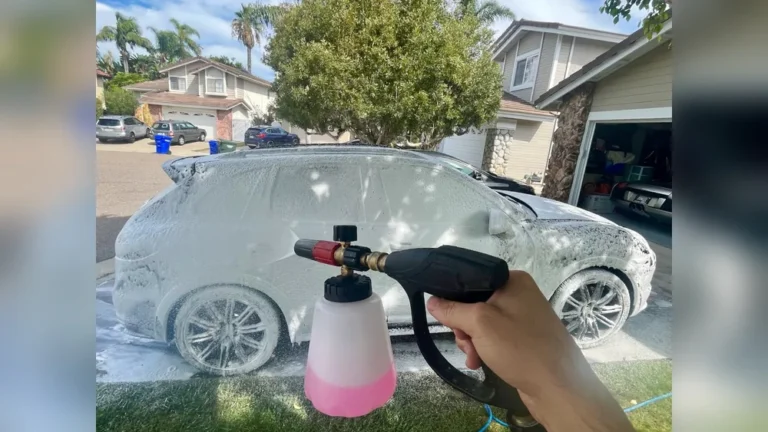 Why You Should Use a Foam Cannon for Car Washing: Ultimate Guide
Washing your car is more than just making it look good. It protects the paint, keeps the value high, and makes driving feel better. But if…
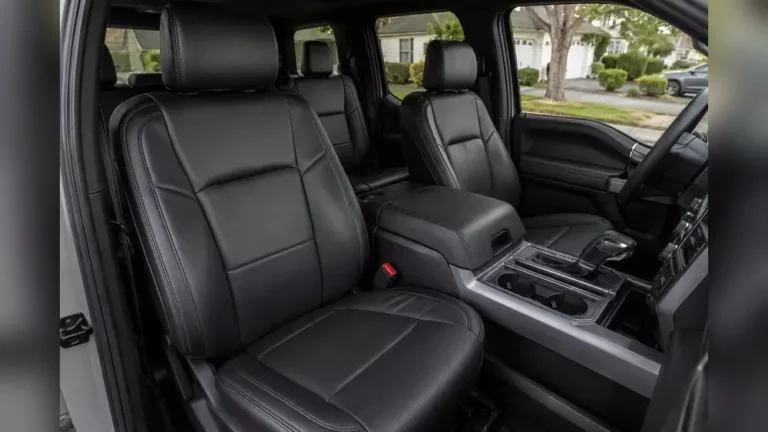 How to Clean Leather Seats Without Damaging Them: Expert Tips
Keeping your leather seats clean can be a challenge. Leather looks beautiful and feels luxurious, but it needs special care. Many people worry about damaging their…
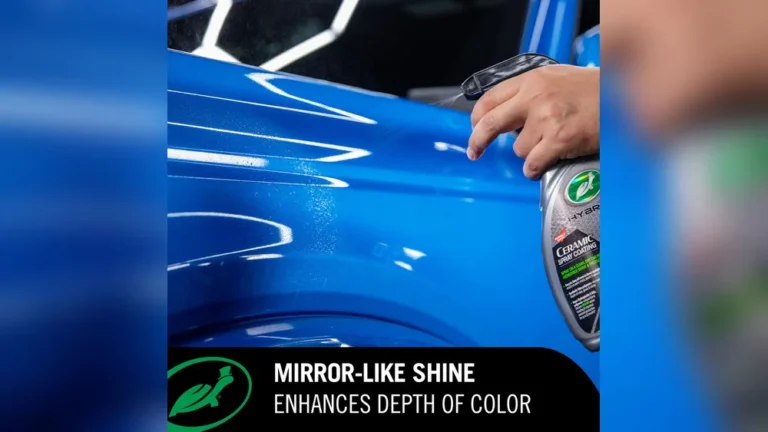 Why Using a Ceramic Coating Spray is Important for Your Car’s Shine
If you care about your car’s appearance and value, you probably wash and wax it regularly. But did you know there’s a better way to protect…