
How to Remove Tree Sap from Car Paint: Steps, Tips, and Common Mistakes
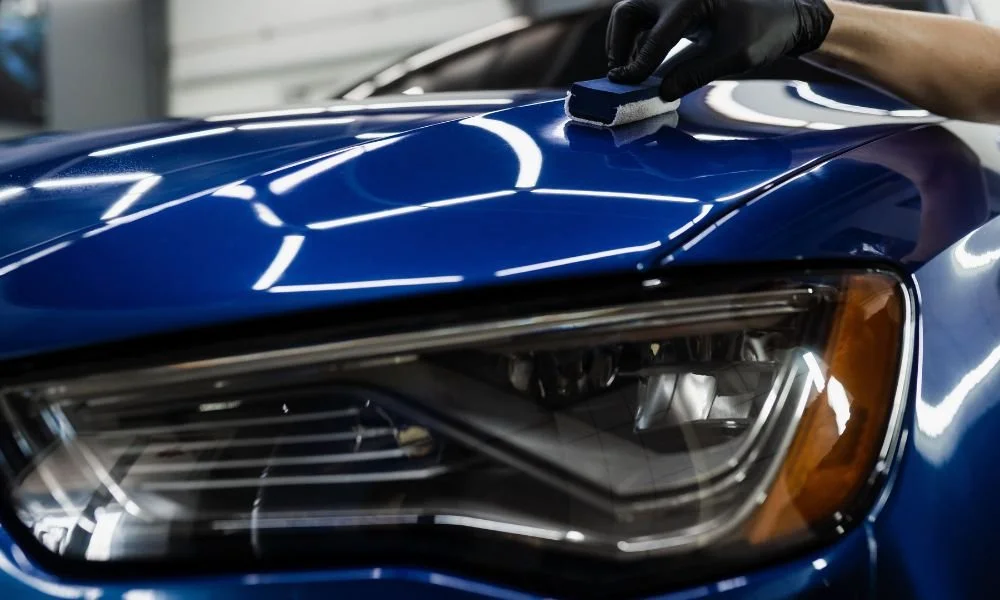
Removing tree sap from car paint can seem tricky, but it’s a task you can handle at home with the right approach and products. The key is to act quickly and use gentle methods to avoid damaging your car’s finish. Fresh sap is much easier to remove than hardened, baked-on sap. You’ll need a few common household items or specialized car care products to get your vehicle looking clean again.
Commonly, rubbing alcohol, mineral spirits, or dedicated tree sap removers are effective. Always test any product on a small, hidden area first. With careful application and a soft touch, you can safely lift sticky sap without harming your car’s clear coat.
Understanding Tree Sap and Its Impact on Car Paint
Tree sap is a sticky, resinous substance produced by trees. It helps protect them from insects and fungi. When it lands on your car, it can be more than just a nuisance.
Sap contains sugars, oils, and other compounds that can bond strongly to your car’s clear coat. Over time, especially when exposed to sunlight, sap can harden and etch into the paint. This etching can leave permanent dull spots or stains if not removed properly and promptly.
Why Prompt Removal is Important
The longer tree sap stays on your car, the harder it becomes to remove. Heat from the sun can bake the sap onto the paint, making it more stubborn. This also increases the risk of it eating into the clear coat.
Early removal prevents potential damage and saves you time and effort. Fresh sap often comes off with just a simple wash, while older sap requires more targeted treatment.
Gathering Your Supplies for Sap Removal
Before you start, make sure you have all the necessary items. Using the right tools will make the process smoother and safer for your car’s paint.
Essential Tools and Products
- Car Wash Soap: A pH-neutral car wash soap for initial cleaning.
- Two Buckets: One for soapy water, one for rinse water.
- Microfiber Wash Mitts: Soft mitts to prevent scratching.
- Microfiber Towels: Several clean, soft towels for drying and wiping.
- Tree Sap Remover: A specialized product designed for car paint.
- Rubbing Alcohol (Isopropyl Alcohol): A common household item, usually 70% or 90%.
- Mineral Spirits: Another effective solvent, found at hardware stores.
- Detailing Clay Bar Kit: For very stubborn or embedded sap.
- Car Wax or Sealant: To protect the paint after removal.
- Spray Bottle: For diluting alcohol or applying solutions.
What to Avoid
- Abrasive Materials: Steel wool, scouring pads, or rough cloths will scratch your paint.
- Harsh Solvents: Acetone, paint thinner, or gasoline can strip paint or clear coat.
- Scraping Tools: Razor blades or plastic scrapers can easily damage the finish.
- Excessive Force: Rubbing too hard can create swirl marks or scratches.
Step-by-Step Guide to Removing Tree Sap Safely
Follow these steps for effective and safe tree sap removal. Always work in a shaded area to prevent products from drying too quickly.
Step 1: Wash the Car Thoroughly
Start by washing your entire car with a pH-neutral car wash soap. This removes loose dirt and grime, preventing scratches during the sap removal process.
Rinse the car well and dry it with a clean microfiber towel. This allows you to clearly see the sap spots you need to treat.
Step 2: Choose Your Sap Removal Method
Depending on the severity and age of the sap, you can choose from several safe methods. Always start with the least aggressive option.
Method A: Commercial Tree Sap Remover
These products are specifically formulated to break down sap without harming car paint. Follow the instructions on the product label carefully.
Typically, you spray the remover onto a clean microfiber towel, then gently dab and wipe the sap spot. Let it sit for a moment if the instructions suggest, then wipe away.
Method B: Rubbing Alcohol (Isopropyl Alcohol)
Rubbing alcohol is a very common and effective solution for tree sap. It’s generally safe for clear coats when used correctly.

Dampen a clean microfiber towel with 70% or 90% isopropyl alcohol. Gently dab the sap spot, allowing the alcohol to soften it for a few seconds. Then, gently wipe the sap away.
Method C: Mineral Spirits
Mineral spirits can also dissolve tree sap. Like alcohol, it should be used sparingly and carefully.
Apply a small amount of mineral spirits to a clean microfiber towel. Gently dab the sap, letting it soak in for a moment. Wipe with light pressure until the sap is gone.
Method D: Detailing Clay Bar (for Stubborn Sap)
If sap is deeply embedded or very stubborn, a clay bar can be effective. This method physically lifts contaminants from the paint surface.
Ensure the area is clean and lubricated with a clay lubricant or car wash solution. Knead the clay bar into a flat disc. Gently glide the clay bar over the sap spot, folding the clay to expose a clean surface as it picks up contaminants.
Step 3: Wipe and Rinse
After applying your chosen remover, use a clean, damp microfiber towel to wipe away the loosened sap and any product residue. Do not let the remover dry on the paint.
Rinse the treated area thoroughly with water to remove all traces of the sap remover. This prevents any potential long-term effects on your paint.
Step 4: Dry and Protect
Dry the area with a fresh, clean microfiber towel. Inspect the paint to ensure all sap is gone and there are no new marks.
Finally, apply a fresh coat of car wax or paint sealant to the treated area. This restores protection to your clear coat and helps prevent future sap adhesion.
Comparison of Common Sap Removal Methods
Here’s a quick look at the pros and cons of the most popular methods for removing tree sap.
| Method | Effectiveness | Safety for Paint | Ease of Use | Notes |
|---|---|---|---|---|
| Commercial Sap Remover | High (designed for sap) | Very High (when used as directed) | Easy | Best for all types of sap. Follow product instructions. |
| Rubbing Alcohol (Isopropyl) | High (especially for fresh sap) | High (use sparingly, rinse well) | Easy | Good for quick removal. Avoid letting it dry on paint. |
| Mineral Spirits | High (for tougher sap) | Medium-High (use sparingly, rinse well) | Medium | Stronger solvent. Test in an inconspicuous area first. |
| Detailing Clay Bar | High (for embedded sap) | High (when used with lubricant) | Medium | Physically lifts sap. Requires lubricant and careful technique. |
| Car Wash Soap & Water | Low (only for very fresh, light sap) | Very High | Very Easy | Good for prevention and very new sap. Not for dried sap. |
Common Mistakes to Avoid When Removing Tree Sap
Knowing what not to do is just as important as knowing what to do. Avoiding these common errors will protect your car’s finish.
Rubbing Too Hard
Aggressive scrubbing can create swirl marks and scratches, especially on dark-colored cars. Let the product do the work of breaking down the sap.
Use gentle dabbing and wiping motions. If the sap isn’t coming off, reapply the product and give it more time to soften.
Using Abrasive Materials
Never use anything rough like a kitchen sponge, steel wool, or even a paper towel. These can scratch your clear coat.
Always stick to soft, clean microfiber towels or wash mitts designed for automotive use.
Letting Solvents Dry on Paint
Rubbing alcohol and mineral spirits can dry quickly, potentially leaving residue or dulling the paint. Work in small sections and rinse promptly.
Never apply these products to a hot surface or in direct sunlight, as they will evaporate too fast.
Ignoring the Need for Wax or Sealant
Sap removers can strip away existing wax or sealant in the treated area. Leaving the paint unprotected makes it vulnerable to future damage.
Always reapply a protective layer of wax or sealant after removing sap. This step is crucial for maintaining your car’s finish.
Preventing Tree Sap from Sticking to Your Car
The best way to deal with tree sap is to prevent it from getting on your car in the first place. A few simple habits can make a big difference.
Smart Parking Choices
Whenever possible, avoid parking directly under trees, especially during spring and summer when sap flow is highest. Be mindful of certain tree types known for heavy sap production, like pine, oak, maple, and birch.
If you must park under trees, try to choose spots where the canopy is less dense or where sap drips are less likely.
Regular Washing and Waxing
A clean, waxed car is less likely to have sap bond strongly to its surface. Regular washing helps remove fresh sap before it has a chance to harden.
Applying a good quality car wax or sealant every few months creates a protective barrier. This barrier makes it harder for sap to stick and easier to remove when it does.
Using a Car Cover
If you frequently park under trees or store your car outdoors, a car cover is an excellent investment. It provides a physical barrier against sap, bird droppings, and other environmental contaminants.
Ensure the cover is breathable and fits well to prevent moisture buildup and scratching. Always put the cover on a clean car.
When to Seek Professional Help
While most tree sap can be removed at home, there are situations where professional help is the best option. Knowing when to call an expert can save your car’s paint from further damage.
Deeply Etched Sap
If the sap has been on your car for a long time and has etched into the clear coat, home remedies might not be enough. You might see a dull spot or a ring where the sap was, even after removal.
A professional detailer can assess the damage and may use paint correction techniques, like compounding and polishing, to restore the finish. This requires specialized tools and expertise to do safely.
Large Areas of Contamination
If your entire car is covered in sap, tackling it yourself can be very time-consuming and labor-intensive. It also increases the risk of missing spots or causing accidental damage.
A professional detailer has the equipment and experience to efficiently and safely clean large areas. They can ensure a thorough job without harming your paint.
Lack of Confidence or Time
If you’re unsure about using certain products or techniques, or if you simply don’t have the time, a professional detailer is a great choice. They can provide peace of mind and a high-quality result.
Investing in professional detailing can maintain your car’s appearance and resale value, especially when dealing with tricky issues like tree sap.
FAQs
Is tree sap bad for car paint?
Yes, tree sap can be very bad for car paint. It contains acidic compounds that can etch into the clear coat, leaving permanent stains or dull spots if not removed promptly. The longer it stays on, especially in sunlight, the more damage it can cause.
How long can tree sap stay on car paint before it causes damage?
The time frame varies depending on the type of sap, weather conditions, and your car’s paint protection. Generally, sap can start to cause etching within a few days to a week, especially in hot, sunny weather. It’s always best to remove it as soon as you notice it.
Can rubbing alcohol damage car paint?
Rubbing alcohol (isopropyl alcohol) is generally safe for car clear coats when used correctly and sparingly. Use 70% or 90% alcohol on a microfiber towel, dab the sap, and wipe gently. Always rinse the area with water immediately afterward and avoid letting it dry on the paint. Prolonged exposure or strong concentrations can potentially dull the finish or strip wax.
What is the best commercial tree sap remover?
Many brands offer effective tree sap removers, such as Meguiar’s Bug & Tar Remover, Chemical Guys Bug & Tar Remover, or Goo Gone Automotive. The “best” often depends on personal preference and the specific type of sap. Always read reviews and follow product instructions for the safest results.
Does hot water remove tree sap?
Hot water alone is usually not enough to remove dried or stubborn tree sap. While warm water can help soften very fresh sap, it won’t dissolve the sticky resins effectively. It’s best to use a specialized sap remover, rubbing alcohol, or mineral spirits for proper removal.
Should I wax my car after removing tree sap?
Yes, it’s highly recommended to wax or apply a sealant to your car after removing tree sap. Sap removers can strip away existing paint protection, leaving the area vulnerable. Applying a fresh layer of wax or sealant restores protection and helps prevent future sap from sticking.
Conclusion
Removing tree sap from car paint is a manageable task that protects your vehicle’s finish and maintains its appearance. By understanding the right methods and using appropriate products, you can safely tackle even stubborn sap spots.
Remember to act quickly, wash your car first, and always use gentle techniques. After removal, always reapply a protective layer of wax or sealant. Regular maintenance and smart parking choices are your best defense against tree sap. Keep your car looking its best by addressing sap promptly and correctly.
Related posts
 Why You Should Use a Foam Cannon for Car Washing: Ultimate Guide
Washing your car is more than just making it look good. It protects the paint, keeps the value high, and makes driving feel better. But if…
 How to Clean Leather Seats Without Damaging Them: Expert Tips
Keeping your leather seats clean can be a challenge. Leather looks beautiful and feels luxurious, but it needs special care. Many people worry about damaging their…
 Why Using a Ceramic Coating Spray is Important for Your Car’s Shine
If you care about your car’s appearance and value, you probably wash and wax it regularly. But did you know there’s a better way to protect…