
How to Clean Car Tires and Wheels: Steps, Tips, and Common Mistakes
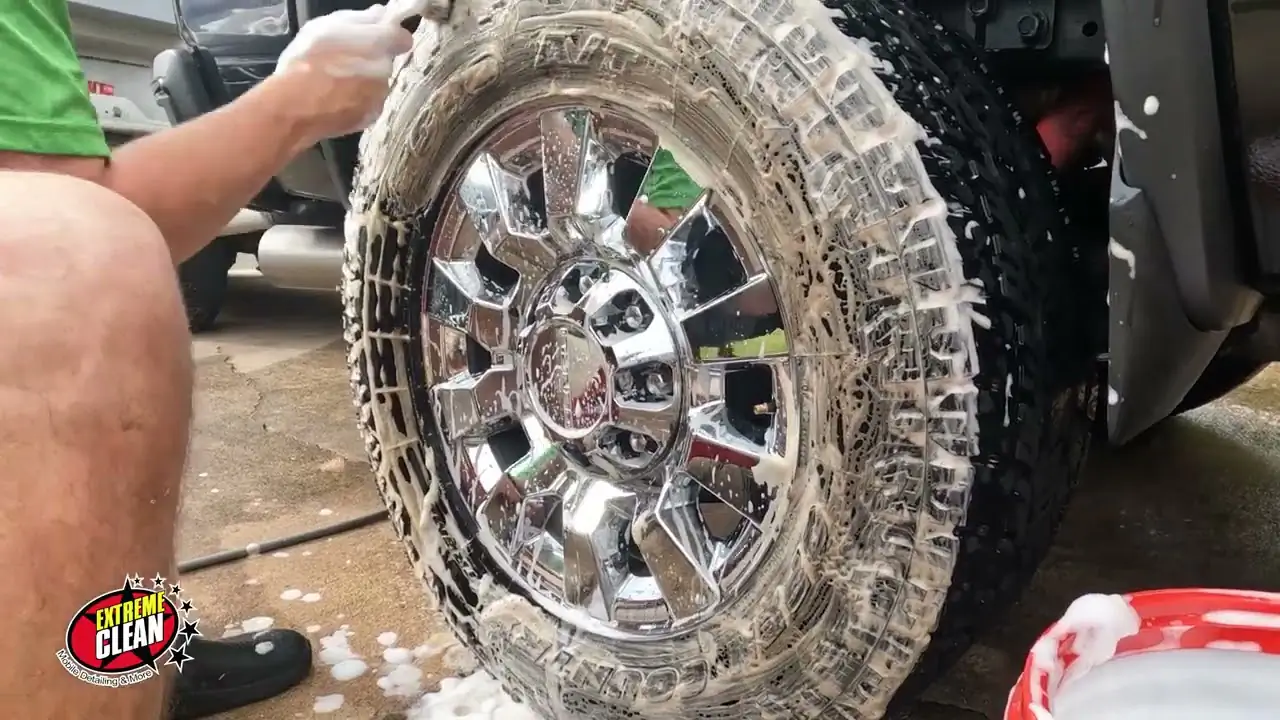
Cleaning your car’s tires and wheels is a simple yet important part of vehicle care. It helps remove brake dust, road grime, and dirt that can cause damage and make your car look dull. A proper cleaning routine not only makes your wheels shine but also protects them from corrosion and extends their lifespan. This guide will walk you through the process, ensuring your tires and wheels look their best.
Why Cleaning Your Tires and Wheels Matters
Many people focus on washing their car’s paint but forget about the tires and wheels. These parts face some of the harshest conditions on the road. They collect brake dust, tar, grease, and mud, which can be tough to remove if left for too long.
Regular cleaning prevents these contaminants from building up and causing permanent damage. Brake dust, for example, is highly corrosive and can etch into your wheel’s finish over time. Keeping them clean also improves your car’s overall appearance, making it look well-maintained.
Essential Tools and Supplies for Cleaning
Before you start, gather all the necessary items. Having everything ready makes the cleaning process smoother and more effective. Using the right tools also prevents accidental scratches or damage to your wheels.
Cleaning Products
- Wheel Cleaner: Choose a pH-neutral, acid-free cleaner suitable for all wheel types (alloy, chrome, painted). Iron removers are also very effective for brake dust.
- Tire Cleaner/Degreaser: A dedicated tire cleaner helps remove old tire dressing, dirt, and browning from the rubber.
- Car Wash Soap: A general car wash soap can be used for light cleaning or as a lubricant for brushes.
- Tire Dressing/Protectant: After cleaning, this product protects the rubber and gives it a fresh, dark look.
- Wheel Sealant/Wax: For wheels, a sealant or wax adds a layer of protection and makes future cleaning easier.
Brushes and Mitts
- Wheel Brushes: Long, soft brushes for reaching deep into wheel barrels. Smaller brushes for spokes and lug nut areas.
- Tire Brush: A stiff-bristled brush designed for scrubbing rubber tires.
- Wash Mitts: Separate wash mitts for wheels and tires to avoid cross-contamination with your car’s paint.
Other Supplies
- Two Buckets: One for rinse water, one for your cleaning solution.
- Garden Hose with Nozzle: For rinsing. A pressure washer can be used carefully.
- Microfiber Towels: Several clean towels for drying wheels and applying dressing.
- Gloves: To protect your hands from chemicals.
Step-by-Step Guide to Cleaning Car Tires and Wheels
Follow these steps for a thorough and safe cleaning process. Always work on one wheel at a time to prevent cleaners from drying on the surface.
Step 1: Rinse the Wheels and Tires
Start by rinsing the entire wheel and tire with water. This removes loose dirt and cools down the surfaces. Never clean hot wheels, as cleaners can dry too quickly and stain.
Step 2: Apply Tire Cleaner
Spray a generous amount of tire cleaner or degreaser onto the tire’s sidewall. Let it sit for the time recommended by the product manufacturer, usually 30 seconds to a minute. This allows the cleaner to break down dirt and old dressing.
Step 3: Scrub the Tires
Using a stiff tire brush, scrub the entire sidewall of the tire. You will see brown foam or residue coming off, which is a sign that the cleaner is working. Scrub until the tire looks clean and free of grime.
Step 4: Apply Wheel Cleaner
Spray your chosen wheel cleaner onto the wheel surface, making sure to cover all spokes, the face, and the inner barrel. Allow it to dwell for the recommended time. For iron removers, you might see a purple “bleeding” effect as it reacts with brake dust.
Step 5: Agitate the Wheels
Use various wheel brushes to agitate the cleaner. Use a long brush for the inner barrel, a smaller brush for spokes and lug nut holes, and a wash mitt for the wheel face. Be gentle to avoid scratching the finish.
Step 6: Rinse Thoroughly
Rinse the tire and wheel thoroughly with a strong stream of water. Make sure to flush out all cleaner residue from every crevice, especially from the lug nut holes and inner barrel. Any leftover cleaner can cause damage or leave streaks.
Step 7: Dry the Wheels
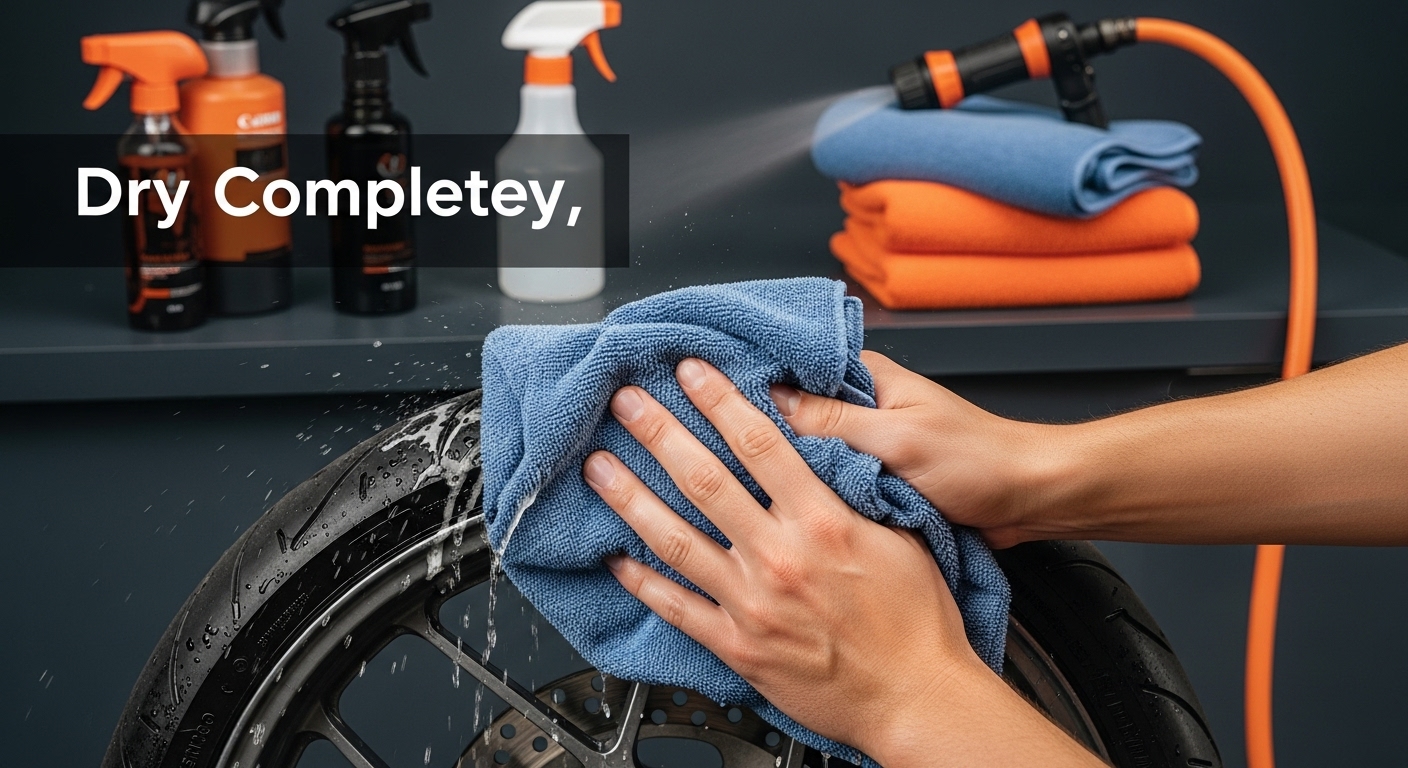
Use a clean microfiber towel to dry the wheels completely. This prevents water spots, which can be hard to remove once dry. You can also use a leaf blower or air compressor for faster drying, especially in tight areas.
Step 8: Apply Tire Dressing and Wheel Protection
Once the tire is dry, apply a thin, even layer of tire dressing using an applicator pad. Wipe off any excess to prevent sling onto your paint. For wheels, apply a wheel sealant or wax to add protection and make future cleaning easier.
Choosing the Right Cleaners for Your Wheels

The type of wheel cleaner you use is crucial for safety and effectiveness. Different wheel materials react differently to chemicals. Always check your wheel type before applying any product.
| Wheel Type | Recommended Cleaner | Notes |
|---|---|---|
| Clear Coated Alloy | pH-neutral, acid-free wheel cleaner, iron remover | Most common type. Safe with gentle cleaners. |
| Chrome | pH-neutral, acid-free wheel cleaner | Avoid abrasive cleaners or brushes that can scratch the finish. |
| Polished Aluminum (Uncoated) | Specialized polished aluminum cleaner, very mild pH-neutral cleaner | Very sensitive. Avoid strong chemicals. May require polishing. |
| Painted/Powder Coated | pH-neutral, acid-free wheel cleaner | Treat like clear-coated alloy. Harsh chemicals can dull or strip the finish. |
| Matte Finish | pH-neutral, matte-specific cleaner | Avoid gloss-enhancing products. Use soft brushes. |
Always read the product label and follow the instructions. If unsure, test the cleaner on a small, hidden area of the wheel first.
Common Mistakes to Avoid When Cleaning Wheels and Tires
Even with the right tools, mistakes can happen. Avoiding these common errors will help you achieve better results and protect your wheels.
- Cleaning Hot Wheels: Never clean wheels that are hot from driving. The heat can cause cleaners to dry too quickly, leaving stains or streaks. Let them cool down first.
- Using Harsh Chemicals: Avoid strong acids or aggressive degreasers unless specifically designed for your wheel type. These can damage clear coats, etch finishes, or corrode metal.
- Not Rinsing Enough: Leaving cleaner residue on the wheels can lead to etching or discoloration. Rinse thoroughly until all suds and product are gone.
- Using the Wrong Brushes: A stiff brush meant for tires can scratch delicate wheel finishes. Use soft brushes for wheels and a dedicated stiff brush for tires.
- Cross-Contamination: Do not use the same wash mitt or towel for your wheels and your car’s paint. Brake dust and grime can scratch your paint.
- Applying Too Much Tire Dressing: Excess tire dressing can sling onto your car’s paint when you drive, creating oily spots. Apply a thin, even coat and wipe off any extra.
Advanced Tips for Tire and Wheel Care
For those looking to take their wheel and tire care to the next level, consider these advanced techniques.
Using a Clay Bar on Wheels
After cleaning, if your wheels still feel rough, they might have embedded contaminants. A clay bar can safely remove these particles, leaving the surface smooth. Use a dedicated wheel lubricant or a diluted car wash solution as a lubricant.
Applying Wheel Sealants or Coatings
Once your wheels are perfectly clean and dry, applying a durable wheel sealant or ceramic coating can offer long-lasting protection. These products create a slick barrier that repels brake dust, dirt, and water, making future cleaning much easier. They can last from several months to a year or more, depending on the product.
Detailing Lug Nuts and Valve Stems
Don’t forget the small details. Use a small, soft brush or cotton swabs to clean around lug nuts and valve stems. These areas often collect dirt and brake dust that larger brushes miss.
Maintaining Cleanliness Between Washes
Keeping your tires and wheels clean doesn’t have to be a huge task every time. Regular maintenance can make the deep cleaning process less frequent and easier.

FAQs
How often should I clean my car’s tires and wheels?
It’s best to clean your tires and wheels every 2 to 4 weeks, or whenever you wash your car. If you drive in harsh conditions, like dusty roads or heavy rain, more frequent cleaning might be needed to prevent buildup.
Can I use dish soap to clean my wheels?
While dish soap can remove grease, it is not recommended for regular use on car wheels. Dish soap can strip away waxes or sealants, leaving your wheels unprotected and potentially dulling the finish over time. It’s better to use a pH-neutral car wash soap or a dedicated wheel cleaner.
What is brake dust and why is it harmful?
Brake dust is a mix of metal shavings from your brake rotors and carbon fibers from your brake pads. It’s highly corrosive and can bond to your wheel’s finish. If left on for too long, it can cause permanent pitting, staining, and damage to the clear coat or paint on your wheels.
Is it safe to use a pressure washer on my wheels?
Yes, a pressure washer can be safe and effective for cleaning wheels, but use it with caution. Keep the nozzle a safe distance from the wheel surface (at least 12 inches) and avoid directing a strong, focused stream at tire sidewalls or wheel weights, as this could cause damage. Always use a wide fan spray pattern.
How do I prevent tire dressing from “slinging” onto my car’s paint?
To prevent tire dressing sling, apply a thin, even coat using an applicator pad. After applying, let it sit for a few minutes to absorb, then wipe off any excess with a clean microfiber towel. Driving immediately after applying can also cause sling, so allow it to dry fully if possible.
Conclusion
Cleaning your car tires and wheels is a straightforward process that yields significant benefits for your vehicle’s appearance and longevity. By following a few simple steps, using the right products, and avoiding common mistakes, you can keep your wheels looking pristine and protected from road grime and brake dust.
Make regular wheel and tire cleaning a part of your car care routine. Your efforts will result in a vehicle that looks better and maintains its value over time. Take the time to properly clean and protect your wheels and tires during your next car wash.
Related posts
 Why You Should Use a Foam Cannon for Car Washing: Ultimate Guide
Washing your car is more than just making it look good. It protects the paint, keeps the value high, and makes driving feel better. But if…
 How to Clean Leather Seats Without Damaging Them: Expert Tips
Keeping your leather seats clean can be a challenge. Leather looks beautiful and feels luxurious, but it needs special care. Many people worry about damaging their…
 Why Using a Ceramic Coating Spray is Important for Your Car’s Shine
If you care about your car’s appearance and value, you probably wash and wax it regularly. But did you know there’s a better way to protect…