
How to Clean Car Air Vents: Steps, Tips, and Common Mistakes
Cleaning your car’s air vents is a simple yet important task that significantly improves the air quality inside your vehicle. Over time, dust, dirt, and allergens build up in these vents. This can lead to unpleasant odors and even affect your health. You can easily clean car air vents using common household items and a few specialized tools. Regular cleaning helps maintain a fresh and healthy environment in your car.
Why Clean Your Car’s Air Vents?
Keeping your car’s air vents clean offers several important benefits. It goes beyond just making your car look tidy. Clean vents contribute to a healthier and more pleasant driving experience.
Health Benefits
Dust, pollen, and other allergens collect in car air vents. When you turn on your AC or heater, these particles blow directly into the car cabin. Breathing in these particles can trigger allergies or respiratory issues. Regular cleaning removes these irritants, creating a healthier breathing environment for you and your passengers.
Odor Control
Stale odors often come from dirty vents. Mold and mildew can grow in damp, dusty areas within the ventilation system. This causes a musty smell that spreads throughout your car. Cleaning the vents helps eliminate these odor sources. It leaves your car smelling much fresher.
System Efficiency
A buildup of dirt can restrict airflow through your vents. This makes your heating and air conditioning system work harder. When the system works harder, it uses more fuel. Cleaning the vents ensures proper airflow. This helps your climate control system run more efficiently. It can also extend the life of your AC components.
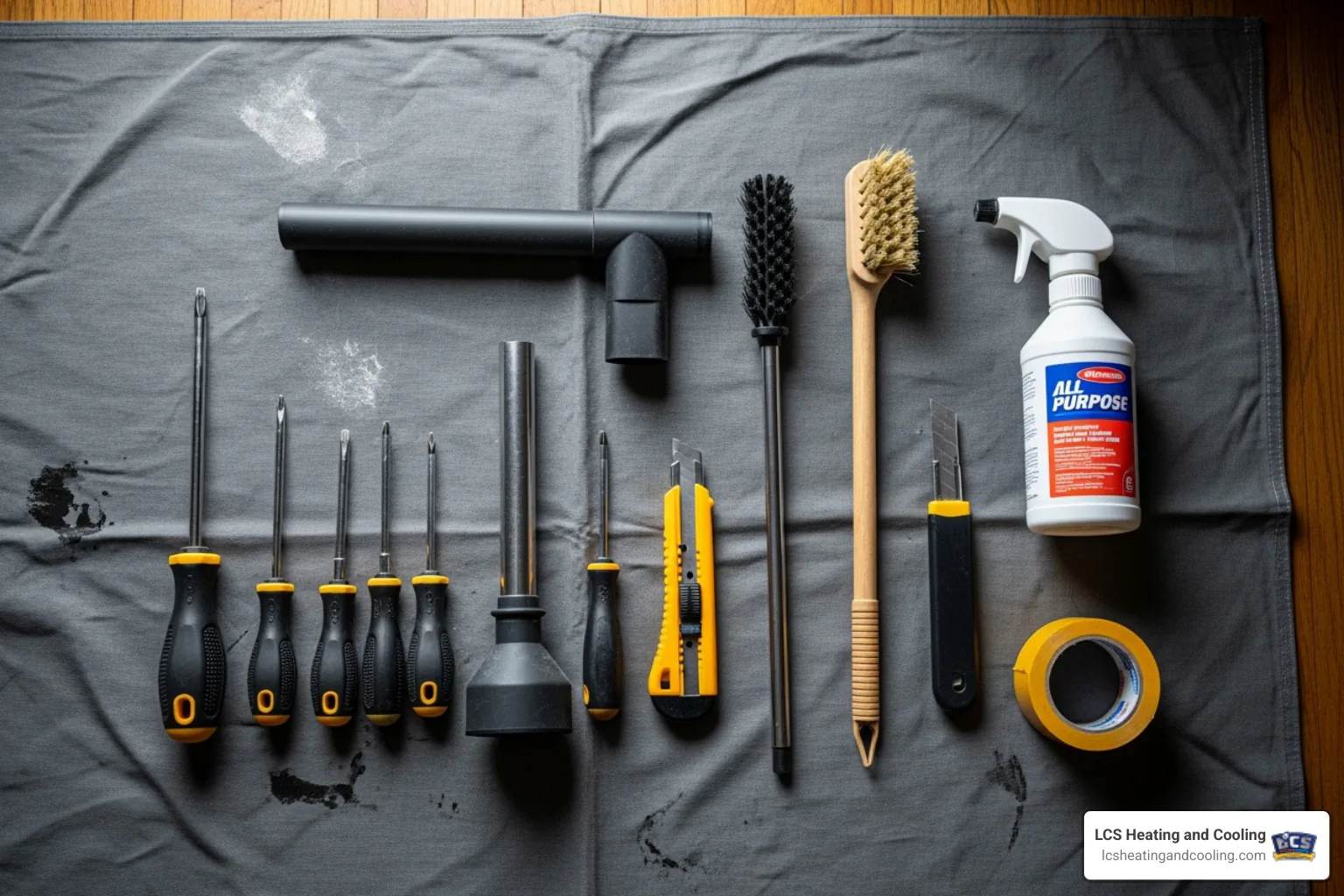
Tools and Materials You’ll Need
Before you start cleaning, gather all the necessary tools. Most items are inexpensive and easy to find. Having everything ready makes the cleaning process smooth and efficient.
- Vacuum Cleaner with Attachments: A small nozzle or brush attachment is ideal.
- Soft-Bristle Brush: A detailing brush, paintbrush, or even a clean toothbrush works well.
- Microfiber Cloths: For wiping surfaces and absorbing moisture.
- Interior Car Cleaner: Choose a gentle, all-purpose cleaner safe for car interiors.
- Compressed Air Can: Helps dislodge stubborn dust from hard-to-reach areas.
- Cotton Swabs or Foam Swabs: Perfect for cleaning tight corners and crevices.
- Small Bucket of Water: For rinsing cloths.
- Optional: Car Odor Eliminator: If persistent smells are an issue.
Here is a quick overview of the tools and their primary uses:
| Tool | Purpose | Tip for Use |
|---|---|---|
| Vacuum Cleaner | Removes loose dust and debris. | Use a narrow nozzle for tight spaces. |
| Soft-Bristle Brush | Loosens stuck-on dirt and dust. | Brush gently to avoid scratching surfaces. |
| Microfiber Cloths | Wipes surfaces clean, absorbs cleaner. | Use separate cloths for cleaning and drying. |
| Interior Car Cleaner | Breaks down grime and sanitizes. | Spray onto cloth, not directly onto vents. |
| Compressed Air Can | Blows out dust from deep within vents. | Use short bursts to prevent moisture buildup. |
| Cotton Swabs | Cleans very small gaps and corners. | Dampen slightly with cleaner for better results. |
Step-by-Step Guide to Cleaning Car Air Vents
Follow these steps to thoroughly clean your car’s air vents. Work carefully and take your time to ensure a complete job.
Step 1: Initial Dust Removal
Start by removing any loose dust. Use your vacuum cleaner with a brush attachment. Gently vacuum the surface of each vent. Move the attachment across the vent slats to pick up visible dirt. This prevents dust from being pushed deeper into the system later.
Step 2: Loosen Stubborn Dirt
Next, use a soft-bristle brush to dislodge any stuck-on grime. Gently brush along the vent slats and around the edges. The goal is to bring hidden dust to the surface. You can also use a detailing brush or a clean, dry paintbrush for this step. Work slowly to avoid pushing dirt further in.
Step 3: Deep Cleaning the Vent Slats
Now it’s time for a deeper clean. Spray your interior car cleaner onto a clean microfiber cloth. Do not spray directly into the vents. Wipe down each vent slat and the surrounding plastic. For very tight spots, wrap a cotton swab around the tip of your brush. Then, dampen the swab with cleaner and carefully clean the narrow gaps. This helps remove grime and sanitize the surfaces.
Step 4: Clear Deeper Ducts with Compressed Air
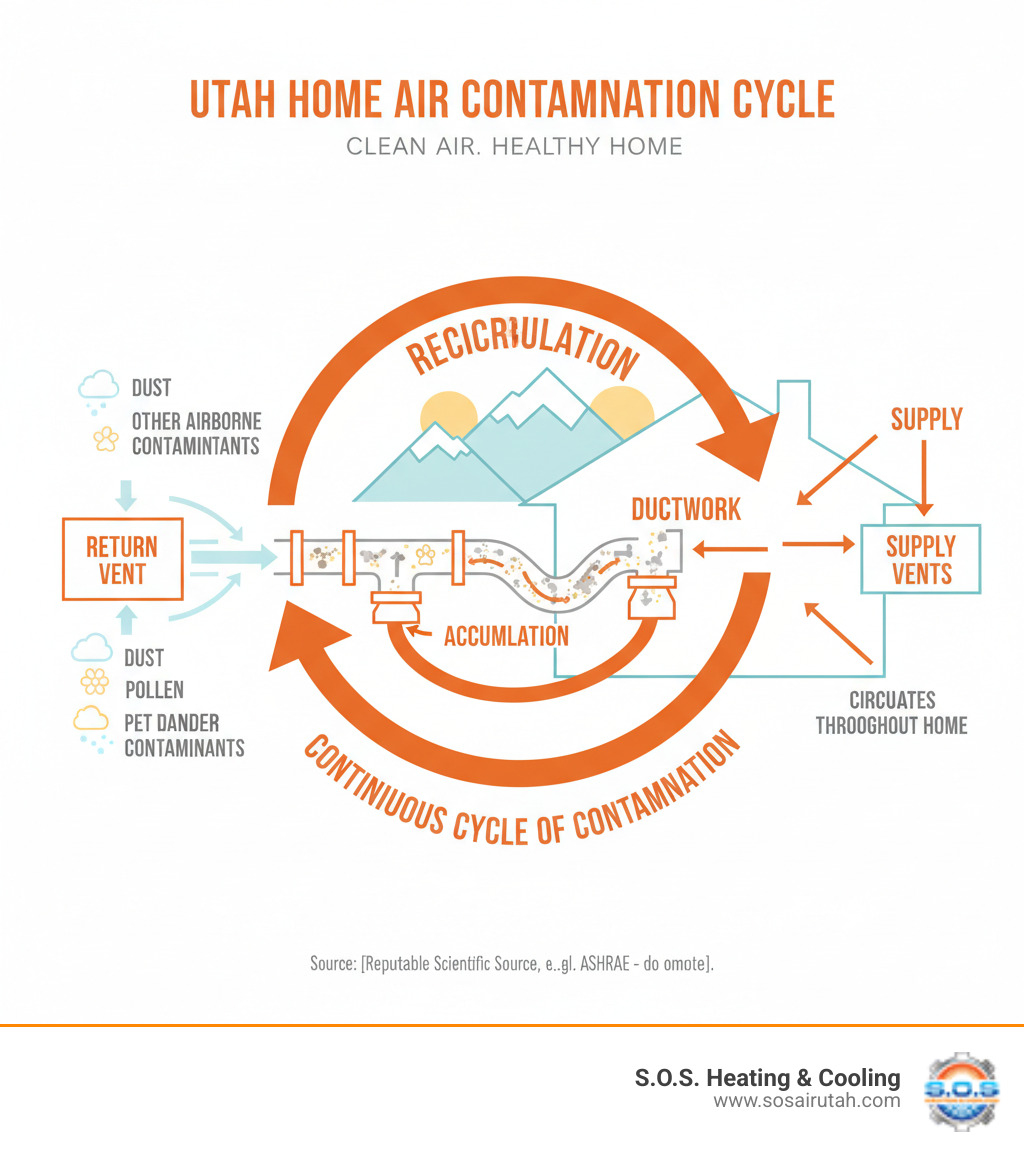
To address dust deeper inside the vents, use a can of compressed air. Insert the nozzle into the vent opening. Use short, controlled bursts of air. This will blow out dust and debris that the vacuum couldn’t reach. Keep a vacuum running nearby to catch the expelled dust. This prevents it from settling back onto your car’s interior.
Step 5: Final Wipe Down and Drying
After using compressed air, give the vents a final wipe. Use a clean, dry microfiber cloth. This removes any remaining dust or cleaner residue. Ensure all surfaces are dry to prevent new dust from sticking. You can also turn on your car’s fan for a few minutes. This helps dry out any moisture inside the ducts.
Common Mistakes to Avoid
While cleaning car air vents is straightforward, some common errors can cause damage or reduce effectiveness. Knowing what to avoid helps ensure a safe and thorough clean.
Using Harsh Chemicals
Avoid strong household cleaners like bleach or ammonia-based products. These can damage the plastic, vinyl, or other materials in your car’s interior. They can also leave behind harmful fumes. Always use an interior car cleaner specifically designed for automotive surfaces. Test any new cleaner on a small, hidden area first.
Spraying Cleaner Directly into Vents
Never spray liquid cleaner directly into the air vents. This can push moisture and chemicals deep into the ductwork. It can lead to mold growth, damage electronic components, or leave sticky residues. Always spray your cleaner onto a microfiber cloth first. Then, use the dampened cloth to wipe the vent surfaces.
Ignoring Deeper Ducts
Only cleaning the visible parts of the vents isn’t enough. A lot of dust and allergens hide deeper inside the ducts. Failing to use compressed air or a vacuum with a narrow attachment means you’re leaving much of the problem untouched. Make sure to address the hidden areas for a truly clean system.
Over-Wetting Surfaces
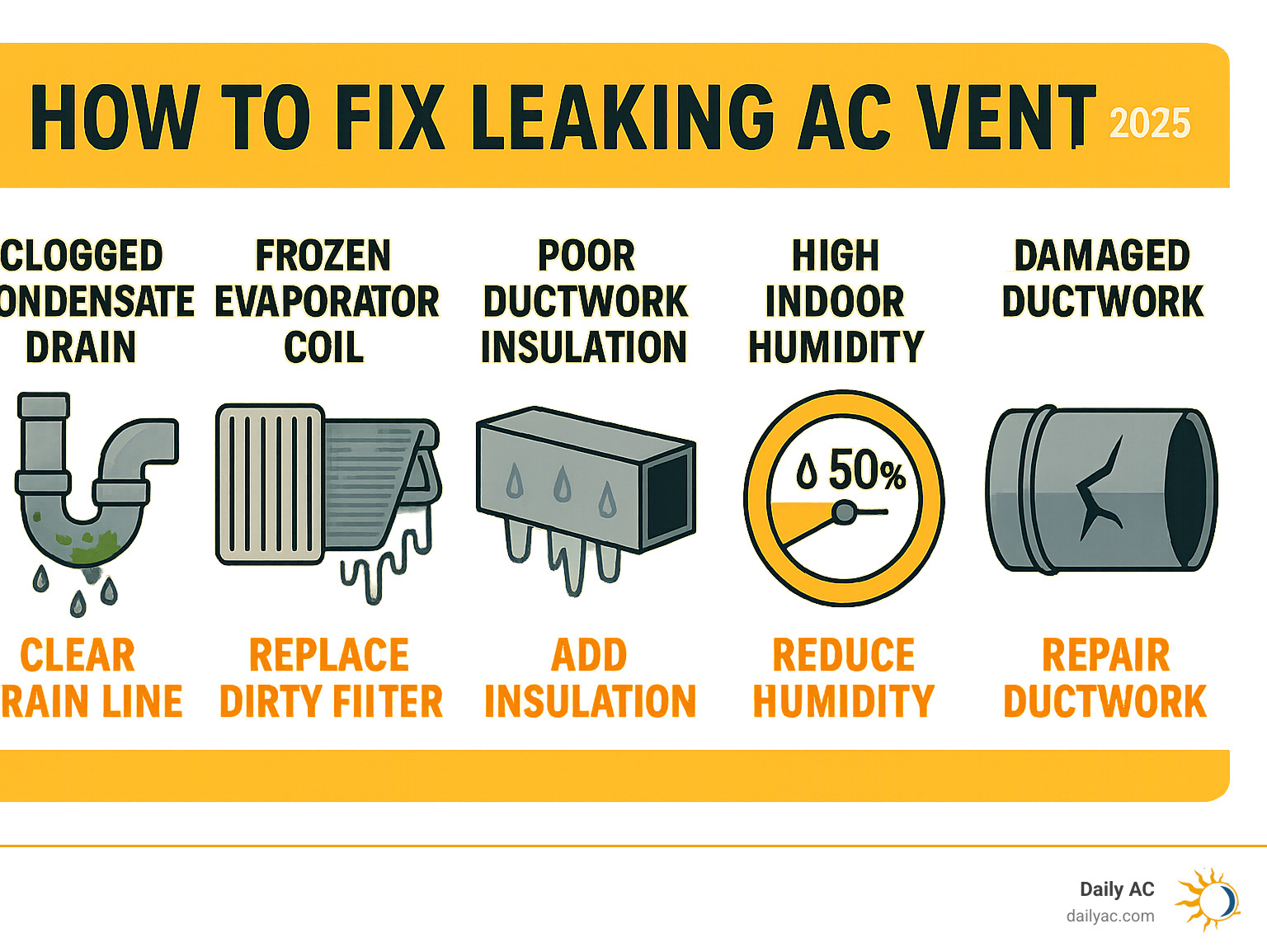
Using too much liquid can cause problems. Excess moisture can promote mold and mildew growth in the vents. It can also leave streaks or watermarks on your car’s interior. Always wring out your microfiber cloth well. The cloth should be damp, not soaking wet, when you wipe surfaces.
Advanced Cleaning Tips
For a truly deep clean or to tackle specific issues, consider these advanced tips. They can help address persistent odors or very dirty systems.
Using a Detailing Steamer
A detailing steamer can be very effective for sanitizing vents. The hot steam kills bacteria and mold without harsh chemicals. Use a small nozzle attachment and direct the steam into the vents. Be careful not to over-saturate. Follow up with a dry microfiber cloth to absorb moisture. This method is excellent for odor removal.
Odor Eliminators and Foggers
If your car still has a lingering smell after cleaning, an odor eliminator might help. These products come in sprays or “fogger” cans. A fogger releases a fine mist that circulates through the entire ventilation system. It neutralizes odors at their source. Follow product instructions carefully, as some require the car to run with the AC on.
Professional Cleaning Services
For extremely dirty vents or persistent issues, professional help is an option. Detailers have specialized tools and stronger cleaning agents. They can reach deep into the HVAC system. This is especially useful if you suspect mold growth or have very old, neglected vents. A professional clean can restore your car’s air quality significantly.
Maintenance for Fresh Vents
Once your car air vents are clean, maintaining them is easy. Regular, simple steps prevent heavy buildup. This keeps your car’s interior fresh and healthy all year round.
Regular Wiping
Make it a habit to wipe down your car’s vents regularly. Use a clean, dry microfiber cloth. A quick wipe once a week or every two weeks can prevent dust from settling. This simple step saves you from needing a deep clean as often.
Check and Replace Cabin Air Filter

Your car’s cabin air filter plays a huge role in air quality. It traps dust, pollen, and pollutants before they enter your car. A dirty filter can restrict airflow and introduce odors. Check your car’s manual for the recommended replacement schedule. Typically, it’s every 15,000 to 30,000 miles. Replacing it regularly is crucial for clean air.
Use a Car Air Purifier
Consider using a small car air purifier. These devices plug into your car’s power outlet. They help filter out airborne particles and odors. While not a substitute for cleaning, they can enhance air quality between deep cleans. This is especially helpful if you live in a dusty area or have pets.
FAQs
How often should I clean my car air vents?
It’s a good idea to give your car air vents a light cleaning every month or two. A deeper clean, including using compressed air, should be done every six months. If you live in a dusty area or have pets, you might need to clean them more often.
Can I use household cleaning wipes on my car vents?
It’s best to avoid general household cleaning wipes. Many contain harsh chemicals that can damage car interior materials. Stick to interior car cleaners specifically designed for vehicles. These are safer for plastic, vinyl, and other surfaces.
What if my car vents still smell after cleaning?
If odors persist, the problem might be deeper in the ventilation system. Consider using an automotive odor eliminator fogger. These products circulate through the entire system to neutralize smells. If the smell is still there, it might indicate mold or mildew. In that case, professional detailing might be needed.
Is it safe to use compressed air in car vents?
Yes, using compressed air is safe and effective for car vents. Use short bursts to avoid pushing moisture too deep. It helps dislodge dust and debris from hard-to-reach areas. Always keep a vacuum nearby to catch the dust as it comes out.
Can dirty car vents affect my car’s AC performance?
Yes, dirty vents can restrict airflow. This makes your AC system work harder to cool or heat the cabin. Over time, this can reduce efficiency and put strain on the system. Keeping vents clean helps your AC run smoothly and effectively.
Conclusion
Cleaning your car air vents is a simple yet impactful part of car maintenance. It improves air quality, removes unpleasant odors, and helps your climate control system run better. By following a few easy steps and using the right tools, you can keep your car’s interior fresh and healthy. Make regular vent cleaning a habit to enjoy a more pleasant driving experience every day.
Related posts
 Why You Should Use a Foam Cannon for Car Washing: Ultimate Guide
Washing your car is more than just making it look good. It protects the paint, keeps the value high, and makes driving feel better. But if…
 How to Clean Leather Seats Without Damaging Them: Expert Tips
Keeping your leather seats clean can be a challenge. Leather looks beautiful and feels luxurious, but it needs special care. Many people worry about damaging their…
 Why Using a Ceramic Coating Spray is Important for Your Car’s Shine
If you care about your car’s appearance and value, you probably wash and wax it regularly. But did you know there’s a better way to protect…