
Which Car Scratch Remover Is Best? Top Picks for a Flawless Finish
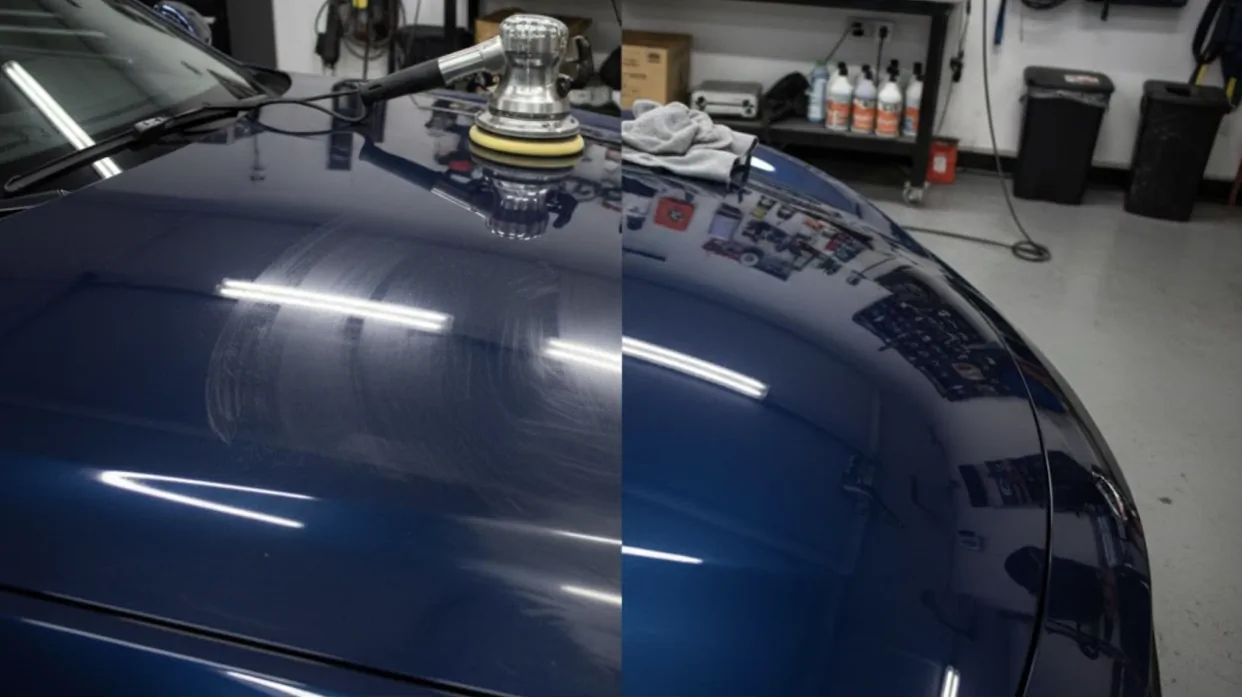
Which car scratch remover is best? The best car scratch remover depends on the depth of the scratch and the type of paint finish on your vehicle. For light surface scratches, a good quality rubbing compound or a scratch repair kit with a mild abrasive will work well. Deeper scratches might require a more aggressive compound or even professional attention.
Many products promise to make scratches disappear. Some use fine abrasives to gently level the paint. Others fill in the scratch with a clear coat. Understanding what each type of product does helps you choose the right one.
We’ll explore different types of scratch removers. We’ll also look at what makes a product effective. This guide will help you pick the best option for your car’s needs.
Understanding Car Scratches and How Removers Work
Car paint has several layers. The clear coat is the outermost layer. It protects the color coat and primer underneath. Most minor scratches only affect the clear coat.
Scratch removers work in a few ways. Some contain very fine abrasives. These gently sand down the clear coat around the scratch. This process levels the surface, making the scratch less visible or disappear entirely.
Other products are more like fillers. They contain polymers or resins. These substances fill the scratch. They create a smoother surface that reflects light more evenly. This can make the scratch seem gone.
Types of Car Scratches
Not all scratches are the same. Knowing the type helps you choose the right remover.
- Clear Coat Scratches: These are the most common. They are light and only in the top layer. You can often feel them with your fingernail, but it catches only slightly.
- Primer Scratches: These go deeper. They reach the primer layer, which is usually gray or white. You will see a color change.
- Metal Scratches: These are the deepest. They expose the bare metal of the car’s body. Rust can form if not treated quickly.
How Scratch Removers Address Different Depths
For clear coat scratches, abrasive compounds are usually effective. They remove a tiny bit of clear coat to blend the scratch away. This is a permanent fix for that specific scratch.
For primer or metal scratches, most scratch removers won’t be enough. They might make the scratch less noticeable temporarily. However, these deeper damages often need touch-up paint and professional repair to be fully fixed and protected.
Top Categories of Car Scratch Removers
There are several main types of products you can use. Each has its strengths and best uses.
Rubbing Compounds
Rubbing compounds are abrasive polishes. They come in different grits, from coarse to very fine. A coarse compound removes more material. A fine compound polishes the surface to a shine.
They are great for removing moderate to light scratches. You typically apply them with a cloth or a buffer. It’s important to follow the product instructions carefully. Using too much pressure or a too-coarse compound can create more scratches.
Polishing Compounds
Polishing compounds are less abrasive than rubbing compounds. They are designed to remove very light swirl marks and minor imperfections. They also enhance the shine of your car’s paint.
These are ideal for finishing after using a rubbing compound. They bring back the gloss. They are also good for maintaining a scratch-free finish.
Scratch Repair Kits
These kits often combine several products. They might include a rubbing compound, a polishing compound, and applicators. Some kits also come with touch-up paint pens.
Kits are convenient because they provide everything you need. They are good for DIYers. They can handle a range of light to moderate scratches.
Scratch Filler Pens
Scratch filler pens are simple to use. They contain a clear resin that fills the scratch. The resin dries clear, making the scratch less visible.
These are best for very fine, shallow scratches. They don’t remove paint; they fill the gap. The effect might not be permanent, as the filler can wear away over time.
Ceramic Coatings and Sealants
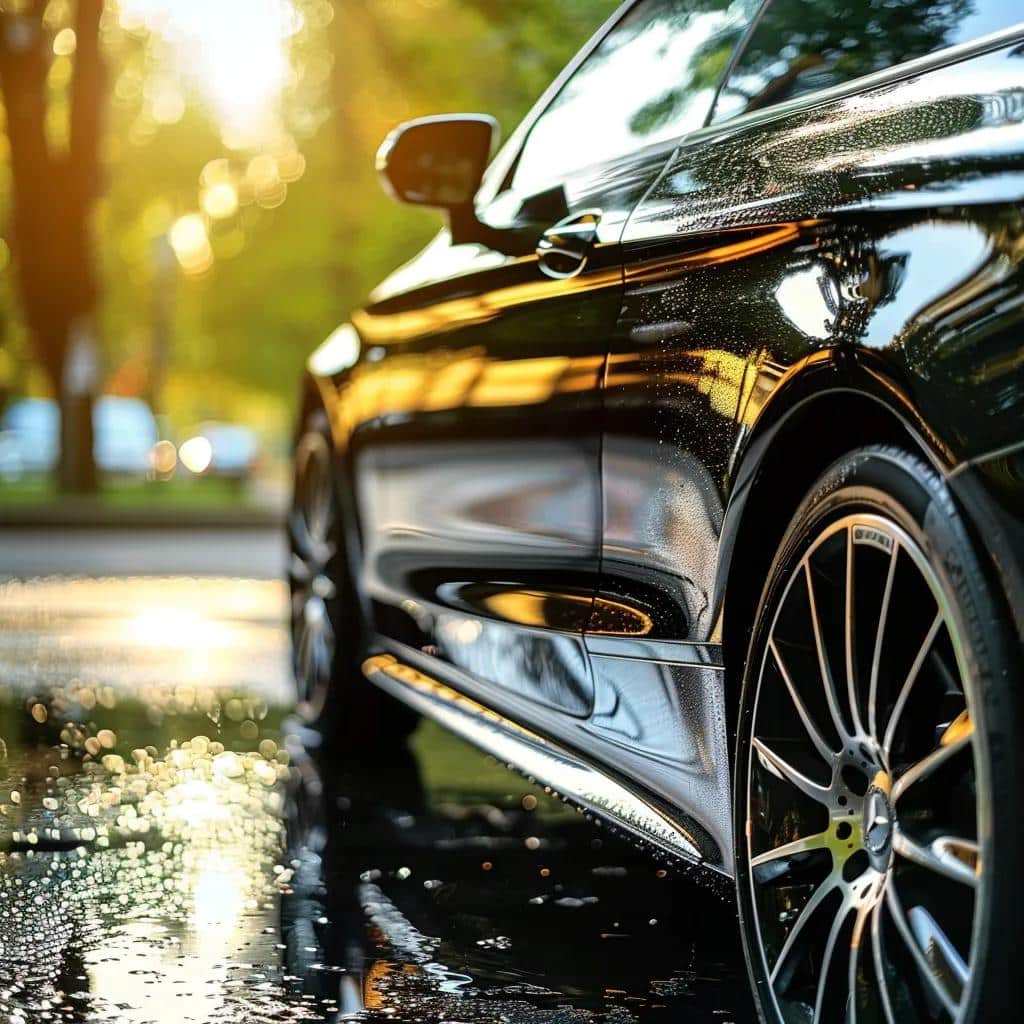
While not direct scratch removers, ceramic coatings and sealants offer protection. They create a hard, durable layer over your paint. This layer can resist minor scratches and swirl marks.
Applying these products can prevent new scratches from forming. They also make the paint easier to clean. They are a proactive measure rather than a reactive fix.
Factors to Consider When Choosing a Car Scratch Remover
Selecting the right product involves looking at a few key things. Your car’s paint condition is the most important factor.
Scratch Depth
As mentioned, scratch depth is critical. For light scratches in the clear coat, a mild abrasive or a good polish will work. If you can feel a significant catch with your fingernail, you might need a rubbing compound.
If you see color other than your car’s paint, it’s a deeper scratch. These often require touch-up paint. Scratch removers alone won’t fix them properly.
Paint Type and Finish
Most modern cars have a clear coat finish. Products designed for clear coats are generally safe. However, some older cars or specialty finishes might be more sensitive.
Matte finishes require special care. They should not be polished with abrasive compounds. Always check if a product is safe for your specific paint type.
Ease of Use
Are you a beginner or an experienced detailer? Some products are simple to apply by hand. Others work best with a machine polisher.
Scratch repair kits and filler pens are often easier for beginners. Rubbing compounds can be more forgiving when applied by hand, but machine application offers better results if done correctly.
Brand Reputation and Reviews
Reputable brands often produce reliable products. Look for brands known for automotive detailing supplies.
Reading customer reviews can provide real-world insights. See what other car owners say about their experience with a specific product. Look for reviews that mention the type of scratches they fixed.
Recommended Car Scratch Removers for Different Needs
Based on common needs, here are some types of products that often perform well. Remember to always test in an inconspicuous area first.
For Light Swirls and Scuffs: Polishing Compound
If your car has minor swirl marks from washing or light scuffs, a good polishing compound is your best bet. These products are designed to gently remove imperfections and restore gloss without aggressive abrasion.
Look for products labeled as “fine cut” or “swirl remover.” They work well with a microfiber applicator pad or a soft foam pad on a polisher.
For Clear Coat Scratches: Rubbing Compound
When you have scratches that are more noticeable but still only in the clear coat, a rubbing compound is needed. These have more abrasive particles to level the paint surface.
Start with a less aggressive rubbing compound. If that doesn’t work, you can move to a slightly more aggressive one. Always follow up with a polishing compound to restore shine.
For Quick Fixes and Very Fine Scratches: Scratch Filler Pens

For those tiny, almost invisible scratches that catch the light, a scratch filler pen can be a quick solution. They are easy to use and don’t require much skill.
These are not a permanent repair for deep scratches. They work by filling the void. The results can be temporary but effective for minor cosmetic issues.
For DIYers and All-in-One Solutions: Scratch Repair Kits
If you’re new to car detailing or want a simple solution, a comprehensive scratch repair kit is a good choice. These kits usually include multiple steps and products.
They often guide you through the process. This makes it easier to tackle various types of light to moderate scratches effectively.
How to Use a Car Scratch Remover Effectively
Proper application is key to getting the best results. Using a product incorrectly can worsen the problem.
Preparation is Crucial
Always start by washing and drying your car thoroughly. Any dirt or debris left on the surface can cause new scratches during the removal process.
Inspect the scratch in good lighting. Determine its depth. This helps you choose the right product and grit level.
Application Techniques
For most compounds, apply a small amount to a clean microfiber applicator pad. Work the product into the scratched area using moderate pressure. Use back-and-forth or circular motions, depending on the product’s instructions.
For filler pens, follow the specific instructions. Usually, you apply the liquid directly into the scratch and wipe away excess. Allow it to cure as directed.
Follow-Up Steps
After using a rubbing compound, you will likely need to polish the area. This restores the shine and removes any haziness left by the abrasive. Use a finer polishing compound for this step.
Once you’re satisfied with the scratch removal and shine, apply a wax or sealant. This protects the newly repaired paint and adds a layer of gloss.
When to Seek Professional Help
Some scratches are simply too deep for DIY solutions. If you can see the primer or bare metal, a scratch remover won’t fix it.
Deep scratches can lead to rust if left untreated. A professional detailer or body shop can properly repair these. They can match the paint color and apply protective coatings.
Signs You Need a Professional
- The scratch is deep enough to catch your fingernail significantly.
- You can see a different color (primer) or metal in the scratch.
- The scratch is very long or covers a large area.
- You are uncomfortable using abrasive compounds or machine polishers.
- The scratch is on a complex body line or edge.
Common Mistakes to Avoid
Making a mistake can turn a small scratch into a bigger problem. Be aware of these common pitfalls.
Using the Wrong Product
Using a heavy-duty rubbing compound on a light swirl mark can remove too much paint. This can create dull spots or even new scratches.
Conversely, using a mild polish on a deeper scratch won’t do much. Always match the product to the scratch depth.
<

h3>Applying Too Much Pressure
Excessive pressure can overheat the paint. It can also grind the abrasive particles too aggressively. This leads to more damage than you started with.
Work gently and let the product do the work. If you’re using a machine polisher, ensure you’re using the correct speed and pad.
Not Testing First
Always test your chosen product in a small, hidden area. This could be on the lower part of a door or a spare panel if available.
This test run shows you how the product performs on your car’s paint. It helps you avoid making a visible mistake on a prominent part of your vehicle.
Skipping the Follow-Up Steps
After using an abrasive compound, the paint needs to be polished. Skipping this step leaves the area hazy and dull. It also leaves the paint unprotected.
Always follow up with a polish and then a wax or sealant. This ensures a smooth, shiny, and protected finish.
Comparing Popular Scratch Remover Types
To help you decide, here’s a quick comparison of the main types of scratch removers.
| Type of Remover | Best For | Pros | Cons | Ease of Use |
|---|---|---|---|---|
| Rubbing Compound | Clear coat scratches (moderate) | Effective for deeper clear coat damage, levels paint | Can be too aggressive if misused, requires follow-up polish | Moderate |
| Polishing Compound | Light swirls, minor scuffs, haze | Restores shine, gentle abrasion, good for maintenance | Not effective for deeper scratches | Easy |
| Scratch Repair Kit | Various light to moderate scratches | All-in-one solution, good for beginners | Quality can vary by kit, may not be as effective as separate products | Easy to Moderate |
| Scratch Filler Pen | Very fine, shallow scratches | Quick and easy, temporary fix | Not a permanent repair, can wear off | Very Easy |
Frequently Asked Questions About Car Scratch Removers
Can I use toothpaste to remove car scratches?
Some people suggest using toothpaste because it has mild abrasives. While it might work for extremely light scuffs on some surfaces, it’s not recommended for car paint. Toothpaste can be inconsistent in its abrasiveness and may contain ingredients that could damage your car’s clear coat. It’s better to use products specifically designed for automotive paint.
How long does a scratch remover last?
The longevity of a scratch remover’s effect depends on the type of product and the depth of the scratch. Abrasive compounds permanently remove the scratch by leveling the paint. Filler pens offer a temporary fix that can last weeks to months, depending on environmental factors and washing. Protective coatings applied afterward will extend the life of the repair.
Will a scratch remover work on plastic bumpers?
Many scratch removers designed for car paint can also work on plastic bumpers. However, plastic is more flexible and can scratch differently than metal. Always check the product label to ensure it’s safe for use on plastic. For deeper scratches on plastic, specialized plastic repair kits might be more effective.
How often should I use a car scratch remover?
You should only use a scratch remover when you have scratches that need addressing. Overuse of abrasive compounds can thin the clear coat over time, making the paint more vulnerable. For light maintenance and to prevent minor swirls, regular polishing and waxing are more appropriate than repeated scratch removal.
What is the difference between a compound and a polish?
The main difference is abrasiveness. Compounds contain larger abrasive particles and are designed to remove more material. They are used to fix noticeable scratches and imperfections. Polishes contain finer abrasive particles and are used to refine the surface after compounding, remove light swirls, and enhance gloss. Polish is less aggressive and safer for regular use.
Conclusion
Choosing the best car scratch remover hinges on understanding your car’s paint and the severity of the damage. For light swirls and scuffs, polishing compounds are excellent. Moderate clear coat scratches often require a rubbing compound, followed by a polish to restore shine. Very fine scratches can be temporarily masked with filler pens, offering a quick fix.
Always prepare your car properly, test products in an inconspicuous area, and follow application instructions carefully. For deep scratches that expose primer or metal, professional repair is the safest and most effective route. By selecting the right product and using it correctly, you can significantly improve your car’s appearance and protect its finish.
Ready to give your car a fresh look? Start by assessing your scratches and choosing a product that matches their depth. A little effort can make a big difference in keeping your vehicle looking its best.
Related posts
 Why You Should Use a Foam Cannon for Car Washing: Ultimate Guide
Washing your car is more than just making it look good. It protects the paint, keeps the value high, and makes driving feel better. But if…
 How to Clean Leather Seats Without Damaging Them: Expert Tips
Keeping your leather seats clean can be a challenge. Leather looks beautiful and feels luxurious, but it needs special care. Many people worry about damaging their…
 Why Using a Ceramic Coating Spray is Important for Your Car’s Shine
If you care about your car’s appearance and value, you probably wash and wax it regularly. But did you know there’s a better way to protect…