
What is the Best Recovery Gear for Off-Roading? Top Picks Revealed
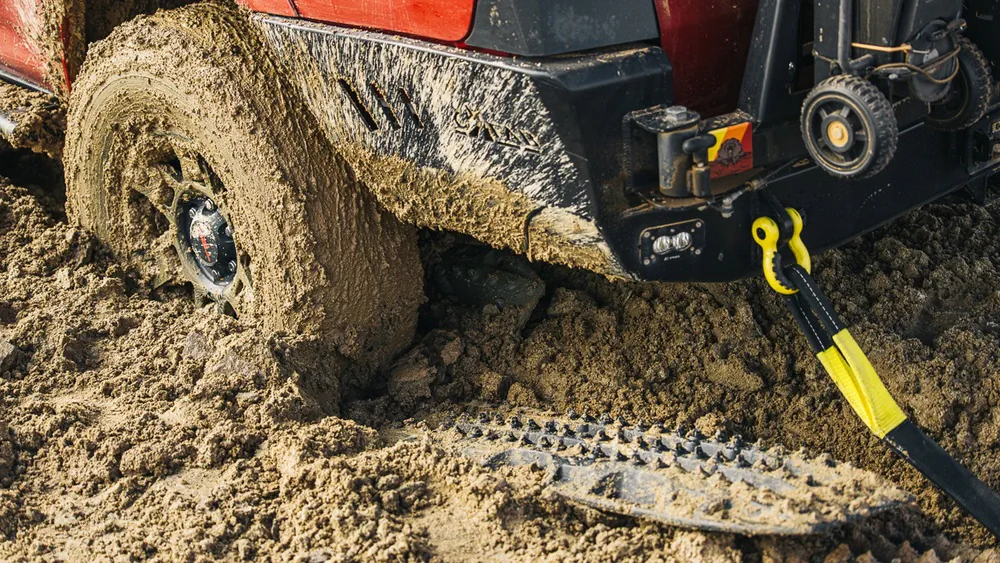
Off-roading offers adventure, challenge, and the chance to explore places regular vehicles cannot reach. But with excitement comes risk—uneven terrain, mud, sand, and rocks can easily trap even the toughest 4x4s. This is why choosing the best recovery gear for off-roading is not just smart—it’s essential. The right equipment keeps you safe, saves time, and can turn a stressful situation into a minor inconvenience. In this guide, you’ll learn exactly what gear you need, why it matters, and how to make smart decisions for your next off-road journey.
Must-have Recovery Gear For Off-roading
When you leave paved roads behind, your standard car tools won’t be enough. Off-road recovery gear is designed for tough conditions, heavy vehicles, and quick action. Here are the most important items you should carry:
1. Recovery Straps
A recovery strap is a strong, flexible nylon band used to pull a stuck vehicle. Unlike tow ropes, recovery straps stretch and snap back, helping to free a vehicle without sharp jerks.
- Look for a 20,000–30,000 lbs rating for most 4x4s.
- Avoid damaged straps—small cuts can lead to failure under stress.
2. Winch
A winch is a motor-powered cable system that pulls your vehicle out when it’s deeply stuck. It’s especially useful in mud, snow, and steep terrain.
- Choose a winch rated for at least 1.5 times your vehicle’s weight.
- Synthetic rope is lighter and safer than steel but needs more care.
3. D-shackles (bow Shackles)
D-shackles connect recovery straps to vehicle recovery points. Always use tested, rated shackles, not hardware store versions.
- Most off-roaders use 3/4-inch, 4.75-ton shackles.
- Check for stamped weight ratings on the shackle body.
4. Traction Boards
Traction boards (like Maxtrax or TRED) are large plastic panels placed under your tires for grip on sand, snow, or mud.
- Boards should support your vehicle’s weight without cracking.
- Bright colors make them easy to find if buried.
5. Tire Deflator And Air Compressor
Changing tire pressure helps with traction. A tire deflator lets you quickly lower pressure, while an air compressor reinflates tires for highway driving.
- Look for compressors rated at 2.0 CFM or higher for quick inflation.
- Digital deflators are more precise but cost more.
6. Snatch Block
A snatch block doubles your winch’s pulling power and lets you change cable direction around obstacles.
- The block should match or exceed your winch’s load rating.
- Lubricate regularly for smooth operation.
7. Recovery Points
Recovery points are strong, factory-mounted hooks or loops on your vehicle’s frame. Never use tow balls or suspension parts—they can break and become dangerous projectiles.
- Aftermarket recovery points are often stronger than factory ones.
- Install both front and rear points for more options.
8. Shovel
A sturdy shovel helps clear mud, sand, or snow from around your tires. Full-size folding models are easy to store and strong enough for tough digging.
- Avoid cheap plastic shovels—they break under stress.
- Metal blades last longer and cut through tough ground.
9. Gloves
Recovery work can be rough on your hands. Durable work gloves protect you from cuts, rope burns, and sharp objects.
- Leather or synthetic with reinforced palms work best.
- Keep a dry backup pair for emergencies.
10. Tree Trunk Protector
If you need to winch from a tree, a tree trunk protector strap wraps around the trunk to prevent damage and provide a safe anchor.
- Choose protectors at least 3 inches wide and 10–12 feet long.
- Never use winch cable alone—it can cut into the bark and kill the tree.
11. Hi-lift Jack
A hi-lift jack lifts your vehicle higher than standard jacks, helping with tire changes or recovery in rough terrain.
- Requires practice—improper use can be dangerous.
- Stabilize the base on soft ground with a jack pad.
12. Recovery Damper
A recovery damper is a weighted blanket placed over winch cables or straps. If a cable snaps, the damper reduces dangerous recoil.
- Many off-road groups require a damper for safe winching.
- In an emergency, a heavy jacket or floor mat can substitute.
13. Basic Tool Kit
Off-road breakdowns are common. A tool kit with sockets, wrenches, pliers, and screwdrivers lets you make quick fixes.
- Include spare fuses, electrical tape, and zip ties.
- Know your vehicle’s unique tools (like special lug wrenches).
14. Flashlight Or Headlamp
Night recovery is tricky. A powerful flashlight or headlamp keeps your hands free and work area lit.
- LED models last longer and are more durable.
- Bring extra batteries or a rechargeable power bank.
15. First Aid Kit
Injuries happen fast during recovery. A first aid kit with bandages, antiseptic, and medical tape should be easy to reach.
- Add insect repellent and allergy medicine for remote areas.
- Check expiry dates before each trip.
How To Choose The Right Recovery Gear
Buying recovery gear is more than picking the most expensive items. Here’s what matters most:
- Vehicle weight: Always check your gear’s ratings. Under-rated gear can snap and cause injury.
- Terrain: Sand, mud, and rocks need different tools. For example, traction boards work better in sand, while a winch is vital in mud.
- Group size: Solo travelers need more gear since help isn’t nearby.
- Storage: Big items like jacks and boards take up space—pack only what you’ll likely use.
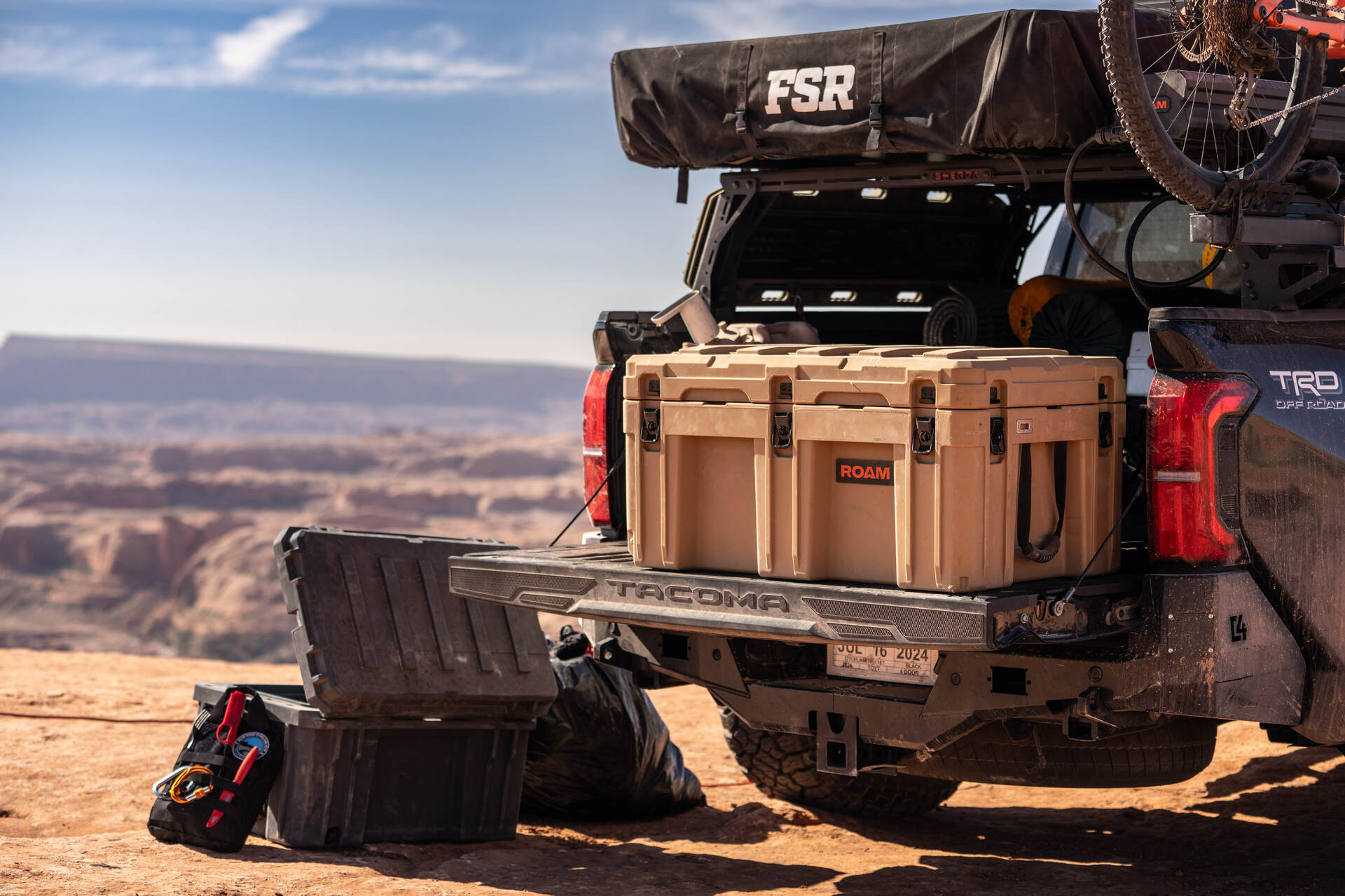
Many beginners forget to check their own vehicle’s recovery points before buying gear. If your vehicle lacks strong hooks, most recovery gear is useless.
Credit: summit4x4company.com
Comparing Top Recovery Gear
Here’s a quick look at three essential recovery tools and how they compare in common situations.
| Gear | Best For | Weight | Average Cost |
|---|---|---|---|
| Winch | Deep mud, solo travel | 20-60 lbs | $300–$1,200 |
| Traction Boards | Sand, snow, mud | 12-18 lbs (pair) | $80–$300 |
| Recovery Strap | Quick pulls, team use | 3-5 lbs | $30–$80 |
Another comparison highlights rope types for off-road recovery:
| Type | Material | Stretch | Safety |
|---|---|---|---|
| Recovery Strap | Nylon | High | Safer for snapping actions |
| Tow Rope | Polyester | Low | Not ideal for recovery |
| Winch Line | Steel/Synthetic | Very low | Dangerous if broken without damper |
Common Recovery Mistakes To Avoid
Even with the best gear, mistakes can turn recovery dangerous:
- Skipping safety checks—always inspect gear before use.
- Using tow balls as recovery points—these can break and cause injury.
- Overloading straps or winches beyond their rating.
- Forgetting to clear bystanders from the danger zone during recovery.
One non-obvious tip: Practice using your gear before an emergency. Real recovery is stressful; knowing your equipment can save time and prevent injury.

Credit: trail4runner.com
Frequently Asked Questions
What Is The Minimum Recovery Gear I Should Carry?
Carry at least a recovery strap, two D-shackles, a shovel, and a first aid kit. This covers most basic stuck situations.
Can I Use A Regular Rope For Recovery?
No, regular ropes are not designed for the loads and stretching needed in off-road recovery. Use only rated recovery straps or winch lines.
How Often Should I Replace Recovery Gear?
Inspect gear after every trip. Replace recovery straps with cuts, shackles showing rust, or any item that fails a safety check.
Are Synthetic Winch Lines Better Than Steel?
Synthetic lines are lighter and safer if they break, but they need more care to avoid abrasion and UV damage. Steel lines last longer but are heavier and more dangerous if they snap.
Where Can I Learn More About Off-road Recovery?
Check guides from the Tread Lightly organization for safety tips, best practices, and training.
Off-roading is more fun and less stressful when you’re prepared. The right recovery gear lets you explore with confidence, knowing you can handle challenges and help others too. Invest in quality, learn how to use your tools, and enjoy the adventure responsibly.
Related posts
 Why You Should Use a Foam Cannon for Car Washing: Ultimate Guide
Washing your car is more than just making it look good. It protects the paint, keeps the value high, and makes driving feel better. But if…
 How to Clean Leather Seats Without Damaging Them: Expert Tips
Keeping your leather seats clean can be a challenge. Leather looks beautiful and feels luxurious, but it needs special care. Many people worry about damaging their…
 Why Using a Ceramic Coating Spray is Important for Your Car’s Shine
If you care about your car’s appearance and value, you probably wash and wax it regularly. But did you know there’s a better way to protect…