
Common Mistakes in Off-Road Winching And How to Avoid Them
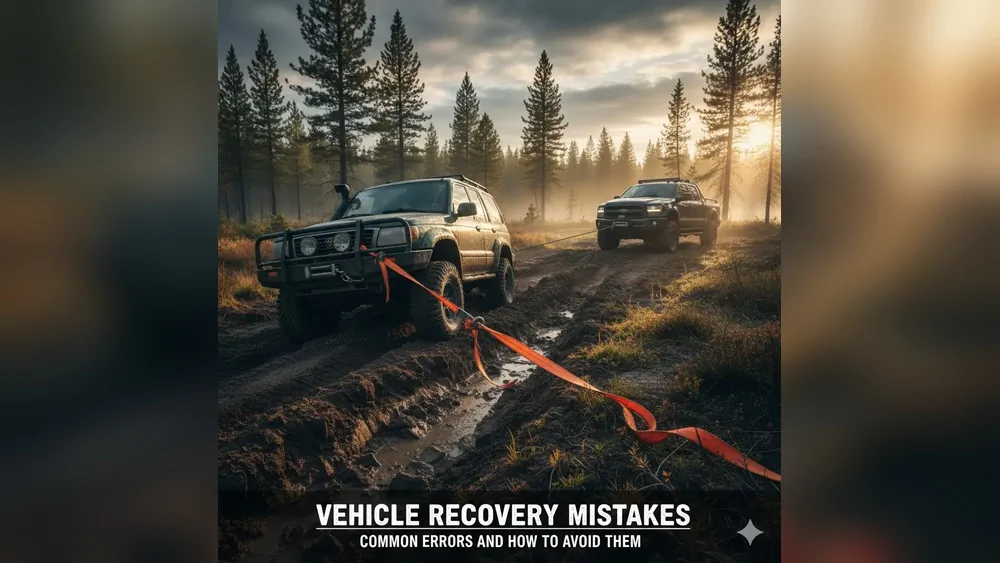
Getting stuck off-road can turn an exciting adventure into a tough challenge. A winch is a powerful tool that helps you recover your vehicle when wheels spin or mud takes hold. But using a winch is not as simple as pressing a button.
Many off-roaders make mistakes that can damage equipment, hurt people, or make the situation worse. Knowing these common mistakes and how to avoid them can keep you safe and get you moving again with confidence.
Common Mistakes In Off-road Winching
Winching is more than just hooking a cable and pulling. Every step matters for safety and success. Let’s look at the most frequent mistakes off-roaders make and the best ways to avoid them.
1. Using The Wrong Winch Size
Many people use a winch that’s too small for their vehicle. The winch must handle at least 1.5 times the gross vehicle weight. For example, if your truck weighs 4,000 pounds, the winch should pull at least 6,000 pounds. Using a smaller winch can cause overheating or cable failure.
How to avoid: Check your vehicle’s weight and buy a winch with enough capacity. Do not guess—look up the numbers in your manual or online.
2. Poor Anchor Points
Hooking the winch cable to a weak anchor, like a small tree or a rotten stump, is risky. Weak anchors can break and send heavy objects flying.
How to avoid: Use strong, healthy trees with a tree saver strap or solid ground anchors. Make sure the anchor point will not move or break under stress.
3. Not Using A Winch Dampener
When a winch line snaps, it can whip back at dangerous speeds. Some people skip the winch dampener, putting themselves at risk of injury.
How to avoid: Always place a winch dampener or heavy blanket over the cable. This absorbs energy if the line breaks, making the recovery safer.
4. Incorrect Cable Handling
Allowing winch cable to pile up in one spot on the drum can damage the winch and cause uneven pulling.
How to avoid: Wear gloves and guide the cable evenly onto the drum while winching. Stand clear of the line’s direct path.
5. Winching At A Sharp Angle
Winching from a side angle puts extra force on the cable and can pull the vehicle in the wrong direction or damage the winch.
How to avoid: Line up the winch cable as straight as possible between your vehicle and the anchor. Use snatch blocks to adjust the cable’s direction if you cannot pull straight.
6. Ignoring Battery Limits
Winching uses a lot of electrical power. If you run the winch too long, your battery can die quickly, leaving you stranded.
How to avoid: Use short bursts (30-60 seconds) and let the winch cool down between pulls. Start your engine before winching to keep the battery charged.
7. Not Inspecting Equipment
Using old or damaged cables and hooks is a common mistake. Frayed cables or rusty hooks can break under stress.
How to avoid: Check your winch line, hooks, and straps before every trip. Replace anything that looks worn or damaged.
8. Forgetting To Use Gloves
Winch cables—especially steel ones—can have sharp burrs. Handling them without gloves can cause serious cuts.
How to avoid: Always wear tough gloves when handling winch lines, whether steel or synthetic.
9. Not Reading The Manual
Every winch is a little different. Skipping the manual can lead to incorrect installation or operation.
How to avoid: Read the manufacturer’s manual before your first use. Learn about your winch’s controls, load limits, and maintenance.
10. Standing In The Wrong Place
Standing close to the winch line or in the path of recovery is extremely dangerous. If something breaks, it can cause serious injury.
How to avoid: Stand to the side and far from the winch line. Warn others to keep a safe distance as well.
11. Skipping A Snatch Block
Trying to winch heavy loads with a single line puts more strain on the winch and cable.
How to avoid: Use a snatch block to double your pulling power and reduce stress on your equipment.
12. Not Clearing The Area
People often forget to remove rocks, branches, or other obstacles near the vehicle. These can cause the vehicle to shift or damage the line.
How to avoid: Before winching, clear the area around the stuck vehicle and the winching path.
13. Overheating The Winch
Winches overheat if used for long, continuous pulls. This can cause permanent damage.
How to avoid: Winch in short bursts, and let the motor cool between uses.
14. Using The Wrong Hook-up Points
Some off-roaders connect the winch cable to parts of the vehicle not made for recovery, like the bumper or suspension.
How to avoid: Attach the cable only to rated recovery points or tow hooks designed for pulling.
15. Not Maintaining The Winch
Dirt, water, and rust can damage winches, especially after water crossings or mud runs.
How to avoid: Clean and test your winch after every trip. Lubricate the moving parts and store the remote in a dry place.
16. Failing To Communicate
Not talking with your spotter or team can lead to misunderstandings and accidents.
How to avoid: Set clear hand signals or use radios to communicate during recovery.
17. Using The Wrong Line Type
Steel and synthetic winch lines behave differently. Not knowing their strengths and weaknesses can be a mistake.
How to avoid: Choose the right line for your needs. Steel is strong but heavy and can rust. Synthetic is lighter but needs more care.
18. Forgetting Safety Gear
People sometimes start winching without safety gear like gloves, dampeners, or even eye protection.
How to avoid: Pack a recovery kit and use all safety gear every time you winch.
Comparing Winch Line Types
Choosing the right winch line is important for safety and performance. Here’s a quick look at the main differences:
| Winch Line Type | Strength | Weight | Maintenance |
|---|---|---|---|
| Steel Cable | Very high | Heavy | Can rust, needs oiling |
| Synthetic Rope | High | Light | Needs cleaning, avoid heat |

Credit: dixie4wheeldrive.com
Winch Pulling Power Vs. Vehicle Weight
Choosing the correct pulling power is not just about guessing. Here’s a quick comparison for common off-road vehicles:
| Vehicle Type | Average Weight (lbs) | Recommended Winch Power (lbs) |
|---|---|---|
| Small SUV | 3,500 | 5,000–6,000 |
| Full-size Truck | 5,500 | 8,000–9,000 |
| Jeep Wrangler | 4,400 | 7,000–8,000 |
Off-road Winching Safety Essentials
Before heading off-road, always double-check these items:
- Gloves (for handling cable)
- Winch dampener
- Tree saver strap
- Snatch block
- Rated shackles
- Recovery points
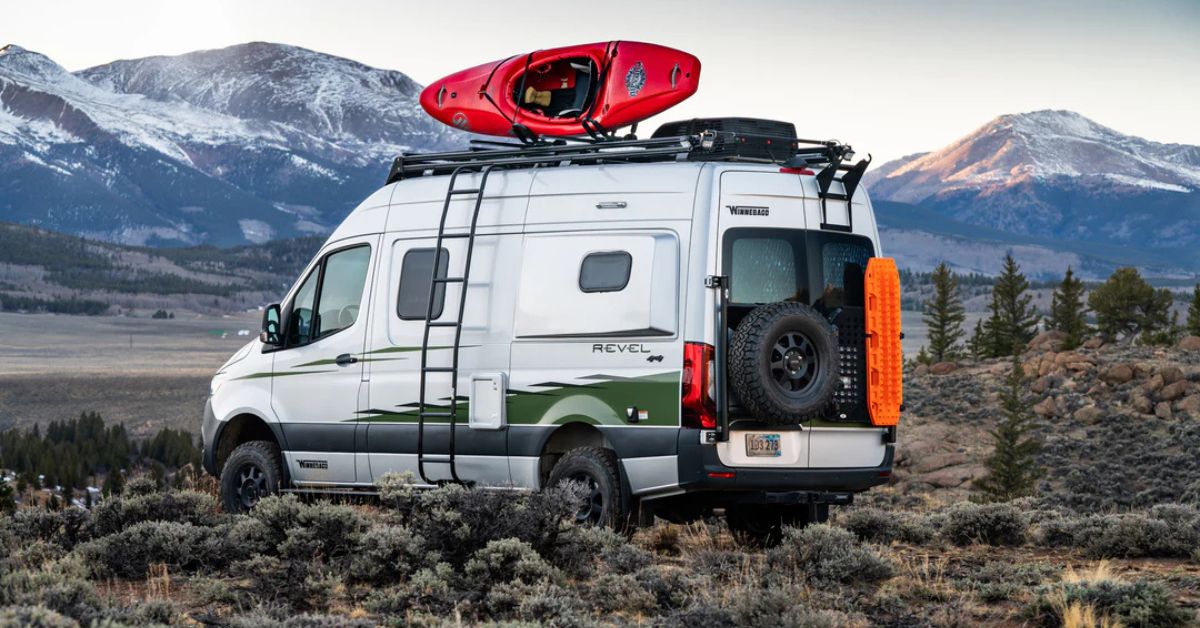
These essentials help prevent accidents and make recovery smoother.
Credit: blackriverbysummit.com
Two Overlooked Insights
- Battery Health: Many think their winch will always work, but a weak battery or old wiring can stop a winch in its tracks. Test your battery and connections before every trip.
- Anchor Angle: The angle between winch cable and anchor affects pulling strength. Try to keep the cable within 15 degrees of straight for the most efficient pull.
Frequently Asked Questions
What Is A Winch Dampener And Why Is It Important?
A winch dampener is a heavy blanket or special pad placed over the winch line during recovery. If the line breaks, the dampener absorbs energy and keeps the cable from snapping back dangerously.
How Often Should I Inspect My Winch And Cable?
Inspect your winch, cable, and hooks before every off-road trip. Look for frayed lines, rust, or damaged parts. Do a full check after every tough recovery.
Can I Use Any Tree As An Anchor Point?
No. Use only strong, healthy trees and wrap them with a tree saver strap. Never use small or dead trees, as they can break and cause injury.
What’s The Difference Between A Snatch Block And A Pulley?
A snatch block is a type of pulley designed for winching. It changes the direction of the pull and doubles winch power, making tough recoveries easier and safer.
Where Can I Learn More About Safe Off-road Recovery?
You can find more information on safe winching and recovery techniques at the International 4-Wheel Drive Trainers Association.
Off-road winching is a skill that keeps you moving when the trail gets tough. By avoiding these common mistakes, you protect your gear, your friends, and yourself. Stay prepared, practice safe habits, and make every recovery a smart one.

Credit: www.youtube.com
Related posts
 Why You Should Use a Foam Cannon for Car Washing: Ultimate Guide
Washing your car is more than just making it look good. It protects the paint, keeps the value high, and makes driving feel better. But if…
 How to Clean Leather Seats Without Damaging Them: Expert Tips
Keeping your leather seats clean can be a challenge. Leather looks beautiful and feels luxurious, but it needs special care. Many people worry about damaging their…
 Why Using a Ceramic Coating Spray is Important for Your Car’s Shine
If you care about your car’s appearance and value, you probably wash and wax it regularly. But did you know there’s a better way to protect…