Using a Snatch Block Pulley for Lifting and Towing: Essential Tips
Using A Snatch Block Pulley For Lifting And Towing
A snatch block pulley may look simple, but it’s a powerful tool that can make heavy lifting and towing much easier and safer. Many people, even those with experience, don’t realize how much a snatch block can do. Whether you’re working with a winch to rescue a stuck vehicle, lifting heavy equipment on a job site, or managing a small off-road adventure, knowing how and when to use this tool can save you effort, money, and time. Understanding the basics, and the less obvious rules, can help you avoid common mistakes and get the best results from your gear.
What Is A Snatch Block Pulley?
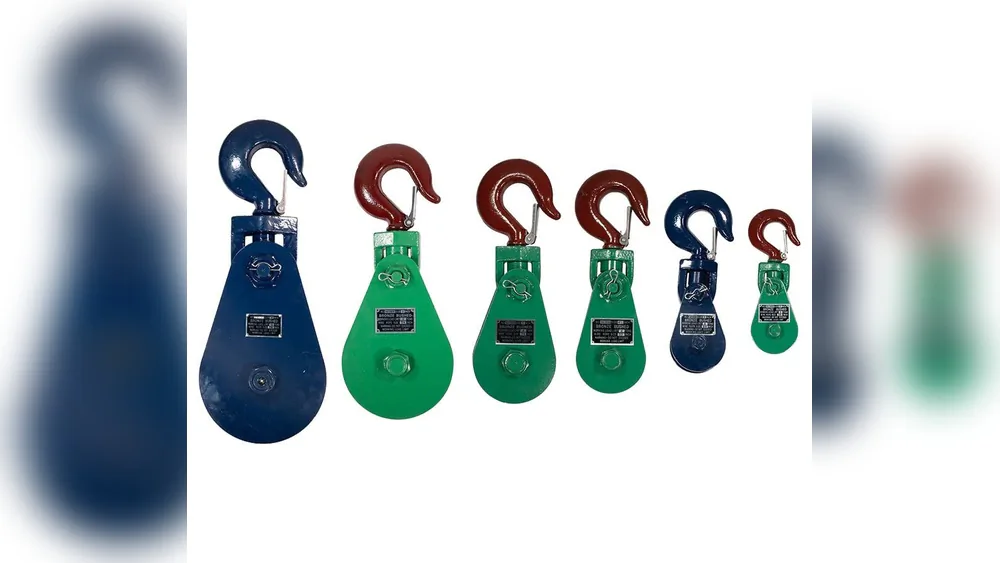
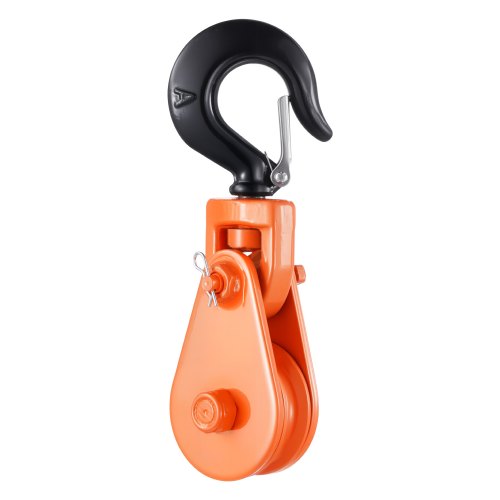
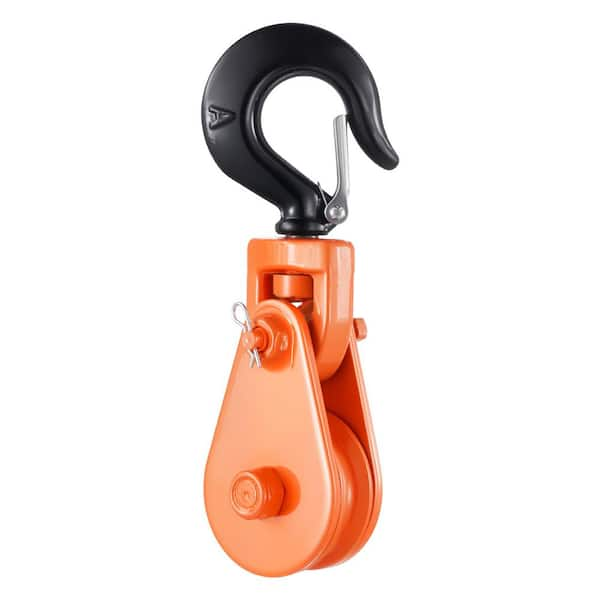
A snatch block pulley is a type of pulley with an opening side plate. This allows you to place the rope or cable inside without threading it through from one end. It’s usually made from steel or heavy-duty materials to handle high loads. The main job of a snatch block is to change the direction of a pull or to multiply the lifting or pulling force.
For example, if you use a winch to pull a vehicle out of mud, a snatch block can let you pull from a different angle or double your winch’s power. It’s a favorite tool in towing, recovery, and lifting operations.
How A Snatch Block Multiplies Force
One big benefit of a snatch block is mechanical advantage. This means you can pull more weight with the same effort.
If you use a snatch block to create a double line pull, you cut the load on your winch in half. So, a winch rated for 5,000 lbs can effectively pull 10,000 lbs when using a snatch block correctly.
Here’s how the force multiplies:
| Configuration | Effective Load Pulled | Winch Load |
|---|---|---|
| Single Line | 5,000 lbs | 5,000 lbs |
| Double Line with Snatch Block | 10,000 lbs | 5,000 lbs |
Non-obvious insight: The winch motor works less hard when a snatch block is used, which reduces wear and extends its life.

Credit: www.vkm-bayern.de
Lifting Applications
Snatch block pulleys are used in many lifting situations, such as:
- Construction sites: Workers lift heavy steel beams or machinery.
- Warehouses: Moving large crates or equipment to higher floors.
- Rescue operations: Lifting debris or wreckage to free trapped people.
When using a snatch block for lifting:
- Always check the working load limit (WLL) of the snatch block and cable.
- Attach the block to a secure anchor point, like a beam or strong tree.
- Never stand under a suspended load.
Practical tip: Always use the right size snatch block for your cable. If the groove is too large or small, the cable can slip or become damaged.
Towing And Vehicle Recovery
Towing is where the snatch block really shows its value. Off-road drivers, tow truck operators, and even farmers use snatch blocks to recover stuck vehicles or equipment.
Common uses:
- Changing the direction of a pull when a winch can’t face the load directly.
- Doubling the pulling power to recover larger vehicles.
- Pulling at angles to avoid obstacles, like trees or rocks.
Here’s a simple comparison of uses:
| Scenario | Without Snatch Block | With Snatch Block |
|---|---|---|
| Stuck off-road vehicle | Winch may overheat, limited direction | More pulling power, flexible direction |
| Towing around obstacles | Direct path only | Can redirect line safely |
Non-obvious insight: Using a snatch block can reduce the chance of cable breakage by lowering the stress on each part of the system.
How To Use A Snatch Block Pulley Safely
Using a snatch block is simple, but there are important safety steps:
- Inspect the snatch block for cracks, rust, or damage before every use.
- Make sure the side plate opens and closes smoothly.
- Choose a strong anchor point (tree, post, or recovery point).
- Open the side plate, insert the cable, and close it securely.
- Align the snatch block so the cable runs straight and does not rub the sides.
- Keep hands and body parts away from the cable during operation.
- Stand clear and avoid the “danger zone” in case the cable snaps.
Common mistake: Many beginners forget to use tree protectors or anchor straps, which can damage trees and are less safe.
Choosing The Right Snatch Block
Buying the right snatch block is important for safety and performance. Here are key factors to consider:
- Load rating: Match the snatch block’s rating with your winch and cable.
- Sheave size: The sheave (wheel) must fit your cable size. Too small can crush the cable.
- Material: Steel blocks last longer, but aluminum is lighter for portable use.
- Grease fitting: Some blocks have a grease fitting for smoother operation.
Here is a quick product comparison:
| Feature | Standard Block | Heavy Duty Block |
|---|---|---|
| Load Rating | 8,000 lbs | 20,000 lbs |
| Weight | 4 lbs | 10 lbs |
| Sheave Diameter | 4 inch | 8 inch |
Mistake to avoid: Never use a snatch block that’s rated for less than your maximum expected load.
Credit: www.vevor.com
Real-life Example
Imagine you’re off-roading and your vehicle gets stuck in deep mud. Your winch line is not strong enough for a direct pull. Using a snatch block attached to a tree, you can double your winch’s power and pull yourself out safely.
This technique is often used by rescue teams and in heavy construction.
Maintenance Tips For Snatch Blocks
To keep your snatch block safe and reliable:
- Clean after every use, especially after exposure to mud or saltwater.
- Lubricate the sheave regularly.
- Store in a dry place to avoid rust.
- Check the side plate and pin for tightness.
A well-maintained snatch block will last for years and work smoothly every time.
Credit: www.homedepot.com
Frequently Asked Questions
What Is The Main Purpose Of A Snatch Block Pulley?
A snatch block pulley is used to change the direction of pull or to multiply the force applied when lifting or towing. It makes heavy tasks easier and safer.
Can A Snatch Block Be Used With Synthetic Winch Ropes?
Yes, most snatch blocks are compatible with synthetic ropes. Just make sure the sheave has smooth edges to prevent damage.
How Do I Know What Size Snatch Block I Need?
Choose a snatch block with a load rating higher than your winch’s maximum pull. Also, make sure the sheave fits your cable or rope diameter.
Are Snatch Blocks Only For Professionals?
No, anyone can use a snatch block with basic training. They are common for off-road drivers, farmers, construction workers, and even in home projects.
Where Can I Learn More About Safe Lifting And Towing?
For more detailed information, visit the Wikipedia page on snatch blocks for diagrams, rules, and expert recommendations.
A snatch block pulley is a small investment with a big impact. With the right knowledge and careful use, it can turn difficult lifting and towing jobs into simple, safe tasks. Remember, understanding your tools well is the key to getting the most from them and staying safe.
Related posts
 Why You Should Use a Foam Cannon for Car Washing: Ultimate Guide
Washing your car is more than just making it look good. It protects the paint, keeps the value high, and makes driving feel better. But if…
 How to Clean Leather Seats Without Damaging Them: Expert Tips
Keeping your leather seats clean can be a challenge. Leather looks beautiful and feels luxurious, but it needs special care. Many people worry about damaging their…
 Why Using a Ceramic Coating Spray is Important for Your Car’s Shine
If you care about your car’s appearance and value, you probably wash and wax it regularly. But did you know there’s a better way to protect…