
How to Care for Synthetic Winch Rope and Recovery Rings Safely
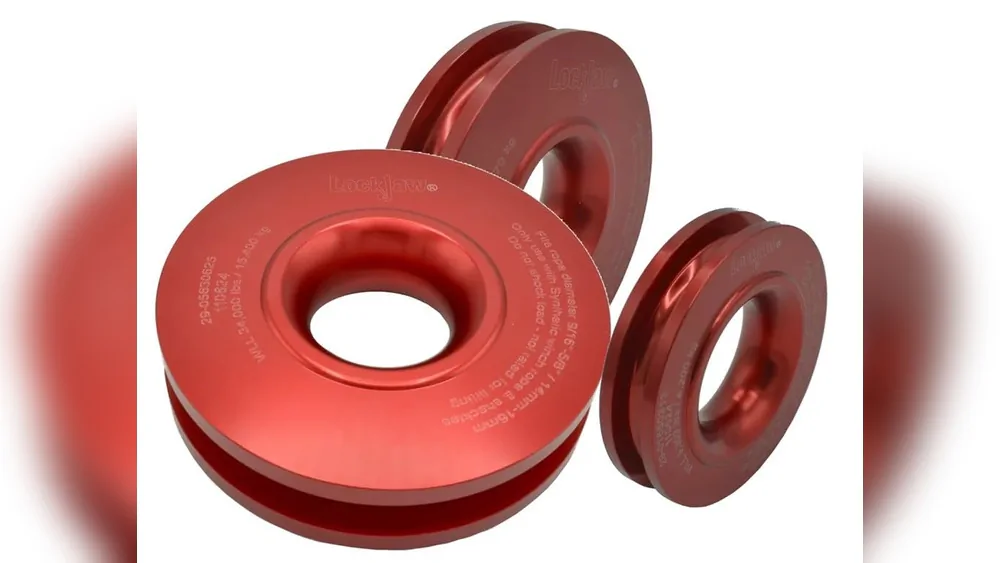
Caring for synthetic winch rope and recovery rings is essential if you want reliable recovery gear for off-road or towing adventures. Many people buy these tools for their strength and light weight but forget that care and maintenance are just as important as using them correctly.
Taking the right steps not only extends their life but also keeps you safe during recoveries.
Why Synthetic Winch Rope Needs Special Attention
Synthetic winch ropes are made from high-strength fibers like Dyneema or Spectra. These materials are strong but react differently to elements compared to steel cables. For example, synthetic ropes are less likely to snap dangerously, but they can weaken quickly if left dirty, wet, or exposed to UV rays for long periods.
Unlike steel, synthetic fibers can absorb water and dirt, which can cause internal abrasion. Over time, even small grains of sand can create weak points that lead to failures. Regular checks and proper cleaning are not just about looking good—they’re about safety.
How To Clean Synthetic Winch Rope
Synthetic winch rope gets dirty fast, especially in mud, sand, or water crossings. Cleaning it right makes a huge difference.
- Remove the rope from the winch drum if possible. This lets you inspect the entire length.
- Rinse with fresh water. Use a low-pressure hose. Avoid high-pressure washers, which can damage the fibers.
- Use mild soap for stubborn dirt. Mix a small amount of dish soap in a bucket, soak the rope, and scrub gently with a soft brush.
- Rinse thoroughly to remove all soap and grit.
- Dry completely before re-spooling. Hang the rope in a cool, shaded area. Never dry in direct sunlight—UV rays can weaken the fibers.
Pro Tip: Don’t use harsh chemicals or solvents. They can break down the rope’s protective coatings.
Credit: www.bubbarope.com
Inspecting For Damage
Every time you wash or use the rope, check for fraying, cuts, or melted spots. Even small damage can be dangerous.
- Feel the rope along its entire length. If you feel any thin spots or stiffness, it could signal internal damage.
- Look for discoloration or faded areas. These are signs of UV or chemical damage.
- Check the thimble and eyelets for rust or wear. These parts often get overlooked.
If you find serious damage, replace the rope immediately. Don’t take risks—one failure can ruin your whole trip.
Storing Synthetic Winch Rope
Proper storage keeps your rope in good condition between uses.
- Keep it dry and away from moisture. Mold can grow on damp fibers.
- Store in a bag or recovery gear box. This protects against UV exposure and dirt.
- Avoid sharp bends or kinks. Lay the rope loosely coiled, not tightly wound.
If you use your winch regularly, unwind and inspect the rope at least once every few months. This prevents hidden problems.
Credit: overlandvehiclesystems.com
Caring For Recovery Rings
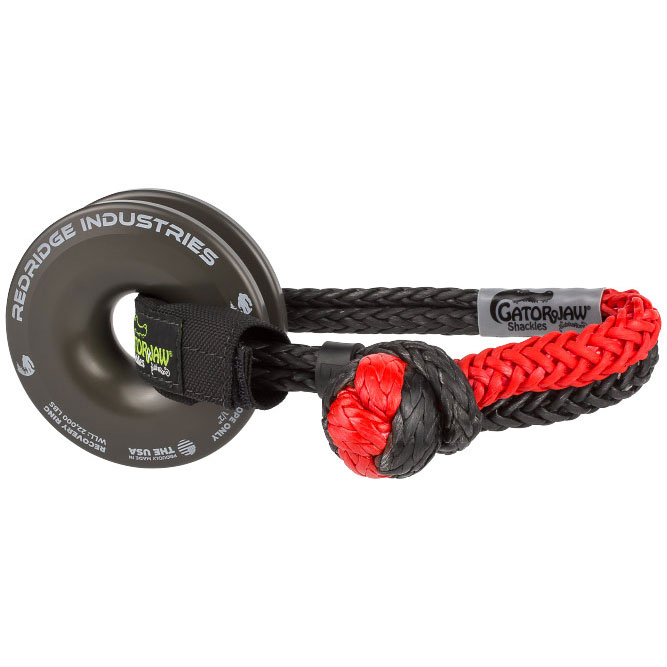
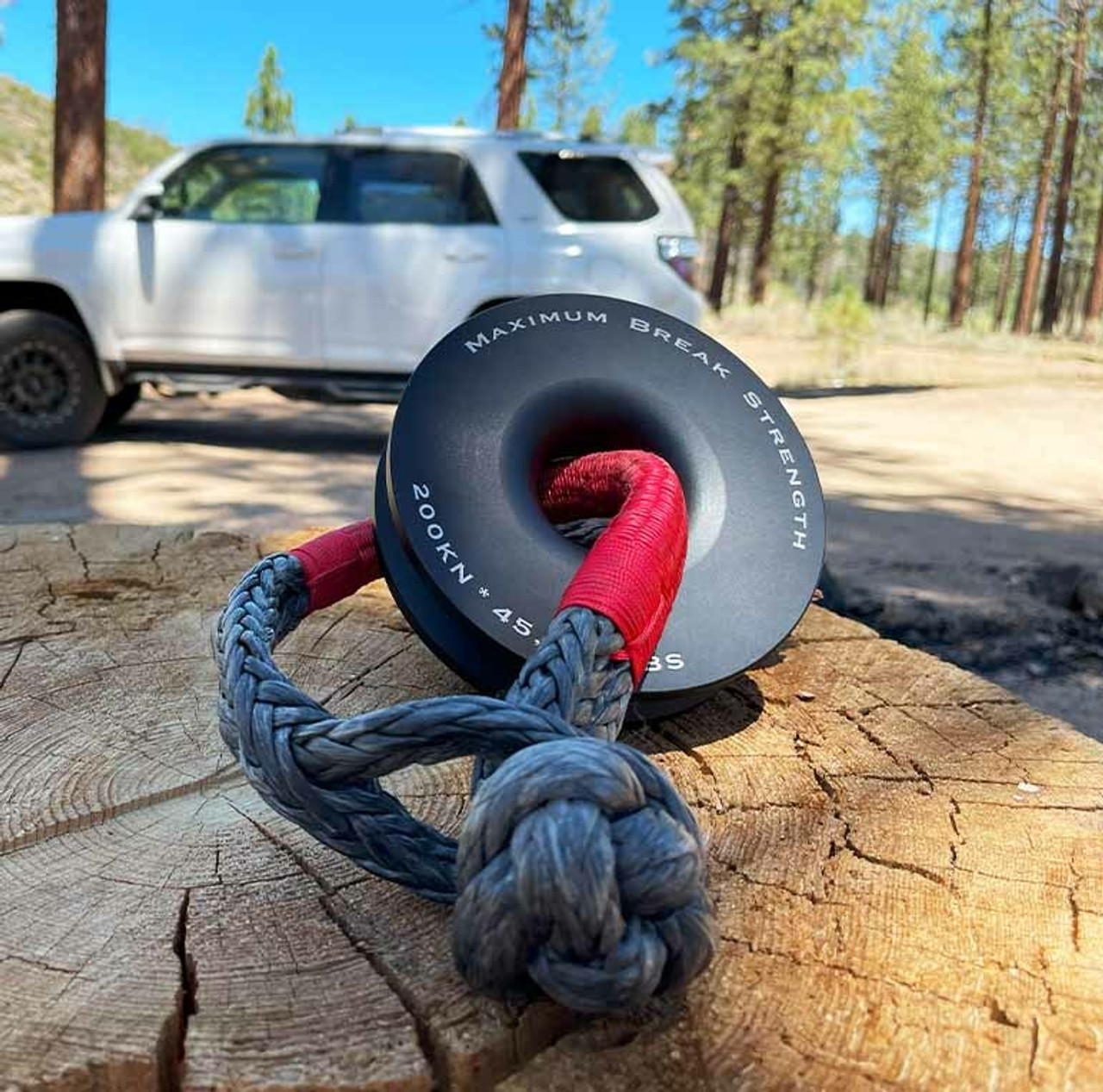
Recovery rings, sometimes called soft shackles or snatch rings, are becoming more popular because they’re light and easy to use with synthetic ropes. But they need maintenance too.
Cleaning Recovery Rings
- Wipe off dirt with a dry or damp cloth after each use.
- If used in mud or sand, rinse with water and dry completely.
- Avoid using oils or sprays unless the manufacturer recommends it.
Inspecting For Wear
Most recovery rings are made from anodized aluminum or similar strong metals. Look for:
- Deep scratches or grooves. These can damage synthetic rope.
- Worn or rough surfaces where the rope runs. Polished surfaces protect your rope.
- Bent or out-of-round rings. Never use a deformed ring.
Replace rings if you see any signs of structural damage.
How Synthetic Rope And Recovery Rings Compare To Steel
Many people ask if synthetic ropes and recovery rings are better than steel cables and traditional shackles. Here’s a quick comparison:
| Feature | Synthetic Rope | Steel Cable |
|---|---|---|
| Weight | Light | Heavy |
| Safety | Less recoil if snapped | Dangerous snapback |
| Maintenance | Needs regular cleaning | Rusts, needs lubrication |
| UV Sensitivity | High | Low |
| Cost | Higher | Lower |
And for recovery rings versus traditional shackles:
| Feature | Recovery Ring | Steel Shackle |
|---|---|---|
| Weight | Very light | Heavy |
| Ease of Use | Quick, simple | Slower, more parts |
| Damage to Rope | Smoother contact | Can pinch rope |
Common Mistakes To Avoid
Many beginners make these errors when caring for synthetic winch rope and recovery rings:
- Storing wet or dirty rope. This causes mold and weakens fibers.
- Using damaged rings. Even small dents can cut your rope.
- Ignoring UV exposure. Leaving gear on your bumper in the sun shortens its life.
- Skipping inspections. Damage can be invisible until it fails under load.
- Cleaning with high-pressure water. This actually pushes dirt deeper inside.
Two non-obvious tips: Always dry your rope fully after water use, and rotate ends occasionally to even out wear. These small habits can double the lifespan of your gear.
When To Replace Your Gear
No recovery gear lasts forever. Replace synthetic winch rope if:
- You see fraying, deep cuts, or melted spots
- The rope feels hard or stiff in places
- It has been exposed to chemicals or severe UV for long periods
Replace recovery rings if:
- There are deep scratches or the surface becomes rough
- The ring is bent or out of shape
Never risk your safety by keeping damaged gear.

Credit: www.cart2india.com
Frequently Asked Questions
How Often Should I Clean My Synthetic Winch Rope?
Clean your rope after every trip, especially if exposed to mud, sand, or salt water. Even light dirt can cause abrasion over time.
Can I Use Synthetic Rope With Any Winch?
Most modern winches can use synthetic rope, but check your winch’s drum and brake design. Some older models may overheat or lack proper support.
Is It Okay To Use A Recovery Ring With Steel Cable?
No, recovery rings are designed for use with synthetic rope only. Steel cable can damage the ring and is not safe.
What Should I Do If My Rope Gets A Small Cut?
If the cut is shallow and short (less than 10% of the rope’s width), you may use a protective sleeve and monitor closely. For deeper or longer cuts, replace the rope.
Where Can I Learn More About Safe Recovery Gear Use?
A good place to start is the Wikipedia page on winches, which covers gear types and safety basics.
Caring for your synthetic winch rope and recovery rings is more than just cleaning—it’s about safety, reliability, and getting home without surprises. With the right habits, your recovery gear will last longer and perform better, every time you need it.
Related posts
 Why You Should Use a Foam Cannon for Car Washing: Ultimate Guide
Washing your car is more than just making it look good. It protects the paint, keeps the value high, and makes driving feel better. But if…
 How to Clean Leather Seats Without Damaging Them: Expert Tips
Keeping your leather seats clean can be a challenge. Leather looks beautiful and feels luxurious, but it needs special care. Many people worry about damaging their…
 Why Using a Ceramic Coating Spray is Important for Your Car’s Shine
If you care about your car’s appearance and value, you probably wash and wax it regularly. But did you know there’s a better way to protect…