
Understanding Snatch Recovery Rings for UTVs: Ultimate Guide
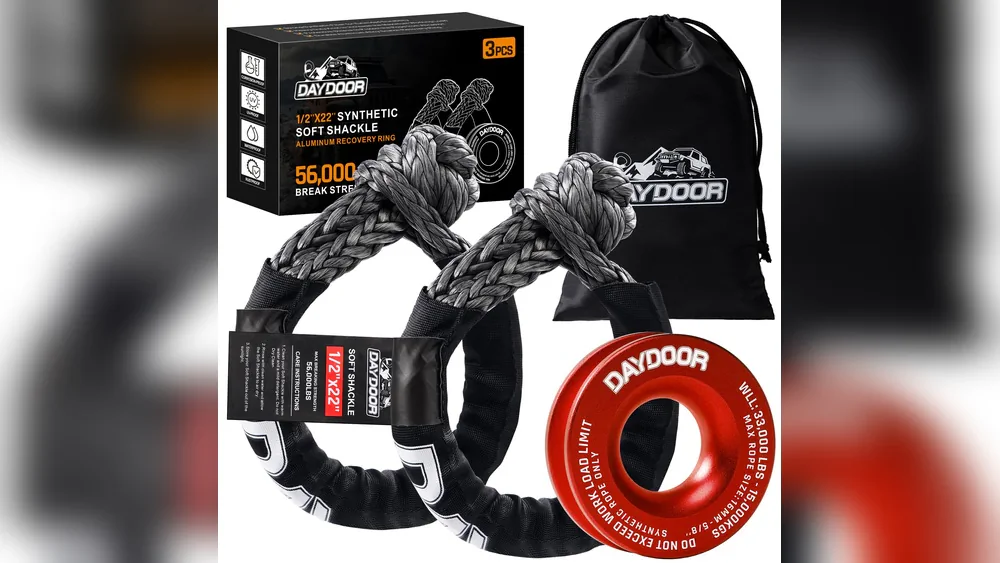
Getting stuck in mud or sand with your UTV can ruin an adventure fast. That’s why off-roaders are looking for safer, smarter ways to recover vehicles. Snatch recovery rings are becoming the new favorite for UTV recovery, replacing heavy metal pulleys and dangerous winch blocks. But what exactly are they? How do they work, and why are they better for UTVs? Let’s break down everything you need to know about snatch recovery rings, so you can recover your UTV safely and efficiently.
What Is A Snatch Recovery Ring?
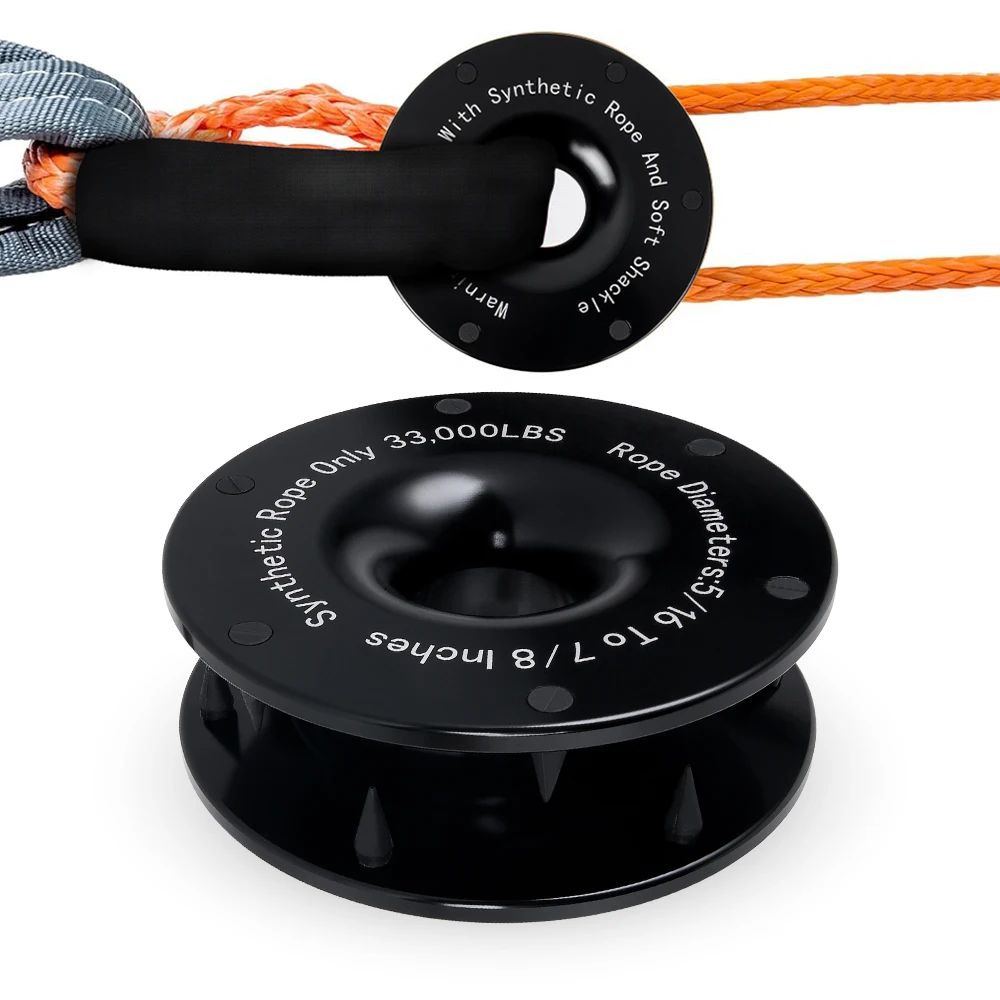
A snatch recovery ring is a compact, circular device made from lightweight but strong metal, usually aluminum alloy. It works like a pulley but is designed specifically for use with soft shackles and synthetic winch ropes. The ring allows you to double your pulling power, change the direction of the winch line, or help recover another vehicle with less risk and weight.
Unlike traditional snatch blocks, which use steel and moving parts, recovery rings are simpler and lighter. There are no sharp edges or heavy pieces that can become dangerous projectiles if something snaps. This makes them ideal for UTVs, which are smaller and lighter than trucks or jeeps.
Why Snatch Recovery Rings Are Perfect For Utvs
UTVs (Utility Task Vehicles) are built for off-road fun, but they can get stuck in tough spots. Snatch rings offer several key benefits for these vehicles:
- Lightweight: Most rings weigh less than 500 grams, so they won’t add much to your recovery kit.
- Safety: With no moving parts, there’s less risk if the line breaks. The ring is less likely to fly off dangerously.
- Compact Size: Small enough to fit in your glove box or under the seat.
- Compatibility: Designed for synthetic ropes and soft shackles, both common in modern UTV recovery kits.
- Strength: Many rings handle loads above 10,000 kg—much more than most UTVs weigh.
Here’s a quick comparison of snatch rings versus traditional snatch blocks:
| Feature | Snatch Recovery Ring | Traditional Snatch Block |
|---|---|---|
| Weight | ~200-500g | 1-3kg |
| Material | Aluminum Alloy | Steel |
| Moving Parts | None | Yes (Pulley) |
| Best for | UTVs, ATVs, small 4x4s | Larger vehicles |
| Rope Compatibility | Synthetic only | Synthetic and steel |

Credit: www.walmart.com
How A Snatch Recovery Ring Works
The process is simple but effective. You attach the ring to a recovery point using a soft shackle. The synthetic winch rope runs through the groove in the ring. As you winch, the rope slides around the ring, creating a mechanical advantage or changing the direction of the pull.
Key steps:
- Connect the soft shackle and ring to a secure anchor point.
- Thread the winch rope through the ring’s groove.
- Begin winching slowly, keeping everyone clear of the line.
This setup works best with synthetic ropes. Steel cables can damage the ring or get pinched. Most rings are rated for loads much higher than the winches used on UTVs, so they provide a good margin of safety.
Choosing The Right Snatch Recovery Ring
With many options on the market, picking the right ring is important. Here’s what you should consider:
Material And Strength
Always check the Working Load Limit (WLL) and Breaking Strength. A good ring for UTVs should have a minimum breaking strength of 10,000 kg.
Size And Groove Width
Make sure the groove fits your winch rope’s diameter. Most UTV ropes are 6-10mm thick. Too tight, and the rope won’t move smoothly. Too loose, and the rope could slip out.
Finish And Surface
Look for a smooth, anodized finish. This reduces friction and prevents rope damage. Avoid rings with sharp edges or rough surfaces.
Brand Reputation
Choose a ring from a trusted off-road brand. Cheaper rings may use weak aluminum or have poor quality control.
Here’s a sample comparison of three popular snatch recovery rings for UTVs:
| Brand | Breaking Strength | Weight | Groove Width | Price Range |
|---|---|---|---|---|
| Factor 55 | 15,800 kg | 320g | 14mm | $60-80 |
| ARB | 20,000 kg | 400g | 18mm | $80-100 |
| Rugged Ridge | 14,000 kg | 290g | 12mm | $40-60 |
Credit: www.aliexpress.com
How To Use A Snatch Recovery Ring Safely
- Inspect your gear before every use. Check for cracks in the ring and frays in the rope.
- Always use soft shackles. Metal shackles can damage the ring or rope.
- Keep bystanders far from the recovery zone. If something fails, the ring can still fly, though less dangerously than steel blocks.
- Winch slowly and smoothly. Fast or jerky pulls increase the risk of failure.
- Never exceed rated capacities. Know your winch, rope, and ring ratings.
Many beginners forget to inspect their recovery points. Even a strong ring can fail if attached to a weak or rusty anchor on the UTV. Always double-check the anchor before starting.
Common Mistakes To Avoid
- Mixing steel and synthetic gear: Using a steel shackle with a recovery ring can damage both.
- Ignoring rope compatibility: Snatch rings are not designed for steel winch cables.
- Skipping safety checks: Not checking for cracks or worn ropes can lead to failure.
- Improper anchor points: Attaching to weak or non-reinforced parts of the UTV can cause structural damage.
A less obvious tip: Store your snatch ring in a soft pouch. This prevents scratches that could later damage your winch rope.

Credit: www.ebay.com
When Should You Use A Snatch Recovery Ring?
- When you need to double your winch power (using a double line pull)
- To change the direction of your pull without moving the UTV or anchor
- For recovering another vehicle when space or angles are tight
They are not ideal for use with steel winch cables or very large vehicles. Stick to synthetic ropes and UTVs, ATVs, or small 4x4s for best results.
Real-world Example
A group of riders in the Arizona desert got their UTV stuck in soft sand. Instead of using a heavy snatch block, they used a snatch recovery ring with a soft shackle and synthetic rope. The ring allowed them to redirect the winch pull around a tree, freeing the UTV in minutes. No heavy equipment, no risk of flying steel, and they were back on the trail faster.
Frequently Asked Questions
What Is The Main Benefit Of A Snatch Recovery Ring Over A Snatch Block?
The main benefit is weight and safety. Snatch rings are much lighter and have no moving parts, reducing the risk if something goes wrong.
Can I Use A Snatch Recovery Ring With A Steel Winch Cable?
No, steel cables can damage the ring and may not move smoothly. Use only with synthetic winch ropes.
How Strong Are Snatch Recovery Rings For Utvs?
Most quality rings are rated above 10,000 kg breaking strength, far higher than most UTVs need.
Do I Need A Special Winch To Use A Snatch Ring?
No special winch is needed, but your rope must be synthetic and match the groove size of the ring.
Where Can I Learn More About Off-road Recovery Gear?
For more in-depth information, visit the Wikipedia page on vehicle recovery.
Choosing the right recovery gear can make your next UTV trip much safer and more enjoyable. Snatch recovery rings are a smart, modern upgrade for any UTV toolkit. With the right knowledge, you’ll be ready to handle almost any off-road challenge with confidence.
Related posts
 Why You Should Use a Foam Cannon for Car Washing: Ultimate Guide
Washing your car is more than just making it look good. It protects the paint, keeps the value high, and makes driving feel better. But if…
 How to Clean Leather Seats Without Damaging Them: Expert Tips
Keeping your leather seats clean can be a challenge. Leather looks beautiful and feels luxurious, but it needs special care. Many people worry about damaging their…
 Why Using a Ceramic Coating Spray is Important for Your Car’s Shine
If you care about your car’s appearance and value, you probably wash and wax it regularly. But did you know there’s a better way to protect…