How Winch Snatch Blocks Improve Off-Road Recovery Efficiency Fast
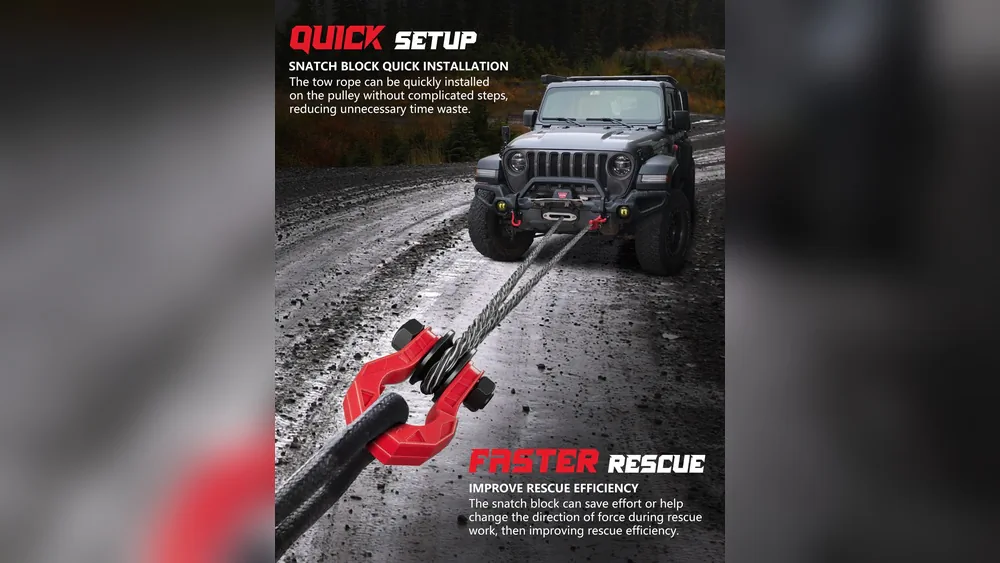
When you’re off-roading, getting stuck is almost part of the adventure. Mud, sand, steep slopes, or deep ruts can trap even the most capable vehicles. This is where winches become essential. But what if your winch alone isn’t enough to get you out quickly or safely? This is where the snatch block comes into play. Many newcomers ignore this simple tool, but using a snatch block can make off-road recovery faster, safer, and much more efficient. Let’s explore how snatch blocks work, why they matter, and what you need to know to use them like a pro.
What Is A Winch Snatch Block?
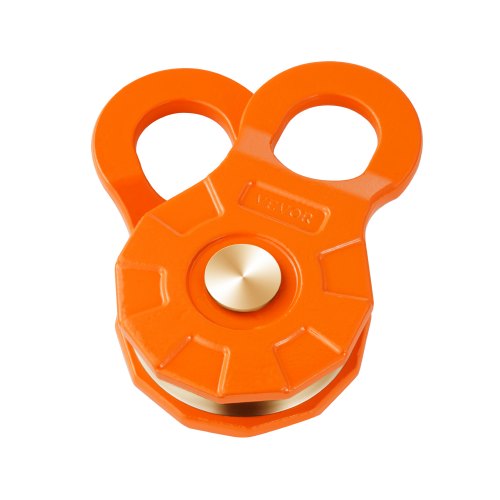
A snatch block is a heavy-duty pulley with a side plate that opens. This lets you insert your winch cable easily, without needing to thread it through the end. The main purpose is to change the direction of the pull or to increase the pulling power of your winch.
Snatch blocks are usually made from steel or aluminum and can handle several tons of force. They are an essential part of any serious recovery kit.
How Snatch Blocks Improve Recovery Efficiency
Snatch blocks are not just “extra gear.” They can transform a tricky recovery situation into a manageable task. Here’s how they boost efficiency:
1. Doubling Winch Pulling Power
When you use a snatch block to create a double-line pull, you effectively double your winch’s pulling force. For example, if your winch is rated for 9,000 lbs, using a snatch block can let it pull up to 18,000 lbs (with some energy lost to friction).
This is helpful for:
- Heavy vehicles like trucks or campers
- Deep mud or sand where resistance is high
- Steep uphill recoveries
2. Changing Pulling Direction
Sometimes, the best anchor point is not directly in front of your vehicle. A snatch block lets you redirect the winch cable around obstacles or to reach anchors off to the side. This flexibility can mean the difference between a quick recovery and hours stuck in the mud.
3. Reducing Winch Motor Stress
By splitting the load, a snatch block reduces the strain on your winch motor. This prevents overheating and extends the life of your gear. It also means your battery won’t drain as quickly during long recoveries.
4. Smoother, Safer Recoveries
Using a snatch block can help create a controlled, steady pull. The cable moves more slowly, making it easier to monitor and avoid sudden jerks. This is safer for you and anyone nearby.
5. Reaching Difficult Angles
On tight trails or rocky ground, you might need to pull your vehicle at an angle. A snatch block lets you angle your winch line for better control and to avoid damaging your vehicle or winch.
Credit: www.vevor.com
Real-world Example: Snatch Block In Action
Imagine you’re driving a 4×4 SUV that weighs 2,500 kg. You get stuck in deep clay mud. Your winch is rated for 10,000 lbs (about 4,500 kg). Because of the mud’s suction, the force needed to pull out the vehicle could be nearly double its weight.
Without a snatch block, your winch might not have enough power, or it could overheat and fail. Using a snatch block, you double the pulling force and recover your vehicle safely.
Snatch Block Vs. Direct Winching
Here’s a quick comparison to show the difference:
| Feature | Direct Winching | Using Snatch Block |
|---|---|---|
| Pulling Power | Single (e.g., 9,000 lbs) | Double (e.g., 18,000 lbs) |
| Motor Stress | High | Lower |
| Line Speed | Faster | Slower (more control) |
| Cable Direction | Straight only | Flexible (can change angle) |
How To Use A Snatch Block Safely
It’s important to use your snatch block correctly. Here are the basic steps:
- Find a strong anchor point (tree, rock, another vehicle).
- Open the snatch block and place the winch cable inside the pulley.
- Close the block and attach it to the anchor using a rated shackle or tree saver strap.
- Winch slowly, watching the cable and block for any problems.
- Keep bystanders away in case the cable snaps.
Never use a snatch block with a damaged cable or anchor. Always check the working load limit (WLL) before use.
Choosing The Right Snatch Block
Not all snatch blocks are the same. Here’s what matters most when picking one for off-road recovery:
| Factor | Why It Matters | What to Look For |
|---|---|---|
| Rated Capacity | Needs to match or exceed your winch | At least 1.5x your winch rating |
| Pulley Size | Affects cable fit and friction | Large enough for your cable diameter |
| Material | Impacts weight and durability | Steel for strength, aluminum for light weight |
| Ease of Use | Time matters in recovery | Easy to open/close, smooth bearings |
Two insights many beginners miss: First, always check if your snatch block’s side plates open wide enough for your cable. Second, keep the snatch block clean and lubricated—dirt or rust increases friction and can damage your winch line.

Credit: www.ubuy.sc
Common Mistakes To Avoid
- Using underrated gear: Never use a snatch block or shackle with a lower rating than your winch.
- Ignoring cable compatibility: Make sure your cable fits the pulley groove.
- Skipping maintenance: Clean and inspect your snatch block after every use.
- Standing near cables under load: Always keep a safe distance to avoid injury if something fails.
- Forgetting to use a damper: Place a winch damper or heavy blanket over the cable to reduce snapback risk.
When Should You Use A Snatch Block?
You don’t need a snatch block for every recovery. Use one when:
- Your vehicle is too heavy for the winch alone.
- The anchor point is off to the side.
- You want more control over the winching process.
- You need to reduce strain on your winch or battery.
Trusted Sources And Further Reading
For more technical details on snatch blocks and winch recovery, check out this guide on the Snatch Block Wikipedia page.
Frequently Asked Questions
What Is The Main Benefit Of A Snatch Block In Off-road Recovery?
The main benefit is doubling your winch’s pulling power. It also lets you change the direction of the pull for better flexibility.
Can I Use A Snatch Block With Synthetic Winch Rope?
Yes, but always check that the snatch block is compatible with synthetic rope. Sharp edges or worn pulleys can damage synthetic lines.
How Do I Know What Size Snatch Block To Buy?
Pick a snatch block rated for at least 1.5 times your winch’s capacity. Make sure the pulley fits your cable diameter.
Is It Safe To Use More Than One Snatch Block At A Time?
Yes, you can use two or more snatch blocks for complex pulls, but make sure all gear is rated for the total load and plan your setup carefully.
Do Snatch Blocks Need Maintenance?
Yes. Clean and lubricate them after each use, and always inspect for cracks or worn parts before using again.
When you understand and use snatch blocks correctly, you turn your winch from a simple tool into a powerful, flexible recovery solution. Don’t leave home without one—they’re the secret to off-road recovery that’s safer, faster, and a lot less stressful.

Credit: www.liberia.ubuy.com
Related posts
 Why You Should Use a Foam Cannon for Car Washing: Ultimate Guide
Washing your car is more than just making it look good. It protects the paint, keeps the value high, and makes driving feel better. But if…
 How to Clean Leather Seats Without Damaging Them: Expert Tips
Keeping your leather seats clean can be a challenge. Leather looks beautiful and feels luxurious, but it needs special care. Many people worry about damaging their…
 Why Using a Ceramic Coating Spray is Important for Your Car’s Shine
If you care about your car’s appearance and value, you probably wash and wax it regularly. But did you know there’s a better way to protect…