
Winch Snatch Block Vs. Recovery Ring Comparison: Ultimate Guide
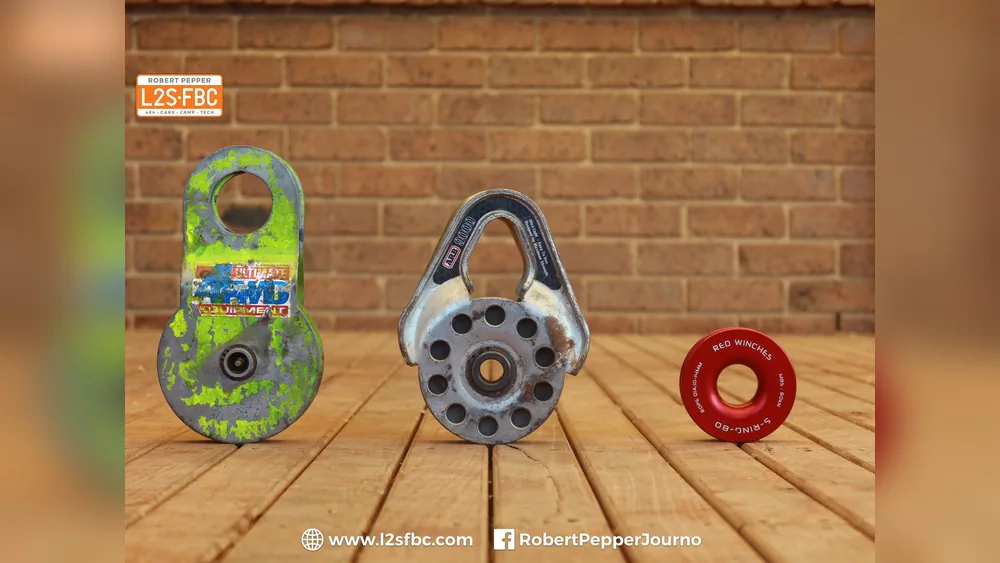
When you’re off-roading, winching, or recovering vehicles, the right gear can mean the difference between a smooth rescue and a risky situation. Two popular tools stand out in this space: the winch snatch block and the recovery ring. Both serve a similar purpose—to change the direction of a winch line and double pulling power—but they work in different ways. Understanding the differences, benefits, and limitations of each is essential for anyone serious about safe and efficient vehicle recovery.
What Is A Winch Snatch Block?
A snatch block is a heavy-duty pulley with side plates that open and close. It’s designed for use with steel or synthetic winch cables. By routing your winch line through a snatch block and attaching it to an anchor point, you can increase pulling force and change the direction of the pull.
Snatch blocks are usually made from steel or a combination of steel and aluminum. They are known for their strength and can handle extreme loads—often rated for 8,000 to 24,000 pounds or more. Properly used, a snatch block can halve the strain on your winch, extending its life.
Key benefits:
- Doubles winching power
- Allows angled pulls
- Compatible with most winches
However, snatch blocks are often heavy, require more maintenance, and can rust if not cared for.
What Is A Recovery Ring?
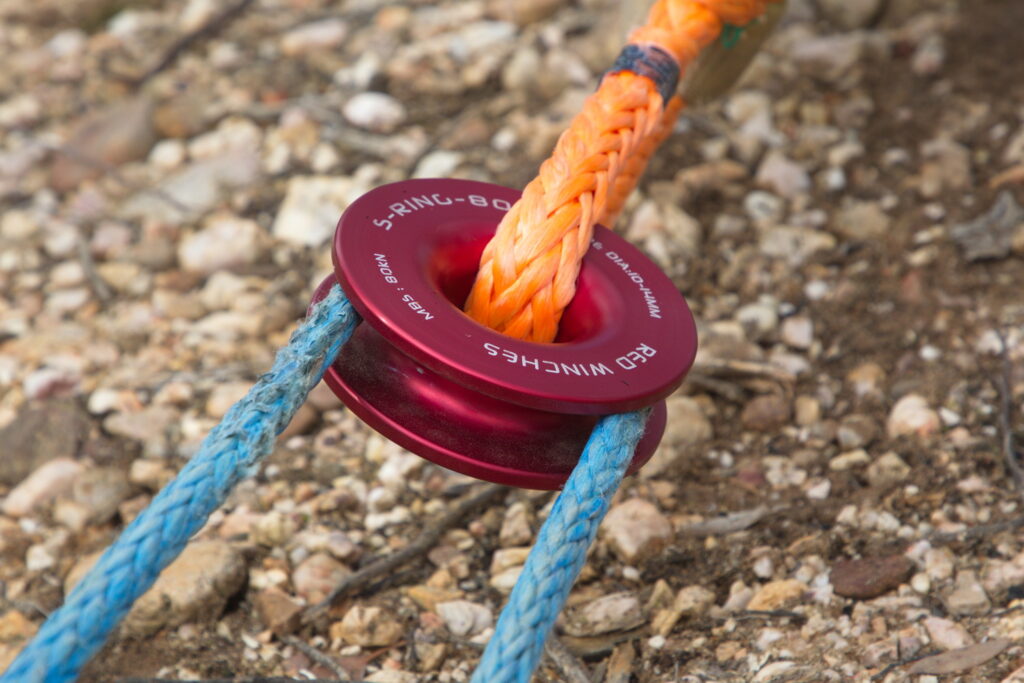
The recovery ring is a newer innovation in the world of vehicle recovery. Instead of a pulley with moving parts, it’s a smooth, round ring—typically CNC-machined from aircraft-grade aluminum. You use it with a soft shackle and a synthetic winch rope. The rope loops around the ring, and the soft shackle connects both to an anchor point.
Recovery rings are much lighter than snatch blocks, often weighing less than a pound. Their simple design means no moving parts, reducing the risk of mechanical failure.
Key benefits:
- Lightweight and compact
- Corrosion-resistant
- Quick setup with soft shackles
One limitation: recovery rings are only for use with synthetic winch lines—not steel cables.
Credit: l2sfbc.com
Core Differences: Snatch Block Vs. Recovery Ring
To understand which tool fits your needs, let’s look at their differences side-by-side.
| Feature | Snatch Block | Recovery Ring |
|---|---|---|
| Material | Steel/Aluminum | Aluminum Alloy |
| Weight | Heavy (2-7 lbs) | Light (0.3-1 lb) |
| Compatible Winch Line | Steel & Synthetic | Synthetic Only |
| Maintenance Needs | High (Lubrication, Rust) | Low (Wipe Clean) |
| Setup Time | Moderate | Fast |
| Moving Parts | Yes (Pulley) | No |
| Load Rating | 8,000 – 24,000+ lbs | 10,000 – 40,000+ lbs |
Performance In Real-world Recovery
Winch Snatch Block In Use
When using a snatch block, you open the side plates, insert the winch line, close the block, and attach it to a recovery point (like a tree or another vehicle). The pulley allows the cable to move smoothly, especially under heavy load. This setup is reliable and works even in muddy or wet conditions.
However, beginners often forget to lubricate the pulley, leading to friction and premature wear. Also, using a snatch block with a damaged or frayed cable can be dangerous, as sharp edges can cut synthetic ropes or snap steel lines.
Recovery Ring In Action
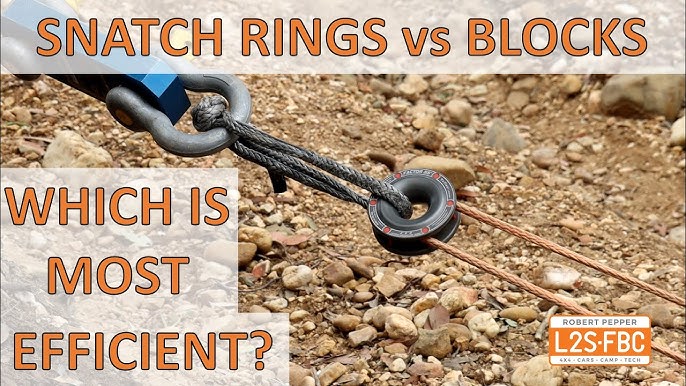
A recovery ring simplifies the process. You loop the synthetic winch line around the ring, then connect both to an anchor with a soft shackle. The ring’s surface is highly polished, so the rope glides smoothly. There’s almost nothing to break or seize up.
One insight most newcomers miss: the smoothness of the ring can reduce heat buildup in the winch line, which helps prevent rope damage over long pulls. But always ensure your soft shackles and ring are free from grit—dirt can wear down even the toughest synthetic rope.
Credit: www.youtube.com
Pros And Cons: Which One Is Right For You?
Here’s a practical comparison of advantages and drawbacks.
| Snatch Block | Recovery Ring | |
|---|---|---|
| Pros |
|
|
| Cons |
|
|
Safety Considerations
Safety is crucial in vehicle recovery. Both tools require proper use to avoid accidents. With snatch blocks, always check the pulley spins freely and the side plates lock tightly. Never use a block with visible cracks or bent parts.
With recovery rings, inspect the ring and soft shackles for nicks or sharp edges. Dirt is the enemy—grit trapped between the ring and rope can damage your expensive synthetic line quickly.
One point many miss: recovery rings reduce the “stored energy” in the system compared to metal shackles and blocks. If something fails, soft shackles and ropes are less likely to cause injury than flying steel.

Credit: www.exploringoverland.com
Cost And Value
Snatch blocks typically range from $40 to $120, depending on brand and rating. Recovery rings cost $50 to $150, but you’ll need to buy soft shackles as well, which adds to the total price.
While recovery rings might seem more expensive at first, their durability and low maintenance often make them cheaper in the long run—especially if you already use synthetic winch lines.
Choosing The Best Option For Your Needs
If you use a steel winch cable or need to winch in very rough conditions, the classic snatch block is a safe choice. It’s reliable, strong, and proven.
If you want a lighter, low-maintenance setup and run a synthetic rope, a recovery ring is modern, efficient, and quick. Many experienced off-roaders now carry both, using the snatch block for heavy or awkward pulls and the recovery ring for everyday situations.
Before you buy, check your winch line type, your vehicle weight, and how often you perform recoveries. Don’t forget to invest in quality soft shackles if you choose a recovery ring.
For more technical details, the Wikipedia page on winches provides further reading on winch systems and their accessories.
Frequently Asked Questions
What Is The Main Advantage Of A Recovery Ring Over A Snatch Block?
The main advantage is simplicity and weight. Recovery rings have no moving parts, are lighter, and require less maintenance. They also reduce the risk of mechanical failure during a recovery.
Can I Use A Recovery Ring With A Steel Winch Cable?
No. Recovery rings are only safe for use with synthetic winch ropes. Steel cables can damage the ring and create unsafe conditions.
How Do I Maintain A Snatch Block?
Lubricate the pulley regularly, check for rust or cracks, and ensure the side plates close securely. Store in a dry place to prevent corrosion.
Are Soft Shackles Strong Enough For Vehicle Recovery?
Yes. High-quality soft shackles made from UHMWPE fibers are as strong or stronger than steel shackles. Always check the load rating and inspect for wear before each use.
Which Is Safer: Snatch Block Or Recovery Ring?
Both are safe when used correctly. However, recovery rings combined with soft shackles typically have less stored energy, reducing the risk of dangerous “projectile” failures.
Choosing between a winch snatch block and a recovery ring depends on your equipment, recovery habits, and safety priorities. Both tools have their place in the modern off-roader’s kit. Make an informed choice, and always put safety first.
Related posts
 Why You Should Use a Foam Cannon for Car Washing: Ultimate Guide
Washing your car is more than just making it look good. It protects the paint, keeps the value high, and makes driving feel better. But if…
 How to Clean Leather Seats Without Damaging Them: Expert Tips
Keeping your leather seats clean can be a challenge. Leather looks beautiful and feels luxurious, but it needs special care. Many people worry about damaging their…
 Why Using a Ceramic Coating Spray is Important for Your Car’s Shine
If you care about your car’s appearance and value, you probably wash and wax it regularly. But did you know there’s a better way to protect…