Winching Accessories for Off-Road Vehicles: Essential Gear Guide
Winching Accessories For Off-road Vehicles
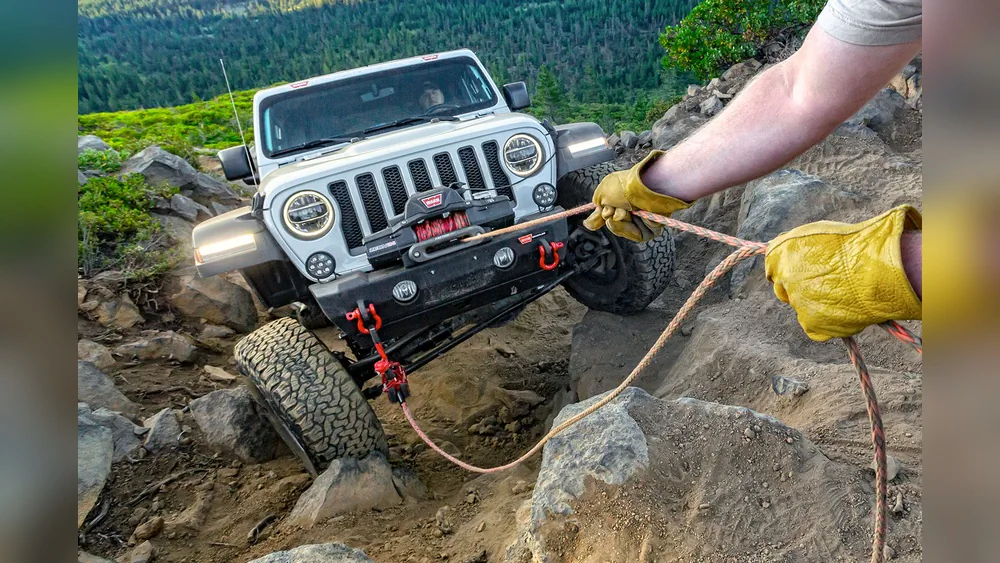
Going off-road is exciting, but the challenge can quickly turn risky when your vehicle gets stuck. That’s where a winch becomes essential. However, even the best winch is only as good as the accessories that support it. The right winching accessories not only make recovery safer but also more efficient and less stressful. In this guide, you’ll learn which accessories matter, how to use them, and why they’re critical for anyone serious about off-road adventures.
Essential Winching Accessories Explained
Every off-road enthusiast should know the main winching accessories before heading out. These tools turn a standard winch into a reliable recovery system.
1. Winch Line Dampener
A winch line dampener is a heavy fabric blanket placed over the winch cable during recovery. Its purpose is to absorb energy if the cable snaps. The dampener reduces the risk of injury by forcing a broken cable to fall to the ground instead of snapping back dangerously.
2. Snatch Block
A snatch block is a pulley that allows you to change the direction of your pull or double your winch’s pulling power. For example, if your vehicle is stuck in deep mud, running the winch cable through a snatch block and anchoring it back to your vehicle creates a mechanical advantage.
3. Tree Trunk Protector
A tree trunk protector is a wide, flat strap used to anchor your winch cable to a tree without damaging the bark. Unlike a standard tow strap, it spreads the load evenly, minimizing environmental impact. This is key for responsible off-roading.
4. D-shackles (bow Shackles)
D-shackles connect straps, snatch blocks, and cables. Steel shackles are the most common, but soft shackles made from synthetic rope are gaining popularity for their weight and safety benefits. Always check the rated load before use.
5. Gloves
Never winch without sturdy gloves. Winch cables—especially steel—can develop tiny, sharp burrs. Heavy-duty gloves protect your hands from cuts and burns during setup and operation.
6. Recovery Strap
A recovery strap is a stretchable nylon strap used to tow or recover vehicles. Unlike a winch line, it stores energy to help “snatch” a stuck vehicle free, making it valuable when another vehicle is available to assist.
7. Winch Line Extension
Sometimes the built-in cable isn’t long enough. A winch line extension gives you extra reach to find a solid anchor point. Extensions come in both steel and synthetic varieties. Synthetic is lighter and safer but more sensitive to abrasion.
8. Winch Hook Or Thimble
The winch hook connects your winch line to recovery points. Many off-roaders now prefer closed system thimbles for added safety, as they prevent the hook from slipping off during use.
9. Fairlead
A fairlead guides the winch line onto the drum and reduces friction. There are two main types:
- Roller fairleads for steel cables
- Hawse fairleads for synthetic lines
Using the correct fairlead prevents premature wear.
10. Recovery Boards
While not directly attached to your winch, recovery boards provide traction under tires and can reduce strain on your winch by making recovery easier. They are especially useful in sand, snow, or mud.
Choosing The Right Accessories
Not all winching gear is created equal. Here’s a quick look at how different materials and types compare.
| Accessory | Steel vs. Synthetic | Best For |
|---|---|---|
| Winch Cable | Steel: durable, heavy Synthetic: lightweight, floats |
Steel: rocky terrain Synthetic: water crossings |
| Shackles | Steel: very strong Soft: light, safe if fails |
Steel: heavy-duty pulls Soft: everyday use |
| Fairleads | Roller: for steel Hawse: for synthetic |
Match with winch line type |
Insight: Beginners often overlook compatibility. Using a roller fairlead with a synthetic line, for example, can quickly damage the rope.

Credit: www.off-road.com
Safety And Maintenance Tips
Winching accidents are rare but serious. Proper use of accessories keeps everyone safe.
- Inspect all gear before every trip for frays or cracks.
- Use a winch line dampener every time you pull, even with synthetic rope.
- Never wrap a winch cable around a tree without a tree trunk protector.
- Avoid shock loads—apply steady, even tension with the winch.
- Replace any component that shows visible wear immediately.
Advanced tip: Moisture and mud can degrade both synthetic and steel lines. After each trip, clean and dry your gear. Store accessories in a breathable bag to prevent rust and mildew.
Common Mistakes To Avoid
Many beginners make errors that can lead to equipment failure or personal injury.
- Overloading gear: Never exceed the working load limit stamped on your shackles, straps, or snatch blocks.
- Ignoring anchor points: A weak tree or rock can fail under winch load. Always check anchors.
- Incorrect rigging: Avoid side pulls that can damage your winch or vehicle frame.
- Skipping gloves: Bare hands and steel lines are a dangerous mix.
Non-obvious insight: Some users skip recovery boards thinking their winch is enough. In reality, boards can cut winching time in half and reduce strain on your system.

Credit: www.factor55.com
Building A Complete Winch Kit
A well-prepared off-roader keeps all essentials together. Below is a suggested kit for most situations:
| Item | Quantity | Purpose |
|---|---|---|
| Winch line dampener | 1 | Safety |
| Snatch block | 1-2 | Mechanical advantage |
| Tree trunk protector | 1 | Anchor protection |
| D-shackles or soft shackles | 2-4 | Connections |
| Gloves | 1 pair | Hand protection |
| Recovery strap | 1 | Towing/snatching |
| Winch line extension | 1 | Extra reach |
| Recovery boards | 2 | Traction |
Store everything in a waterproof bag, and label each item. This makes it easy to find what you need when you’re under stress.
Real-world Example
During a muddy trail run, an off-road group found one vehicle deeply stuck. Using a snatch block and winch line extension, they doubled the pulling power and reached a distant tree. A tree trunk protector avoided damaging the anchor. Recovery boards placed under the tires reduced resistance. The entire recovery was safe and fast—no equipment failed, and the environment was protected.

Credit: www.amazon.com
Frequently Asked Questions
What Is The Most Important Winching Accessory?
The winch line dampener is considered the most critical for safety because it reduces the danger of a snapping cable.
Can I Use A Tow Strap As A Tree Saver?
No. Tow straps are not designed to protect trees and can damage the bark. Always use a tree trunk protector to minimize harm and provide a strong anchor.
How Do I Know If My Shackle Is Strong Enough?
Check the working load limit (WLL) stamped on the shackle. It should match or exceed your winch’s maximum pulling force.
Are Synthetic Winch Lines Safe?
Yes, synthetic winch lines are safe and lighter than steel. They don’t store as much energy, so they are less dangerous if they break. However, they require careful handling to avoid abrasion.
Do I Need All These Accessories For Every Trip?
You may not use every accessory every time, but having a complete kit means you’re prepared for any situation. It’s better to have gear and not need it than to be caught unprepared.
For more in-depth technical details, you can visit the Winch Wikipedia page.
Choosing the right winching accessories makes off-roading safer, more enjoyable, and better for the environment. Build your kit carefully, learn to use each item properly, and you’ll be ready for any trail challenge ahead.
Related posts
 Why You Should Use a Foam Cannon for Car Washing: Ultimate Guide
Washing your car is more than just making it look good. It protects the paint, keeps the value high, and makes driving feel better. But if…
 How to Clean Leather Seats Without Damaging Them: Expert Tips
Keeping your leather seats clean can be a challenge. Leather looks beautiful and feels luxurious, but it needs special care. Many people worry about damaging their…
 Why Using a Ceramic Coating Spray is Important for Your Car’s Shine
If you care about your car’s appearance and value, you probably wash and wax it regularly. But did you know there’s a better way to protect…