
Understanding Break Strength in Winch Recovery Rings: Essential Guide
Understanding Break Strength In Winch Recovery Rings
When you’re off-roading or tackling demanding recovery jobs, the smallest equipment failure can mean disaster. Among essential recovery gear, winch recovery rings have become popular alternatives to traditional snatch blocks. Yet, many users overlook one critical specification: break strength. This value is much more than a technical detail—it’s the difference between a safe recovery and a dangerous accident. If you want to make confident gear choices and avoid costly mistakes, you need to understand exactly what break strength means for winch recovery rings.
What Is Break Strength?
Break strength is the maximum load a winch recovery ring can handle before it fails or deforms permanently. It’s measured in pounds (lbs) or kilograms (kg), and you’ll often see it called minimum breaking strength (MBS). This rating is not just a suggestion—using gear beyond this point risks sudden failure.
For example, a winch recovery ring with a break strength of 20,000 lbs can withstand forces up to that point in controlled lab conditions. In real-world use, safety factors mean you should never approach this limit during normal recoveries.
Why Break Strength Matters In Winch Recovery Rings
Selecting a winch recovery ring with the right break strength is vital for both vehicle safety and personal safety. If the ring fails during a pull, the stored energy in the recovery line can turn hardware into dangerous projectiles.
Consider these scenarios:
- Heavy vehicle extractions: A 4×4 stuck in deep mud may require 1.5 to 2 times its weight in pulling force.
- Dynamic loads: Sudden jerks or uneven terrain can momentarily spike the force on the ring, far above the static pull.
Choosing a ring with too low a rating is a common beginner mistake. Even seasoned users sometimes overlook how much force dynamic recovery can generate.
How Break Strength Is Determined
Manufacturers test winch recovery rings under controlled conditions. The ring is loaded until it fails, and the highest reading before permanent deformation is recorded as the break strength.
Key points in the testing process:
- Material type: Most rings use aircraft-grade aluminum, which is strong and lightweight.
- Ring design: Thicker, wider rings usually have higher break strength.
- Testing standards: Reputable brands follow industry standards, but some cheap imports may exaggerate their numbers.
It’s wise to check if a ring’s rating comes from real testing or just marketing claims.
Break Strength Vs. Working Load Limit (wll)
Don’t confuse break strength with working load limit (WLL). The WLL is a safety margin, usually one-third of the break strength. You should base your real-world pulls on the WLL, not the maximum break strength.
Here’s a quick comparison:
| Specification | Meaning | Example Value |
|---|---|---|
| Break Strength | Max force before failure | 24,000 lbs |
| Working Load Limit | Safe everyday use limit | 8,000 lbs |
For safety, always use the working load limit when planning your recovery—not the break strength.
Factors That Affect Break Strength
Several variables can influence the real-world break strength of a winch recovery ring:
1. Material Quality
High-grade aluminum or steel gives more reliable strength. Inferior alloys can hide weak points.
2. Ring Diameter And Width
Larger diameter rings spread the load better and resist bending.
3. Manufacturing Process
Forged or CNC-machined rings are typically stronger than cast rings.
4. Wear And Tear
Scratches, dents, or corrosion can lower break strength without visible warning.
5. Correct Line Fit
Using a synthetic rope that’s too thick or too thin for the groove can cause uneven loading.
Choosing The Right Break Strength For Your Recovery Needs
Matching the break strength of your winch recovery ring to your vehicle’s weight and intended use is critical. Here’s a simple approach:
- Find your vehicle’s gross weight (add gear, passengers, and cargo).
- Multiply by 2 to cover dynamic forces (for off-road recoveries).
- Choose a ring with a break strength at least 2-3 times your vehicle’s weight.
For example, if your loaded SUV weighs 5,000 lbs:
- 5,000 lbs x 2 = 10,000 lbs (minimum WLL needed)
- So, look for a ring with at least 20,000–30,000 lbs break strength.
This method adds an extra margin for safety and unexpected situations.
Real-world Example: Comparing Popular Winch Recovery Rings
To give you practical context, here’s a side-by-side comparison of three common winch recovery rings:
| Brand | Break Strength | Material | Recommended Rope Size |
|---|---|---|---|
| Factor 55 | 24,000 lbs | Aluminum | Up to 7/16″ |
| ARB | 22,000 lbs | Aluminum | Up to 1/2″ |
| Warn Epic | 18,000 lbs | Aluminum | Up to 3/8″ |
You’ll notice that higher break strength often allows for thicker ropes, which means more versatile recovery setups.
Common Mistakes And Overlooked Insights
Many beginners make the mistake of buying the cheapest ring with a big number printed on it. But not all break strength ratings are equal. Uncertified products may use unverified lab results or even estimate their numbers.
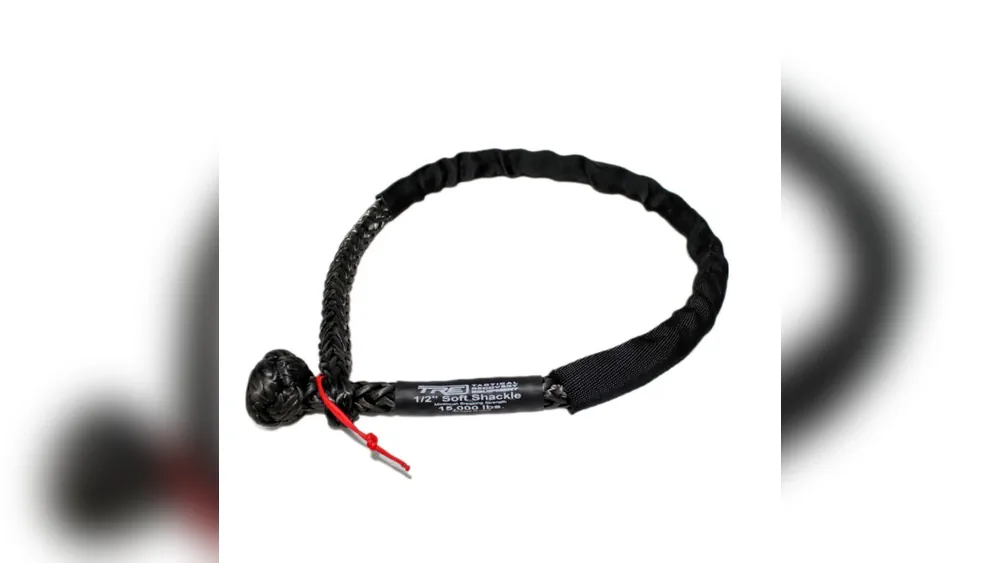
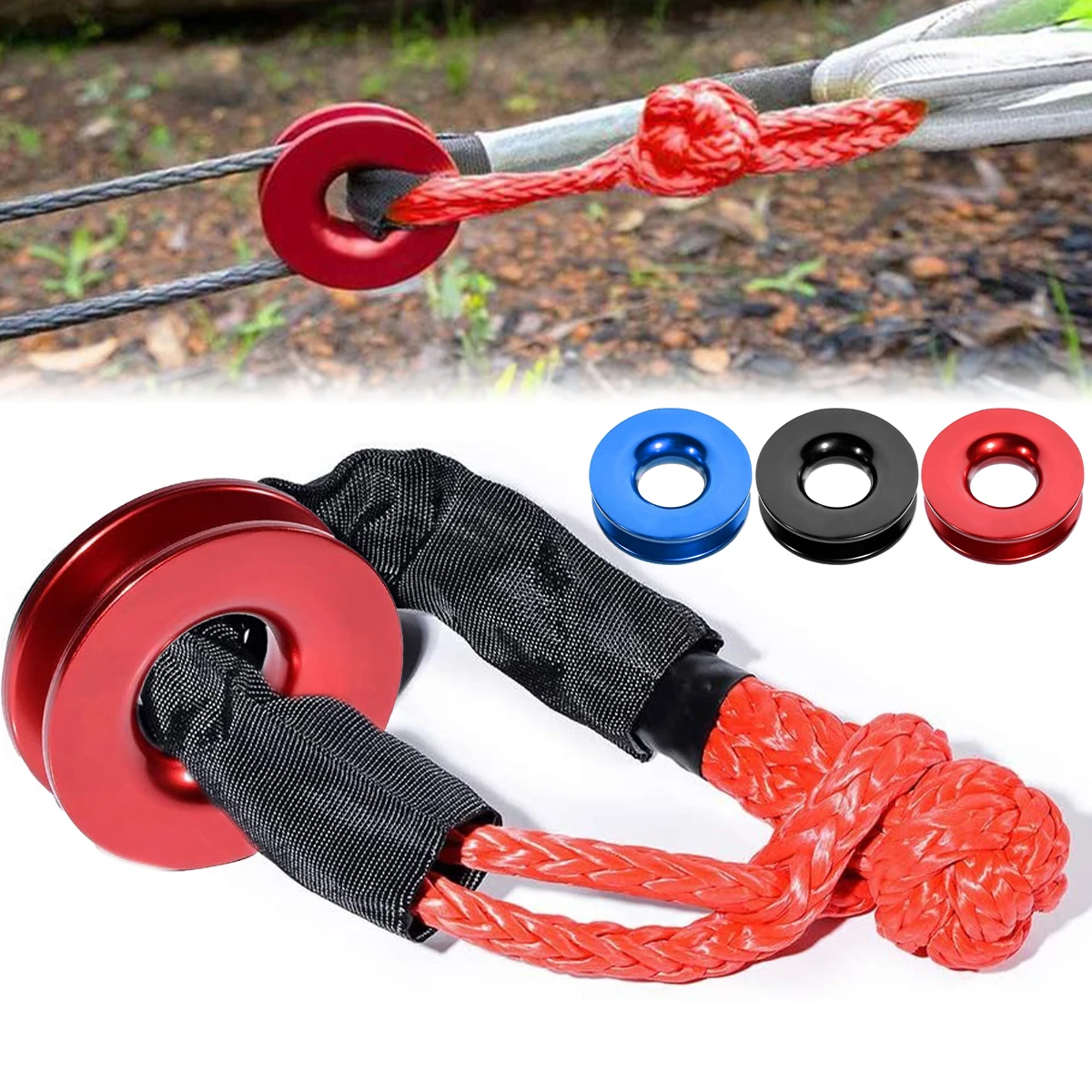
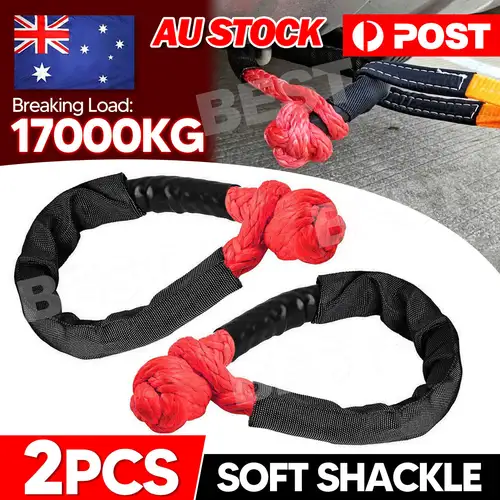
Another overlooked point: even with a high break strength ring, using a damaged synthetic rope or poorly tied soft shackle can reduce the whole system’s safety. Always check all gear components for compatible ratings and good condition.

Credit: www.amazon.ae
How To Maintain Break Strength Over Time
To keep your winch recovery ring at peak performance:
- Inspect before every use for cracks or deep gouges.
- Clean after use to remove grit and mud, which can scratch the surface.
- Store in a dry place to prevent corrosion, even on anodized aluminum.
- Replace immediately if you see visible damage or after extreme pulls.
Even small surface damage can lower a ring’s strength by 10–20%. Don’t take risks—retire damaged gear.
When To Upgrade Your Recovery Ring
If you upgrade to a heavier vehicle or start tackling tougher trails, revisit your break strength needs. Don’t wait for a failure to highlight a weak link in your recovery kit.
Upgrading is also wise if you switch to thicker synthetic winch rope, since a larger rope may require a stronger, bigger ring for safe operation.
Credit: www.jaromirbazant.com
Where To Find Reliable Ratings
Always buy from reputable brands that provide clear, tested break strength numbers. Look for certifications or published lab data. For more on winch recovery equipment standards, check resources like the Winch Wikipedia page.
Frequently Asked Questions
What Is The Difference Between Break Strength And Working Load Limit?
Break strength is the maximum force a ring can handle before breaking. Working load limit is the recommended safe maximum for regular use, usually one-third of the break strength.
Can I Use A Winch Recovery Ring With Steel Cable?
Most recovery rings are designed for synthetic winch ropes. Using steel cable can damage the ring and lower break strength due to higher friction.
How Do I Know If My Ring Is Damaged?
Look for cracks, deep scratches, or bends. If you find any, replace the ring immediately. Do not attempt to repair or use damaged equipment.
Is A Higher Break Strength Always Better?
Not always. Very high break strength rings can be heavier and bulkier. Choose a ring that matches your vehicle’s needs and fits your recovery gear.
How Often Should I Replace My Winch Recovery Ring?
Replace your ring if it’s damaged or after a significant overload event. With proper care, a quality ring can last for years.
Winch recovery rings are a smart, safe alternative to older hardware—when you understand their break strength and use them wisely. With the right knowledge and gear, every recovery can be safer and more predictable. Always prioritize tested ratings and regular inspections to ensure your adventures end with a successful recovery, not a broken line.
Credit: www.diakonie-frankfurt-offenbach.de
Related posts
 Why You Should Use a Foam Cannon for Car Washing: Ultimate Guide
Washing your car is more than just making it look good. It protects the paint, keeps the value high, and makes driving feel better. But if…
 How to Clean Leather Seats Without Damaging Them: Expert Tips
Keeping your leather seats clean can be a challenge. Leather looks beautiful and feels luxurious, but it needs special care. Many people worry about damaging their…
 Why Using a Ceramic Coating Spray is Important for Your Car’s Shine
If you care about your car’s appearance and value, you probably wash and wax it regularly. But did you know there’s a better way to protect…