
Guide to Using a Winch Snatch Recovery Ring With Synthetic Rope Safely
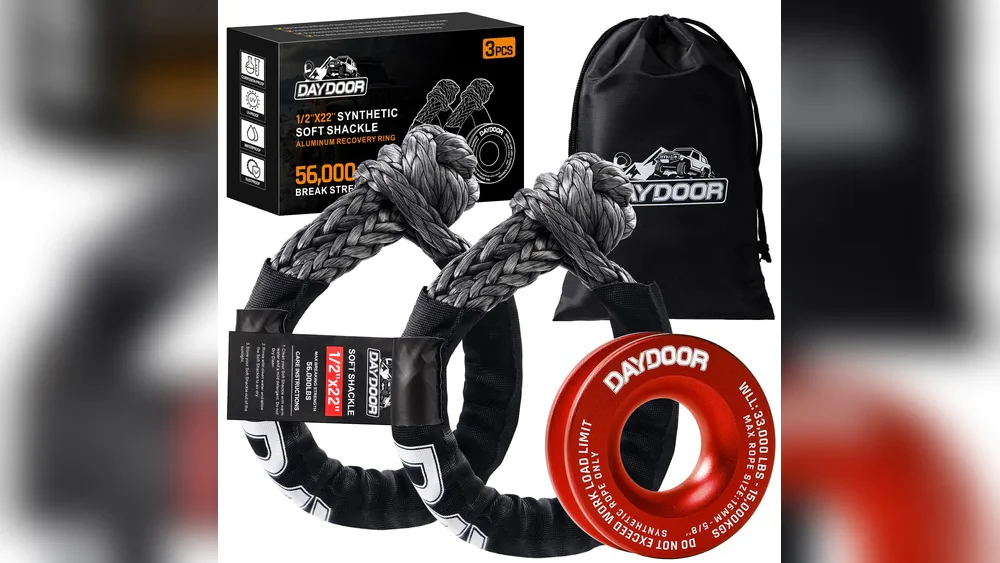
If you’re into off-road adventures or recovery work, you’ve probably heard of the winch snatch recovery ring. This small, lightweight tool is changing how people recover stuck vehicles, especially when using synthetic winch rope. It’s more compact than traditional snatch blocks, easier to carry, and designed to work perfectly with modern synthetic winch lines. But how do you use one safely and effectively? Here’s your complete guide, packed with tips, real-world advice, and key safety details even many experienced users overlook.
What Is A Winch Snatch Recovery Ring?
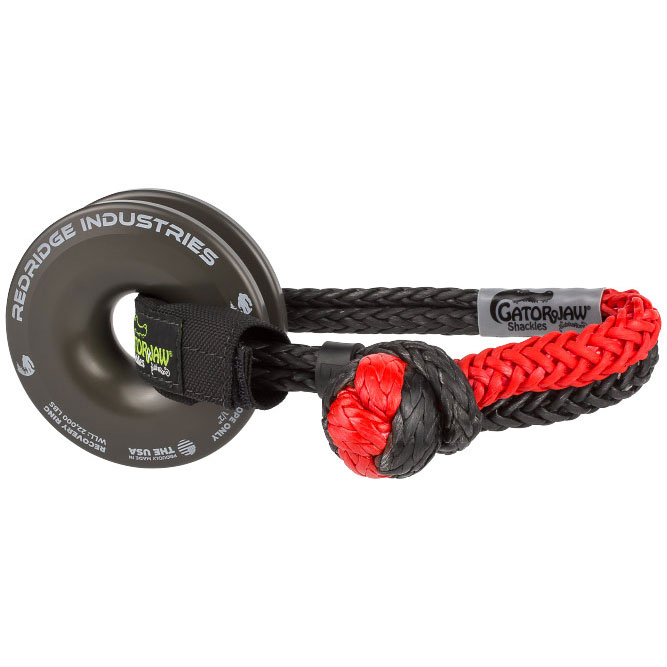
A snatch recovery ring is a round, strong metal ring with a smooth groove. It acts like a pulley for your winch line. Instead of using old-fashioned, heavy snatch blocks, these rings are light, simple, and built for synthetic ropes. They let you change the direction of your pull or double your winching power, without adding much weight to your kit.
The ring is used together with a soft shackle and an anchor point (like a tree or another vehicle). The synthetic rope runs through the ring’s groove, and the ring spins as the rope moves, reducing friction and making winching more efficient.
Why Use A Snatch Recovery Ring With Synthetic Rope?
Traditional snatch blocks can damage synthetic lines because of sharp edges or pinching. A snatch recovery ring is made specifically for synthetic winch rope—it has a smooth, wide groove that protects the rope’s fibers. This means:
- Less wear and tear on your rope
- Safer recoveries with lower risk of rope failure
- Lighter gear to carry (rings often weigh less than 1 lb)
Here’s a quick comparison of traditional snatch blocks vs. snatch rings with synthetic rope:
| Feature | Traditional Snatch Block | Snatch Recovery Ring |
|---|---|---|
| Weight | 3–6 lbs | 0.5–1 lb |
| Rope Compatibility | Steel, sometimes synthetic | Optimized for synthetic |
| Maintenance | Needs grease, more cleaning | Low maintenance |
| Size | Bulky | Compact |

Credit: dailyplanetvt.com
Equipment Needed For Safe Recovery
Before you start, you’ll need these essentials:
- Synthetic winch rope (rated for your vehicle’s weight)
- Snatch recovery ring (correct load rating)
- Soft shackle (no metal-to-metal contact)
- Strong anchor point (tree, recovery point, or another vehicle)
- Protective gloves (for handling rope)
- Tree saver strap (if anchoring to a tree)
- Recovery damper (helps reduce recoil risk)
Step-by-step: Using A Winch Snatch Recovery Ring
Proper setup is critical for safety. Here’s how to use a snatch recovery ring with synthetic rope:
1. Select And Inspect Your Gear
- Check your synthetic rope for cuts, frays, or damage.
- Ensure your snatch ring and soft shackle are rated above your vehicle’s weight.
- Inspect your anchor point’s strength.
2. Set Up The Anchor
- If using a tree, wrap a tree saver strap around its base (never wrap rope or cable directly around a tree).
- For vehicle anchors, use official recovery points only.
3. Assemble The Snatch Ring System
- Thread your soft shackle through the groove in the snatch ring.
- Loop the soft shackle around the anchor or tree strap, then secure it tightly.
4. Run The Synthetic Rope
- Pull your winch rope and lay it into the ring’s groove.
- Make sure the rope sits deep and flat in the groove—avoid stacking or twisting.
5. Connect And Tension
- Attach the winch hook or rope thimble to your vehicle’s recovery point.
- Stand clear and use a recovery damper on the rope.
- Start winching slowly, keeping an eye on the ring and rope alignment.
6. Monitor And Complete Recovery
- Watch for any rope slippage or abnormal movement.
- Stop if you hear unusual noises or see the rope binding.
- Once recovery is complete, release tension carefully.
Key Safety Tips And Common Mistakes
Using a snatch recovery ring is straightforward, but mistakes can be costly. Here’s what many beginners miss:
- Never use metal shackles with a snatch ring. Soft shackles prevent dangerous recoil if something breaks.
- Do not overload: The weakest link (shackle, ring, or rope) sets your safe working limit.
- Keep people clear: Stand far from the recovery line—synthetic rope stores less energy than steel, but can still whip dangerously.
- Avoid sharp bends: If the rope kinks or bends too much in the ring, it can weaken fibers.
- Regularly clean your ring: Mud or grit in the groove increases friction and rope wear.
Real-world Example: Doubling Winch Power
Suppose your 4×4 is stuck deep in mud. You anchor to a tree ahead, using a snatch recovery ring. By routing the winch rope through the ring and back to your vehicle, you create a double-line pull. This halves the strain on your winch and rope, making recovery safer and easier. This technique is crucial when your winch is close to its pulling limit.
Here’s a quick comparison of single-line vs. double-line pull:
| Setup | Winch Load | Rope Speed |
|---|---|---|
| Single-Line Pull | Full vehicle weight | Fastest |
| Double-Line Pull (using snatch ring) | Half vehicle weight | Slower |
Maintenance And Care For Longevity
To get the most life from your snatch ring and synthetic rope:
- Clean after each use: Rinse mud and grit off the ring and rope.
- Dry before storage: Synthetic rope can weaken if stored wet for long periods.
- Inspect frequently: Look for surface wear or groove damage on the ring.
- Avoid chemical exposure: Oils and solvents can break down synthetic fibers.
When Not To Use A Snatch Recovery Ring
It’s not always the right tool. Avoid using a snatch ring if:
- You have a steel cable (rings are for synthetic rope only).
- Your gear’s load rating is lower than the recovery load.
- The rope or shackle shows signs of serious wear.
Credit: www.bubbarope.com
Pro Insights For Better Recoveries
A few advanced tips can make your recoveries safer and faster:
- Warm up synthetic rope: In freezing weather, flex your rope before use to avoid stiffness.
- Check groove size: If your rope is much thinner than the ring’s groove, it may slip or pinch under load.
- Carry spare soft shackles: They’re small and light, and can save your recovery if one fails.
- Practice before you need it: Try setting up your ring system at home, so you’re confident when it matters.
For more on safe winching and recovery gear, the 4×4 Australia Guide has extra details and expert advice.
Frequently Asked Questions
What Is The Main Advantage Of A Snatch Recovery Ring Over A Snatch Block?
A snatch recovery ring is lighter, smaller, and requires less maintenance. It’s designed for synthetic winch rope, making it safer and easier to carry than traditional snatch blocks.
Can I Use A Snatch Recovery Ring With Steel Winch Cable?
No, snatch recovery rings are only for synthetic rope. Steel cables can damage the ring’s surface and create dangerous friction, risking failure.
How Do I Choose The Right Size Snatch Recovery Ring?
Check your synthetic rope diameter and ensure the ring’s groove fits it snugly. Also, always match or exceed your rope and winch’s load rating with the ring.
Is A Soft Shackle Really Necessary?
Yes. Soft shackles are safer because they won’t cause dangerous recoil if they break. Metal shackles can create a deadly projectile if the system fails.
How Often Should I Inspect My Snatch Recovery Ring And Rope?
Inspect before and after every use. Look for cracks, grooves, or wear on the ring, and check your rope for fraying, nicks, or cuts. Proper maintenance ensures safe recoveries every time.
Using a winch snatch recovery ring with synthetic rope is a smart upgrade for modern recovery kits. With the right setup, attention to detail, and regular care, you’ll have a safer, lighter, and more efficient recovery system—ready for any adventure.

Credit: agileoffroad.com
Related posts
 Why You Should Use a Foam Cannon for Car Washing: Ultimate Guide
Washing your car is more than just making it look good. It protects the paint, keeps the value high, and makes driving feel better. But if…
 How to Clean Leather Seats Without Damaging Them: Expert Tips
Keeping your leather seats clean can be a challenge. Leather looks beautiful and feels luxurious, but it needs special care. Many people worry about damaging their…
 Why Using a Ceramic Coating Spray is Important for Your Car’s Shine
If you care about your car’s appearance and value, you probably wash and wax it regularly. But did you know there’s a better way to protect…