Winch Snatch Block Pulley Benefits: Boost Recovery Power
Winch Snatch Block Pulley Benefits
When you’re dealing with tough recovery tasks, heavy loads, or off-road situations, having the right tools is essential. Many professionals and enthusiasts rely on a winch snatch block pulley for extra muscle and safety. But what makes this tool so valuable? Understanding the true benefits of a snatch block pulley can change how you approach lifting, pulling, or recovery work—whether on a job site, a trail, or during emergency rescues. Let’s explore why this compact device is a must-have in any serious winching setup.
What Is A Winch Snatch Block Pulley?
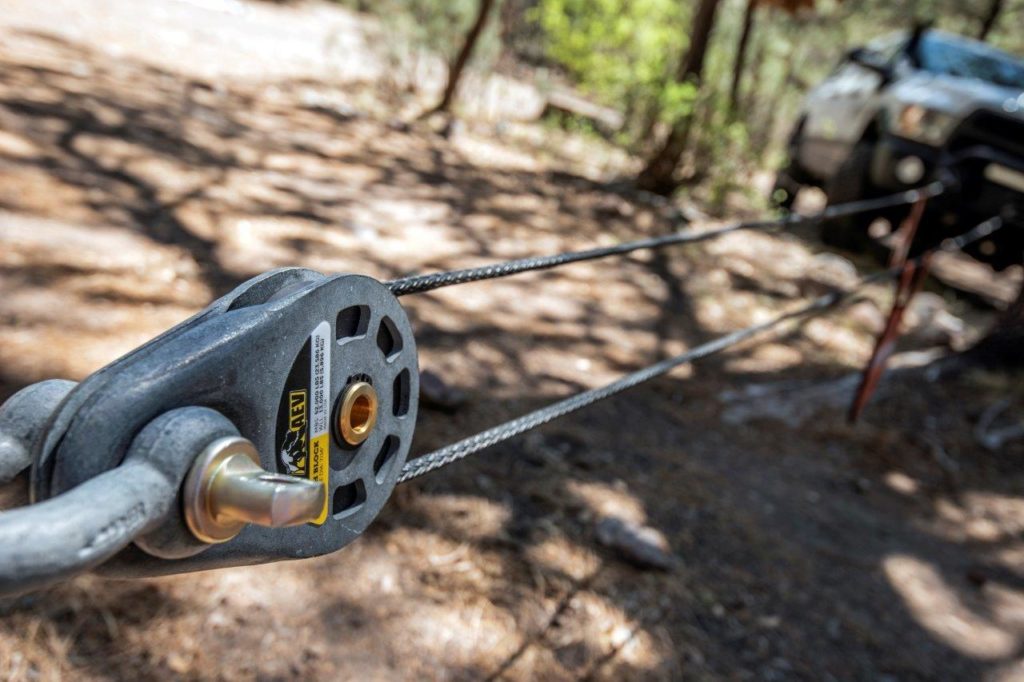
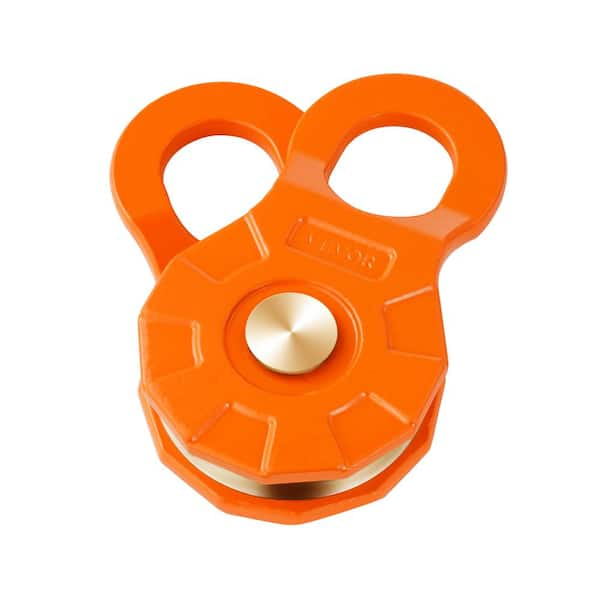
A winch snatch block is a heavy-duty pulley with a rotating sheave (wheel) inside a metal casing. It is designed to redirect a winch cable or rope, allowing you to change the direction of pull or increase the pulling power. The snatch block opens at the side, so you don’t have to thread the entire cable through—just drop it onto the sheave and close it.
Key Benefits Of Using A Winch Snatch Block Pulley
1. Doubles Your Pulling Power
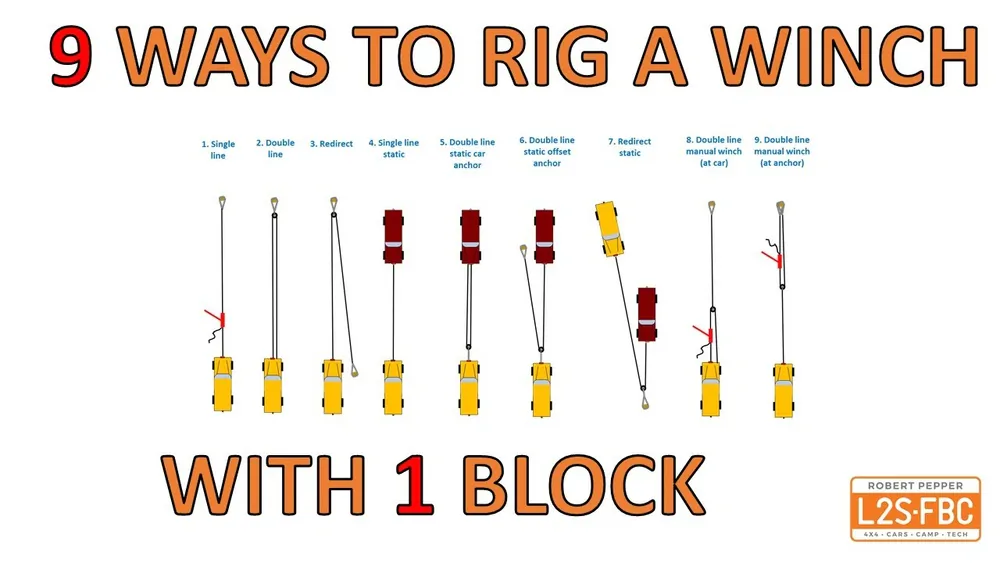
One of the most important advantages is the ability to double your winch’s pulling force. When you thread the cable through a snatch block and anchor it to a fixed point, the load is distributed across two lines. This setup means your winch can pull a load twice as heavy as its direct rating. For example, a 9,000-lb winch can effectively pull up to 18,000 lbs using a snatch block.
2. Changes Direction Of Pull
Sometimes, a straight pull isn’t possible. Obstacles, trees, or uneven ground can block your path. With a snatch block, you can change the angle of your winch line. Attach the block to an anchor point and guide the cable around corners or tricky spots, making recovery or moving loads much safer and more efficient.
3. Reduces Strain On Your Winch
Winches can overheat or wear out quickly under heavy strain. By spreading the force, a snatch block reduces stress on the winch motor, gears, and cable. This can extend the life of your equipment and lower the risk of mechanical failure during tough jobs.
4. Improves Safety
A broken cable or overloaded winch can be dangerous. Using a snatch block lowers the risk of sudden failures by distributing load more evenly. It also helps you control the direction of force, so bystanders are less likely to be in harm’s way if something breaks.
5. Offers Greater Flexibility
A snatch block gives you more options in tricky recoveries. It allows for multi-point pulls, creative anchor setups, and complex rigging. For example, you can use two snatch blocks for a three-point recovery, or pull at different angles to free a stuck vehicle.
6. Handles Both Steel And Synthetic Rope
Modern snatch blocks are designed to work with steel cable and synthetic rope. This versatility means you can use the same pulley with different winch setups, making it a smart investment for anyone with multiple vehicles or changing needs.
7. Compact And Portable
Despite their power, snatch blocks are lightweight and easy to carry. Most models fit in a tool bag or glove box, so you always have extra pulling power on hand without adding much weight or bulk.

Credit: www.myteeproducts.com
Real-world Example: Off-road Recovery
Imagine your truck is stuck in mud, and the nearest tree is off to the side. A direct winch pull would drag your vehicle sideways and might cause damage. By attaching a snatch block to the tree and running your winch line through it, you can pull your truck forward, out of the mud, even though the anchor point isn’t directly in front.
This setup is not only more effective but also safer for both you and your vehicle.
Key Features To Consider When Choosing A Snatch Block
Not all snatch blocks are created equal. Here are some factors that matter:
- Rated capacity: Always choose a snatch block rated for at least twice your winch’s maximum pull.
- Sheave size: Larger sheaves handle thicker cables and reduce wear.
- Material: Steel blocks are stronger, but aluminum blocks are lighter. Both have their uses.
- Ease of opening: Quick-release designs save time, especially in emergencies.
- Bearing type: Greaseable or sealed bearings last longer and roll smoother.
Below is a quick comparison of common snatch block features:
| Feature | Steel Block | Aluminum Block |
|---|---|---|
| Weight | Heavier | Lighter |
| Durability | Very High | High |
| Corrosion Resistance | Needs Treatment | Better by Default |
| Price | Lower | Higher |
Snatch Block Vs. Direct Winching
Some users wonder if a snatch block is really necessary. Here’s how using a snatch block compares to a direct pull:
| Criteria | Direct Winching | With Snatch Block |
|---|---|---|
| Maximum Load | Limited to winch rating | Up to 2x winch rating |
| Winch Strain | High | Lower |
| Angle of Pull | Fixed | Flexible |
| Risk of Cable Damage | Higher | Lower |
Non-obvious Insights For Beginners
- Heat Management: Winching creates heat in both the motor and cable. By halving the load with a snatch block, both your winch and cable stay cooler, reducing the chance of heat-related failure.
- Compound Pulls: For extremely heavy vehicles or loads, you can use multiple snatch blocks in a compound setup. This multiplies your pulling force further but requires careful planning to avoid tangles or unsafe angles.
Credit: newmexicoblackrange.com
Common Mistakes To Avoid
- Ignoring Rated Capacity: Using a snatch block below your winch’s rating can cause failure.
- Improper Line Routing: Twisted or misaligned cables can damage the sheave or snap the cable.
- Lack of Maintenance: Dirt and rust reduce pulley performance. Clean and lubricate regularly.
When Should You Use A Snatch Block?
Consider using a snatch block whenever you need to:
- Pull a vehicle that outweighs your winch’s rating
- Change the direction of a pull around obstacles
- Perform controlled, slow movements for delicate recovery
For more in-depth recovery strategies, the Recovery Vehicle Wikipedia page offers solid background information.
Credit: www.homedepot.com
Frequently Asked Questions
How Do I Know What Size Snatch Block I Need?
Select a snatch block rated for at least twice your winch’s maximum pull. Also, match the sheave size to your cable’s diameter for smooth operation.
Can I Use A Snatch Block With Synthetic Rope?
Yes, most modern snatch blocks are designed for both synthetic rope and steel cable. Just ensure your block’s sheave surface is smooth to avoid damaging synthetic lines.
How Often Should I Maintain My Snatch Block?
Check and clean your snatch block after each use, especially if used in mud or saltwater. Lubricate the bearings regularly for best performance.
Is It Safe To Use More Than One Snatch Block At A Time?
Yes, using multiple snatch blocks allows for complex rigging and greater pulling power, but always ensure each block and anchor can handle the increased load.
What’s The Main Difference Between A Snatch Block And A Pulley?
A snatch block opens at the side for quick cable insertion, while a standard pulley requires threading the cable through one end. Snatch blocks are built for heavy-duty winching.
A winch snatch block pulley is one of the simplest ways to improve your recovery, towing, or lifting operations. It increases your pulling power, boosts safety, and allows for creative solutions in tough situations. For anyone who uses a winch regularly, investing in a quality snatch block is a smart, practical decision that pays off every time you need a little extra help.
Related posts
 Why You Should Use a Foam Cannon for Car Washing: Ultimate Guide
Washing your car is more than just making it look good. It protects the paint, keeps the value high, and makes driving feel better. But if…
 How to Clean Leather Seats Without Damaging Them: Expert Tips
Keeping your leather seats clean can be a challenge. Leather looks beautiful and feels luxurious, but it needs special care. Many people worry about damaging their…
 Why Using a Ceramic Coating Spray is Important for Your Car’s Shine
If you care about your car’s appearance and value, you probably wash and wax it regularly. But did you know there’s a better way to protect…