
What is a Recovery Ring Used for in Off-Road Recovery? Expert Guide
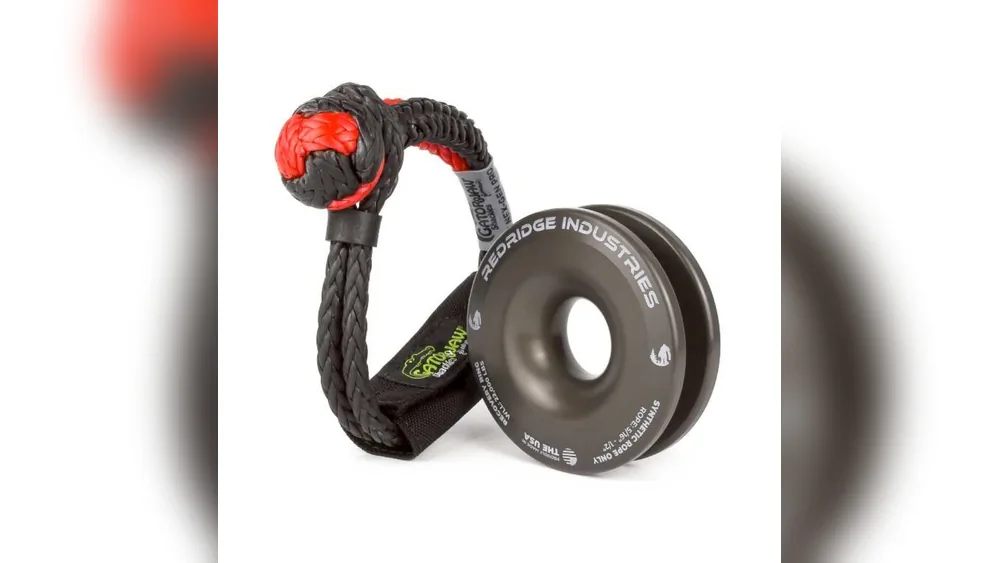
When you’re out on a trail or navigating rough terrain, getting stuck is part of the adventure. But knowing how to recover your vehicle safely is just as important as the drive itself. One tool that’s quickly becoming essential in off-road recovery is the recovery ring. If you’re new to off-roading, or even if you’ve been at it for years, you might wonder what this device does, why it’s so popular, and how it compares to traditional recovery gear. Let’s break down exactly what a recovery ring is used for in off-road recovery, how it works, and why more 4×4 enthusiasts are choosing it for their next outing.
What Is A Recovery Ring?
A recovery ring is a compact, strong, and lightweight pulley made from high-grade aluminum or similar materials. It’s used with soft shackles and synthetic winch ropes to help recover vehicles that are stuck. Unlike traditional steel snatch blocks, recovery rings are designed for synthetic lines and are much lighter, making them easier to carry and use.
Recovery rings have a smooth, round shape with a central groove. This design lets the winch rope glide through with minimal friction. They are becoming the go-to choice for modern recovery setups, especially as synthetic ropes replace heavy steel cables.
How Does A Recovery Ring Work?
When you’re recovering a vehicle, a recovery ring acts as a pulley. It changes the direction of the winch line and can double the pulling power of your winch through a technique called a “double-line pull.” Here’s how it typically works:
- Attach the recovery ring to a secure anchor point using a soft shackle.
- Run your synthetic winch line through the ring’s groove.
- Connect the line back to your vehicle or another anchor.
- As you winch, the ring rotates, guiding the rope smoothly and reducing stress on your equipment.
This setup is safe, efficient, and ideal for situations where you need extra pulling strength or must recover at an angle.
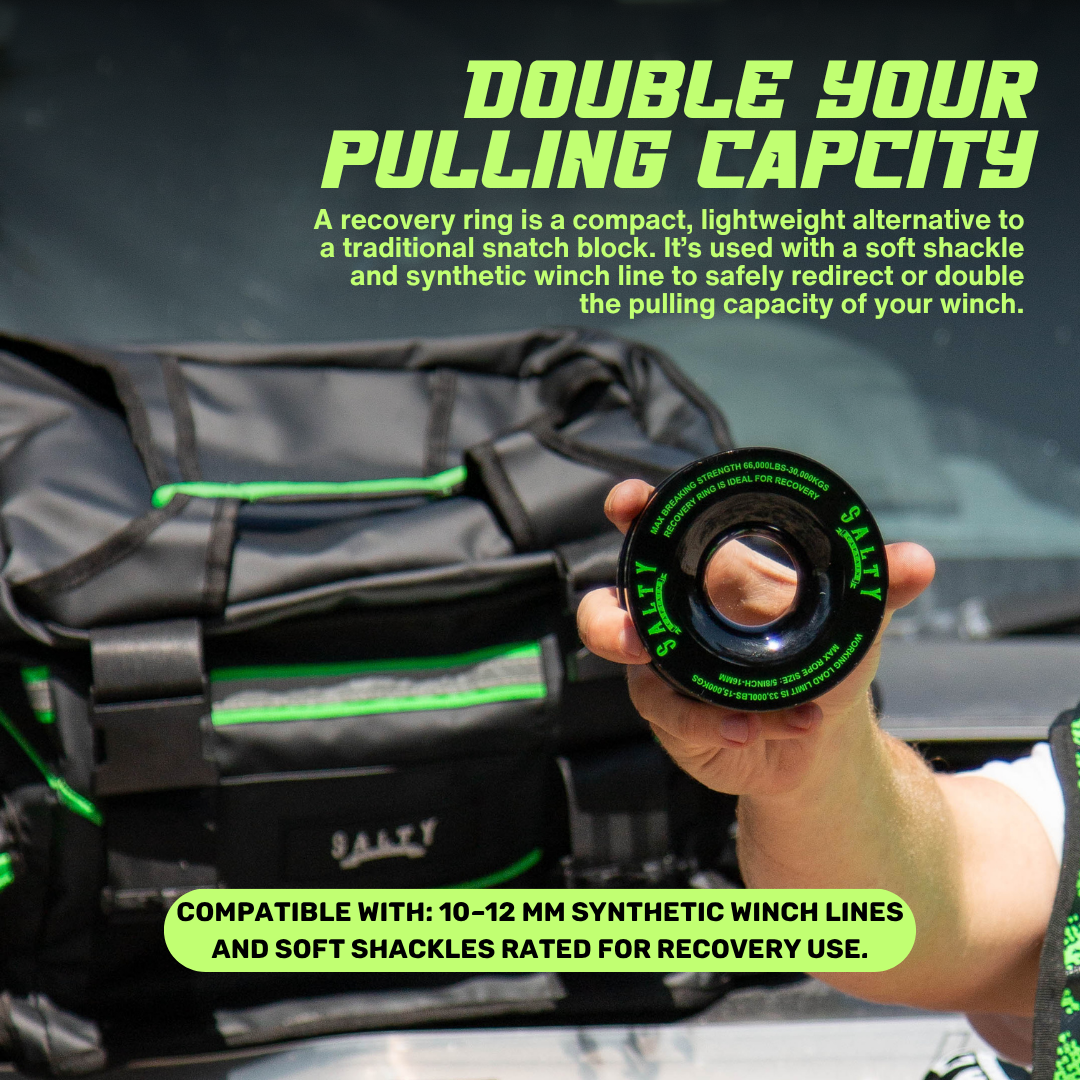
Credit: saltycaptain.com.au
Key Advantages Of Using A Recovery Ring
Off-roaders often compare recovery rings to traditional snatch blocks. Here are some clear benefits of using a recovery ring:
| Feature | Recovery Ring | Snatch Block |
|---|---|---|
| Weight | Light (200-400g) | Heavy (1-3kg) |
| Material | Aluminum Alloy | Steel |
| Compatibility | Synthetic Rope Only | Steel Cable & Synthetic Rope |
| Maintenance | Low | Requires Lubrication |
- Portability: Recovery rings fit easily in a glove box or recovery bag.
- Safety: Using soft shackles and synthetic rope reduces the risk of serious injury if something fails.
- Efficiency: The smooth surface of the ring allows for quick and easy setup.
- Corrosion resistance: Aluminum doesn’t rust, so recovery rings last longer in harsh environments.
When Should You Use A Recovery Ring?
Not every recovery situation requires a ring, but certain scenarios make it the best choice:
- Double-line pulls: When your winch alone isn’t strong enough, a recovery ring doubles its power.
- Changing direction: If the anchor point isn’t straight ahead, you can use a ring to redirect the pull.
- Complicated terrain: In mud, sand, or on steep inclines, the ability to create mechanical advantage can make the difference between success and failure.
For example, if your 4×4 is buried in deep mud and your winch seems to struggle, adding a recovery ring setup can give you the extra force needed.
How To Choose The Right Recovery Ring
With many brands and models available, selecting the right recovery ring matters. Look for these features:
| Factor | What to Look For |
|---|---|
| Load Rating | Minimum of 10,000 kg (22,000 lbs) for most 4x4s |
| Material Quality | Aircraft-grade aluminum or equivalent |
| Rope Compatibility | Match your synthetic winch rope size (usually 10-12mm) |
| Surface Finish | Polished, smooth groove for minimal friction |
A common mistake is choosing a ring that’s too small or not rated for your vehicle’s weight. Always check the ring’s working load limit (WLL) and ensure it’s compatible with your winch line size.
Proper Use And Safety Tips
Using a recovery ring is simple but requires care. Here’s how to maximize safety and effectiveness:
- Only use with synthetic winch ropes; steel cables will damage the ring and are unsafe.
- Always inspect the ring and soft shackles for cracks, nicks, or wear before each use.
- Attach the ring to a secure recovery point, not a tow ball or weak anchor.
- Stand clear of the recovery area—winch lines can snap under tension.
- Avoid sharp angles that may pinch the rope or overload the ring.
An overlooked tip is to keep your recovery ring clean. Mud and grit can scratch the groove, causing extra friction and possible rope damage.
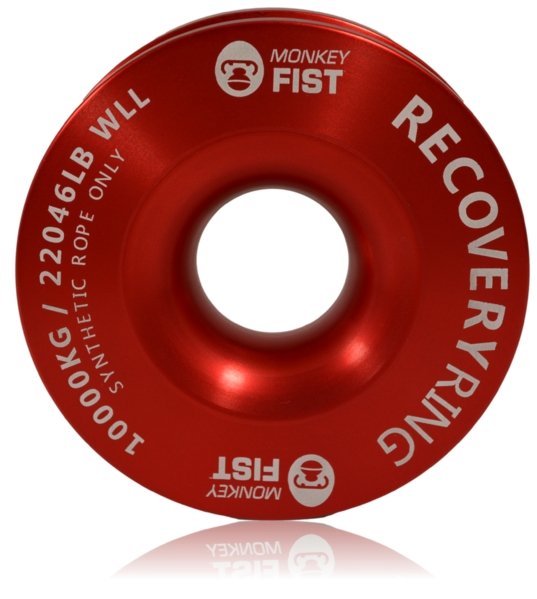
Credit: www.ecvisionsound.com
Recovery Ring Vs. Snatch Block: Which Is Better?
Both tools have their place in off-road recovery. Here’s a quick side-by-side comparison:
| Aspect | Recovery Ring | Snatch Block |
|---|---|---|
| Weight | Lightweight | Heavy |
| Setup Time | Very Fast | Slower |
| Best For | Synthetic Rope | Steel Cable |
| Safety | Higher (less mass, soft shackles) | Lower (more mass, steel) |
A recovery ring is preferred for lightweight, quick setups with synthetic winch ropes. Snatch blocks are better for heavy-duty, high-load situations, especially when steel cable is used.
Two Insights Most Beginners Miss
- Anchor strength matters: Many focus on the recovery ring but forget that the anchor point must be stronger than the forces involved. Weak anchors can fail, causing dangerous accidents.
- Soft shackle compatibility: Not all soft shackles fit all recovery rings. Always check that your shackle’s diameter matches the ring’s groove and load rating.
Real-world Example
On a recent trip in the Australian outback, a group used a recovery ring to rescue a Land Cruiser stuck in deep sand. The recovery ring, paired with a synthetic rope and a strong tree as an anchor, allowed a safe and quick recovery without heavy equipment.
The lightweight setup was easy to pack and saved valuable space, showing why recovery rings are a popular choice among modern off-roaders.
For more technical information on off-road recovery gear, see this guide from 4WDing Australia.
Frequently Asked Questions
What Is The Maximum Load A Recovery Ring Can Handle?
Most recovery rings are rated between 10,000 kg and 20,000 kg (22,000-44,000 lbs), but always check the manufacturer’s specifications for your ring.
Can I Use A Recovery Ring With A Steel Winch Cable?
No, recovery rings are designed only for synthetic winch ropes. Steel cables can damage the ring and are unsafe.
Are Recovery Rings Safer Than Snatch Blocks?
Generally, yes. Recovery rings are used with soft shackles and synthetic ropes, which are lighter and less likely to cause injury if they break.
How Often Should I Inspect My Recovery Ring?
Check your recovery ring before every use for cracks, wear, or damage. Also, inspect your soft shackles and winch rope regularly.
Do Recovery Rings Work For All Vehicles?
Recovery rings are suitable for most 4x4s, SUVs, and light trucks using synthetic winch ropes. For very heavy vehicles or commercial recovery, a snatch block may be more appropriate.
A recovery ring is a simple but powerful tool that makes off-road recovery safer, lighter, and more efficient. As more off-roaders switch to synthetic winch ropes, recovery rings are quickly becoming a must-have in every recovery kit. Choose wisely, use safely, and you’ll be ready for whatever the trail throws your way.
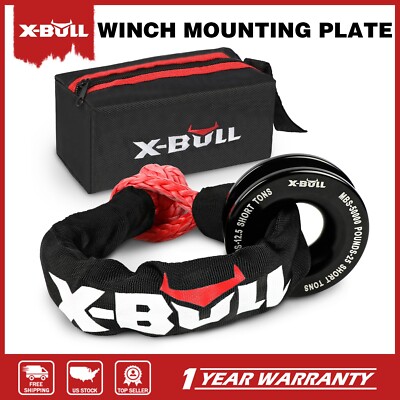
Credit: www.ebay.com
Related posts
 Why You Should Use a Foam Cannon for Car Washing: Ultimate Guide
Washing your car is more than just making it look good. It protects the paint, keeps the value high, and makes driving feel better. But if…
 How to Clean Leather Seats Without Damaging Them: Expert Tips
Keeping your leather seats clean can be a challenge. Leather looks beautiful and feels luxurious, but it needs special care. Many people worry about damaging their…
 Why Using a Ceramic Coating Spray is Important for Your Car’s Shine
If you care about your car’s appearance and value, you probably wash and wax it regularly. But did you know there’s a better way to protect…