Why You Need a Snatch Block for Winching: Boost Recovery Power
If you use a winch, you’ve probably seen or heard about a snatch block. Some people think it’s just another accessory, but it’s actually one of the most powerful tools you can add to your recovery kit. Whether you’re off-roading in deep mud, hauling a heavy load, or simply want to get more from your winch, understanding why you need a snatch block can save you time, effort, and even money. Let’s look at what makes this simple device so essential, and how it can make winching safer and more effective.
What Is A Snatch Block?
A snatch block is a type of pulley with a side plate that opens, allowing you to insert a winch cable quickly. It changes the direction of the cable and multiplies the pulling power. Most snatch blocks are made from steel and have a strong, smooth wheel inside. They come in different sizes to match different winch capacities.
For example, if your winch is rated for 9,000 lbs, you’ll want a snatch block rated at least to that weight. Some snatch blocks can handle loads up to 20,000 lbs or more.
Key Benefits Of Using A Snatch Block
Let’s break down why a snatch block is so valuable for anyone who uses a winch.
1. Doubles Your Winching Power
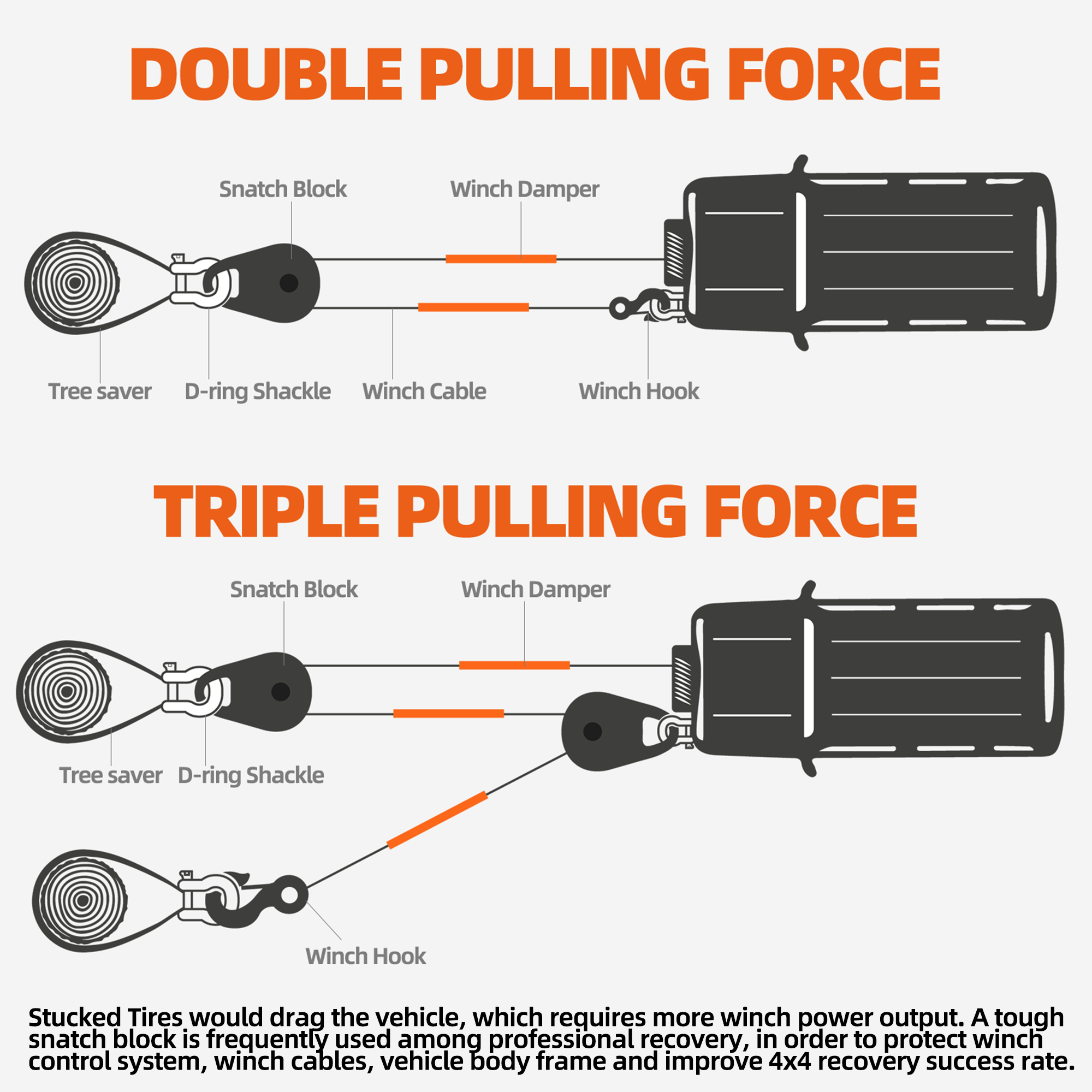
One of the main reasons to use a snatch block is to increase pulling power. When you run your winch cable through the snatch block and back to your vehicle (called a “double line pull”), you can almost double the force your winch can create. For instance, a 9,000 lb winch can pull close to 18,000 lbs with this setup.
This makes a huge difference when you’re stuck in thick mud, deep snow, or trying to move a heavy object that’s not budging. It’s also helpful if your winch is small for your vehicle or the job at hand.
2. Reduces Winch Strain And Heat
A snatch block splits the work between the winch and the pulley. This means your winch motor doesn’t have to work as hard. Less strain means lower risk of overheating and less wear on gears and cables. Over time, this keeps your winch in better shape and can extend its life by years.
3. Changes Pulling Direction
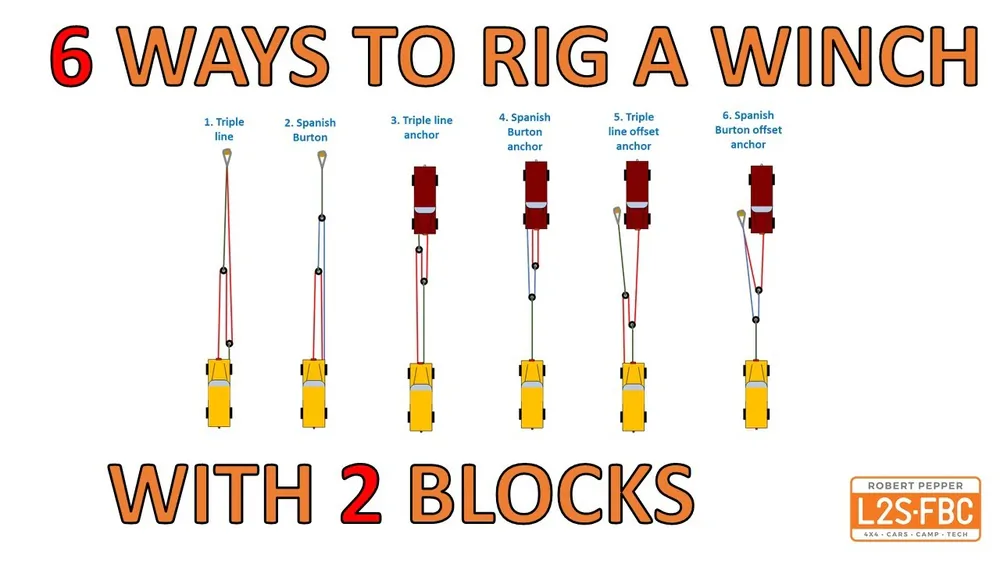
Sometimes, you can’t get a straight line between your winch and the anchor point. Maybe there’s a tree off to the side, or you need to pull a vehicle around a corner. By running your winch line through a snatch block attached to a side anchor, you can pull from different angles without damaging your cable or putting stress on your winch.
This flexibility is especially useful in tight spots or when recovering vehicles off-road.
4. Helps With Complex Recoveries
A snatch block lets you set up more advanced recovery techniques. You can use multiple snatch blocks for even more power or to guide the winch line over obstacles. Recovery teams often use two or three snatch blocks to move very heavy loads, like rolled-over trucks or construction equipment.
5. Increases Safety
Winching can be dangerous if the cable snaps or something breaks. By using a snatch block to reduce the load, you lower the risk of equipment failure. The snatch block also spreads the force more evenly, making the whole system safer for everyone nearby.
6. Saves Battery Power
When your winch doesn’t have to work as hard, it uses less electricity. This is important if you’re relying on your vehicle’s battery in a remote area. Using a snatch block can help you avoid draining your battery too quickly.
Credit: www.alltopusa.com
How A Snatch Block Works: A Closer Look
Here’s a simple example to explain how a snatch block multiplies your winch’s pulling power:
| Setup | Winch Line | Pulley Use | Resulting Pull Power |
|---|---|---|---|
| Single Line | Straight to object | No | 100% (e.g., 9,000 lbs) |
| Double Line | Through snatch block, back to vehicle | Yes | ~200% (e.g., 18,000 lbs) |
Notice how the double line pull nearly doubles the effective power. This is why it’s so useful for difficult recoveries.
Choosing The Right Snatch Block
Not all snatch blocks are the same. Here are a few things to look for when choosing one:
- Rated Capacity: Always pick a snatch block rated for at least the same weight as your winch. Go higher if possible.
- Cable Size: Check that the snatch block fits your winch cable’s diameter.
- Build Quality: Look for hardened steel or heavy-duty aluminum. Plastic or cheap metal may fail under stress.
- Grease Fittings: Some snatch blocks come with grease fittings to keep the wheel spinning smoothly.
- Ease of Use: A side-opening plate makes it faster to insert the cable.
Here’s a quick comparison of popular snatch block types:
| Type | Material | Typical Capacity | Best For |
|---|---|---|---|
| Steel | Hardened Steel | 8,000–20,000 lbs | Heavy-duty, off-road |
| Aluminum | Machined Aluminum | 6,000–15,000 lbs | Lightweight, easy transport |
| Plastic/Composite | Reinforced Plastic | Up to 8,000 lbs | Light use, emergencies |

Credit: overlandvehiclesystems.com
Real-world Example
Let’s say your SUV is stuck in deep mud and your 10,000 lb winch can’t move it. You anchor a snatch block to a tree, run the cable through it, and back to your vehicle. Suddenly, you have almost 20,000 lbs of pulling force.
The winch motor stays cooler, the battery lasts longer, and you get out safely.
Two Insights Beginners Miss
- Cable Wear is Reduced: By allowing the cable to move smoothly and not bend sharply, a snatch block helps avoid premature cable breakage. Many beginners skip this and end up replacing cables more often.
- Anchor Point Flexibility: You’re not limited to what’s straight ahead. A snatch block lets you use anchor points off to the side, making recovery much easier in forests or rocky terrain.

Credit: www.youtube.com
Common Mistakes To Avoid
- Using a snatch block with a lower rating than your winch
- Not inspecting the pulley for damage before use
- Letting the cable rub against the sides, which can cause fraying
- Forgetting to grease the snatch block for smooth operation
How To Use A Snatch Block Safely
- Wear gloves to avoid hand injuries.
- Check your gear before each use.
- Attach the snatch block to a strong anchor (like a tree, using a tree saver strap).
- Feed the winch cable into the snatch block wheel.
- Close the side plate securely.
- Run the cable back to your vehicle or the object being moved.
- Stand clear and use a winch line dampener for extra safety.
For detailed guidance, visit the Wikipedia Snatch Block page.
Frequently Asked Questions
What Is The Main Purpose Of A Snatch Block In Winching?
The main purpose is to increase winching power and allow for more flexible cable routing, making tough recoveries easier and safer.
Can I Use Any Snatch Block With My Winch?
No. Always use a snatch block with a rated capacity equal to or higher than your winch. Mismatched equipment can be dangerous.
Does A Snatch Block Work With Synthetic Winch Rope?
Yes, but make sure the snatch block’s wheel is smooth and free of sharp edges to avoid damaging synthetic rope.
How Often Should I Inspect My Snatch Block?
Check your snatch block before every use for cracks, rust, or wheel damage. Clean and lubricate it regularly for best results.
Can A Snatch Block Be Used For Lifting As Well As Pulling?
Some snatch blocks are rated for both lifting and pulling, but always check the manufacturer’s guidelines. Not all are suitable for overhead lifting.
A snatch block is not just an accessory—it’s a must-have tool for anyone who wants to get the most from their winch. It multiplies your power, keeps your equipment safer, and helps you handle tricky recoveries with confidence. If you want to protect your investment and stay ready for any challenge, make sure a quality snatch block is in your winching kit.
Related posts
 Why You Should Use a Foam Cannon for Car Washing: Ultimate Guide
Washing your car is more than just making it look good. It protects the paint, keeps the value high, and makes driving feel better. But if…
 How to Clean Leather Seats Without Damaging Them: Expert Tips
Keeping your leather seats clean can be a challenge. Leather looks beautiful and feels luxurious, but it needs special care. Many people worry about damaging their…
 Why Using a Ceramic Coating Spray is Important for Your Car’s Shine
If you care about your car’s appearance and value, you probably wash and wax it regularly. But did you know there’s a better way to protect…