
How to Choose Safe Running Boards for Jeep Wrangler
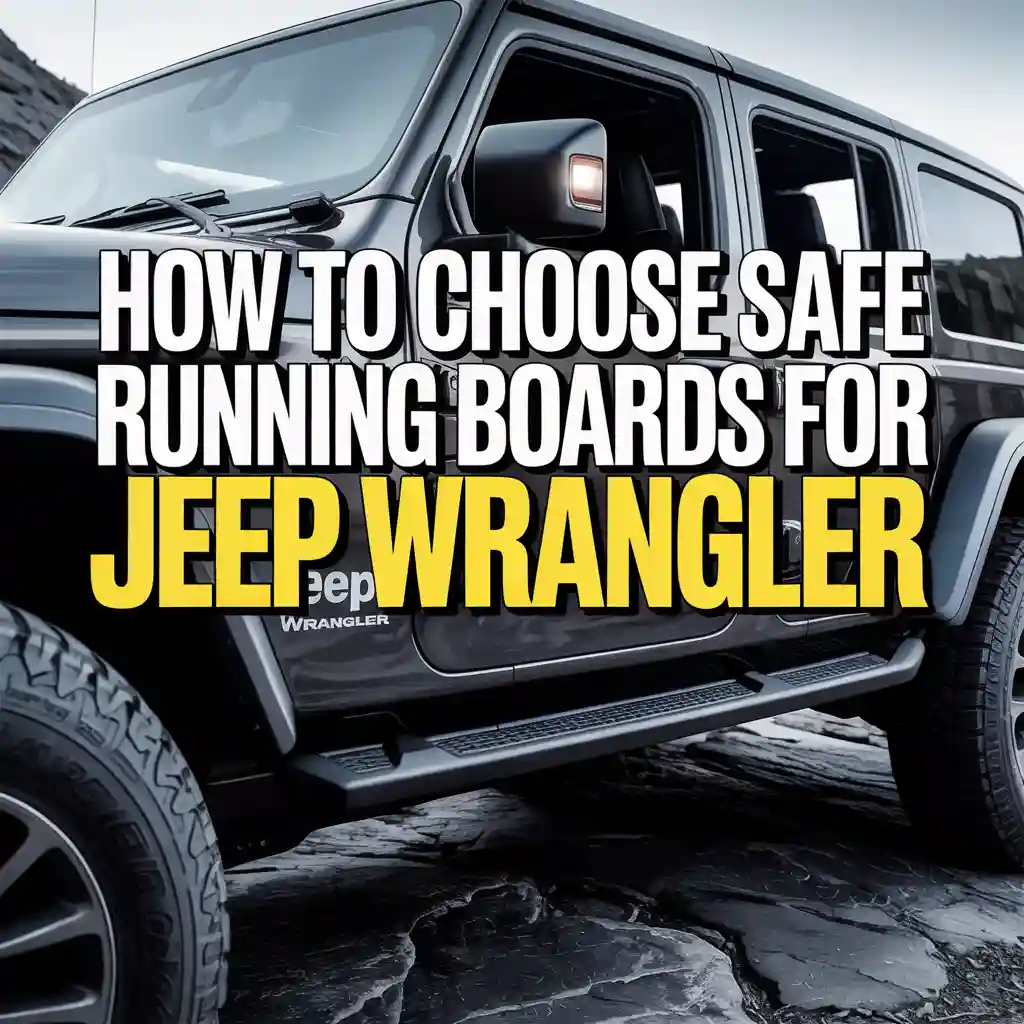
Choosing safe, strong, and practical running boards helps you step in and out of your Jeep more easily. This guide shows you how to choose running boards for Jeep Wrangler that fit your needs, driving habits, terrain use, and safety goals. You will learn how the materials, bracket strength, step width, and finish affect long term performance and comfort.
Why choosing the right boards matters
Real use shows how important the right boards can be. A wide board improves footing during rain. A textured surface lowers the chance of slipping on mud. Strong brackets keep the board steady and reduce shake on rough roads. A few companies publish tests showing that weak brackets bend by 3 to 7 mm after repeated off-road bumps. That small bend may look harmless but it affects the board angle and footing confidence.
Below is a simple guide that helps you measure your Jeep, compare typical board styles, match materials with your climate, and pick a safe option for daily use or off-road trips.
“Confidence comes from choosing gear that supports your driving habits.” — Mark Allen
Materials that affect strength and safety
Running boards for Jeep Wrangler come in several material choices. Each one affects grip, durability, and stability.
Steel boards
Steel is strong and heavy. Many off-road drivers prefer it for durability. Most steel boards resist small dents from rocks better than aluminum. Good steel boards use powder coating that slows rust. In wet or coastal areas, steel boards need regular checks to prevent rust on the welds.
Aluminum boards
Aluminum is lighter than steel. It is a common choice for city driving because it cuts weight. Less weight helps your suspension work smoothly. High grade aluminum boards often hold up well against rain. They rarely rust but can scratch more easily.
Hybrid boards
Some brands mix steel brackets with an aluminum step. This style gives you strong support with reduced weight.
Quick recommendations by scenario
| Scenario | How often to check | Notes |
|---|---|---|
| Daily city driving | Every 30 days | Focus on lightweight boards |
| Rainy climate | Every 20 days | Strong anti slip texture helps |
| Off road driving | Every 10 days | Steel brackets give best support |
| Coastal areas | Every 20 days | Look for corrosion resistant finish |
Bracket design and why it matters
A running board is only as strong as its bracket system. Strong brackets distribute weight across anchor points. Weak brackets shift slightly during climbing, which creates long term looseness.
A few engineering notes from SEMA parts reports show that many Jeep accessories lose 1 to 3 mm of bracket tightness after thousands of entry steps. This small shift affects grip confidence. Rain and cold weather also affect bracket metals. Temperatures dropping from 25°C to 5°C cause metal to contract slightly, which can loosen bolts over time. Drivers should retighten them once every month.

Step width and surface texture
Step width
A good running board gives enough room for your foot. Many safe boards use 4 to 6 inches of surface width. Off-road users often pick 6 to 8 inches for more stability on mud.
Surface texture
Texture affects grip. Raised rubber pads help a lot on rainy days. Some boards use patterned aluminum for better traction.
Dirt and mud retention
If you drive on trails, look for open gaps that let mud fall through. If mud builds up, grip drops sharply.
“Your footing is your first safety tool on a lifted vehicle.” — Jason Clark
Length and fit by Wrangler model
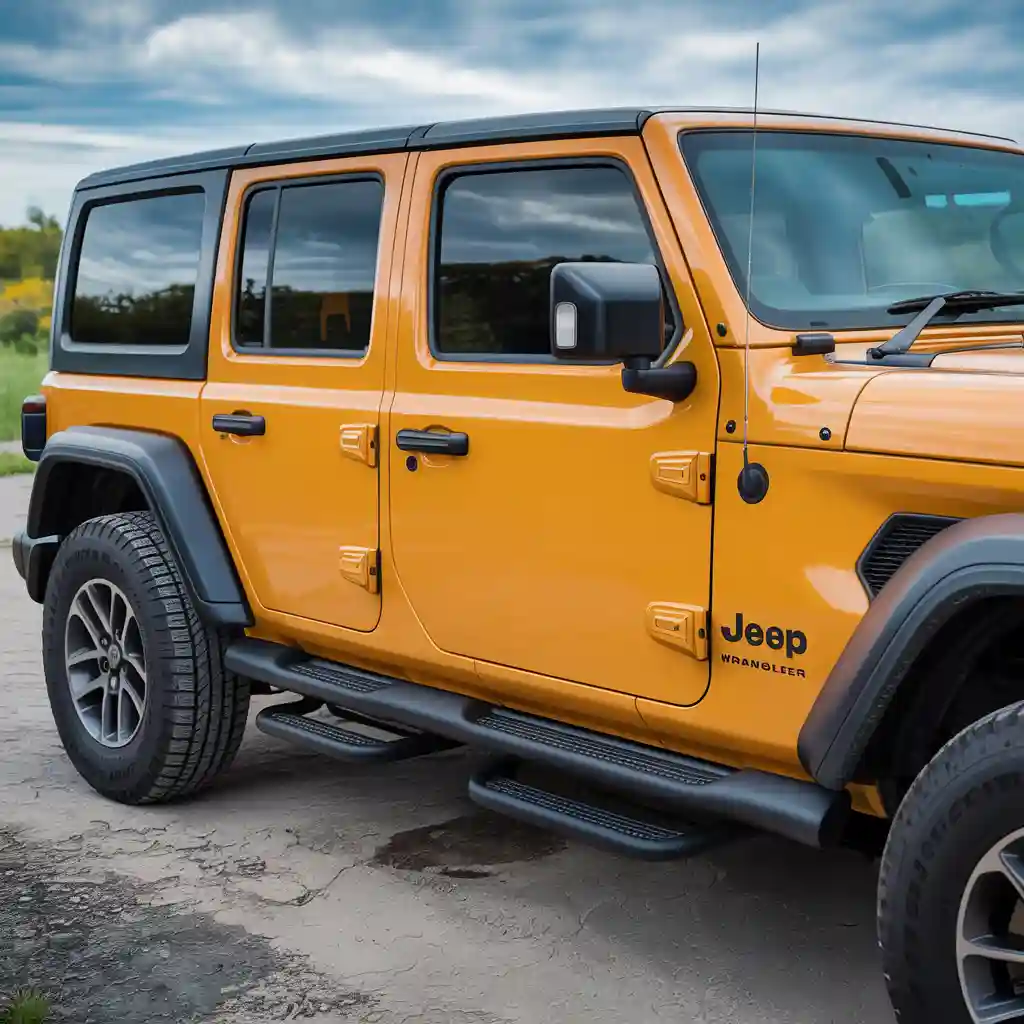
Running boards for Jeep Wrangler vary by body type. A 2-door model uses shorter boards than a 4-door Unlimited. Matching the exact length gives your Jeep cleaner lines and better stability.
JL models
JL models built after 2018 use updated mounting points. Most major brands now match these points. Always confirm bracket placement before buying.
JK models
JK models built between 2007 and 2017 use different holes. Some boards claim “universal fit,” but universal versions often require drilling.
Older models
Older models may have rusted mount holes. Clean the area before installation to avoid bolt slip.
Fit comparison by model and board type
| Wrangler Model | Typical Board Length | Bracket Fit Notes |
|---|---|---|
| JL 2 door | 60 to 65 inches | Direct fit options common |
| JL 4 door | 70 to 75 inches | Works best with model specific boards |
| JK 2 door | 55 to 60 inches | Some require drilling |
| JK 4 door | 70 to 72 inches | Check bolt spacing carefully |
Common mistakes to avoid
- Choosing a board that looks good but has weak brackets
Fix: Check the bracket thickness and anchor points. - Buying narrow boards that reduce footing room
Fix: Aim for 4 to 6 inches minimum. - Forgetting to check corrosion resistance
Fix: Powder coated steel lasts longer. - Ignoring your climate
Fix: Wet areas need strong anti slip pads. - Picking universal boards
Fix: Use model specific boards for best fit.
Tips for long term safety
Measure your Jeep before you buy. Check reviews that mention grip in rain. Ask sellers about bracket thickness. Clean the boards every 2 weeks. If you hear a rattle, retighten bolts right away.
“Small checks save you from bigger problems later.” — David Stone
Seasonal checklist for better footing
Summer
Heat weakens some rubber pads. Wipe them every 5 days if exposed to long sun hours. Dust also reduces traction, so a quick brush helps.
Rainy season
Check the grip texture every 7 days. Mud gathers fast under the step. Wash the underside often.
Winter
Metal contracts in cold weather. Retighten bolts every 20 days. Ice forms on smooth surfaces, so pick textured designs.
Coastal months
Salt air affects steel first. Rinse boards with fresh water after long beach drives.
FAQs
1. Do running boards affect ground clearance?
Slightly. Most boards reduce clearance by 1 to 2 inches. For frequent off road use, pick high fit boards.
2. Are aluminum boards strong enough for heavy use?
Good aluminum boards hold enough weight for daily entry. For rough trails, steel brackets help more.
3. Should I install boards myself or use a shop?
DIY works if the board fits your model. Shops help with rusted bolts or older Wranglers.
4. How do I stop rust on steel boards?
Clean them often. Touch up chipped paint quickly.
5. What width is safest in rain?
A 6 inch textured board gives confident footing during wet weather.
6. Do boards help kids and older passengers?
Yes. Wider boards with good grip make entry smoother.
7. How long do running boards last?
Most last 3 to 6 years depending on climate, cleaning, and driving habits.
8. Are universal boards a bad idea?
They often require drilling and may not align perfectly.
9. How often should I check bolts?
Every 30 days for city driving. Every 10 days for off road.
10. Do boards increase fuel use?
Small effect. Added weight and airflow drag may raise fuel use slightly, often less than 2 percent.

Conclusion
Choosing running boards for Jeep Wrangler takes simple checks. Pick a safe width. Match materials with your climate. Confirm bracket strength. Clean them often and tighten bolts every month. Keep a small inspection routine so your footing stays secure.
Always check the model sticker to confirm fit. Keep a compact tool kit and a small flashlight in your glove box. This small habit makes every check easy and keeps your running boards safe for years.
Related posts
 Why You Should Use a Foam Cannon for Car Washing: Ultimate Guide
Washing your car is more than just making it look good. It protects the paint, keeps the value high, and makes driving feel better. But if…
 How to Clean Leather Seats Without Damaging Them: Expert Tips
Keeping your leather seats clean can be a challenge. Leather looks beautiful and feels luxurious, but it needs special care. Many people worry about damaging their…
 Why Using a Ceramic Coating Spray is Important for Your Car’s Shine
If you care about your car’s appearance and value, you probably wash and wax it regularly. But did you know there’s a better way to protect…