
How to Properly Maintain Your Winch Snatch Recovery Gear Efficiently
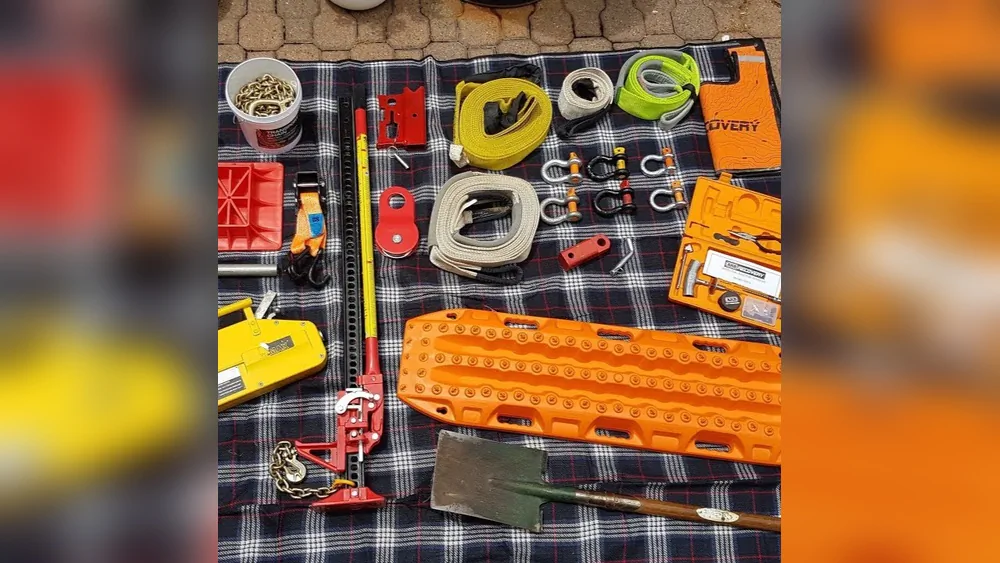
Maintaining your winch snatch recovery gear is not just about keeping your equipment looking good. Proper maintenance means your gear is ready for action when you need it most—whether you’re off-roading in the wild, recovering a friend’s stuck truck, or handling heavy loads at work. If you let dirt, rust, or damage go unnoticed, you risk failure during a critical recovery. The good news? With some practical habits and regular attention, you can extend the life of your gear and keep every recovery safe and efficient.
Why Proper Maintenance Matters
Every recovery operation depends on reliable equipment. Winches and snatch gear face tough conditions—mud, water, sand, and heavy pulling forces. Over time, even the best gear can suffer from neglect. Small problems like fraying, rust, or dirt build-up can quickly become serious issues. A well-maintained kit not only works better, but it can prevent accidents and costly replacements.
Most beginners focus only on cleaning after use. But true maintenance goes further: inspection, storage, lubrication, and knowing when to replace parts. These small steps save money and might even save a life in a tough spot.
Understanding Your Recovery Gear
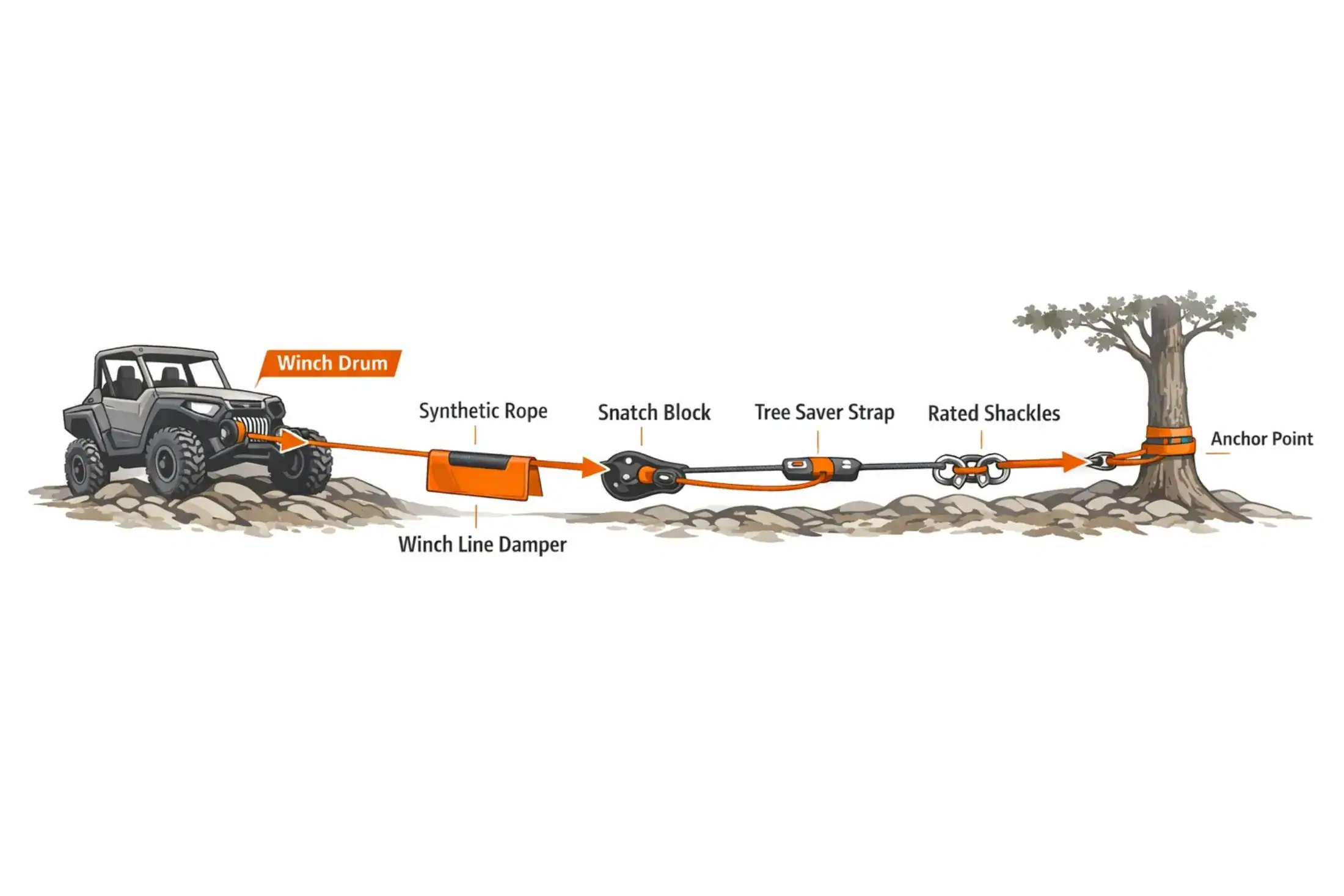
Let’s break down the main parts of a standard winch snatch recovery kit. Each item needs different care:
- Winch (electric or hydraulic)
- Snatch block/pulley
- Recovery straps (snatch straps, tree trunk protectors)
- D-shackles or soft shackles
- Gloves
- Winch line (steel cable or synthetic rope)
- Recovery damper
Not all kits are the same, but most include these basics. How you maintain each item depends on its material and use.
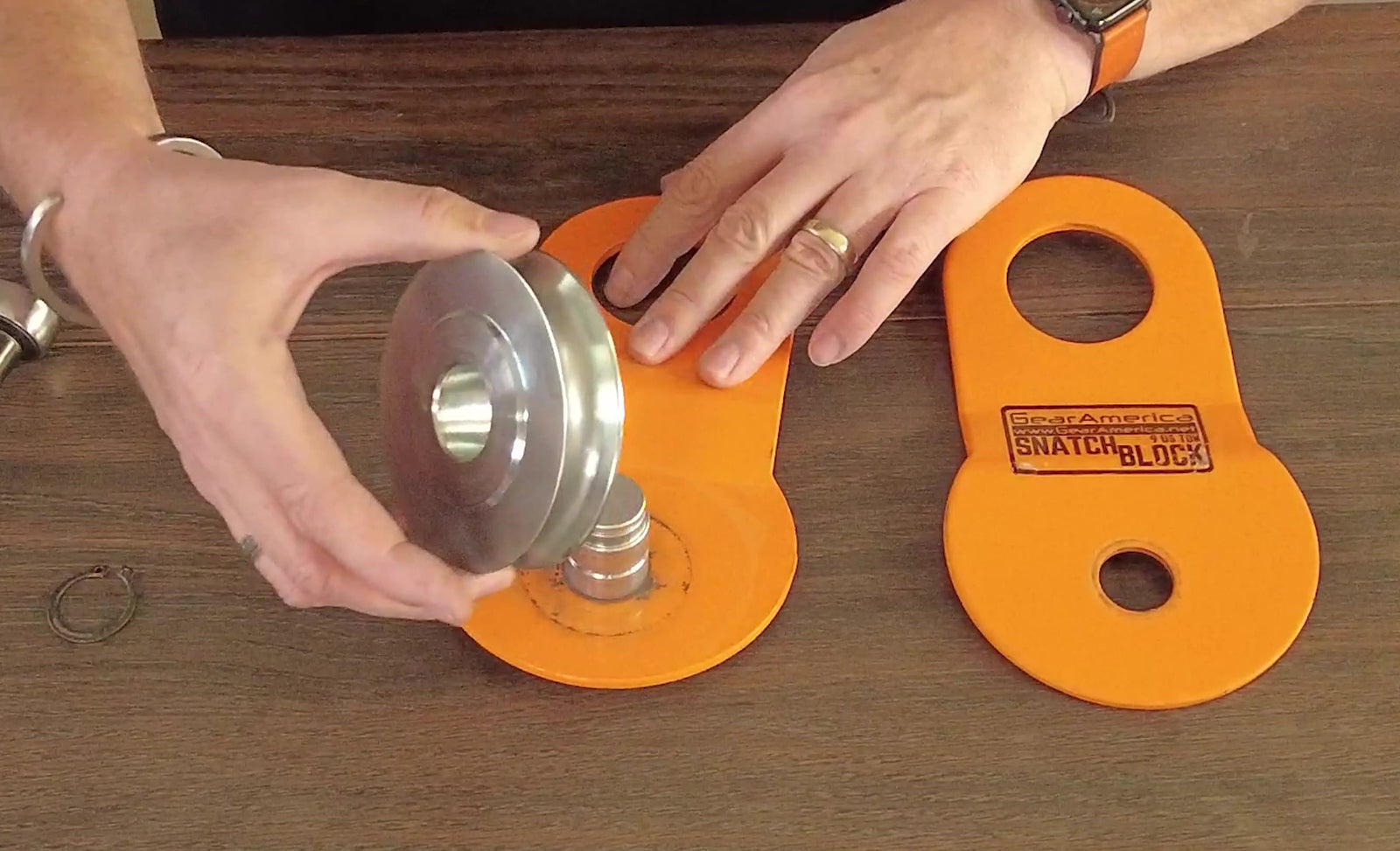
Credit: www.gearamerica.com
Cleaning Your Gear After Every Use
The first step in maintenance is always cleaning. Dirt and grit are the enemy of all recovery gear—especially moving parts and fibers.
- Winch and Snatch Block: Use a stiff brush to remove mud and debris. Rinse with clean water, especially if you drove through salt water. Dry thoroughly to prevent rust.
- Recovery Straps and Ropes: Lay straps flat and rinse with cool water. Do not use hot water or harsh chemicals—they can weaken fibers. Hang to dry out of direct sunlight.
- Shackles and Metal Parts: Wipe down with a rag. If exposed to salt or chemicals, rinse and dry. Spray a light lubricant to prevent corrosion.
- Gloves and Dampers: Wash gloves according to their material (leather or synthetic). Check for embedded metal splinters. Clean dampers with water and let them air dry.
Pro Tip: Never store gear when it’s wet or muddy. Mold, rust, and rot set in fast.
Inspection: What To Check Before And After Every Use
Thorough inspection is the secret to long-lasting recovery gear. Don’t just glance—look closely for warning signs.
Winch
- Check for loose bolts or mounting points.
- Inspect the winch drum for cracks or warping.
- Test the remote control and electrical connections.
- Listen for unusual noises during operation.
Snatch Block
- Spin the pulley. It should move freely without grinding.
- Look for cracks, bent side plates, or missing pins.
- Check the grease fitting—apply fresh grease if needed.
Recovery Straps And Ropes
- Run your fingers along the strap. Feel for cuts, fraying, or melted spots.
- Look for faded color or stiffness—signs of UV damage.
- Check the end loops and stitching for wear.
Shackles
- Inspect for cracks, bent pins, or thread damage.
- Confirm the pin screws in and out smoothly.
- If using soft shackles, check for fuzzing or core damage.
Gloves And Dampers
- Look for tears, holes, or worn palms in gloves.
- Examine dampers for splits, broken seams, or missing reflective strips.
Non-Obvious Insight: Many beginners overlook UV damage—sunlight weakens synthetic straps and ropes over time. Store them away from direct sunlight whenever possible.
Lubrication And Moving Parts
Not all recovery gear needs lubrication, but some items do:
- Snatch blocks: Grease the pulley bearing regularly, especially after use in water or mud.
- Winch cable (steel): Wipe with a light oil or cable lube. This prevents rust and keeps the cable flexible.
- Winch gears: Follow the manufacturer’s guide. Some winches have service ports for grease.
Never lubricate synthetic ropes or straps—oil can damage them.
Proper Storage For Longevity
How and where you store your gear is just as important as cleaning.
- Keep everything dry. Moisture causes rust and rot.
- Use a ventilated bag or box for straps and ropes.
- Store metal parts separately from fabric gear. This avoids abrasion.
- Coil ropes and straps loosely. Don’t bend or kink them tightly—this weakens fibers.
- Label gear if you have several items. This prevents confusion and makes inspection easier.
Comparing Storage Options
Here’s a quick look at common storage methods:
| Storage Method | Pros | Cons |
|---|---|---|
| Ventilated Gear Bag | Prevents moisture, easy to carry | Needs cleaning, limited protection from impact |
| Plastic Bin | Protects from water, stackable | Can trap moisture, not breathable |
| Mounted in Vehicle | Quick access, secure | Exposed to temperature swings, vibration |
Credit: atvnotes.com
When To Replace Your Recovery Gear
Even the best care won’t make gear last forever. Knowing when to retire a strap or shackle is a key part of maintenance.
Signs To Replace
- Winch cable: Broken wires (steel), flat spots, heavy rust, or visible core (synthetic).
- Straps/ropes: Cuts deeper than 10% of the width, melted fibers, or major fraying.
- Shackles: Cracks, obvious bends, or threads that won’t close fully.
- Snatch block: Worn pulley groove, bent side plates, or seized bearings.
Non-Obvious Insight: Always replace gear that has been shock-loaded (stretched suddenly and heavily) even if it looks fine. Internal damage may not show, but strength is lost.
Special Tips For Steel Vs. Synthetic Winch Lines
Each type of winch line needs different care.
Steel Cable
- Clean with a wire brush and wipe with oil.
- Wear gloves—broken wires can cause injury.
- Never let the cable pile up unevenly on the drum.
Synthetic Rope
- Wash gently with water and mild soap.
- Avoid dragging across sharp edges.
- Inspect for cuts or heat damage after heavy pulls.
Practical Example: After a muddy recovery, synthetic rope may hold grit inside. Soak and flex it in a bucket of water to flush out particles.

Credit: www.borne.com
Protecting Your Gear In Extreme Conditions
If you operate in snow, sand, or salt water, your maintenance game must be stronger.
- Salt water: Rinse all gear immediately with fresh water. Salt speeds up rust and weakens fibers.
- Sand: Disassemble snatch blocks and clean out sand from bearings and moving parts.
- Freezing temperatures: Dry gear before storage. Water inside ropes can freeze and damage fibers.
- High heat/sun: Store gear in the shade or cover with UV-resistant bags.
| Condition | Key Threat | Maintenance Focus |
|---|---|---|
| Salt Water | Corrosion, fiber weakening | Rinse, dry, lubricate metal |
| Sand/Dust | Bearing wear, abrasion | Disassemble, clean, grease |
| Freezing | Fiber cracking, stiffness | Dry gear, flexible storage |
| Sun/Heat | UV damage, material breakdown | Shade storage, inspect color fade |
Common Maintenance Mistakes To Avoid
Many users make the same errors that shorten gear life:
- Storing wet gear: Leads to mold, rust, and fiber rot.
- Using harsh chemicals: Weakens straps and ropes.
- Ignoring small damage: Minor frays or rust can grow quickly.
- Tight winding: Over-bending straps or cables makes them brittle.
- Mixing metal and fabric gear: Causes abrasion and hidden cuts.
Avoiding these mistakes means your gear will be safer and last longer.
Record Keeping For Serious Off-roaders
If you use your winch snatch recovery kit often, keep a simple log:
- Date of each use
- Cleaning and inspection notes
- Parts replaced or repaired
This helps spot patterns and reminds you when gear is due for replacement.
Training And Practice
No amount of cleaning can fix poor technique. Make sure you and your team know how to use every item in the kit. Practice safe recovery in a controlled environment. If you’re unsure, look up tutorials from reputable sources or even take a recovery course. For more on winch safety, check out the detailed guides on the International 4WD Trainers Association.
Frequently Asked Questions
How Often Should I Inspect My Winch Snatch Recovery Gear?
Check your gear before and after every use. Even if you haven’t used it for a while, inspect all parts every few months for signs of damage, rust, or wear.
Can I Repair A Damaged Recovery Strap?
Minor surface frays can sometimes be trimmed, but any deep cut, melted area, or heavy wear means the strap should be replaced. Never sew or glue straps for recovery use—this is unsafe.
What’s The Difference Between Steel Cable And Synthetic Rope Maintenance?
Steel cables need regular lubrication and glove use. Synthetic ropes should be washed and kept away from sharp edges and chemicals. Both need thorough inspection for damage.
How Do I Clean A Snatch Block Properly?
Disassemble the block if possible. Brush off dirt, rinse with water, and let it dry. Apply fresh grease to the pulley bearing before reassembly.
Why Do I Need A Recovery Damper?
A recovery damper absorbs energy if a strap or cable breaks, reducing the risk of injury. Check the damper for tears or worn-out reflective strips before every trip.
—
Taking proper care of your winch snatch recovery gear is a habit that pays off every time you need it. Clean, inspect, and store your equipment right, and it will serve you well—making every recovery safer and more dependable. Don’t wait for a failure to learn the lesson; a little maintenance now saves big trouble down the track.
Related posts
 Why You Should Use a Foam Cannon for Car Washing: Ultimate Guide
Washing your car is more than just making it look good. It protects the paint, keeps the value high, and makes driving feel better. But if…
 How to Clean Leather Seats Without Damaging Them: Expert Tips
Keeping your leather seats clean can be a challenge. Leather looks beautiful and feels luxurious, but it needs special care. Many people worry about damaging their…
 Why Using a Ceramic Coating Spray is Important for Your Car’s Shine
If you care about your car’s appearance and value, you probably wash and wax it regularly. But did you know there’s a better way to protect…