
How to Fix Jeep Headlight Flicker: Quick and Easy Solutions
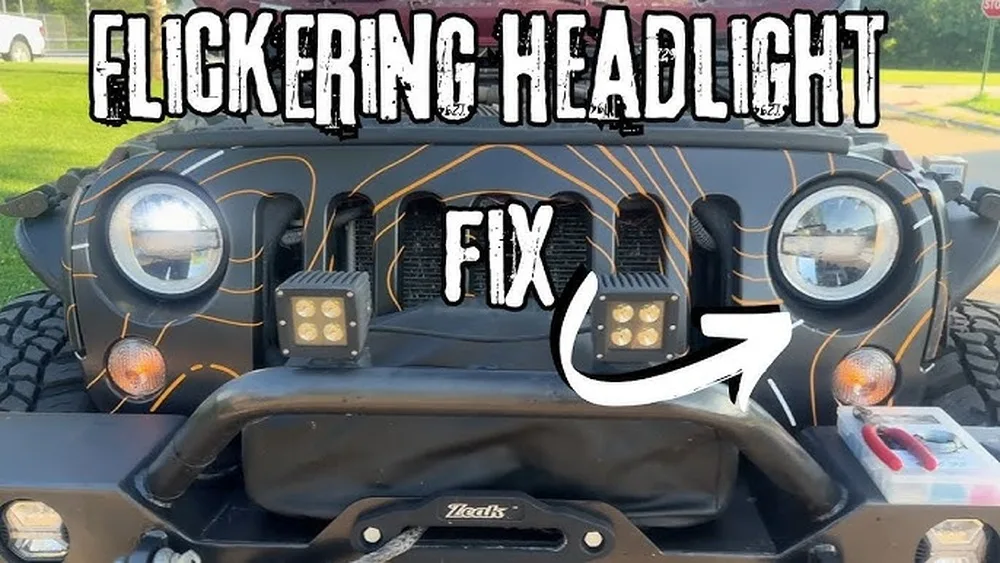
When you’re driving your Jeep at night and the headlights start to flicker, it can be both annoying and dangerous. Headlight flicker isn’t just a small inconvenience—it can signal bigger electrical issues, make it hard to see, and even lead to accidents.
For Jeep owners, this problem is surprisingly common, especially in older models or after installing aftermarket lights. But the good news is, you can often fix it yourself, even if you don’t have much experience with car repairs.
This guide will walk you through all the steps and checks you need to stop your Jeep headlight flicker for good. You’ll learn how to identify the cause, fix the problem, and even prevent it from happening again. Along the way, you’ll get practical tips, real examples, and answers to questions most people forget to ask. Let’s make your night drives safer and smoother.
What Causes Jeep Headlight Flicker?
Understanding the root cause is the key to fixing flickering headlights. The problem can come from one part, or sometimes a mix of issues. Here are the most common reasons:
- Loose electrical connections: Wires or connectors can become loose over time, especially if you drive on bumpy roads.
- Weak or failing battery: A battery that’s near the end of its life may not provide steady power.
- Faulty alternator: The alternator charges the battery and powers the electrical system. If it’s not working right, lights may flicker.
- Bad ground connection: A poor ground can disrupt the flow of electricity and cause flickering.
- Old or damaged bulbs: Headlight bulbs wear out and may start to flicker before they fail completely.
- Aftermarket LED/HID kits: These often draw less power and may not work well with the Jeep’s electrical system without extra parts.
- Failing headlight switch or relay: These control the lights, and a fault can cause inconsistent operation.
- Corroded or dirty connectors: Dirt, rust, or corrosion can block the electrical signal.
- Faulty wiring harness: Damaged wires can cause intermittent power loss.
Some of these issues are simple to spot, while others need more careful checking. Many Jeep owners miss the role of poor ground connections or forget to check for corrosion inside connectors—these are two of the biggest hidden causes.
Tools And Materials Needed
Before you start, gather the right tools. Having these on hand will make the process faster and less frustrating:
- Screwdrivers (Phillips and flathead)
- Socket set and ratchet
- Wire brush or sandpaper (for cleaning contacts)
- Multimeter (to check voltage and continuity)
- Dielectric grease (to protect connections)
- Replacement bulbs (halogen or LED, matching your Jeep’s specs)
- Electrical tape or heat-shrink tubing
- Zip ties (for securing wires)
- Gloves and safety glasses
If you plan to test or replace the battery or alternator, you may also need a battery tester or alternator test tool.
Step-by-step Guide To Fix Jeep Headlight Flicker
Let’s go through the most effective troubleshooting and repair process. Follow these steps in order—starting with the easiest and most common fixes.
1. Check The Headlight Bulbs
Start by inspecting the headlight bulbs themselves. Flicker can happen if the filament is loose (in halogen bulbs) or if an LED driver is failing.
- Turn off the headlights and let them cool down.
- Remove the bulb from the housing.
- Look for any dark spots, broken filaments, or signs of damage.
- For LEDs, look for flickering when you gently tap the bulb (use gloves).
If you see any damage, replace the bulbs with new ones that match your Jeep’s requirements.
2. Inspect And Clean Electrical Connections
Loose or corroded connectors are a main cause of flickering.
- Unplug the headlight connectors.
- Check for bent pins, rust, or green corrosion.
- Use a wire brush or sandpaper to clean contacts.
- Apply a small amount of dielectric grease before reconnecting.
Don’t forget to check the connections at the fuse box and the headlight switch.
3. Test The Battery
A weak battery can cause headlight flicker, especially when using other electrical features (like the heater or stereo).
- Use a multimeter to check the voltage. A healthy battery should read around 12.6 volts with the engine off.
- With the engine running, it should read 13.7 to 14.7 volts.
If the battery is below these values, charge it fully and retest. If it still reads low, it may need replacing.
Battery Voltage Quick Reference
| Battery Voltage (Engine Off) | Condition |
|---|---|
| 12.6V or higher | Fully charged |
| 12.4V – 12.6V | Partially charged |
| Below 12.4V | Needs charging/replacement |
4. Test The Alternator
A failing alternator can supply uneven power, causing flicker.
- Start the engine and turn on the headlights.
- Use a multimeter to check voltage at the battery terminals.
- Voltage should be steady between 13.7V and 14.7V.
- If the voltage jumps around or drops below 13.7V, the alternator may need repair.
If you hear whining noises or see your battery warning light, this is a strong sign of alternator trouble.
5. Check The Headlight Ground
Most Jeep headlights use a ground wire to complete the circuit. A bad ground causes many flicker problems.
- Locate the ground wire (usually black) from the headlight harness.
- Find where it bolts to the body or frame.
- Remove the bolt and clean the contact point with sandpaper.
- Reattach tightly and test the lights.
If your flicker disappears, you’ve found the problem.
6. Inspect The Headlight Relay And Switch
Relays and switches wear out over time.
- Find the headlight relay in your Jeep’s fuse box (check your manual).
- Swap it with a similar relay (like for the horn) to see if the problem moves.
- If so, replace the relay.
- If the switch feels loose or works only sometimes, replace it.
7. Look For Aftermarket Lighting Issues
If you’ve installed LED or HID kits, they may not work well with the Jeep’s original wiring. These lights may need extra parts called anti-flicker harnesses or CANbus adapters.
- Check your kit’s instructions.
- Try installing an anti-flicker harness if you notice flicker right after upgrading to LEDs/HIDs.
8. Inspect The Wiring Harness
Years of use, heat, and vibration can damage the wiring.
- Follow the wires from the headlights as far as you can.
- Look for cracked insulation, pinched wires, or melted spots.
- Repair any damaged wires with heat-shrink tubing or electrical tape.
9. Check For Unusual Electrical Loads
Adding extra lights, winches, or stereos can overload the electrical system.
- Disconnect extra accessories and see if the flicker stops.
- If so, you may need a wiring upgrade or higher-output alternator.
10. Replace The Headlight Fuse
Sometimes, a worn fuse makes a poor connection.
- Check your Jeep’s fuse diagram.
- Find the fuse for the headlights and replace it if it looks burnt or loose.
Preventing Headlight Flicker In The Future
Once you fix the problem, you want to keep it from coming back. Here are some practical ways to avoid headlight flicker on your Jeep:
- Regularly clean and inspect connectors: Dirt and corrosion build up slowly. Check every oil change.
- Use dielectric grease: This keeps moisture out and improves contact.
- Check battery and alternator health yearly: Replace old batteries before they fail.
- Install quality bulbs: Cheap bulbs often flicker or fail early.
- Use anti-flicker harnesses for LEDs/HIDs: Don’t skip this step if you upgrade your lights.
- Secure wiring away from heat and moving parts: Heat and vibration are the enemies of good connections.
- Don’t overload the electrical system: Plan before adding big accessories.
Many Jeep owners don’t realize that poor maintenance of connectors or using cheap bulbs can undo all the work they’ve done. Prevention saves time and money in the long run.

Credit: blog.betterautomotivelighting.com
Common Mistakes To Avoid
- Replacing bulbs before checking wiring and grounds.
- Ignoring small flickers—these often get worse quickly.
- Mixing different types of bulbs (halogen and LED) without checking compatibility.
- Forgetting to check the alternator when the battery seems fine.
- Using generic relays or fuses that don’t match Jeep specs.
When To Seek Professional Help
While most flickering issues can be fixed at home, some situations need an expert:
- You find melted or burnt wires.
- The problem comes back after all the fixes above.
- You notice other electrical issues (e.g., dashboard lights dimming, engine stalling).
- You’re not comfortable working with car wiring.
A good auto electrician can diagnose more complex problems using advanced tools.
Real-world Example
Jack owns a 2014 Jeep Wrangler. He noticed his headlights flickered on rough roads, especially at night. He replaced the bulbs, but the flicker continued. After following the steps above, he found a corroded ground point behind the right headlight. Cleaning it and applying dielectric grease solved the issue completely. Many Jeep owners have similar stories—ground connections and dirty connectors are often the hidden cause.
Headlight Flicker: Halogen Vs Led Vs Hid
The type of headlight you use can affect how likely you are to have flickering problems.
| Headlight Type | Flicker Risk | Common Solutions |
|---|---|---|
| Halogen | Low | Check bulb, wiring, and ground |
| LED | Medium to High | Add anti-flicker harness, check compatibility |
| HID | Medium | Use proper ballast, check wiring |
LED and HID setups often need extra steps to avoid flicker, especially in Jeeps with older wiring.

Credit: www.youtube.com
Quick Troubleshooting Reference
If you want a fast way to narrow down the cause, use this summary:
| Symptom | Likely Cause | First Step |
|---|---|---|
| Flicker at all times | Loose connection, bad ground | Check and clean connectors |
| Flicker with engine running | Alternator or battery | Test alternator and battery |
| Flicker after LED/HID upgrade | Compatibility issue | Add anti-flicker harness |
| Flicker on rough roads only | Loose wire or bulb | Secure wiring and bulb |
Frequently Asked Questions
Why Do My Jeep Headlights Flicker Only When Idling?
This usually points to a weak alternator or battery. When the engine idles, it produces less power. Test both with a multimeter. If the voltage drops below 13.7V at idle, consider having your alternator or battery checked by a mechanic.
Can Cheap Led Bulbs Cause Flicker?
Yes. Low-quality LEDs often lack the electronics needed to work smoothly with Jeep’s system. They may need extra parts like CANbus adapters or anti-flicker harnesses. Always buy bulbs designed for your Jeep model.
Is Headlight Flicker Dangerous?
Definitely. Flickering reduces your ability to see and be seen, especially at night or in rain. It can also signal bigger electrical problems that could affect other systems. Fix flicker as soon as you notice it.
Will A New Battery Always Fix Flickering Headlights?
Not always. A new battery helps if your old one was weak, but many flickers come from wiring, ground issues, or alternator problems. Always test before buying expensive parts.
Where Can I Learn More About Jeep Electrical Systems?
A great resource is the official Jeep service manual or trusted automotive sites such as Jeep Care. These offer wiring diagrams, troubleshooting steps, and repair tips for all Jeep models.
No one likes flickering headlights, but with the right tools and steps, you can solve the problem quickly and keep your Jeep safe on the road. Now you’re ready to tackle headlight flicker with confidence, whether it’s a quick fix or a deeper electrical issue.

Credit: offroadpassport.com
Related posts
 Why You Should Use a Foam Cannon for Car Washing: Ultimate Guide
Washing your car is more than just making it look good. It protects the paint, keeps the value high, and makes driving feel better. But if…
 How to Clean Leather Seats Without Damaging Them: Expert Tips
Keeping your leather seats clean can be a challenge. Leather looks beautiful and feels luxurious, but it needs special care. Many people worry about damaging their…
 Why Using a Ceramic Coating Spray is Important for Your Car’s Shine
If you care about your car’s appearance and value, you probably wash and wax it regularly. But did you know there’s a better way to protect…