Jeep Wrangler Lighting Upgrade Tips: Illuminate Your Ride Today
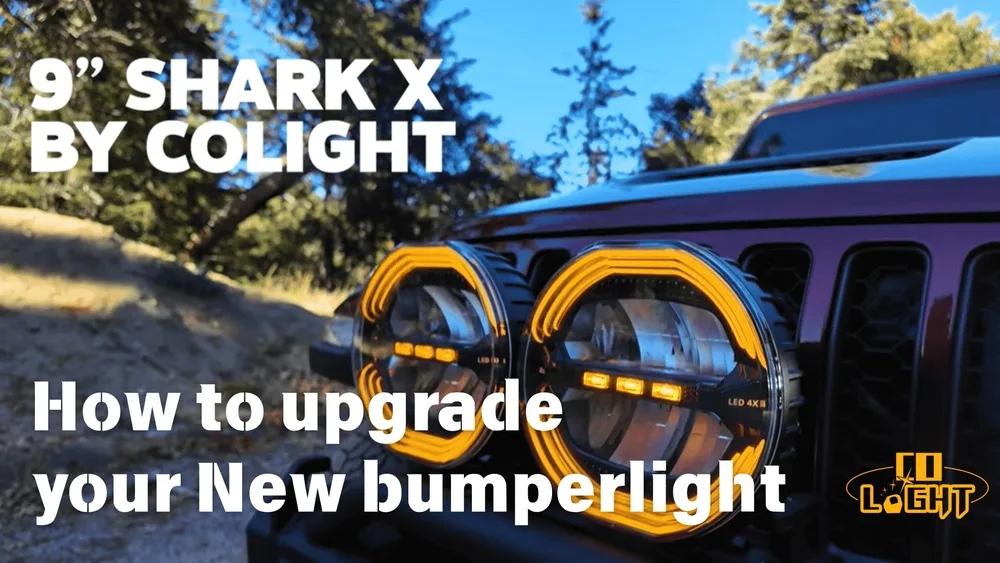
The Jeep Wrangler is known for its rugged style and off-road capability. But many owners quickly find the factory lighting can be lacking, especially when driving at night or on trails. Upgrading your Wrangler’s lighting is one of the most rewarding modifications you can make.
Not only does it improve safety, but it also gives your Jeep a unique look. If you’re thinking about enhancing your lighting setup, this guide will walk you through practical tips, common mistakes to avoid, and key details you should consider before buying or installing anything.
Why Upgrade Your Jeep Wrangler Lighting?
Stock Jeep Wrangler lights are designed for standard road use, not for extreme conditions. If you drive in rural areas, go off-roading, or just want better visibility, upgrading makes a big difference. Enhanced lighting means you can spot obstacles sooner and drive with more confidence. Plus, modern lighting upgrades often use LED technology, which is brighter and uses less energy than older bulbs.
Many Jeep owners also upgrade their lights for style reasons. There are endless choices for colors, shapes, and brightness levels, so you can make your Wrangler truly your own.
Understanding Your Lighting Options
Before you start replacing lights, it’s important to know what’s available and what fits your needs.
Headlights
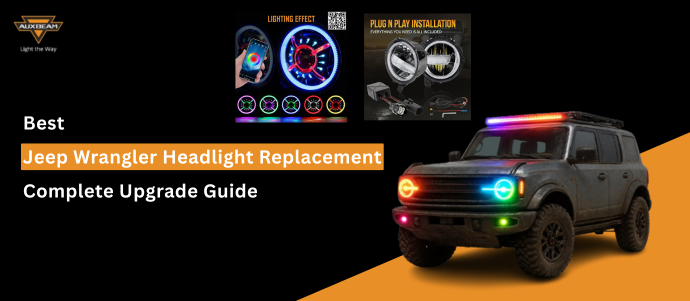
The most noticeable upgrade is switching from factory halogen headlights to LED or HID headlights. LED headlights offer better brightness, longer life, and a more modern look. HIDs are also brighter than stock, but they can be more expensive and sometimes require special installation kits.
Fog Lights
Upgrading fog lights improves your vision in rain, snow, or dust. Many aftermarket options fit directly into the factory housing, so installation is simple.
Off-road And Auxiliary Lights
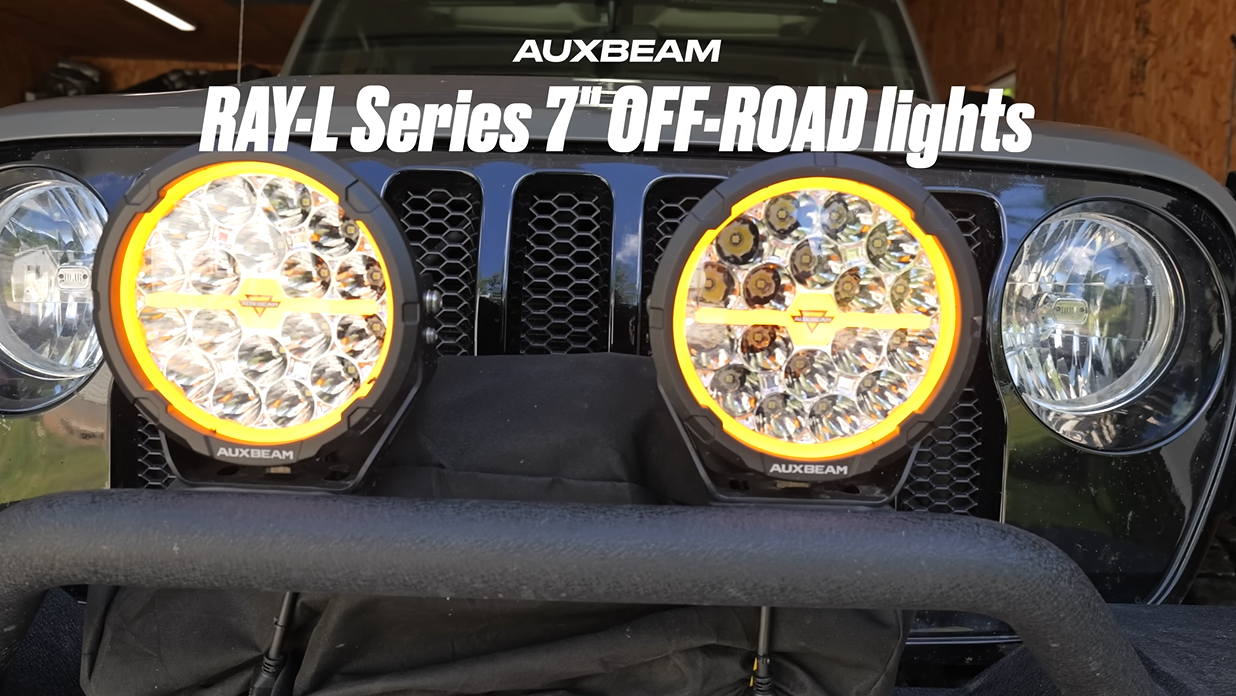
For serious off-roading, adding auxiliary lights such as light bars, spotlights, or ditch lights is key. These lights help you see obstacles on the trail and are available in many sizes and shapes.
Taillights And Brake Lights
Aftermarket taillights not only enhance appearance but often include features like sequential turn signals or brighter LEDs for better visibility.
Interior And Accent Lighting
Interior LED kits and accent lighting can make your Jeep’s cabin more inviting. Rock lights under the Jeep illuminate the ground, making it safer and more impressive at night.
Key Factors To Consider Before Upgrading
Choosing the right lighting isn’t just about picking the brightest or coolest-looking option. Keep these points in mind:
- Street Legality: Not all lights are legal for road use in every state or country. Check local laws about colors, brightness, and where you can mount extra lights.
- Compatibility: Some lighting upgrades require wiring changes or adapters. Make sure the lights you choose fit your Wrangler’s model year and trim.
- Waterproofing: Off-roading means exposure to water and mud. Look for lights with good IP ratings (IP67 or IP68) to ensure they’re sealed against moisture.
- Warranty and Support: Reputable brands offer warranties. Avoid cheap, no-name lights, as they often fail early and can be hard to replace.
- Electrical Load: LED lights use less power, but adding too many can still strain your Jeep’s electrical system. Consider a relay harness or an upgraded alternator if you plan a big lighting setup.
Popular Lighting Upgrades For Jeep Wrangler
Let’s look at some of the most popular lighting upgrades and what you should know about each.
1. Led Headlights
Switching to LED headlights gives a huge improvement in brightness and color temperature. LEDs produce a crisp, white light that makes road signs and obstacles clearer. Installation is usually plug-and-play for most Wranglers, but older models may need an adapter.
Non-obvious tip: Some LED headlights can interfere with your radio signal if they’re poorly shielded. Check reviews for this issue before buying.
2. Led Fog Lights
LED fog lights cut through poor weather with a wider, lower beam. They’re especially useful on dark, winding roads. Many LED fog lights are direct replacements for factory units.
Practical insight: Some fog lights include a “DRL” (daytime running light) feature, adding extra safety during the day.
3. Light Bars
Light bars are a favorite for off-roaders. They mount above the windshield, on the bumper, or roof, and deliver powerful illumination. The most common sizes are 20” and 50”.
Expert advice: If you use your Jeep on public roads, wire your light bar so it only comes on with your high beams or a separate switch. Accidentally using it on the street can blind other drivers and get you ticketed.
4. Rock Lights
Rock lights mount under your Jeep to light up the ground. They’re great for crawling over rocks at night or just adding style. Most rock light kits are waterproof and come in multiple colors.
Beginner mistake: Don’t mount rock lights where they’ll get crushed by rocks or debris. Tuck them safely above the suspension or behind skid plates.
5. Taillights And Brake Lights
Aftermarket taillights are brighter and more stylish than factory lights. Some feature sequential turn signals or built-in backup lights. Most are plug-and-play.
Data point: Upgrading to LED taillights can reduce the risk of rear-end collisions by making your Jeep more visible.
6. Ditch Lights
Ditch lights are small LED pods mounted near the windshield. They shine at an angle to light up the sides of trails, helping you see wildlife or obstacles.
Pro tip: Choose adjustable brackets so you can aim the lights exactly where you need them.
7. Interior Led Lighting
LED bulbs for your dome and map lights make the interior brighter and use less power. You can also add footwell or under-dash accent lights.
Unique insight: Soft white interior LEDs are less harsh on the eyes at night compared to cool white or blue LEDs.
8. Turn Signal And Side Marker Upgrades
Swapping in LED turn signals and side markers increases brightness and response time. Some even have “switchback” functions, changing color between white (running) and amber (signaling).
Common mistake: Not all aftermarket signals include the needed resistors to prevent “hyperflashing.” Check before buying.
9. Underbody Light Kits
For show or night-time trail rides, underbody lights add a cool glow. They come in color-changing versions, which you can control with a smartphone app.
Safety tip: Never use underbody lights in colors that are illegal on the road (like red or blue) unless you’re on private property.
10. Third Brake Light Upgrades
A brighter third brake light helps drivers behind you react faster. Some options add a ring of LEDs around the spare tire for a unique effect.
Non-obvious benefit: Extra visibility is especially important if you add a larger spare tire, which can block the stock brake light.
Credit: auxbeam.in
Comparing Popular Jeep Wrangler Lighting Types
The most common lighting upgrades are halogen, HID, and LED. Here’s a quick comparison:
| Lighting Type | Brightness (Lumens) | Lifespan (Hours) | Power Use | Cost |
|---|---|---|---|---|
| Halogen | 700-1,200 | 500-1,000 | High | Low |
| HID | 2,800-3,500 | 2,000-3,000 | Medium | Medium |
| LED | 4,000-6,000 | 20,000+ | Low | Medium-High |
Tip: While LEDs cost more upfront, their longer lifespan and lower power use often make them more economical in the long run.
Step-by-step Lighting Upgrade Process
Upgrading your Jeep Wrangler’s lighting can be straightforward if you follow these steps:
- Choose Your Lights: Decide what to upgrade first—headlights, fog lights, or auxiliary lights.
- Check Compatibility: Make sure the lights fit your Jeep’s year and model.
- Gather Tools: Most upgrades need basic hand tools: screwdrivers, pliers, and possibly a socket set.
- Disconnect Battery: Always disconnect the battery before working on wiring to avoid shocks or damage.
- Remove Old Lights: Follow your owner’s manual for removal instructions.
- Install New Lights: Plug in new lights or connect wiring as directed. Use dielectric grease on connectors to prevent corrosion.
- Test Everything: Check lights before re-assembling trim or covers.
- Adjust Aim: For headlights and light bars, adjust the aim so you don’t blind other drivers.
- Secure Wiring: Use zip ties and wire looms to keep wires neat and safe.
- Check Legal Requirements: Make sure your new lights comply with local laws.

Credit: www.lasfit.com
Common Mistakes To Avoid
- Ignoring Street Legality: Not all lights are road-legal. Using off-road lights on the street can lead to fines.
- Overloading Electrical System: Too many lights can blow fuses or drain your battery.
- Poor Wiring Practices: Loose or exposed wires can cause shorts or fires.
- Skipping Aim Adjustment: Misaligned headlights can reduce visibility and annoy other drivers.
- Buying Cheap, Unbranded Lights: These often fail early, flicker, or cause electrical problems.
Advanced tip: If you plan to add several auxiliary lights, consider an aftermarket switch panel. This makes controlling multiple lights safer and more organized.
Real-world Example: Wrangler Jl Lighting Upgrade
Let’s say you own a 2018 Jeep Wrangler JL. The stock headlights are halogen, and you want to upgrade to LED. Here’s what you might experience:
- Factory halogens output about 1,000 lumens. Aftermarket LEDs can provide 4,000+ lumens.
- Installation is usually plug-and-play, but some LEDs may require an anti-flicker harness.
- After the upgrade, night driving feels safer. Road signs are easier to see, and the color is more natural.
- If you add a 50” light bar and rock lights, make sure to use relays and fuses for each circuit.
Credit: auxbeam.com
Comparing Light Bar Mounting Positions
Where you mount a light bar changes its effect. Here’s a quick look:
| Position | Lighting Coverage | Best Use | Drawbacks |
|---|---|---|---|
| Roof/Over Windshield | Wide, long-distance | Open trails, high speeds | Wind noise, glare on hood |
| Bumper | Focused, medium range | Slow technical trails | Lower elevation, more debris risk |
| Grille | Balanced, moderate range | General off-road | May block airflow |
Maintenance And Care
Lighting upgrades need occasional care to last:
- Clean lenses regularly to prevent dirt buildup and light loss.
- Check wiring after off-roading for damage.
- Replace seals if you see condensation inside lights.
Extra insight: Even the best LEDs can flicker if your battery is weak or your Jeep’s voltage regulator is failing. If you notice flickering, check your electrical system before blaming the lights.
Where To Buy Quality Lighting Upgrades
Stick to well-known brands like KC HiLiTES, Rigid Industries, and JW Speaker. These offer reliable warranties and good customer support. Jeep-specific retailers and forums are also great sources for installation tips and reviews.
For more technical data on lighting types and comparisons, you can visit Wikipedia’s Automotive Lighting page.
Frequently Asked Questions
How Hard Is It To Install Led Headlights On A Jeep Wrangler?
Most LED headlight kits are plug-and-play and take about 30-60 minutes to install. Older Wranglers may need an adapter or anti-flicker harness. Basic tools and following the kit’s instructions are usually enough.
Are Aftermarket Light Bars Legal For Street Use?
Most light bars are not legal for regular street use unless covered or wired to only work with high beams. Always check your local laws before installing or using auxiliary lights on public roads.
Will Adding More Lights Drain My Jeep’s Battery?
Modern LED lights use less power than halogen, but adding many lights can still stress your electrical system. For big setups, upgrade your alternator or use a dual battery system.
What’s The Best Way To Prevent Water Damage To My New Lights?
Choose lights with a high IP rating (IP67 or IP68), and always seal connections with dielectric grease. Regularly inspect seals and wiring, especially after off-road trips.
Do I Need A Professional To Install Lighting Upgrades?
Most basic upgrades, like headlights or fog lights, can be done at home with simple tools. For complex wiring (like switch panels or multiple relays), a professional installer is a good idea to ensure safety and reliability.
Upgrading your Jeep Wrangler’s lighting is one of the most satisfying modifications you can do. With good planning, quality parts, and careful installation, you’ll enjoy better visibility, safety, and style on every drive.
Related posts
 Why You Should Use a Foam Cannon for Car Washing: Ultimate Guide
Washing your car is more than just making it look good. It protects the paint, keeps the value high, and makes driving feel better. But if…
 How to Clean Leather Seats Without Damaging Them: Expert Tips
Keeping your leather seats clean can be a challenge. Leather looks beautiful and feels luxurious, but it needs special care. Many people worry about damaging their…
 Why Using a Ceramic Coating Spray is Important for Your Car’s Shine
If you care about your car’s appearance and value, you probably wash and wax it regularly. But did you know there’s a better way to protect…