
How to Use Jeep Hood Latches
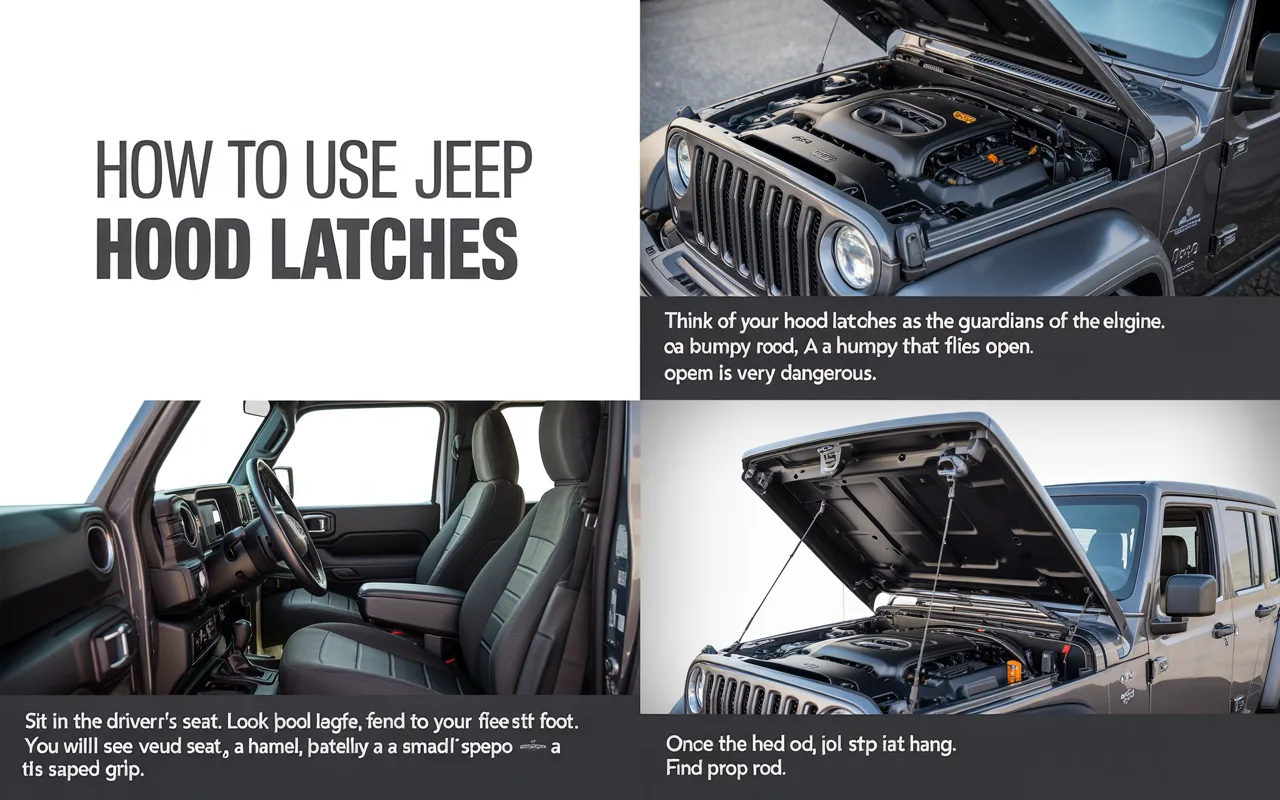
Learn how to use jeep hood latches properly for safe access to your engine bay. This guide covers the primary and safety latch steps, plus key care tips.
You love your Jeep. It takes you on grand adventures, over rough trails, and through muddy puddles. But before any trip, a quick check under the hood is smart. That simple task starts with one of the most important parts on your vehicle: the hood latches. Knowing how to use jeep hood latches is not just about opening and closing. It is about safety, maintenance, and keeping your Jeep running well for miles to come. This guide will walk you through every step. We will cover different latch types, give you clear instructions, and share tips from years of Jeep life. Let’s get started.
Why Your Jeep Hood Latches Matter So Much
Think of your hood latches as the guardians of your engine. On a bumpy road, a hood that flies open is very dangerous. It can block your view completely. Good latches keep the hood securely shut. They also let you get to the engine for oil checks, coolant fills, or belt inspections. Using them the right way prevents damage to the latch itself and the hood. A broken latch can leave you stuck. It is a small part with a very big job.
The Two Main Types of Jeep Hood Latches
Most Jeeps have a two step system. It includes a primary latch you operate from inside the cab, and a safety latch under the hood itself. Some owners add aftermarket latches for extra security or style. Here is a quick look.
| Latch Type | Common Location | Its Main Job |
|---|---|---|
| Primary Release | Inside the cab, near the driver’s footwell | Unlocks the hood so you can lift it slightly. |
| Safety Catch | Front center, under the hood’s edge | Secures the hood after primary release and requires manual action to fully open. |
Your Step by Step Guide to Opening the Hood
Let’s break down the safe way to open your Jeep’s hood. Always do this when your Jeep is on flat, level ground and turned off.
Step 1: Find and Pull the Primary Hood Release
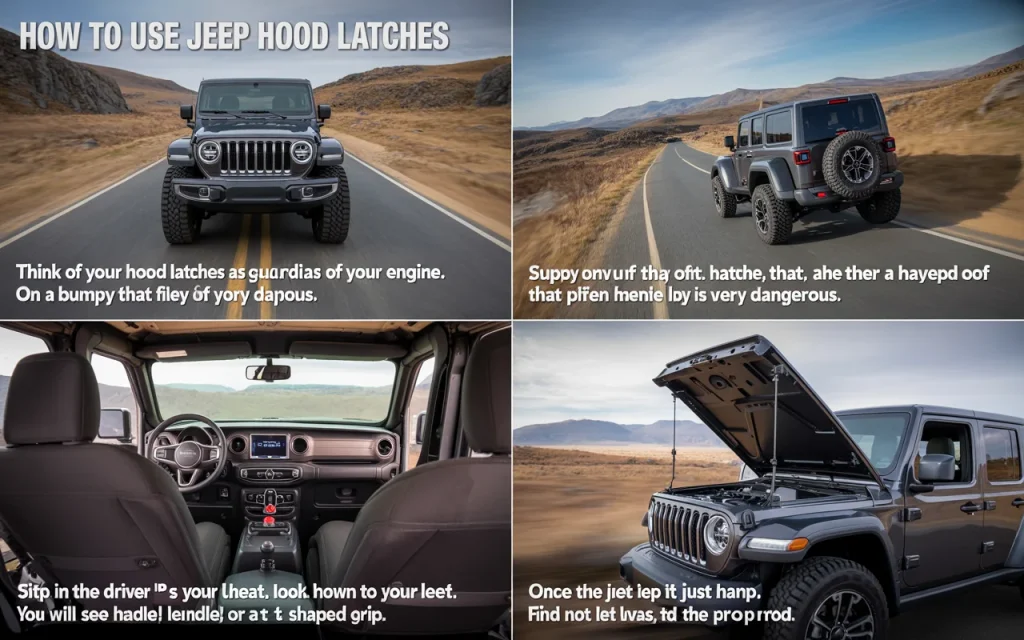
Sit in the driver’s seat. Look down and to your left, near the side panel by your left foot. You will see a handle, usually a small lever or a T shaped grip. It might have a picture of a car with an open hood. Pull this handle toward you firmly. You will hear a distinct pop or clunk sound. This means the primary latch has let go. Your hood is now slightly unlocked, but it is not open yet.
Step 2: Go to the Front of Your Jeep
Walk to the front of your vehicle. You will see the hood is raised just a little bit, maybe an inch or two. There is now a gap between the hood and the grille. Slide your fingers into this gap, right in the middle.
Step 3: Operate the Secondary Safety Latch
Inside that gap, you will feel another lever. This is the safety catch. It is a crucial backup. To release it, you often need to push it to the side while lifting the hood slightly. Sometimes you squeeze a lever. Use your fingers to find it and move it. As you hold the safety latch open, use your other hand to lift the hood fully.
Melville B. Fuller once said, “It is the little details that are vital. Little things make big things happen.” This is true for your hood latches. A small latch prevents a big problem.
Step 4: Secure the Hood with the Prop Rod
Once the hood is up, do not let it just hang. Find the prop rod. It is a long metal bar clipped to one side of the engine bay. Unclip it and place its end into the small hole or socket made for it on the underside of the hood. Give the hood a gentle shake to make sure the rod is holding it firmly. Now you can safely work on your engine.
How to Close and Latch Your Hood Correctly
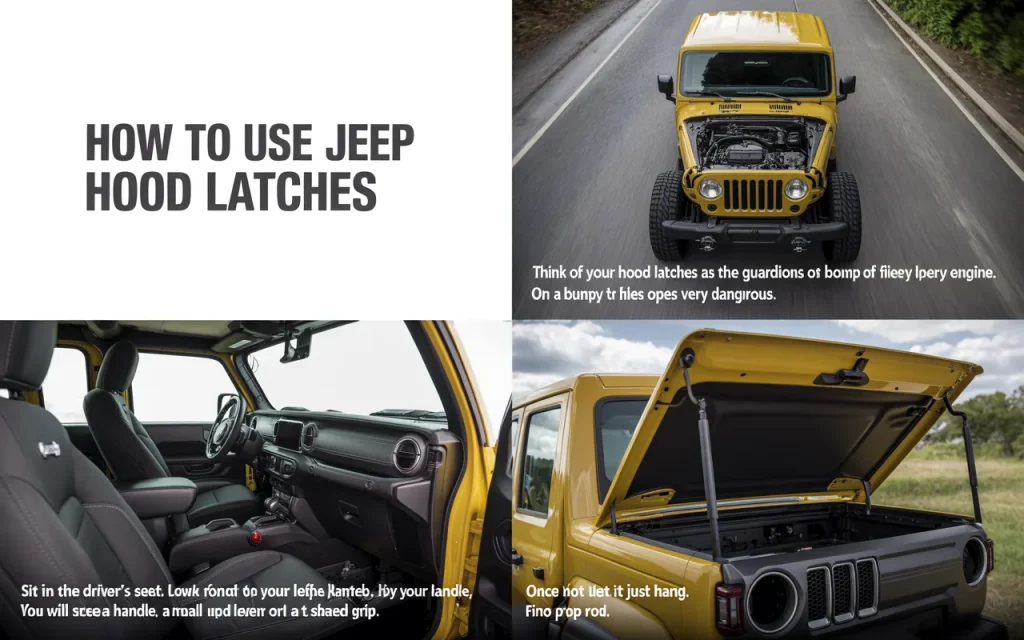
Closing the hood seems easy. But doing it wrong can bend the metal or damage the latch. Follow these steps.
Step 1: Put Away the Prop Rod
Lift the hood a little higher to release pressure from the prop rod. Take the rod out of its socket. Carefully place it back into its holding clip on the side of the engine bay. Make sure it is secure and will not rattle.
Step 2: Lower the Hood to the Halfway Point
Do not just drop the hood from full height. That can hurt the latch. Instead, lower it gently until it is about a foot or two from the closed position.
Step 3: Give It a Firm Final Push
From that height, use the palms of your hands to press down firmly on the front edges of the hood. Push near where the latches are, not in the center of the hood. You should hear two solid clicks. The first is the safety catch engaging. The second, deeper click is the primary latch locking. If you do not hear both, the hood is not shut. Open it slightly and try again.
Step 4: Do the Final Check
After you hear the clicks, press down on the front edge of the hood. It should not move or bounce. Try to gently lift the hood up with your fingers. If it is locked, it will not budge. This check takes two seconds and gives you peace of mind.
Keeping Your Hood Latches in Great Shape
Like any moving part, hood latches need some care. A well kept latch works smoothly for years.
Simple Maintenance Routine:
- Clean Them: Every few months, or after a very muddy trip, wipe the latches with a dry cloth. You can use a soft brush to remove dirt from the grooves.
- Lubricate Them: Once or twice a year, use a light spray lubricant like WD 40 or white lithium grease. Spray a little on the moving parts of both the primary cable end under the hood and the safety latch. Work the latch open and closed a few times to spread the grease.
- Check for Wear: Look at the metal hook on the hood and the catch on the Jeep’s body. If you see deep scratches, rust, or bending, the latch may need adjustment or replacement.
Henry Ford noted, “The only real mistake is the one from which we learn nothing.” If your latch feels stiff, fix it now. Learning from a small sign prevents a bigger mistake later.
Troubleshooting Common Hood Latch Problems
Sometimes, things do not work as planned. Here are common issues and how to fix them.
| Problem | Likely Cause | Quick Fix |
|---|---|---|
| Hood won’t pop open when you pull the inside lever. | Sticky latch, broken cable, or frozen mechanism in cold weather. | Try having a helper push down on the hood while you pull the lever. If cold, let the Jeep warm up. Check cable connection under the dash. |
| Hood opens but won’t close/latch properly. | Misaligned hood, bent latch, or debris in the catch. | Check for sticks or leaves in the catch. Look at the alignment of the hood to the fenders. |
| Hood rattles or bounces while driving. | Latches are not fully engaged or are worn out. | Close the hood again with firmer pressure. Inspect latch parts for wear. |
If the inside cable snaps, you will need to access the latch from the front. Many Jeeps have a small grill you can remove to reach the latch mechanism with a long tool. It is a good trick to know.
When to Think About Upgrading Your Latches
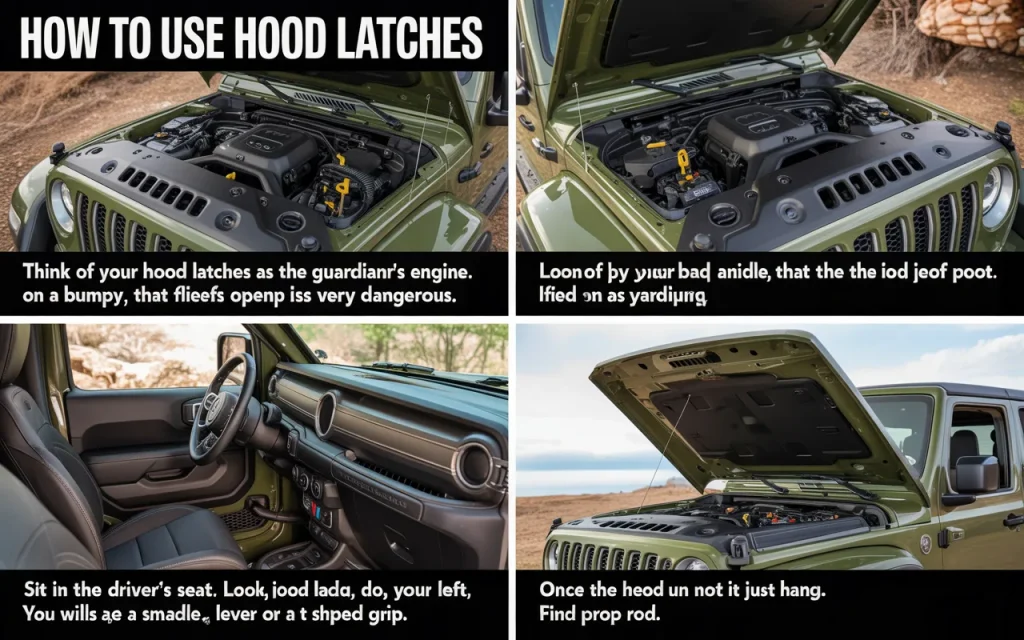
The factory latches work well for most people. But some Jeep owners choose to upgrade. Aftermarket latches, like quick release styles, can offer a different look or feel. They may also be easier to operate with gloved hands. Think about an upgrade if you often drive on extreme trails where hood shake is a concern, or if your factory latches are broken. Installing new latches is usually a simple job with basic tools.
Answers to Common Questions
How often should I check my hood latches?
Make it part of your regular monthly check. When you check your oil and tire pressure, just press down on the hood to ensure it is latched. Do a full clean and lube every six months.
Can I drive with a broken hood latch?
It is not safe. A hood that is not fully secure can fly open while you drive. This is very dangerous. Fix it before you drive the vehicle. You can use a strong zip tie as a very temporary fix to hold the latch closed in an emergency.
Why does my Jeep hood need two latches?
The primary latch is for you to open it. The safety latch is a backup in case the primary fails. It is a critical safety feature required on all vehicles. It stops the hood from opening if you hit a big bump.
My hood is hard to open. What can I do?
First, clean and lubricate all the latch parts. If it is still stiff, check if the hood is misaligned. Sometimes, adjusting the rubber bumpers on the front of the engine bay can change the pressure on the latch.
Are all Jeep hood latches the same?
They work on the same idea, but the exact style can differ between models like the Wrangler, Cherokee, or Gladiator. Always check your owner’s manual for your specific Jeep.
John Muir, a great mechanic and writer, advised, “Always be sure your tools and equipment are in good shape before you need them.” Your hood latches are essential tools for Jeep care. Keep them in good shape.
Final Thoughts on Hood Latch Use
Knowing how to use jeep hood latches is a basic skill for any owner. It keeps you safe and makes routine checks simple. Remember the two step process: pull from inside, then release the safety catch outside. Close with care, listen for two clicks, and always do a final check. With a little regular cleaning, your latches will work well for all your trips. Your Jeep is built for freedom and fun. Something as simple as a well kept hood latch helps make sure every drive ends with a smile. Now, go pop that hood and check your oil. Your Jeep will thank you.
Related posts
 Best Car Mats for All-Weather Use 2026: Top Picks for Every Driver
Keeping your car clean is tough, especially when rain, mud, and snow are involved. That’s where the best car mats for all-weather use make a difference.…
 Best Custom-Fit Floor Mats for Nissan Titan: Top Picks 2026
These custom-fit mats provide reliable coverage and help protect your Nissan Titan’s interior from dirt and spills. It’s Monday morning, you’re rushing out the door with…
 Best Car Cleaning Wipes for Interior: A Buyer’s Guide
Discover the best car cleaning wipes for your interior. Compare options for dashboards, leather, and tough stains to keep your car spotless and well-maintained. Keeping your…