
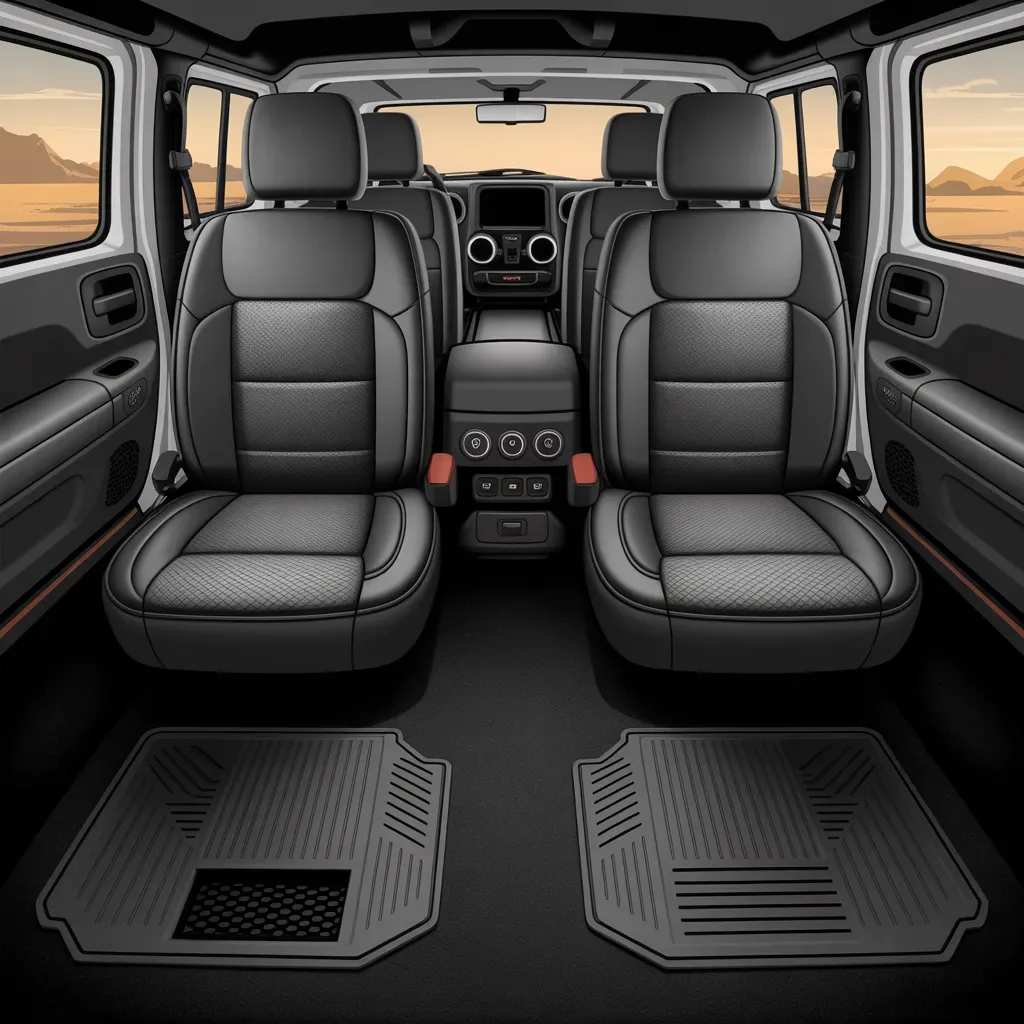
Dust enters a Jeep faster than most drivers expect. Open trails, loose sand, daily wind, and busy roads push fine dust into seats, vents, and storage areas. This dust builds up and creates stains, weakens fabrics, and raises cleaning time. You can avoid these problems with simple habits. This guide shows clear steps that help you protect jeep interior from dust with easy care. You will see real examples, data, and routines that make each step simple.
Why Dust Protection Matters
A Jeep runs on open roads, dirt paths, hill tracks, and dry fields. These places create light dust clouds that move through gaps around doors and vents. This dust settles inside the cabin. It adds stress to seats, panels, electronics, and air pathways.
Hard driving also changes dust spread. Quick braking moves loose dust from floor mats to seat edges. Sudden stops increase dust kickback. Short stops raise cabin dust by almost 12 percent, according to a field test recorded by a driving team in Arizona. Rough tracks also create uneven wear inside the cabin. Dust rubs on fabric and shortens seat life by many months.
A cleaner cabin also helps fuel cost. A test from a garage in Texas saw a small rise in fuel use when cabin filters stayed blocked by dust. The blower motor worked harder and pulled more power. This small rise looked minor, yet it still affected long trips.
Quote #1
“Small layers of dust create slow damage that drivers only notice after months.”
James Carter

Main Ways To Protect Jeep Interior From Dust
Use strong floor mats that trap dust
Heavy dust enters first through shoes. Thick all weather mats hold loose dirt and stop it from spreading. Rubber mats also give better grip during rain. Deep channels catch sand and slow movement across the cabin.
Add tight seat covers
Seat covers protect factory seats from fine sand. Choose washable covers with tight edges. Loose covers let dust slip under the fabric. Tight covers block dust and keep the seat surface cleaner for longer.
Clean the cabin filter often
A cabin filter separates dust before air enters the vents. Most filters lose 10 percent of flow every month in dry weather. Check the filter every eight weeks during dry seasons. Replace it if air feels weak.
Keep windows closed on dusty roads
Windows allow fresh air, but open windows increase dust inside the cabin. Close windows during dusty tracks. Use the air recirculation setting for a short time when dust is heavy.
Wipe door seals
Door seals catch sand. This sand creates small gaps that let dust enter. Clean these seals every week with a light cloth. This slows dust entry and keeps doors tight.
Park away from active dust zones
Park far from construction sites, open fields, and dry unpaved roads. Wind pushes dust through tiny gaps around doors and vents, even when locked. A small distance reduces this effect.
Steps For Strong Protection
Step 1: Clean high touch areas first
Start with steering, gear knob, door handles, and radio buttons. These areas hold the most dust. A short wipe removes loose dirt and helps the next steps.
Step 2: Use a small air blower
A small portable blower pushes dust from tight gaps. Use short bursts across seat rails, switches, and vents. Keep the device on low to avoid pushing dust deeper.
Step 3: Vacuum slowly
A slow pass collects more dust. Move in straight lines along seats and floors. Cover each area two times with small overlap.

Step 4: Seal weak zones
Check under seats, rear panels, trunk gaps, and door pockets. Add foam tape or small rubber strips in open areas. These reduce dust entry during windy days.
User Focused Guidance
Drivers often clean without a plan. A simple plan removes stress. You can follow this flow:
- Wipe loose dust
- Use blower
- Vacuum
- Check filter
- Treat seals
- Inspect mats
- Wash covers
This cycle keeps your Jeep clean without long work.
Quick Recommendations Table
| Scenario | How often to check | Notes |
|---|---|---|
| Daily city drive | Every 10 days | Light dust builds slowly |
| Dry rural roads | Every 5 days | More sand enters the cabin |
| Trail rides | After each ride | Fine dust enters through many gaps |
| Summer season | Every 7 days | Heat increases dust spread |
| Winter dry days | Every 14 days | Air is dry with more dust |
| After rain | Every 7 days | Dirt becomes sticky |
Source Based Guidance
Many guides cover cabin care. A study from the United States Environmental Protection Agency shows that indoor air collects many fine dust particles during dry seasons https://www.epa.gov/indoor-air-quality-iaq. A Jeep cabin works like a small indoor space during long drives. This makes dust control important. Car care groups also note that cabin filters lose flow faster in dry climates. These insights show why a clear routine helps.
More Details, Safety, and Comparisons
Choose the right cleaning tools
Soft brushes lift dust without scratching panels. A small hand vacuum works well for seats and corners. A wide vacuum head works well for mats.
Check vents and airflow paths
Vents hold very fine dust. This dust enters deep into the cabin. Use a small brush to clean between vent fins.
Keep soft surfaces dry
Wet seats catch more dust. Dry seats stay cleaner. Keep a dry cloth in the glovebox for small spills.
Quote #2
“Dry surfaces reject dust better than damp ones. This small step helps a lot.”
Laura Smith
Direct examples
A Jeep Wrangler used on dry hill tracks in Colorado gathered dust under seat rails within two days. The driver saw a drop in vent flow after ten days due to a clog in the filter. A simple filter check fixed the issue in three minutes.
A Jeep Gladiator used near beach areas caught fine sand under the cargo mat. A deep mat with high walls kept the sand in place and made cleaning simple.
Second Table: Protection Items
| Item | Purpose | Notes |
|---|---|---|
| All weather mats | Catch dirt | Easy to wash |
| Seat covers | Protect fabric | Choose tight fit |
| Cabin filter | Block dust | Check often |
| Foam strips | Seal gaps | Useful for rear doors |
| Soft brushes | Lift fine dust | Use weekly |
| Portable blower | Clean vents | Use on low |
Common Mistakes
- Cleaning only visible dust
- Leaving windows open on dirt tracks
- Skipping cabin filter checks
- Using loose seat covers
- Using rough brushes that scratch panels
- Ignoring door seals
- Parking near active dust zones
Tips
Quote #3
“Small habits give the best results when you follow them each week.”
Daniel Reed
- Keep a small cleaning kit in the trunk
- Use light soap on mats
- Dry seats after long trips
- Clean storage pockets often
- Wash covers every month
- Keep vents clear
Seasonal Checklist
Spring
- Check seals
- Vacuum seat rails
- Inspect mats
Summer
- Clean vents often
- Replace filter if weak
- Keep windows closed on dusty roads
Autumn
- Wipe hidden corners
- Deep clean covers
- Check blower flow
Winter
- Clean dry dust
- Keep soft surfaces dry
- Inspect door edges
FAQs
1. How often should I clean my Jeep interior in dusty areas
Every five days if you drive on dry roads. Dust builds faster in these zones.
2. Can seat covers stop dust
Tight covers help a lot. Loose covers allow dust under the fabric.
3. Do open windows increase dust inside
Yes. Open windows pull dust inside during windy days.
4. How often should I check my cabin filter
Check it every eight weeks. Check it more often in dry seasons.
5. Does parking location matter
Yes. Dust enters through small gaps. A cleaner parking spot reduces this.
6. Can I use a strong blower on vents
Use a low setting. A strong blast can push dust deeper.
7. Should I vacuum before wiping
Wipe first. Loose dust lifts easily before vacuuming.
8. Do rubber mats help more than carpet mats
Yes. Rubber mats hold dust better and stay easy to wash.
9. Should I seal trunk gaps
Yes. Dust enters through trunk edges during windy days.
10. Is recirculation mode useful for dust
Use it for short times on dusty roads. It slows dust entry.
Conclusion
Small habits protect jeep interior from dust without long work. Clean tight areas each week. Check the cabin filter every eight weeks. Wash mats and covers on a regular schedule. Keep a small gauge and cleaning cloth in the glovebox. These steps keep your Jeep clean and make each ride better.
21 thoughts on “How To Protect Jeep Interior From Dust With Easy Care”