
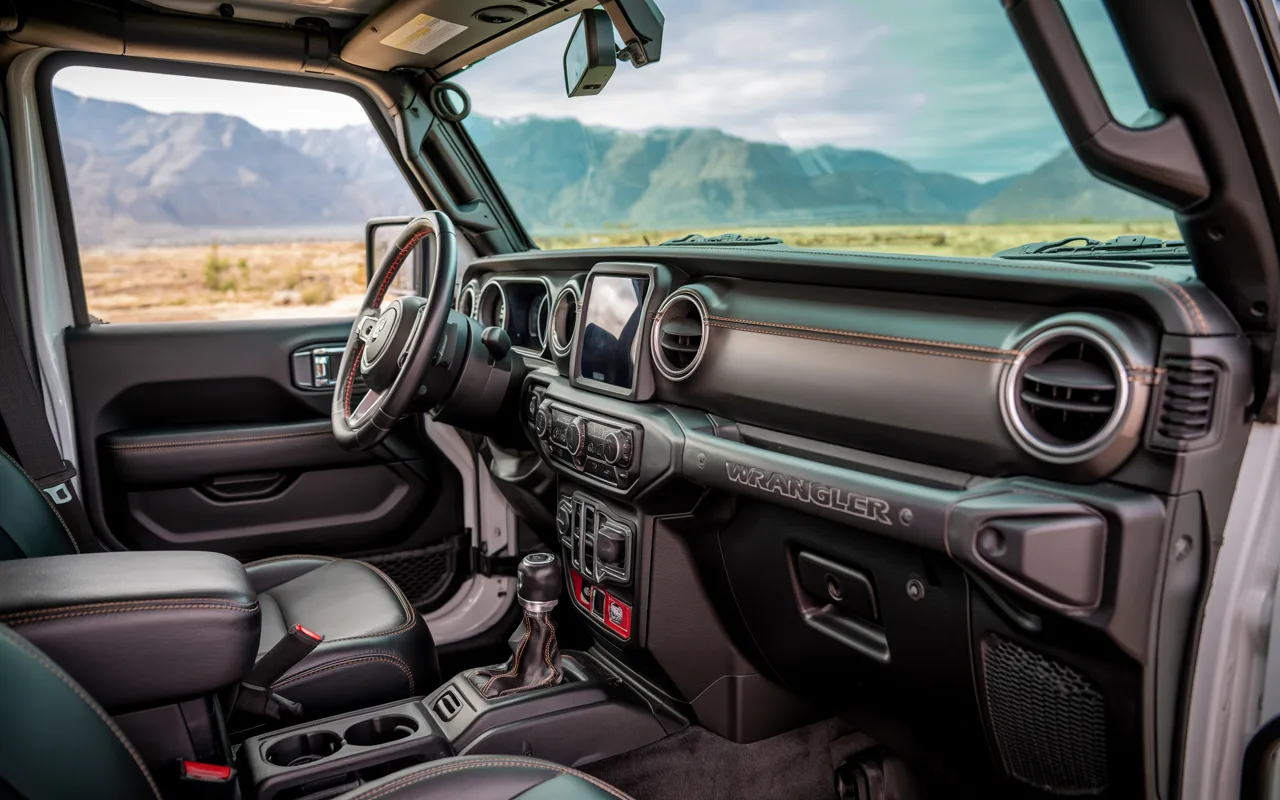
Jeep wrangler soundproofing tips help reduce road noise, wind sounds, and vibrations, making your ride quieter, more comfortable, and easier to enjoy daily.
Driving a Jeep Wrangler feels raw and connected to the road, but that same design often brings more noise into the cabin than many drivers expect. From tire hum and wind rush to rattles from removable panels, the sound can add up quickly. That is why many owners start looking for practical ways to reduce noise without losing the rugged character they love.
These jeep wrangler soundproofing tips focus on real solutions that work in everyday conditions. Whether you use your Wrangler for commuting, off-road trips, or long highway drives, improving cabin quietness can make a big difference. The goal is not to turn your Jeep into a luxury sedan, but to reduce the most annoying sounds so the driving experience feels more relaxed and enjoyable.
“Noise control is about managing energy, not eliminating it completely.”
— Mark Anderson
Why Jeep Wranglers Are Naturally Noisy
Before applying any fixes, it helps to understand why Wranglers tend to be louder than most vehicles. This knowledge makes the jeep wrangler soundproofing tips more effective because each solution targets a specific cause.
Wranglers are built for flexibility and durability. Features like removable doors, detachable roofs, and a boxy shape create more gaps and airflow paths. These design choices are excellent for off-road use but allow more external noise to enter the cabin.
Another factor is the body-on-frame construction. Unlike unibody vehicles, this design transmits more vibrations from the road into the cabin. Combined with large off-road tires and minimal factory insulation, the result is a noticeably louder ride.
Common Sources of Noise
| Noise Source | Description |
|---|---|
| Wind noise | Air entering through gaps and around panels |
| Road noise | Tire contact and road surface vibrations |
| Engine noise | Sound from the engine bay entering the cabin |
| Panel rattling | Loose or removable components vibrating |
Understanding these sources helps you apply targeted jeep wrangler soundproofing tips instead of guessing.
Best Soundproofing Materials for Jeep Wranglers
Choosing the right materials is one of the most important steps. Not all soundproofing products work the same way, and using the right combination brings the best results.
Popular Material Types
| Material Type | Purpose |
|---|---|
| Butyl mats | Reduce vibrations and panel resonance |
| Foam insulation | Absorb airborne noise |
| Mass loaded vinyl | Block sound from entering the cabin |
| Carpet underlayment | Add comfort and reduce floor noise |
Butyl mats are often the starting point because they directly reduce vibration. Foam layers can then be added to absorb higher-frequency sounds. Mass loaded vinyl works well in areas where blocking sound is the priority, such as the floor or firewall.
These materials are widely used in automotive soundproofing because they handle both vibration and airborne noise effectively.
Practical Interior Soundproofing Upgrades
Many jeep wrangler soundproofing tips focus on interior upgrades because they offer the most noticeable improvement without major modifications.
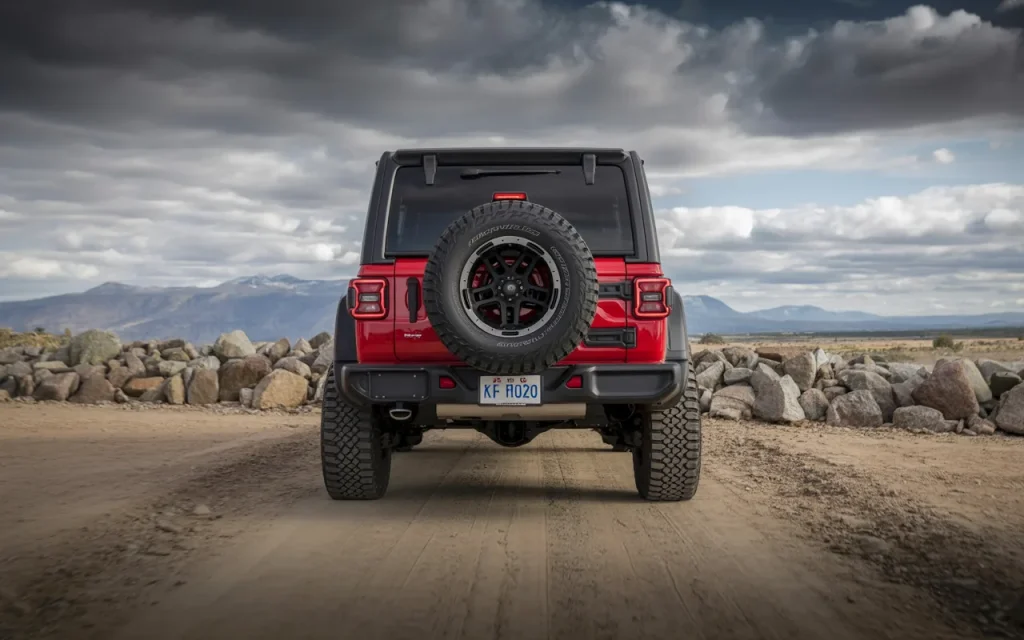
Floor and Cargo Area Treatment
The floor is one of the biggest entry points for road noise. Adding sound-deadening mats under the carpet reduces vibrations from the chassis. A second layer of foam or insulation can further improve results.
The cargo area also contributes to noise, especially in models with hardtops. Treating this section helps reduce echo and overall cabin noise.
Door Panels and Side Walls
Doors are often overlooked, but they play a major role in sound transmission. Adding insulation inside door panels helps block outside noise and reduces rattling.
Side panels, especially in the rear, can benefit from similar treatment. These areas tend to amplify sound due to their shape and material.
Roof and Headliner
Soft tops are a major source of noise, but even hardtops can benefit from added insulation. Installing a headliner kit helps absorb sound and reduce echo inside the cabin.
A well-installed headliner can make conversations easier and reduce fatigue during long drives.
Exterior Adjustments That Reduce Noise
Interior upgrades are effective, but some jeep wrangler soundproofing tips focus on external factors that contribute to noise.
Tire Selection
Off-road tires are known for their aggressive tread patterns, which create more noise on paved roads. Switching to all-terrain tires with a quieter design can significantly reduce road noise.
Seal Improvements
Door and roof seals can wear out over time. Replacing or upgrading these seals helps block wind noise and prevents air leaks. Even small gaps can create noticeable sound at highway speeds.
Hardtop vs Soft Top
Hardtops generally provide better sound insulation compared to soft tops. If reducing noise is a priority, switching to a hardtop or upgrading the soft top material can help.
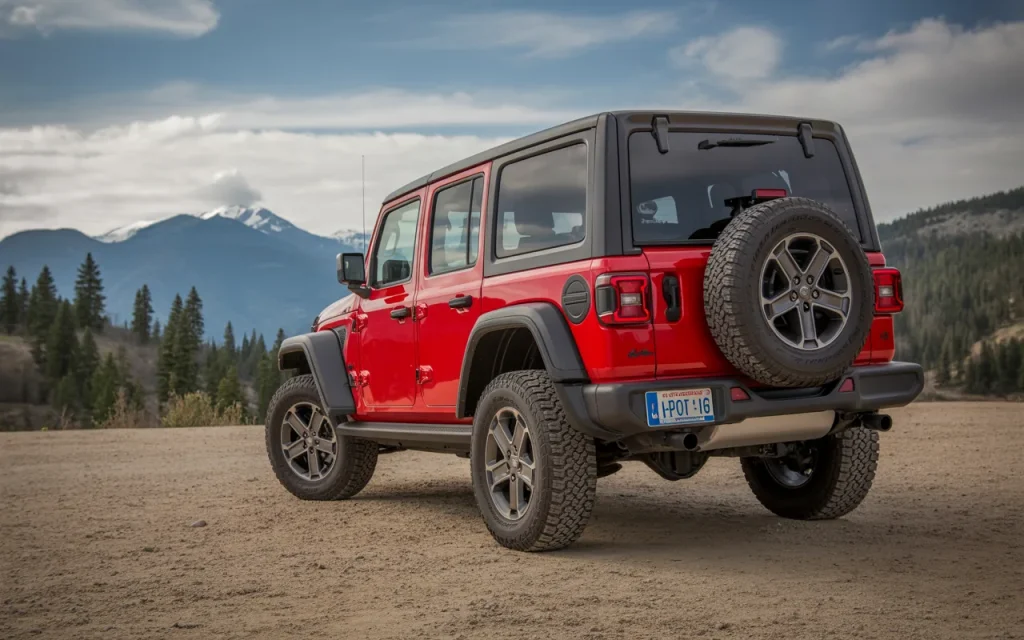
Fixing Rattles and Vibrations
Rattles can be just as annoying as constant noise. These sounds often come from loose components or parts that were designed to be removable.
“If it moves and should not, secure it. If it vibrates, dampen it.”
— Lisa Carter
Common areas to check include door hinges, dashboard components, and rear panels. Tightening bolts, adding foam padding, or using anti-rattle clips can make a big difference.
Many jeep wrangler soundproofing tips emphasize addressing rattles early because they tend to get worse over time.
Budget vs Premium Soundproofing Options
Not every solution requires a large investment. Some jeep wrangler soundproofing tips are budget-friendly and still deliver noticeable improvements.
Budget-Friendly Options
Simple steps like adding floor mats, sealing gaps, and tightening loose parts can reduce noise without major costs. DIY insulation kits are also widely available and easy to install.
Premium Upgrades
For those seeking a quieter cabin, professional soundproofing installations offer the best results. These often include full coverage with multiple material layers and precise installation techniques.
The choice depends on how much noise reduction you want and how much time or money you are willing to invest.
Installation Tips for Better Results
Applying soundproofing materials correctly is just as important as choosing the right ones. Poor installation can limit effectiveness.
Start by cleaning all surfaces before applying any material. Dirt or moisture can reduce adhesion and performance. Use a roller tool to press mats firmly into place, ensuring full contact with the surface.
Layering materials also improves results. For example, placing foam over butyl mats combines vibration reduction with sound absorption.
Take your time during installation. Rushing often leads to missed spots or uneven coverage.
Long-Term Maintenance for Noise Control
Soundproofing is not a one-time task. Regular checks help maintain a quieter cabin over time.
Inspect seals and panels periodically, especially after off-road trips. Dust, mud, and water can affect materials and reduce their effectiveness.
Replacing worn components early prevents noise from returning. Keeping your Jeep clean inside and out also helps maintain insulation performance.
Frequently Asked Questions
How much noise reduction can I expect?
Most jeep wrangler soundproofing tips can reduce noise by 20 to 50 percent depending on the materials and coverage. Full installations provide the most noticeable results.
Is soundproofing worth it for daily driving?
Yes, especially for those who use their Wrangler for commuting or long trips. A quieter cabin reduces fatigue and makes conversations easier.
Can I install soundproofing materials myself?
Many kits are designed for DIY installation. With basic tools and patience, most owners can complete the process successfully.
Does soundproofing add weight to the vehicle?
Yes, but usually only a small amount. Most setups add between 10 to 30 kilograms depending on coverage and materials used.
Will soundproofing affect off-road performance?
In most cases, no. Properly installed materials do not interfere with vehicle performance or capability.
Conclusion
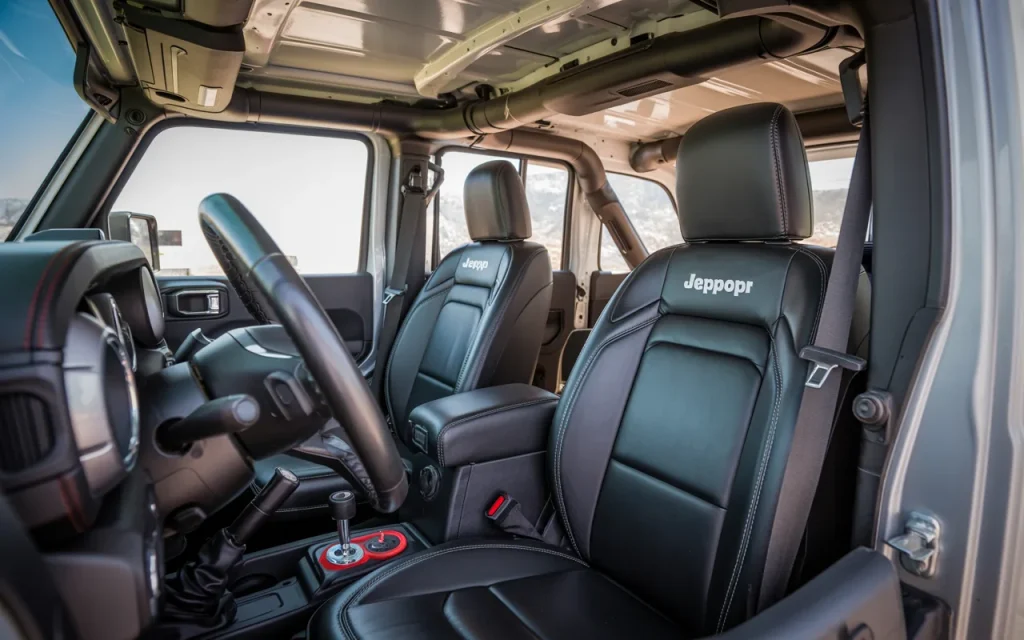
Jeep Wranglers are built for adventure, but that design often brings extra noise into the cabin. By following these jeep wrangler soundproofing tips, you can reduce unwanted sounds and make your driving experience more comfortable without losing the character that makes the Wrangler unique.
From choosing the right materials to fixing rattles and improving seals, each step plays a role in creating a quieter ride. Even small changes can add up to noticeable improvements, especially when applied thoughtfully.
“Comfort is not about silence, it is about control over your environment.”
— Daniel Hughes
These jeep wrangler soundproofing tips provide a clear path to better noise control. Whether you take a simple approach or invest in a full upgrade, the result is a more enjoyable and relaxed driving experience every time you get behind the wheel.