
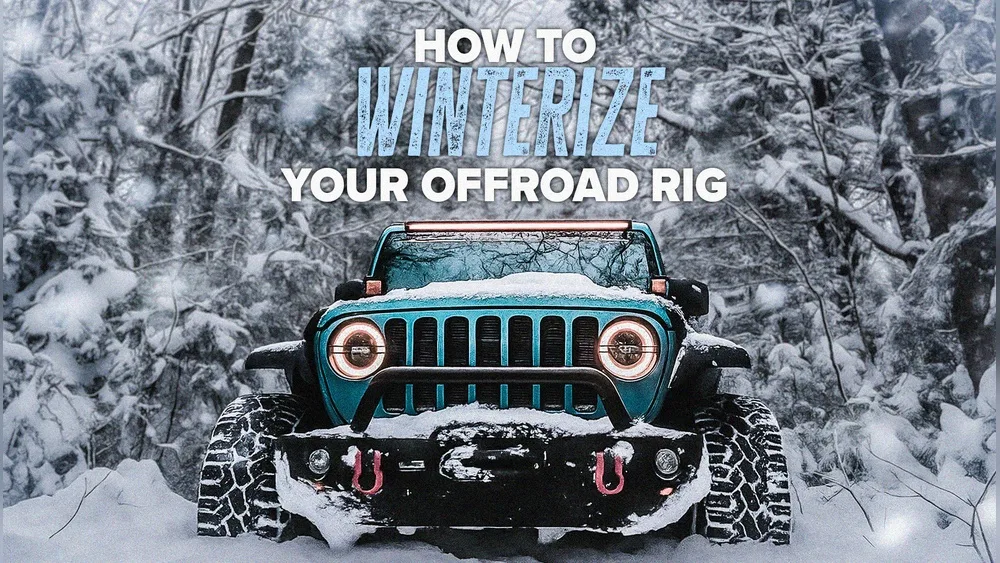
Few vehicles handle winter quite like the Jeep Wrangler. Its rugged build, four-wheel drive, and off-road spirit make it a popular choice for snowy and icy roads. But even this tough SUV faces unique winter challenges. Without proper snow protection, your Wrangler can suffer from rust, frozen parts, battery trouble, and other headaches that eat up time and money. The good news? With the right steps, you can keep your Jeep safe, comfortable, and ready for adventure all winter long.
This guide explains everything you need to know about Jeep Wrangler snow protection. You’ll learn how to shield your Jeep from snow and ice, avoid common mistakes, and handle winter’s worst with confidence. Whether you’re a new Wrangler owner or a seasoned snow driver, these tips help you get the most from your vehicle all season.
Essential Exterior Protection
Winter can be tough on your Wrangler’s exterior. Snow, slush, salt, and ice can damage paint, cause rust, and block critical parts. Protecting the outside of your Jeep is your first line of defense.
Wash And Wax Before The Snow Falls
Before winter truly sets in, give your Wrangler a thorough wash. Remove all dirt, mud, and road grime from the paint and undercarriage. Next, apply a good quality wax. The wax acts as a shield, making it harder for road salt and moisture to stick to the paint. This small step can prevent rust and keep your Jeep looking sharp.
Undercarriage Protection Matters
The undercarriage is the most vulnerable area in winter. Salt, slush, and grit thrown up from the road can lead to serious rust if left unchecked. Consider applying an undercoating spray designed for off-road vehicles. These sprays add a layer of protection against moisture and chemicals. Even with undercoating, rinse the undercarriage regularly—especially after driving on salted roads.
Cover Your Jeep When Parked
If you park outside, invest in a weatherproof Jeep cover. This keeps snow and ice off the body, windows, and soft top. Covers are especially useful for Wranglers with soft tops, which can crack or freeze in extreme cold. Make sure to choose a cover that fits well and is easy to remove, even when frozen.
Protect The Soft Top
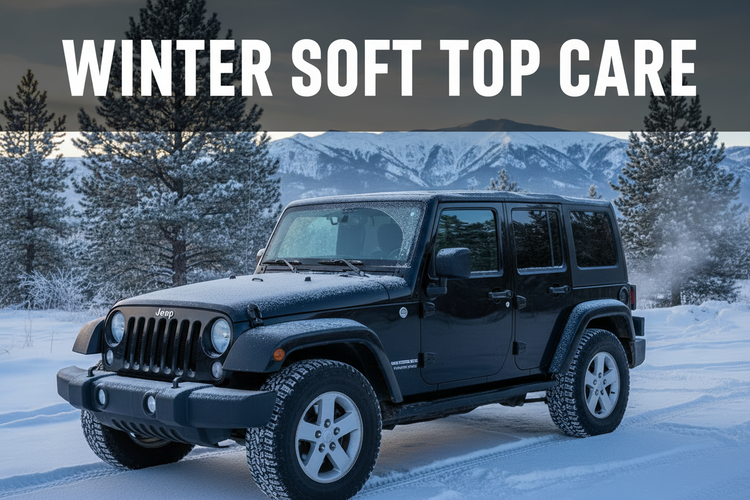
Soft tops are more sensitive to cold than hard tops. In freezing weather, the material can become brittle and crack. Use a protective conditioner recommended for your soft top. Apply it before winter to keep the material flexible. Avoid using hot water to remove ice, as this can damage the seams and windows.
Lubricate Door Seals
Frozen doors are a common winter problem. The rubber seals can freeze to the frame, making doors hard to open. Wipe the seals clean, then apply a silicone-based lubricant. This prevents moisture from sticking and keeps the doors opening smoothly.
Keeping The Engine And Battery Strong
Cold weather is hard on engines and batteries. Even Jeeps can struggle to start on icy mornings, especially if basic care is skipped.
Check The Battery Health
Batteries lose power in cold temperatures. Before winter, have your battery tested at an auto shop. If it’s more than three years old or shows signs of weakness, replace it. Keep jumper cables in your Jeep, just in case.
Use The Right Engine Oil
Thicker oil can slow your engine on cold mornings. Check your owner’s manual for the right winter-grade oil—usually something like 5W-30. The right oil flows better in the cold, reducing engine wear and improving startup.
Protect The Radiator And Cooling System
A 50/50 mix of antifreeze and water is best for most Wranglers. Test your coolant to ensure it’s strong enough for freezing temperatures. If needed, flush and refill the system before the first snow.
Warm Up The Engine Properly
Avoid idling your Jeep for long periods. Start the engine, let it run for 30–60 seconds, then drive gently until fully warmed up. This helps the engine reach operating temperature faster and reduces fuel waste.
Winter Tire Choices And Maintenance
Tires are your connection to the road. The wrong tires—or poorly maintained ones—can make snow driving dangerous.
Choose Proper Winter Tires
All-terrain tires are standard on many Wranglers, but they’re not always enough for deep snow and ice. Consider switching to dedicated winter tires. These use softer rubber and special tread patterns that grip better in cold and slippery conditions.
Here’s a quick comparison of common Jeep Wrangler tire types for winter use:
| Tire Type | Snow/Ice Grip | Durability | Price Range |
|---|---|---|---|
| All-Terrain | Moderate | High | $$ |
| Winter/Snow | Excellent | Medium | $$$ |
| Mud-Terrain | Poor | High | $$$ |
Monitor Tire Pressure
Tire pressure drops as temperatures fall—sometimes by 1 PSI for every 10°F drop. Underinflated tires reduce traction and wear out faster. Check tire pressure at least once a week and keep it at the recommended level.
Rotate Tires Regularly
Winter roads wear tires unevenly, especially when dealing with snow and ice. Rotate your tires every 5,000–7,500 miles to ensure even wear and consistent grip.
Preventing Rust And Corrosion
Rust is a Jeep owner’s worst enemy in winter. Salt and moisture can cause lasting damage if not handled early.
Wash Frequently
Wash your Wrangler every 1–2 weeks during winter, focusing on the undercarriage, wheel wells, and behind bumpers. Use a touchless or hand wash; avoid brushes that can scratch the paint.
Apply Rust Inhibitor
After each wash, spray a rust inhibitor on vulnerable spots. Pay special attention to seams, door sills, and underbody panels.
Clear Out Snow And Ice Buildup
Snow can pack into wheel wells and under the chassis, holding moisture against metal. Use a soft brush or plastic tool to knock away buildup after each drive.
Credit: thejeephut.com
Interior Protection And Comfort
Winter isn’t just tough on your Jeep’s outside; it also affects the inside. Wet boots, road salt, and condensation can damage carpets and electronics.
Use All-weather Floor Mats
Replace standard carpet mats with rubber all-weather mats. These trap water and salt, preventing stains and rust on the floorboards. They’re also easy to clean—just hose them off.
Protect The Seats
Wet clothes and snow gear can soak through seats. If you have cloth seats, consider waterproof seat covers. Leather seats should be conditioned with a product made for cold weather to prevent cracking.
Watch For Interior Fogging
Cold air outside and warm air inside can fog up windows quickly. Keep a microfiber cloth handy, and use the Jeep’s defroster often. If fogging is severe, check for leaks or clogged air vents.
Keeping The Windows And Lights Clear
Good visibility is critical for safe winter driving. Snow and ice can block lights, mirrors, and windows.
De-ice The Windshield Safely
Never pour hot water on a frozen windshield—this can crack the glass. Use an ice scraper with a plastic blade, and start your Jeep early to let the defroster work. For stubborn ice, use a commercial de-icer spray.
Use Winter Wiper Blades
Standard wipers can freeze or clog with snow. Switch to winter wiper blades that resist ice buildup and clear better in tough conditions.
Keep Lights And Mirrors Clean
Wipe headlights, taillights, and side mirrors regularly to remove salt and grime. This improves your visibility and helps others see you.
Smart Storage And Gear Tips
Winter emergencies happen. Packing the right gear ensures you’re ready for anything.
Carry Essential Emergency Supplies
At a minimum, keep these items in your Wrangler:
- Small shovel
- Traction mats or sand
- Jumper cables
- Flashlight with extra batteries
- Blanket and warm clothes
- Non-perishable snacks and water
Keep Recovery Gear Accessible
If you drive off-road or in remote areas, carry a tow strap, D-rings, and a portable air compressor. Store gear where you can reach it without digging through snow.
Protect Your Spare Tire
Spare tires can freeze to the carrier or rust. Use a spare tire cover designed for your Wrangler. This keeps snow, ice, and road salt off the rubber and metal.
Tips For Safe Winter Driving
Even with the best protection, winter roads are unpredictable. Driving smart reduces your risk of accidents and breakdowns.
Drive Slowly And Leave Space
Slow down on snow and ice, even with four-wheel drive. Increase your following distance to allow for longer stopping times.
Engage 4wd Properly
Know when to use your Jeep’s 4WD system. Use 4WD high for snowy or icy roads, but switch back to 2WD on dry pavement to avoid damaging the drivetrain.
Avoid Sudden Moves
Quick steering, braking, or acceleration can cause your Jeep to slide. Drive smoothly and anticipate turns and stops.
Common Mistakes To Avoid
Many Jeep owners make small mistakes that lead to big winter problems. Watch out for these:
- Skipping the pre-winter wash and wax, which leaves your paint unprotected.
- Forgetting to check tire pressure often.
- Using summer windshield washer fluid, which can freeze and damage the system.
- Ignoring small chips or scratches, which can become rust spots in winter.
- Letting snow pile up on the roof or hood, which can slide onto your windshield while driving.
Two Overlooked Insights For Jeep Owners
Most Wrangler guides miss these two key points:
- Disconnecting the sway bar is great for off-road, but it can allow more snow and slush to pack into suspension areas. Reconnect sway bars for better winter stability and less snow buildup.
- Leaving the parking brake on overnight in wet, freezing conditions can cause the cables to freeze. Instead, use wheel chocks if parked on a slope.

Credit: jed-co.com
Long-term Winter Storage Tips
If you store your Wrangler for the winter, follow these steps:
- Fill the gas tank to prevent moisture in the fuel system.
- Add a fuel stabilizer if the Jeep will sit for over a month.
- Disconnect the battery or use a trickle charger.
- Inflate tires to the upper recommended PSI to prevent flat spots.
- Cover the Jeep with a breathable car cover, not plastic, to avoid condensation.
Frequently Asked Questions
How Often Should I Wash My Jeep Wrangler During Winter?
Washing your Wrangler every one to two weeks is best in winter. Frequent washing removes salt and road chemicals that cause rust. Focus on cleaning the undercarriage, as this is where most salt accumulates.
Do I Need Winter Tires If My Wrangler Has Four-wheel Drive?
Yes, winter tires are recommended even with four-wheel drive. 4WD helps you move, but it doesn’t improve stopping or turning on ice. Winter tires give you much better grip in cold, snowy conditions.
Can I Use A Soft Top Jeep Wrangler In Heavy Snow?
You can, but extra care is required. Condition the soft top before winter, remove snow buildup quickly, and avoid scraping hard with metal tools. In very heavy snow regions, a hard top is more durable.
How Do I Keep My Jeep Doors From Freezing Shut?
Clean and lubricate the door seals with a silicone-based spray. This keeps moisture from sticking and prevents the seals from freezing to the frame. Don’t use oil-based sprays, as they can damage the rubber.
What Should I Keep In My Jeep For Winter Emergencies?
Always carry a small shovel, jumper cables, traction mats or sand, a flashlight, warm clothing, a blanket, and snacks. If you travel off-road, add recovery gear like a tow strap and air compressor.
For more on winter driving safety, you can check NHTSA’s official winter driving tips.
Preparing your Jeep Wrangler for snow takes some effort, but it pays off with safer drives and less winter damage. By following these tips, you can enjoy the adventure and freedom that make Jeep ownership special—even when the world is covered in white.
Credit: www.waconiadodgechryslerjeep.com
1 thought on “Jeep Wrangler Snow Protection Tips: Keep Your Ride Winter-Ready”