
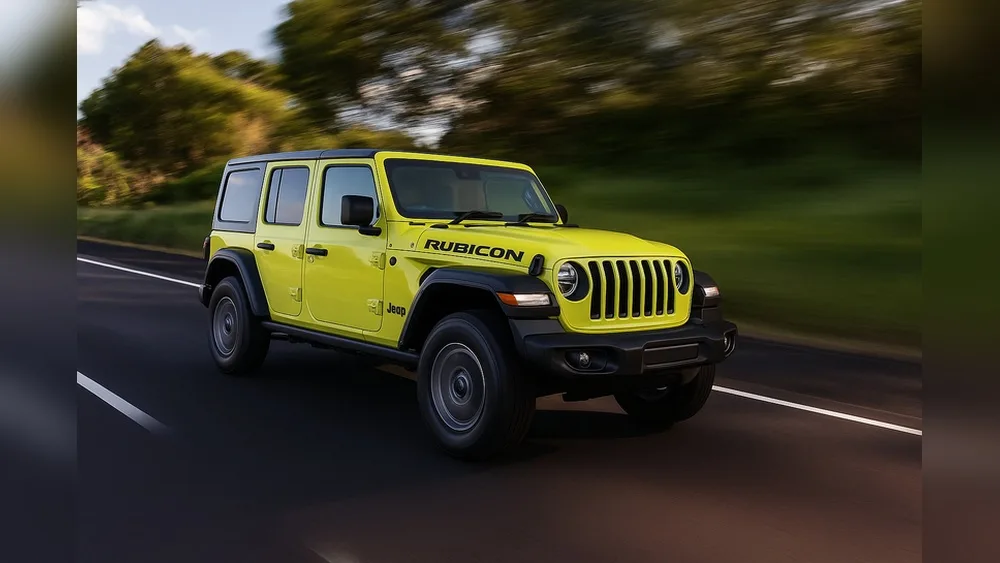
The Jeep Wrangler is more than just a vehicle—it’s a symbol of freedom and adventure. For many owners, the journey doesn’t end at the dealership. Instead, it begins with personalizing and upgrading their Jeep to match their unique style and performance needs. Whether you’re a weekend trail explorer or you want your Wrangler to turn heads on city streets, modifications can help you get the most from your vehicle. But with so many options, it’s easy to feel overwhelmed. This guide will give you clear, practical tips for modifying your Jeep Wrangler safely and effectively, even if you’re just starting out.
Understanding Jeep Wrangler Modifications
Before you start buying parts, it’s important to know what modifications really mean. A modification is any change you make to your Jeep that is different from how it was built at the factory. This can include small changes, like new floor mats, or bigger upgrades, like a suspension lift. Modifications can improve looks, increase off-road abilities, or make daily driving more comfortable. However, every change can also affect safety, handling, and even your Jeep’s warranty.
Many owners jump into modifications without a plan. They might buy big tires first, only to realize later that they also need a lift kit and gear ratio changes. Planning ahead will help you save money and avoid mistakes.
Non-obvious Insight 1: Prioritize Your Goals
Ask yourself: Do you want better off-road performance, cooler looks, or more comfort? List your top goals before spending money. This will guide every decision you make and prevent wasteful upgrades.
Essential Jeep Wrangler Modification Tips
1. Upgrade The Tires And Wheels
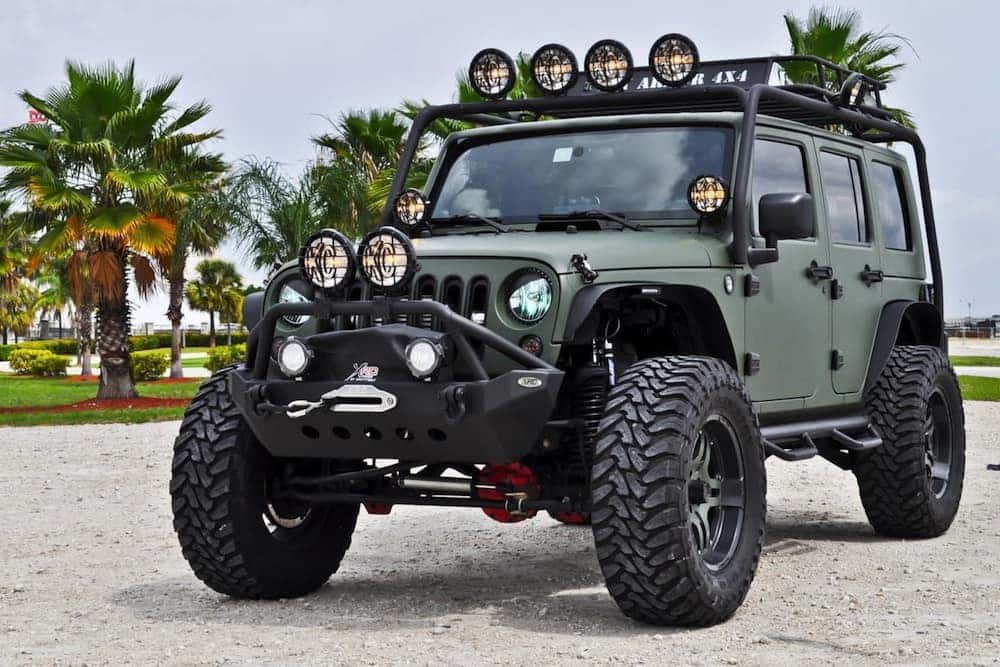
One of the most popular changes is installing larger, more aggressive tires. Bigger tires can help you drive over rocks, mud, and sand. However, there are some things to watch for:
- Stock Wranglers can usually fit up to 33-inch tires without modifications.
- Going to 35-inch or larger tires often requires a lift kit and may need adjustments to the fender or suspension.
- Heavier tires can reduce fuel economy and put more stress on the brakes and drivetrain.
It’s smart to choose wheels with the correct backspacing and offset to avoid rubbing against the fenders.
2. Install A Suspension Lift Kit
A lift kit raises your Jeep’s body or suspension to create more space for bigger tires and extra ground clearance. There are two main types:
- Body lifts: These are less expensive and lift only the body, not the frame.
- Suspension lifts: These give more clearance but can change the way your Jeep handles.
Even a small lift (2–2. 5 inches) can make a big difference off-road. Be sure to choose a lift that matches your needs and driving style. Cheap kits may cause poor ride quality or unsafe handling.
3. Strengthen The Drivetrain
Larger tires and extra weight can stress the axles, driveshafts, and gears. Upgrading to stronger axles or changing your gear ratios can help maintain performance and reliability. This is especially important for Wranglers with heavy off-road use.
For example, if you move from factory 3. 21 gears to 4. 10 or 4. 56, your Jeep will feel more powerful and accelerate better with larger tires.
4. Add Skid Plates And Rock Sliders
Skid plates protect the underside of your Jeep from rocks, stumps, and other obstacles. Common areas to protect include the oil pan, transmission, and gas tank. Rock sliders are heavy-duty bars that shield the sides and help you slide over rocks instead of damaging the body.
Some owners skip these upgrades, but a single trip on a tough trail can cost thousands in repairs if you’re not protected.
5. Upgrade Bumpers And Winches
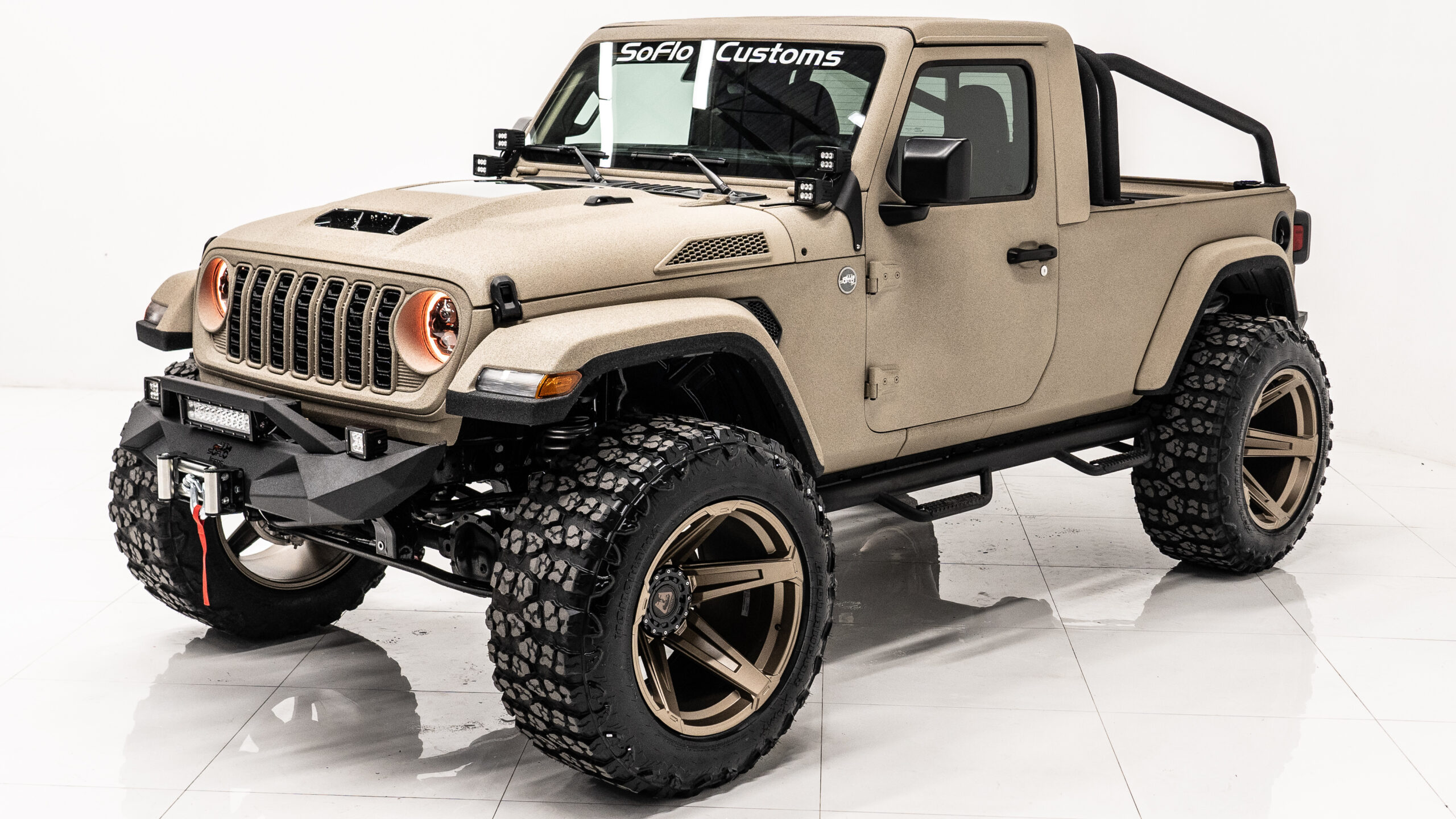
Aftermarket steel bumpers are stronger than stock plastic ones. They provide better protection and often include mounts for winches. A winch is an electric or hydraulic device that can pull your Jeep out if you get stuck.
If you go off-roading alone, a winch is almost essential. Make sure the winch’s pull rating is at least 1. 5 times your Jeep’s weight.
6. Improve Lighting
Factory headlights are often too dim for night trails or rural roads. Upgrading to LED headlights and adding extra light bars or spotlights can make a big difference. Just be careful to aim your lights properly so you don’t blind other drivers.
7. Upgrade The Suspension Components
Beyond just lifting the Jeep, you can upgrade parts like control arms, shocks, and sway bar links. Better components can improve both off-road control and on-road comfort. Adjustable shocks let you fine-tune your ride for different conditions.
8. Enhance Air Intake And Exhaust
Improving airflow can add a small boost in power and engine response. Cold air intakes and performance exhaust systems are popular choices. However, don’t expect huge horsepower gains—most improvements are modest unless combined with other engine upgrades.
9. Install A Snorkel
A snorkel moves the air intake higher up on the Jeep, so you can cross deep water without damaging the engine. If you plan to cross rivers or muddy trails, a snorkel is a smart investment.
10. Re-gear For Performance
If you increase tire size, your engine may feel weak, and your fuel economy can drop. Re-gearing changes the differential’s gear ratio to match your new tires. This restores lost power and reduces stress on the drivetrain.
11. Add Locking Differentials
A locking differential ensures both wheels on an axle turn at the same speed, even if one has no traction. This is essential for serious off-roading on rocks, mud, or snow. Factory Rubicons have lockers, but other models may need aftermarket kits.
12. Upgrade Recovery Gear
Never hit the trail without recovery gear like tow straps, D-rings, and a hi-lift jack. These tools can save you or your friends if you get stuck. Store them in an easy-to-reach spot.
13. Invest In Quality Suspension Bushings
Many owners ignore suspension bushings, but upgrading to polyurethane or heavy-duty versions can improve ride quality and durability, especially on rough terrain.
14. Add On-board Air Systems
An on-board air compressor lets you air down tires for better traction on trails and reinflate them afterward. It’s also useful for fixing flats or running air tools.
15. Install Upgraded Brakes
Bigger tires and more weight make stopping harder. Upgrading to larger rotors, better pads, or even a big brake kit can improve safety and control, especially when driving downhill.
16. Add Storage Solutions
As you modify your Jeep, you may carry more gear. Install lockable storage boxes, cargo racks, or MOLLE panels to keep everything organized and secure, both on and off-road.
17. Upgrade Interior Comfort
Simple upgrades like waterproof seat covers, all-weather floor mats, or better sound systems can make long trips more enjoyable. Many parts are easy to install and protect your Jeep’s resale value.
18. Install Aftermarket Fenders
High-clearance or flat fenders allow for larger tires and better articulation without rubbing. They also give your Wrangler a custom, aggressive look. Choose materials like steel or aluminum for durability.
19. Improve Suspension Articulation
Sway bar disconnects and long-arm kits allow your Jeep’s suspension to flex more, keeping all wheels on the ground for better traction on uneven terrain.
20. Use Proper Tires For Your Needs
There are many types of off-road tires: mud-terrain, all-terrain, and hybrid models. Don’t just pick the biggest or most aggressive. Match your tire type to your driving (mud, sand, snow, or mostly pavement) for best results.
Credit: www.kendalldodgechryslerjeepram.com
Common Mistakes To Avoid
Many Jeep owners make the same errors when modifying their Wranglers. Here are two non-obvious, but critical, tips:
- Mixing Incompatible Parts: Sometimes, upgrades from different brands don’t fit or work well together. Always check compatibility before buying.
- Neglecting Legal Requirements: Some modifications, like very tall lifts or bright lights, may not be legal in your state or country. Check local regulations to avoid fines or failed inspections.
Planning Your Modification Budget
Jeep modifications can get expensive. Here’s a comparison of typical costs for popular upgrades:
| Modification | DIY Cost (USD) | Professional Cost (USD) |
|---|---|---|
| Tires & Wheels | 1,200–2,000 | 1,500–2,500 |
| Lift Kit | 400–1,500 | 1,000–3,500 |
| Winch & Bumper | 800–1,800 | 1,000–2,500 |
| LED Lighting | 200–600 | 300–900 |
Costs can vary widely based on brand, quality, and your location.

Credit: www.motortrend.com
Choosing Between Popular Lift Heights
The right lift height depends on your goals and tire size. Here’s a quick comparison:
| Lift Height (inches) | Max Tire Size | Best For |
|---|---|---|
| 1–2 | 32″ | Daily driving, mild trails |
| 2–2.5 | 33–35″ | Moderate trails, balance |
| 3–4+ | 35–37+” | Serious off-roading |
Off-road Capability Vs. Daily Comfort
Every modification has trade-offs. Here’s a look at how different upgrades affect comfort and off-road ability:
| Upgrade | Off-Road Gain | On-Road Comfort |
|---|---|---|
| Big Tires | High | Medium–Low |
| Lift Kit | High | Medium |
| Aftermarket Shocks | Medium | High |
| Lockers | Very High | Low (if used on pavement) |
Always balance your Jeep for how you drive most.
Getting The Most From Your Jeep Wrangler
Start with a clear plan and budget. Focus on upgrades that match your goals, not just what looks cool online. Quality parts, proper installation, and regular maintenance will keep your Jeep safe and fun for years. If you’re unsure about anything, ask experienced owners or check trusted forums.
And remember—every Jeep is unique, so make it your own.
For deeper technical details on Jeep modifications, visit the Jeep Wrangler Wikipedia page.
Frequently Asked Questions
What Is The Best First Modification For A Jeep Wrangler?
Most owners start with better tires. All-terrain or mud-terrain tires improve both looks and off-road ability without major changes. If you plan to go off-road, consider a small lift and skid plates next.
Will Modifications Void My Jeep Wrangler’s Warranty?
Some modifications can affect your factory warranty, especially if they cause damage to related parts. Always check your warranty terms and speak with your dealer before making major changes.
How Big Of A Tire Can I Fit Without A Lift Kit?
Most Wranglers can fit up to 33-inch tires with no lift. Going larger usually requires a lift kit and possibly other adjustments like new fenders.
Are Led Headlights Worth It For Off-roading?
LED headlights are brighter and last longer than stock lights. They’re a good upgrade for safer night driving, especially if you’re on unlit trails.
What’s The Difference Between A Body Lift And A Suspension Lift?
A body lift raises the body off the frame, giving a mild lift for bigger tires but not more ground clearance. A suspension lift raises the whole vehicle, improving clearance and off-road performance, but often costs more.
With the right modifications, your Jeep Wrangler can handle almost anything you throw at it—on or off the road. Plan carefully, choose wisely, and enjoy the journey.
Credit: theshopmag.com