
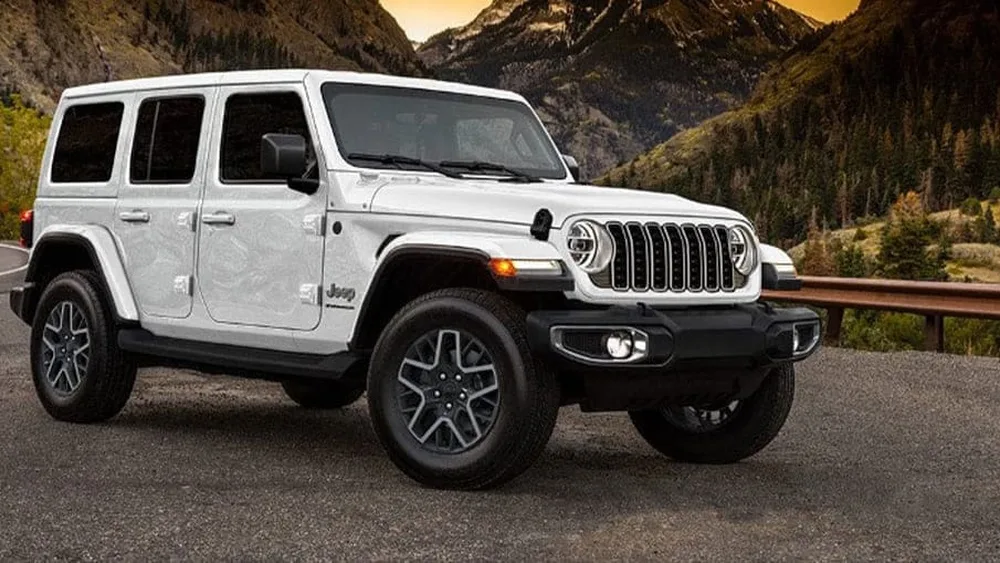
The Jeep Wrangler JK is more than just a vehicle—it’s a blank canvas for adventure. Since its launch in 2007, the JK model has won the hearts of off-road fans and city drivers alike. Why? Because it’s easy to customize.
From the suspension to the seat covers, almost every part can be changed or improved. Whether you’re looking for serious off-road power or just want your Jeep to stand out in a parking lot, you have endless options.
But with so many choices, it’s easy to get lost. Where should you start? What upgrades actually make a difference? And which ones are just for looks? This guide will take you through the main areas of Jeep Wrangler JK customization. You’ll learn what matters, what works, and how to avoid costly mistakes. Even if you’re new to Jeeps, you’ll find practical advice to help you build your dream ride.
Choosing Your Customization Goals
Before buying parts or making changes, think about what you want from your Jeep. Are you building a rock crawler, an overland explorer, or just adding some style? Setting clear goals helps you spend your money wisely.
- Off-road performance: Focus on tires, suspension, armor, and recovery gear.
- Daily driving comfort: Look at seats, sound systems, and climate controls.
- Appearance: Consider wheels, lights, and unique exterior touches.
- Overlanding: Storage, rooftop tents, and extra fuel/water systems matter.
A common mistake: Trying to do everything at once. Start with the basics, then upgrade as you learn what fits your lifestyle.
Wheels And Tires
One of the first things most owners change is the wheels and tires. Bigger tires give the Wrangler a tougher look and better grip off-road. But size matters—not just for style, but for safety and performance.
| Tire Size | Benefits | Potential Issues |
|---|---|---|
| 31-33 inch | Balanced look, fits stock suspension | Minor speedometer error |
| 35 inch | Great off-road, aggressive stance | May need lift, affects fuel economy |
| 37 inch+ | Serious off-roading, maximum ground clearance | Requires major upgrades, heavy wear on parts |
All-terrain tires are best for mixed use, while mud-terrain tires grip better on rough trails. Remember: Larger tires often require a lift kit and changes to your gears.
Suspension Upgrades
The suspension system has a huge impact on how your Jeep handles both on and off the road. A simple 2-inch lift kit allows for larger tires and better clearance. For more serious off-roading, a 3-4 inch lift with new shocks, springs, and control arms can transform your JK.
Suspension upgrades give you:
- Improved ground clearance
- Better shock absorption on rough trails
- Room for bigger tires
But there’s a trade-off. Very tall lifts can hurt stability on highways and may require more steering and brake upgrades. Think about what type of driving you do most before choosing your lift.
Armor And Protection
Your Jeep’s underbody and body panels can take a beating off-road. That’s why armor upgrades are so popular. The main options include:
- Rock sliders: Protect door sills from rocks and stumps.
- Skid plates: Shield the oil pan, transfer case, and gas tank.
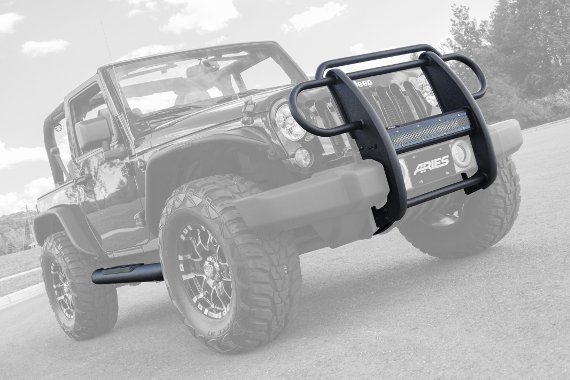
- Bumpers: Heavy-duty front and rear bumpers improve protection and allow winch mounting.
- Differential covers: Stronger covers for your axle gears.
A strong bumper and rock sliders are smart first upgrades for anyone who plans to leave the pavement.
Lighting Upgrades
Stock headlights on the JK are often too dim for safe night driving—especially off-road. Upgraded lighting can make a dramatic difference.
- LED headlights: Brighter, longer lasting, and use less power.
- Fog lights: Cut through bad weather and dust.
- Light bars: Mount above the windshield or on the bumper for maximum trail vision.
- Taillight guards: Protect the rear lights from damage.
Don’t forget to check your local laws about extra lights. Not all lighting is street legal everywhere.
Winches And Recovery Gear
Getting stuck is part of the fun—if you’re ready for it. A winch is the single most useful recovery tool you can add. It lets you pull yourself (or others) out of mud, sand, or snow.
Key winch features:
- Pull rating: Should be at least 1.5 times your Jeep’s weight.
- Synthetic rope: Lighter and safer than steel cable.
- Remote control: Lets you operate the winch from a safe distance.
Other smart recovery gear includes D-rings, recovery straps, and a hi-lift jack. Store them where they’re easy to reach, not buried under camping gear.
Credit: www.ariesautomotive.com
Interior Modifications
Don’t forget about comfort and practicality inside your JK. Upgrades here can make long drives and trail days much better.
- Seat covers: Protect from mud, water, and sun damage.
- Floor liners: Keep the cabin cleaner and make washing out easier.
- Locking storage: Keep valuables safe when the top is off.
- Navigation systems: Off-road GPS units help you stay found when cell service is gone.
- Upgraded sound systems: Enjoy your music even with the top off and wind blowing.
A non-obvious tip: Add a CB radio or other communication device if you go off-roading in groups—cell phones often don’t work on remote trails.
Performance Upgrades
Want more power or better fuel economy? The Wrangler JK can be improved under the hood, too. Common performance mods include:
- Cold air intakes: Help the engine “breathe” for slight power gains.
- Cat-back exhaust systems: Improve sound and sometimes horsepower.
- Re-gearing axles: Required for bigger tires to keep acceleration and transmission health.
- Engine tuners: Reprogram your Jeep’s computer for more power or better shifting.
Many beginners focus on “bolt-on” upgrades like intakes and exhausts but forget the importance of re-gearing with large tires. Without this, your Jeep will feel slow and work harder, causing more wear.
Credit: www.gonzaloamat.com
Exterior Accessories
Personalizing the outside of your JK is where creativity shines. Popular options include:
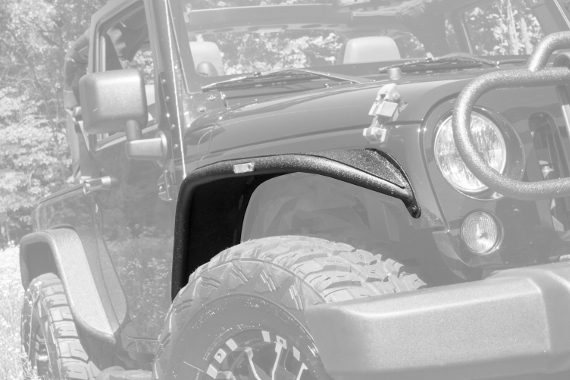
- Aftermarket fender flares: Allow bigger tires and prevent mud splatter.
- Hood latches: Prevent hood flutter at highway speeds.
- Decals and wraps: Add color and style, from subtle to wild.
- Soft tops and hard tops: Switch between open-air freedom and weather protection.
- Door options: Half doors, tube doors, or no doors at all for the full Jeep experience.
Switching to half or tube doors gives a feeling of openness on the trail, but keep safety in mind—always wear your seatbelt.
Roof Racks And Storage
If you take long trips or carry lots of gear, extra storage is a must. Roof racks and cargo systems make it easy.
| Storage Type | Best Use | Notes |
|---|---|---|
| Roof rack | Overlanding, large items | Adds height, affects fuel economy |
| Rear cargo shelf | Everyday gear, groceries | Easy to install, removable |
| Onboard drawers | Tools, recovery gear | Reduces rear cargo space |
A practical tip: Don’t overload your roof rack. The JK’s center of gravity is high, and too much weight up top can make it tip easier off-road.
Credit: www.ariesautomotive.com
Soft Tops, Hard Tops, And Doors
Changing your Jeep’s top and doors is the easiest way to change both look and function.
- Soft tops: Fast to remove, lightweight, but noisier and less secure.
- Hard tops: Quieter, better insulation, more secure, but heavier and harder to remove.
- Bikini tops: Minimal protection, great for sun and summer.
Mixing and matching doors and tops lets you adapt for the season or your adventure. Just be sure to store your hard top safely—dropping it can cause expensive damage.
Brake And Steering Upgrades
Larger tires and higher lifts put extra stress on your brakes and steering. Don’t ignore these vital safety upgrades.
- Big brake kits: Larger rotors and calipers for better stopping power.
- Stainless steel brake lines: Resist damage and swelling.
- Steering stabilizers: Reduce “death wobble” caused by big tires and rough roads.
- Heavy-duty tie rods: Withstand hits from rocks and off-road abuse.
Many beginners skip brake upgrades and focus on looks—this is a mistake. Safe stopping is more important than flashy parts.
Gearing And Drivetrain
The Jeep’s drivetrain needs attention, especially if you add larger tires. The wrong gear ratio makes your engine and transmission work too hard.
| Tire Size | Recommended Gear Ratio (Auto) | Recommended Gear Ratio (Manual) |
|---|---|---|
| 33 inch | 4.10 | 3.73 |
| 35 inch | 4.56 | 4.10 |
| 37 inch | 5.13 | 4.88 |
Another non-obvious insight: Upgrading to stronger axles or adding lockers (for better off-road traction) is smart if you plan hardcore off-roading. Stock axles can break with big tires and rough use.
Custom Paint And Wraps
A fresh paint job or vinyl wrap can make your JK stand out. Wraps are especially popular because they protect the paint, are reversible, and come in endless styles. Custom colors, camo patterns, and even company logos are all possible.
Paint jobs are more permanent but can increase resale value if done professionally. Just remember, quality counts—cheap wraps or paint can peel or fade quickly.
Legal And Insurance Considerations
Every area has its own rules about vehicle modifications. Common legal issues include:
- Maximum bumper and headlight height
- Tire coverage by fenders
- Emissions compliance with engine mods
- Lighting regulations
Check your local laws before making major changes. Also, tell your insurance company about big modifications. Some upgrades may raise your rates, but hiding them can void your coverage in an accident.
For more on Jeep modifications and laws, see the official Jeep Wrangler Wikipedia page.
Frequently Asked Questions
What Is The First Modification I Should Make To My Jeep Wrangler Jk?
Most owners start with tires and wheels. This gives the biggest change in look and performance. If you plan to go off-road, consider a mild lift kit and rock sliders as well.
Do I Need To Re-gear My Jeep After Adding Larger Tires?
If you go up to 35-inch tires or larger, re-gearing is strongly recommended. It keeps your Jeep’s power and protects the transmission from extra strain.
Will A Lift Kit Hurt My Jeep’s Daily Driving?
A small lift (2–2. 5 inches) usually keeps ride quality good. Big lifts (over 4 inches) can make highway driving less stable unless you upgrade other parts like steering and brakes.
Are Customizations Covered By Insurance?
You must report major modifications to your insurance company. Some may be covered, but others will need extra coverage. Hiding upgrades can cause problems if you make a claim.
How Much Does It Cost To Customize A Jeep Wrangler Jk?
Costs vary widely. Basic upgrades (wheels, tires, mild lift) can start around $2,000–$3,000. Serious off-road builds with armor, gears, winch, and more can easily reach $10,000 or more.
Transforming your Jeep Wrangler JK is a journey, not a race. Take time to research, set your goals, and build your Jeep step-by-step. With smart choices and a focus on both performance and safety, your JK can be as unique as you are—ready for city streets or the toughest trails.