
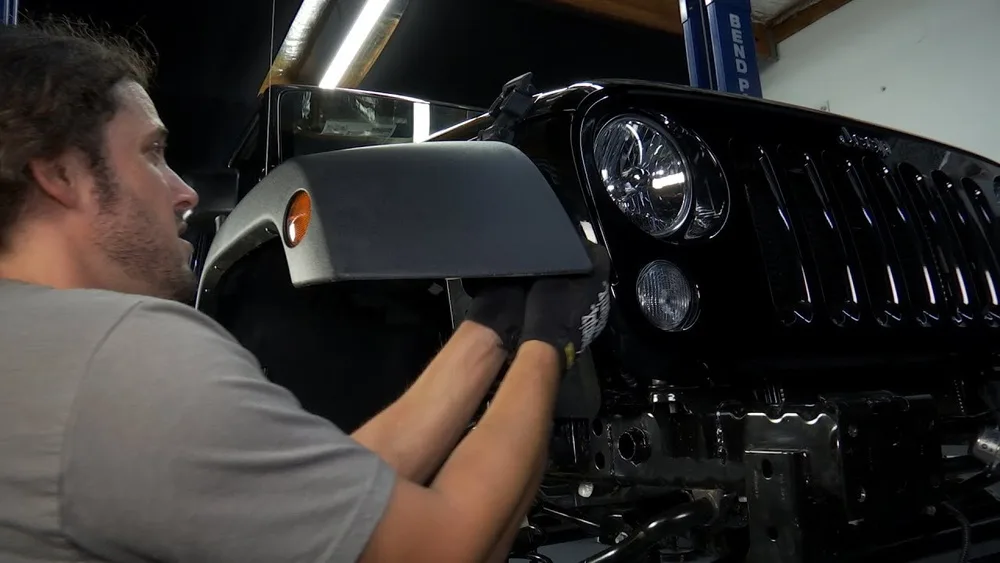
Removing Jeep fender flares is a common job for Jeep owners who want a new look, need to replace damaged flares, or plan to upgrade to larger tires. If you haven’t done it before, the process can feel confusing. But with the right steps, tools, and tips, you can remove fender flares safely and efficiently—without damaging your Jeep’s body or paint. This guide will walk you through everything you need to know, whether you drive a Jeep Wrangler, Cherokee, or Gladiator.
Why Remove Fender Flares?
People remove Jeep fender flares for many reasons. Some want to install aftermarket flares for better off-road protection or a tougher look. Others need to fix rust, repaint, or replace cracked flares. Removing the flares also gives easier access to suspension parts, especially when upgrading wheels or tires. It’s important to understand that fender flares protect your Jeep’s body from mud, rocks, and debris, so you should not leave them off for long periods.
Tools And Materials You’ll Need
Before starting, gather the tools and materials. Having everything ready saves time and prevents mistakes.
- Socket wrench set (metric and SAE)
- Flathead screwdriver
- Phillips screwdriver
- Trim removal tool
- Torx bits (often T25 or T30 for Jeep)
- Plastic pry tool
- Panel clips or rivet remover
- Gloves
- Safety goggles
- Clean rag
For some models, you may need extra items like a drill or adhesive remover if the flares use double-sided tape. Always check your Jeep’s manual for specific fastener types.

Credit: www.youtube.com
Preparing Your Jeep
Good preparation makes the job easier and protects your vehicle. Park your Jeep on a flat surface. Turn off the engine and let it cool. Wash the fenders and flares to remove dirt, mud, or debris. This prevents scratches and makes the fasteners easier to access.
If you are working inside, make sure you have enough light. Cover nearby areas with a rag or painter’s tape to protect the paint. If you plan to reuse the flares, clean them thoroughly before removal.
Step-by-step Removal Process
The method can vary between models, but most Jeeps follow a similar process. Here’s a practical advisor’s step-by-step guide:
1. Locate Fasteners And Clips
Examine the edge of the fender flares. You’ll see screws, bolts, or plastic clips—usually inside the wheel well or along the fender lip. Some Jeeps use Torx screws, while others use standard bolts. Identify each fastener type before starting.
2. Remove Screws And Bolts
Use your socket wrench or screwdriver to loosen and remove all visible screws and bolts. For Torx screws, use the correct bit (often T25 or T30 for Jeep). Work slowly to avoid stripping the heads. If a bolt is rusted or stuck, spray it with penetrating oil and wait a few minutes.
3. Pry Off Plastic Clips
Plastic clips secure most fender flares. Insert a trim removal tool or flathead screwdriver behind the flare and gently pry out the clips. Move along the flare, popping out clips one by one. Be careful—clips can break easily. If you plan to reuse the flares, save the clips or buy replacements.
4. Separate The Flare From The Body
Once all fasteners are removed, the flare should feel loose. Gently pull it away from the Jeep’s body. If you feel resistance, check for hidden screws or clips. Never force the flare off, as this can damage the paint or bend the metal. If adhesive tape is used, slide a plastic pry tool under the flare and work slowly.
5. Clean The Fender Area
After removing the flare, you’ll see dirt, adhesive, or rust left behind. Clean the area with a rag and mild soap. For leftover tape or glue, use adhesive remover. Check for rust and touch up paint if needed. This prevents corrosion and helps new flares fit properly.
6. Repeat For All Flares
Jeep vehicles usually have four fender flares—two front, two rear. Repeat the removal process for each one. Some models have extra fasteners for rear flares, so check carefully.

Credit: www.reddit.com
Jeep Model Differences
Different Jeep models have unique flare designs and fastener locations. Here’s a comparison to make things clearer:
| Jeep Model | Common Fastener Types | Flare Material | Removal Difficulty |
|---|---|---|---|
| Wrangler JK | Torx screws, plastic clips | Plastic | Easy |
| Wrangler JL | Plastic rivets, bolts | Plastic | Medium |
| Cherokee | Screws, adhesive tape | Plastic | Medium |
| Gladiator | Torx screws, clips | Plastic | Easy |
Wrangler JK flares are usually the easiest to remove, with visible Torx screws and clips. The Wrangler JL and Cherokee often use rivets or adhesive, so extra care is needed. Always consult your Jeep’s manual for precise instructions.
Common Mistakes And How To Avoid Them
Removing fender flares is simple, but beginners often make mistakes. Here are some you should avoid:
- Stripping screw heads: Always use the correct tool. If a screw won’t budge, add oil and wait.
- Breaking clips: Pry gently with a plastic tool. If a clip breaks, replace it instead of forcing reuse.
- Scratching paint: Cover nearby areas with painter’s tape. Never use metal tools directly on paint.
- Missing hidden fasteners: Double-check all areas before pulling. If the flare won’t move, look for extra screws.
- Ignoring rust: Clean and treat any rust before re-installing new flares.
Non-obvious insight: Some flares have hidden screws behind mud guards or inside the wheel liner. Removing mud guards first can reveal these fasteners.

Credit: www.reddit.com
Tips For A Smooth Removal
Follow these tips for a safe and efficient job:
- Work on one flare at a time. This helps you remember fastener locations.
- Take photos of each step. Photos help during re-installation.
- Keep all screws and clips in a labeled container.
- Use a panel clip remover instead of a screwdriver for less damage.
- If your Jeep uses adhesive, heat the area with a hairdryer to soften the glue.
- Plan ahead—if you want to install new flares, have them ready before removal.
After Removal: What’s Next?
Once the fender flares are off, you have several options. You can install new flares, repaint the area, or leave it bare for off-road use. If you drive on public roads, it’s best to install flares, as they are required by law in many places.
If you plan to install new flares, clean and dry the area thoroughly. Test-fit the new flares before attaching them. For adhesive flares, follow the manufacturer’s instructions carefully.
Here’s a quick comparison of flare types you might install:
| Flare Type | Material | Protection | Installation |
|---|---|---|---|
| OEM | Plastic | Basic | Easy |
| Aftermarket (Wide) | ABS, fiberglass | High | Medium |
| Metal | Steel, aluminum | Maximum | Hard |
Non-obvious insight: Wide aftermarket flares protect from mud better but can require more drilling. Metal flares last longer but are heavier and need strong mounting points.
Should You Remove Flares Yourself Or Get Professional Help?
If you have basic tools and patience, you can remove fender flares yourself. Most jobs take 1–2 hours for all four flares. If your Jeep has rusted bolts or glued flares, the job is harder. In these cases, a professional body shop can help.
The average cost for removal at a shop is $100–$200, depending on your location.
If you want to upgrade to custom flares, many shops offer installation packages. Always check reviews and ask for warranty information before hiring.
Safety Reminders
Safety is key. Wear gloves and goggles. Avoid working under the Jeep unless it’s properly lifted and secured. If using power tools, follow all safety instructions.
If you remove flares for off-roading, remember that tires can throw rocks and debris. Consider temporary flares or mud guards if you drive on rough terrain.
Frequently Asked Questions
What Are Fender Flares?
Fender flares are extensions that cover the wheel wells. They protect the Jeep’s body from mud, rocks, and road debris, and are often required by law for wider tires.
Can I Reuse Old Fender Flares?
Yes, if they are not cracked or warped. Save all clips and screws. Clean the flares before re-installation. If clips break, buy replacements.
Do I Need Special Tools For Jeep Flares?
Most jobs need basic tools like a socket wrench, Torx bits, and a trim removal tool. Some models use adhesive, so a heat gun or hairdryer helps.
Will Removing Flares Affect My Jeep’s Warranty?
Usually, removing fender flares does not void the warranty. However, aftermarket installations or damage caused during removal may affect coverage. Check with your dealer for details.
Where Can I Find Replacement Clips Or Fasteners?
Replacement clips and fasteners are sold online, at auto parts stores, or Jeep dealerships. Check your model’s part number for a perfect fit. For more details, visit the official Jeep website.
Removing fender flares can be a rewarding job for Jeep owners. By following these steps, you’ll protect your vehicle, avoid mistakes, and prepare for future upgrades. Take your time, use the right tools, and your Jeep will look and perform its best—on and off the road.