

Jeep side steps are more than just accessories; they make it easier to climb in and out of your vehicle, especially if you have a lifted Jeep. They also add style and protection to your ride. But like any Jeep part, side steps need regular care to stay in good shape. If you don’t maintain them, rust, dirt, and damage can quickly ruin their look and function. Let’s explore how you can keep your Jeep side steps looking great and working perfectly, whether you drive off-road or stick to city roads.
Why Maintaining Jeep Side Steps Matters
Many Jeep owners overlook side steps after installation. However, side step maintenance is important for several reasons:
- Safety: Slippery or loose side steps can cause accidents.
- Durability: Proper care extends the life of your side steps, protecting your investment.
- Appearance: Clean, undamaged side steps improve your Jeep’s look and resale value.
- Functionality: Well-maintained steps provide reliable support every time you use them.
A little maintenance goes a long way. Ignoring side steps can lead to expensive repairs or replacements down the road.
Types Of Jeep Side Steps And Their Maintenance Needs
Understanding what kind of side steps your Jeep has is the first step toward proper care. The three most common types are nerf bars, rock sliders, and power steps. Each has its own maintenance requirements.
| Type | Main Material | Maintenance Focus | Common Issues |
|---|---|---|---|
| Nerf Bars | Steel/Aluminum | Rust prevention, cleaning | Surface rust, scratches |
| Rock Sliders | Steel | Damage inspection, repainting | Dents, paint chips |
| Power Steps | Aluminum/Composite | Lubrication, electronics check | Motor failure, dirt buildup |
Nerf Bars
These rounded or flat bars run along the side of your Jeep. They’re usually made from steel or aluminum. Nerf bars are mostly about convenience and appearance, but they need regular cleaning to avoid rust.
Rock Sliders
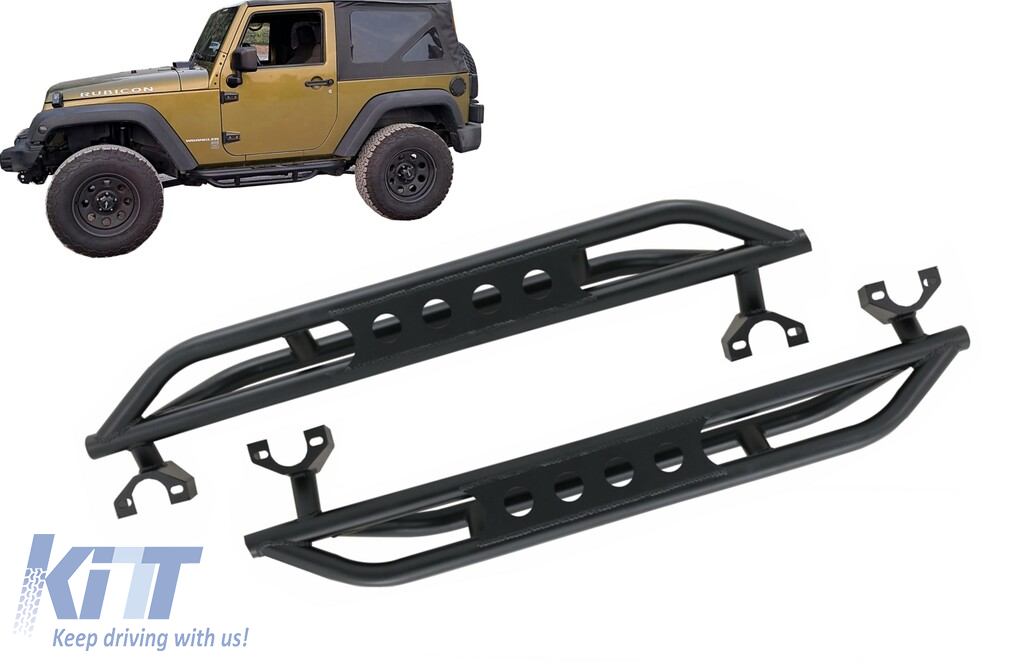
Heavy-duty rock sliders protect your Jeep’s body during off-road adventures. They’re designed to take hits from rocks or debris. Maintenance here means looking for dents, deep scratches, and chipped paint.
Power Steps
Power steps fold down automatically when you open the door. They have electric motors and sensors. Maintenance includes keeping the mechanism clean and lubricated.
Basic Cleaning: The Foundation Of Good Maintenance
Keeping your Jeep side steps clean is the most important maintenance task. Dirt, mud, road salt, and moisture can cause rust and wear if left on the surface.
Step-by-step Cleaning Process
- Rinse with Water: Use a hose to remove loose dirt and mud. Focus on the underside where debris collects.
- Apply Car Soap: Use a mild automotive soap and a soft brush or sponge. Avoid harsh chemicals that can damage the finish or rubber pads.
- Scrub Gently: Clean all parts, including corners and mounting points. For textured surfaces, use a soft-bristled brush.
- Rinse Again: Make sure all soap is washed off. Leftover soap can cause streaks or attract more dirt.
- Dry Completely: Wipe with a microfiber towel. Water left on metal can cause rust, especially on steel side steps.
Cleaning Frequency
- Normal Use: Clean every 2-4 weeks.
- Off-Roading: Clean after each trail ride.
- Winter: Clean weekly to remove road salt, which quickly causes rust.
Non-obvious Tip
Don’t forget to clean the mounting brackets and bolts. These hidden spots often collect dirt and salt, leading to unnoticed rust that can weaken the side steps over time.
Rust Prevention: Essential For Longevity
Rust is the enemy of metal Jeep side steps. Even aluminum steps can corrode if their protective finish is damaged. Preventing rust starts with regular cleaning, but you need to do more.
Protective Coatings
Apply a wax or sealant after cleaning. This creates a barrier against water, salt, and grime.
- Car Wax: Works well for painted or powder-coated side steps.
- Spray Sealant: Quick to apply and good for raw metal surfaces.
- Rust Converter: For small rust spots, converts rust to a stable surface and stops spreading.
Touch Up Paint
Small scratches or chips expose bare metal. Use touch-up paint to cover these areas before rust starts. Always match the paint to your Jeep’s color or the side step’s finish.
Inspect Regularly
Look for orange or brown discoloration, especially at welds or mounting points. Treat any rust spots immediately.
Non-obvious Tip
If you live near the ocean, salt air can cause corrosion even if you don’t drive on salted roads. Clean and protect your side steps more often in coastal areas.
Credit: www.carpartstuning.com
Fastener And Bracket Checks
Side steps are only as strong as their mounting hardware. Loose bolts or weak brackets can make the steps unsafe and damage your Jeep’s body.
Inspection Steps
- Check Tightness: Every month, use a wrench to check all bolts and nuts.
- Look for Rust: Pay special attention to brackets, which are often hidden from view.
- Replace Worn Parts: Swap out any rusty or stripped bolts with stainless steel if possible.
- Check for Cracks: Metal fatigue can cause cracks in mounting brackets, especially after off-road use.
Data Comparison
Here’s a quick look at common fastener materials and their rust resistance:
| Material | Rust Resistance | Best Use |
|---|---|---|
| Carbon Steel | Low | Budget installs, dry climates |
| Stainless Steel | High | Wet/salty conditions |
| Galvanized Steel | Medium | General use |
Upgrading to stainless steel fasteners is an easy way to reduce rust and make maintenance easier.
Caring For Rubber And Plastic Parts
Many side steps have rubber pads or plastic covers for grip and style. These parts can crack, fade, or come loose over time.
How To Maintain Rubber And Plastic
- Clean with Mild Soap: Avoid strong cleaners that dry out rubber or plastic.
- Use Protectant: After washing, apply a UV-protectant spray to prevent cracking and fading.
- Check for Loose Pads: Re-glue or replace any pads that start to peel off.
- Inspect for Damage: Replace worn or slippery pads to maintain safe footing.
Example
A common problem is rubber pads peeling away after a few hot summers. If you notice this, replace the pad before water gets underneath and causes rust or mold.

Credit: www.autonationchryslerdodgejeepramnorthrichlandhills.com
Power Side Step Maintenance
If your Jeep has power steps, you have extra things to check. These steps use electric motors, sensors, and hinges that need to stay clean and lubricated.
What To Do
- Clean Hinges and Tracks: Dirt buildup can jam the mechanism. Use compressed air or a brush.
- Lubricate Moving Parts: Apply silicone spray or white lithium grease to hinges, pivots, and tracks.
- Check Wiring: Inspect for loose or damaged wires, especially after off-roading.
- Test Operation: Open and close the doors to make sure steps deploy smoothly. Listen for grinding or hesitation.
Non-obvious Insight
Never use thick grease on power step tracks, as it can collect dust and gum up the mechanism. Silicone spray is best because it doesn’t attract dirt.
Dealing With Scratches, Dents, And Trail Damage
Side steps take hits, especially off-road. Scratches are common, but deep gouges or dents need attention.
How To Handle Damage
- Clean the Area: Remove dirt so you can see the full damage.
- Assess Severity: Small scratches can be buffed out or touched up. Large dents may require professional repair.
- Touch Up Paint: Cover scratches quickly to avoid rust.
- Straighten Bent Metal: For minor bends, use a rubber mallet and a block of wood. Don’t use a hammer directly, as you can cause more damage.
- Replace if Needed: If a side step is badly bent or cracked, replace it for safety.
Extra Advice
If you frequently scrape your side steps off-road, consider upgrading to rock sliders. They’re designed to take more abuse than standard nerf bars.
Protecting Side Steps From Off-road Hazards
When you drive trails, side steps face rocks, tree roots, and mud. Here’s how to protect them:
- Install Skid Plates: Adds a shield beneath the step.
- Choose Powder-Coated Steps: This finish resists scratches and rust better than painted steel.
- Drive Carefully: Know your ground clearance and approach angles to avoid unnecessary hits.
- Carry Touch-Up Supplies: Bring paint and a brush on off-road trips for quick fixes.
Seasonal Maintenance Tips
Different seasons bring different challenges for Jeep side steps.
Winter
- Wash Frequently: Salt and slush cause rapid rusting.
- Dry After Washing: Pay attention to water that can freeze in hinges or gaps.
Summer
- Check UV Damage: Sun can fade and crack rubber/plastic.
- Inspect for Looseness: Hot weather can cause fasteners to expand and loosen.
Rainy Season
- Check Drainage Holes: Make sure water can escape from inside hollow steps.
- Look for Mud Buildup: Mud holds moisture and accelerates corrosion.
When To Replace Jeep Side Steps
No matter how well you maintain them, all side steps wear out eventually. Replace them if you see:
- Severe Rust: Holes, flaking, or deep corrosion.
- Major Bends or Cracks: Structural damage means the step isn’t safe.
- Broken Mounts: If the hardware or brackets are damaged, replacement is safer than repair.
- Worn Out Power Steps: When motors fail and repairs cost more than new steps.
Replacement is an investment in your Jeep’s safety and appearance.
Common Mistakes To Avoid
Even careful Jeep owners sometimes make these mistakes:
- Using harsh cleaners: These can strip protective coatings and damage rubber.
- Ignoring mounting hardware: Rusty bolts can fail, causing the step to break away.
- Delaying rust repair: Small rust spots can grow quickly, leading to much bigger problems.
- Skipping seasonal checks: Weather changes can reveal hidden issues.
- Neglecting power step lubrication: This leads to expensive motor repairs.
Avoid these errors, and your side steps will last much longer.

Credit: www.ebay.com
Product Choices: What Really Matters
When choosing side steps, material and finish are key. Steel is strongest but can rust; aluminum is lighter and resists rust, but can dent more easily. Powder coating is the best finish for most conditions.
Quick Reference
| Feature | Steel | Aluminum |
|---|---|---|
| Strength | High | Medium |
| Weight | Heavy | Light |
| Rust Resistance | Low (unless coated) | High |
| Price | Lower | Higher |
Choose the type and finish based on how you use your Jeep and your local climate.
Final Thoughts
Maintaining Jeep side steps doesn’t have to be hard or time-consuming. With regular cleaning, rust prevention, and quick repairs, you’ll keep your side steps safe and stylish for years. Remember to check them after every off-road trip, and always pay attention to mounting hardware and moving parts.
Taking a few extra minutes each month can save you money and trouble down the road.
For more in-depth care tips, you can visit the official Jeep maintenance guide.
Frequently Asked Questions
How Often Should I Clean My Jeep Side Steps?
Clean your side steps every 2-4 weeks in normal conditions. If you drive off-road or in winter where there’s road salt, clean them more often—after every trail ride or weekly in snowy conditions.
What’s The Best Way To Prevent Rust On Steel Side Steps?
Regular cleaning, applying a wax or sealant, and touching up paint chips are the best ways to prevent rust. Use stainless steel hardware if possible, and always repair small rust spots immediately.
Can I Use Household Cleaners On My Jeep Side Steps?
Avoid using harsh household cleaners like bleach or ammonia. These can damage finishes and rubber parts. Stick to automotive soap and a soft brush for best results.
Are Power Steps Reliable In Winter?
Power steps can freeze or jam if not properly maintained. Clean and lubricate the moving parts regularly, and check for ice or snow buildup during winter months.
Is It Worth Upgrading To Aluminum Side Steps?
Aluminum side steps are lighter and resist rust better than steel. They’re a good choice if you live in a wet or salty climate, but they may dent more easily if you do a lot of off-roading.
With the right care, your Jeep side steps will serve you well, whether you’re hitting the trails or just cruising the city.